




Why lifestyle affects skincare choice: a complete guide
TL;DR:
- Lifestyle habits directly influence skin biology and your choice of skincare products. Consistent routines tailored to your activity level, diet, sleep, and stress levels yield better results than complex regimens.
Your lifestyle is the single greatest determinant of which skincare products will actually work for you. Daily behaviours, from what you eat to how well you sleep, directly alter skin biology by modulating inflammation, oxidative stress, and barrier integrity. The six pillars of lifestyle medicine, including nutrition, physical activity, stress management, sleep, toxin avoidance, and social connection, influence skin ageing biomarkers at a cellular level. Understanding why lifestyle affects skincare choice is not abstract theory. It is the practical foundation for building a routine that delivers real, lasting results.
Why lifestyle affects skincare choice: the biology behind it
Skin is a living organ, and it responds directly to the conditions you create inside and around your body. When those conditions shift, so does your skin’s behaviour, and so must your products. Lifestyle factors including diet, sleep, stress, and environment underpin the majority of visible skin ageing. That means no serum, however well formulated, can fully compensate for habits that are working against it.
The relationship between lifestyle and skin health operates through three primary biological pathways. First, chronic inflammation, driven by poor diet, stress, and sleep deprivation, degrades collagen and impairs the skin’s ability to repair itself. Second, oxidative stress from pollution, UV exposure, and processed foods overwhelms the skin’s antioxidant defences. Third, barrier dysfunction, caused by dehydration, harsh products, or hormonal disruption, allows irritants in and moisture out. Knowing which pathway your lifestyle is most likely to trigger tells you exactly which product categories to prioritise.
Personalised skincare built around these biological realities consistently outperforms generic routines. The goal is not to find the most expensive product. The goal is to find the right product for the life you actually live.
How does diet influence your skin and skincare needs?
Nutrition shapes skin structure more directly than most people realise. A high-glycaemic diet, one rich in refined sugars and processed carbohydrates, triggers a chemical process called glycation. Glycation produces Advanced Glycation End Products, known as AGEs, which stiffen collagen and elastin fibres. High-glycaemic foods induce AGEs that accelerate the visible signs of ageing. This means that a person eating a high-sugar diet will likely need more targeted anti-ageing actives, such as retinoids or peptides, than someone whose diet supports collagen integrity naturally.
Essential fatty acids, found in oily fish, flaxseed, and walnuts, reinforce the lipid barrier and reduce inflammatory signalling. Antioxidants from colourful vegetables and berries neutralise free radicals before they damage skin cells. Dietary influences on skin extend to hydration levels too. Chronically dehydrated skin, often a sign of insufficient water intake or excess caffeine and alcohol, requires a richer moisturiser with occlusive ingredients like shea butter or squalane to compensate.
Key dietary factors that shape your skincare choices:
- High-glycaemic foods accelerate collagen breakdown, increasing the need for peptide or retinoid-based treatments.
- Omega-3 fatty acids support barrier function, reducing reliance on heavy barrier-repair creams.
- Antioxidant-rich foods lower oxidative stress, complementing vitamin C serums and SPF.
- Alcohol and caffeine dehydrate the skin, making humectant-rich formulas like hyaluronic acid more necessary.
- Zinc and selenium support wound healing and sebum regulation, relevant for acne-prone skin types.
Pro Tip: If you have recently changed your diet significantly, give your skin 8–12 weeks before judging whether your current products still suit you. Skin turnover takes time, and your barrier function will shift with your nutritional intake.
How does an active lifestyle change your skincare routine?
Physical activity and environmental exposure are two of the most practical drivers of skincare choices based on lifestyle. They determine product texture, formulation weight, and application timing in ways that sedentary routines simply do not require.
Active lifestyles: what your skin actually needs
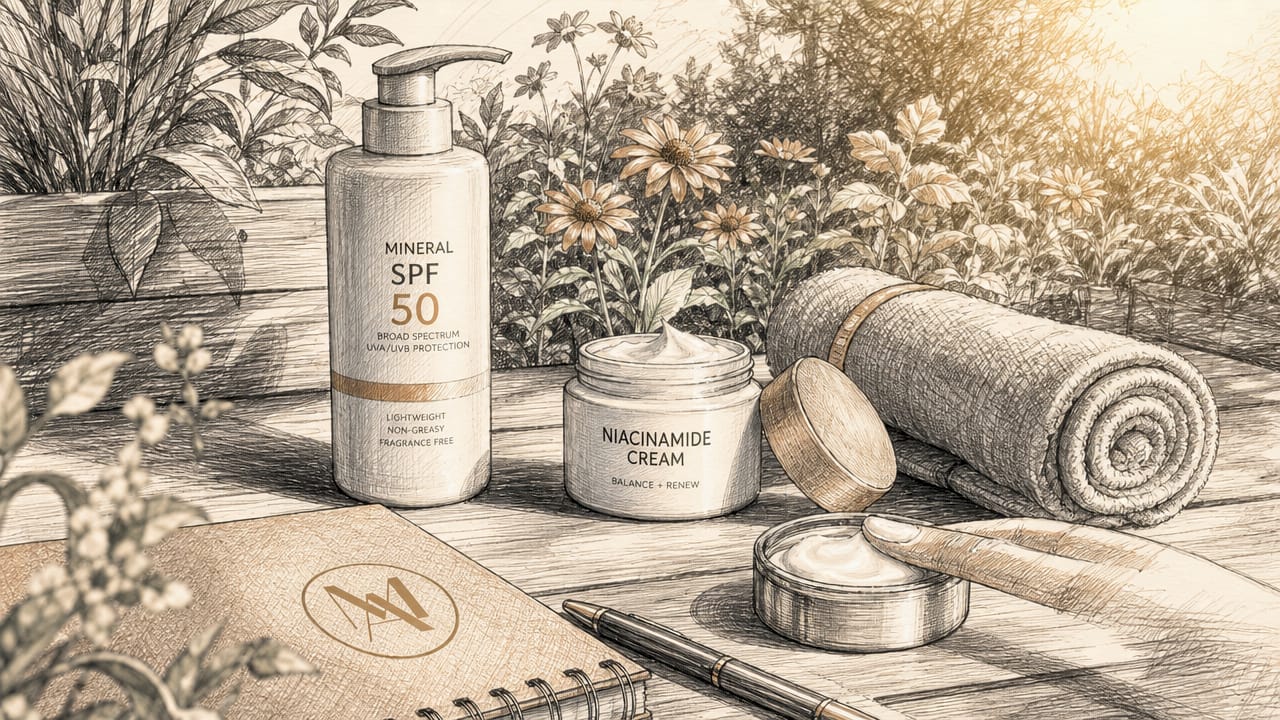
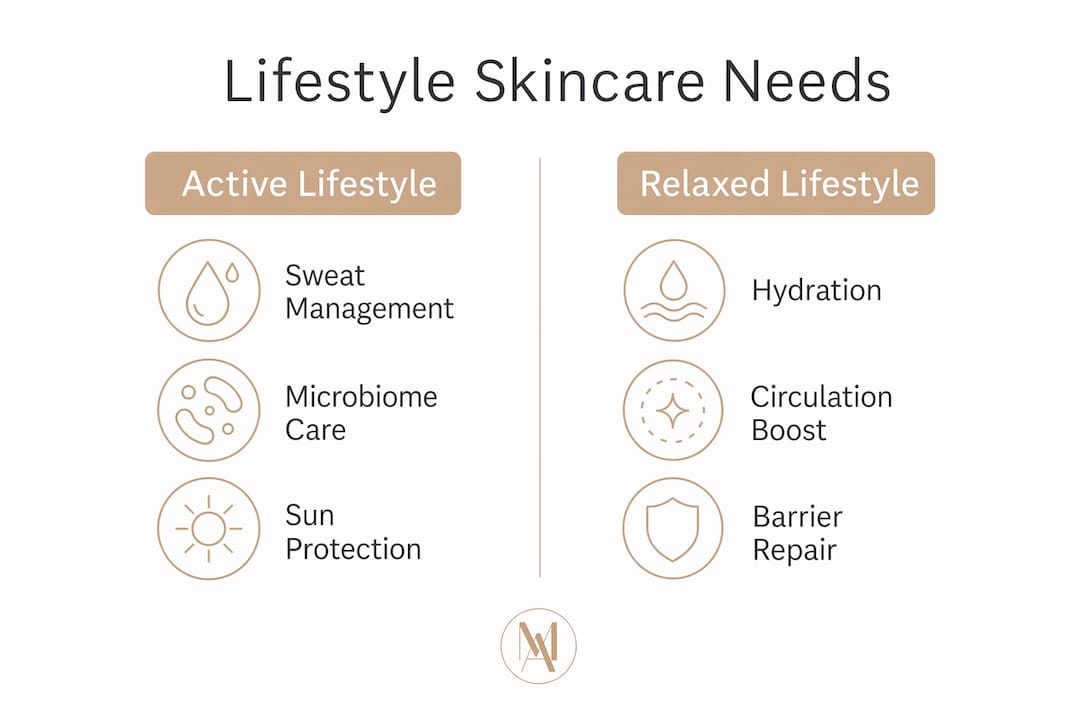
High sweat output during exercise raises skin surface pH and temporarily disrupts the microbiome. Outdoor activity adds UV exposure and airborne pollutants to the equation. Active lifestyles need lightweight, sweat-resistant products that do not block pores or slide off during a workout. Non-comedogenic, fast-absorbing formulations in gel or fluid textures are the correct choice here. Mineral SPF applied before outdoor training provides broad-spectrum protection without the occlusive heaviness of some chemical filters.
Relaxed or indoor lifestyles: a different set of priorities
People with predominantly indoor or low-activity routines face different challenges. Reduced circulation means less natural delivery of oxygen and nutrients to skin cells. Central heating and air conditioning strip ambient humidity, accelerating transepidermal water loss. Richer creams with ceramides, niacinamide, and barrier-repair lipids address these conditions directly. The skin hydration and protection requirements shift considerably between seasons and environments, making routine flexibility a genuine necessity rather than a luxury.
| Lifestyle type | Key skin challenge | Recommended formulation approach |
|---|---|---|
| High activity, outdoors | Sweat, UV, pollution | Lightweight gel, mineral SPF, antioxidant serum |
| High activity, indoors | Sweat, low humidity | Non-comedogenic fluid, barrier-supportive toner |
| Low activity, outdoors | UV, seasonal dryness | Balanced moisturiser, broad-spectrum SPF |
| Low activity, indoors | Dehydration, poor circulation | Rich cream, ceramide moisturiser, gentle exfoliant |
Pro Tip: Pump-bottle packaging is far more hygienic for post-workout application than jar formats. Dipping fingers into a jar after exercise introduces bacteria directly into your product.
What do sleep and stress do to your skin?
Sleep deprivation and chronic stress are two of the most underestimated drivers of skin deterioration. Both elevate cortisol, the body’s primary stress hormone. Cortisol elevation breaks down collagen and impedes the skin’s overnight repair cycle. Clinical recommendations for skin repair sit at 7–9 hours of sleep per night. Falling consistently short of that range accelerates fine lines, dullness, and barrier weakness.
Chronic stress promotes systemic inflammation, which manifests on skin as increased sensitivity, redness, and flare-ups of conditions like eczema, rosacea, and acne. Stress reduction methods such as meditation and physical activity biochemically reduce cortisol and inflammatory markers. This is not a wellness platitude. It is a measurable biological shift that directly affects how well your skincare products perform.
Practical adjustments for sleep and stress-affected skin:
- Use a barrier-repair moisturiser at night containing ceramides and fatty acids to support the skin’s natural repair window.
- Apply a calming serum with niacinamide or centella asiatica to reduce redness and inflammation driven by cortisol.
- Avoid active ingredients like retinoids or AHAs on nights when skin feels reactive or sensitised from stress.
- Prioritise consistent sleep timing over total hours where possible. Irregular sleep patterns disrupt circadian skin repair even when total duration is adequate.
The relationship between skin health and lifestyle is cumulative. A single poor night’s sleep will not ruin your skin. A pattern of poor sleep sustained over months will, and no topical product fully reverses that damage while the cause remains unaddressed.
How should you adapt your skincare routine as your lifestyle changes?
Lifestyle needs are not static. Travel, seasonal shifts, career changes, and life events all alter the conditions your skin operates in. Skincare routines should adapt to travel, seasonal, and environmental changes to maintain their effectiveness. A routine that works perfectly in a humid London summer may actively cause problems during a dry winter in a centrally heated flat.
The most common mistake is adding more products when the skin starts behaving differently. The correct response is usually to simplify first, then reassess.
A structured approach to adapting your routine:
- Identify the change. Is it a new climate, a new stress level, a dietary shift, or a change in activity? Pinpoint the cause before changing products.
- Simplify your routine. Return to a gentle cleanser, a barrier-supportive moisturiser, and SPF. This baseline allows you to see how your skin responds without interference.
- Introduce one new active at a time. Space new actives 2–4 weeks apart to identify what is helping and what is causing irritation.
- Read ingredient lists, not front labels. Functional ingredients like glycerin, ceramides, and niacinamide deliver results. Marketing terms on the front of packaging do not. Ingredient scrutiny ensures better compatibility with your actual lifestyle needs.
- Address hygiene habits. Frequent contact with unclean surfaces, including phones, pillowcases, and workout equipment, introduces bacteria that counteract skincare gains. Cleaning these regularly is as important as the products themselves.
- Evaluate after 8–12 weeks. Skin adapts slowly. Changing products every few weeks prevents you from ever knowing what is actually working.
Pro Tip: When travelling across climates, pack a single multi-tasking product like a ceramide moisturiser rather than your full routine. Skin often responds better to simplicity during transition periods than to a full regime applied in unfamiliar conditions.
Sustainable routines aligned with your individual daily rhythms consistently outperform complex, trend-driven regimens in long-term effectiveness. The goal is a routine you can maintain, not one that looks impressive on a bathroom shelf.
Key takeaways
Lifestyle is the primary variable in skincare effectiveness. Products perform best when they are chosen to complement the biological conditions your daily habits create.
| Point | Details |
|---|---|
| Lifestyle drives skin biology | Nutrition, sleep, stress, and activity directly alter inflammation, barrier function, and collagen production. |
| Diet shapes product needs | High-glycaemic diets accelerate ageing and increase the need for targeted actives like retinoids and peptides. |
| Activity level dictates texture | Active lifestyles require lightweight, non-comedogenic formulas; indoor lifestyles benefit from richer barrier-repair creams. |
| Sleep and stress are non-negotiable | Cortisol from poor sleep and chronic stress breaks down collagen and reduces the efficacy of topical products. |
| Simplicity and consistency win | A minimal, well-matched routine evaluated over 8–12 weeks outperforms a complex one changed frequently. |
What I have learned from years of watching skin respond to life
Jess here. After years of working with clients across a wide range of skin types and life circumstances, the pattern I see most consistently is this: the people who get the best results are not the ones using the most products. They are the ones whose routines actually fit their lives.
I have seen clients spend significant money on prescription-strength actives, only to undermine every application with three hours of sleep and a diet heavy in refined sugar. The products were not failing. The lifestyle was working against them. Skin reflects internal health first, and topical treatments are multiplicative when built on a solid foundation, not a substitute for one.
The advice I give most often is deceptively simple: match your routine to your reality, not to your aspirations. If you travel constantly, build a portable, minimal routine you will actually use. If you exercise daily, choose formulations that survive sweat and outdoor exposure. If stress is your primary challenge, prioritise sleep support and barrier repair over adding new actives.
Long-term skincare maintenance is not about discipline. It is about designing a routine that slots into your life so naturally that skipping it feels odd. That is when you start seeing real change.
— Jess
Skincare at Them-ethod, built around how you actually live
At Them-ethod, we work with clients whose lifestyles vary enormously, and our product curation reflects that. For those managing acne-prone or congested skin alongside an active or high-stress routine, the PCA Clearskin Acne Treatment Serum is formulated to reduce blemishes and calm inflammation without disrupting the barrier. For those addressing lifestyle-accelerated concerns like uneven tone, dullness, or early ageing, the NEOSTRATA collection offers clinically formulated options designed for visibly healthier skin. If you are unsure where to start, our virtual skin consultations connect you with top clinicians who assess your lifestyle alongside your skin, not just the surface.
FAQ
Why does lifestyle affect skin type over time?
Lifestyle factors including diet, sleep, and stress alter hormone levels, inflammation, and barrier function. These biological shifts can change how oily, dry, or sensitive your skin behaves, even if your genetic skin type remains fixed.
Does exercise improve skin health?
Regular physical activity improves circulation, delivering oxygen and nutrients to skin cells more efficiently. It also reduces cortisol when practised consistently, which lowers inflammation and supports collagen production.
How long before lifestyle changes show in my skin?
Skin cell turnover takes approximately 28 days in younger adults and longer with age. Meaningful changes from lifestyle improvements typically become visible after 8–12 weeks of consistent habits.
What skincare ingredients suit an active lifestyle?
Non-comedogenic, lightweight formulas containing niacinamide, hyaluronic acid, and mineral SPF suit active lifestyles best. These ingredients support barrier function and hydration without blocking pores during high-sweat activity.
Can stress alone cause skin problems?
Chronic stress elevates cortisol, which breaks down collagen, increases sebum production, and promotes inflammation. These effects can trigger or worsen acne, eczema, rosacea, and accelerated skin ageing independently of other factors.