



Artikel: The role of exfoliation in skincare explained
The role of exfoliation in skincare explained
TL;DR:
- Exfoliation supports surface skin renewal and improves texture but does not reverse deep structural aging.
- Using the correct type and frequency of exfoliant for your skin is essential to avoid damage and maintain barrier health.
Most people assume exfoliation is the secret to reversing ageing, clearing acne overnight, and achieving glass skin with enough persistence. The reality is more nuanced. The role of exfoliation in skincare is genuinely significant, but it is not a cure-all. Harvard dermatologists are clear that exfoliation provides primarily cosmetic, surface-level improvements rather than reversing deep structural ageing. Understanding precisely what it does, how to do it correctly, and which method suits your skin type is what separates a genuinely effective routine from one that quietly causes more harm than good.
Table of Contents
- Key takeaways
- The role of exfoliation in skincare: what the science says
- Choosing the right exfoliant for your skin type
- How to exfoliate safely and effectively
- My honest take on exfoliation
- Exfoliation products worth exploring at Them-ethod
- FAQ
Key takeaways
| Point | Details |
|---|---|
| Exfoliation is supportive, not curative | It improves texture and radiance but does not reverse wrinkles or structural skin damage. |
| Chemical exfoliants lead the market | AHAs, BHAs, and PHAs now dominate consumer preference over traditional physical scrubs. |
| Skin type dictates method | Darker and sensitive skin tones benefit most from gentler options like mandelic acid and PHAs. |
| Frequency matters | Exfoliating once or twice per week is sufficient; more often compromises the skin barrier. |
| Aftercare is non-negotiable | Moisturising and applying SPF immediately after exfoliation protects the newly exposed skin layer. |
The role of exfoliation in skincare: what the science says
Your skin sheds millions of dead cells every day through a natural process called desquamation. The problem is that this cycle slows considerably with age, hormonal changes, and environmental stressors. When dead cells accumulate on the surface, they create a dull, uneven appearance and can clog pores, leading to congestion and breakouts.
Exfoliation steps in to support that natural shedding process. It removes the outermost layer of dead cells, improving skin texture, brightening tone, and allowing serums and moisturisers to penetrate more effectively. That last point matters more than most people realise. An active ingredient sitting on top of compacted dead skin cells is dramatically less effective than one applied to a freshly exfoliated surface.
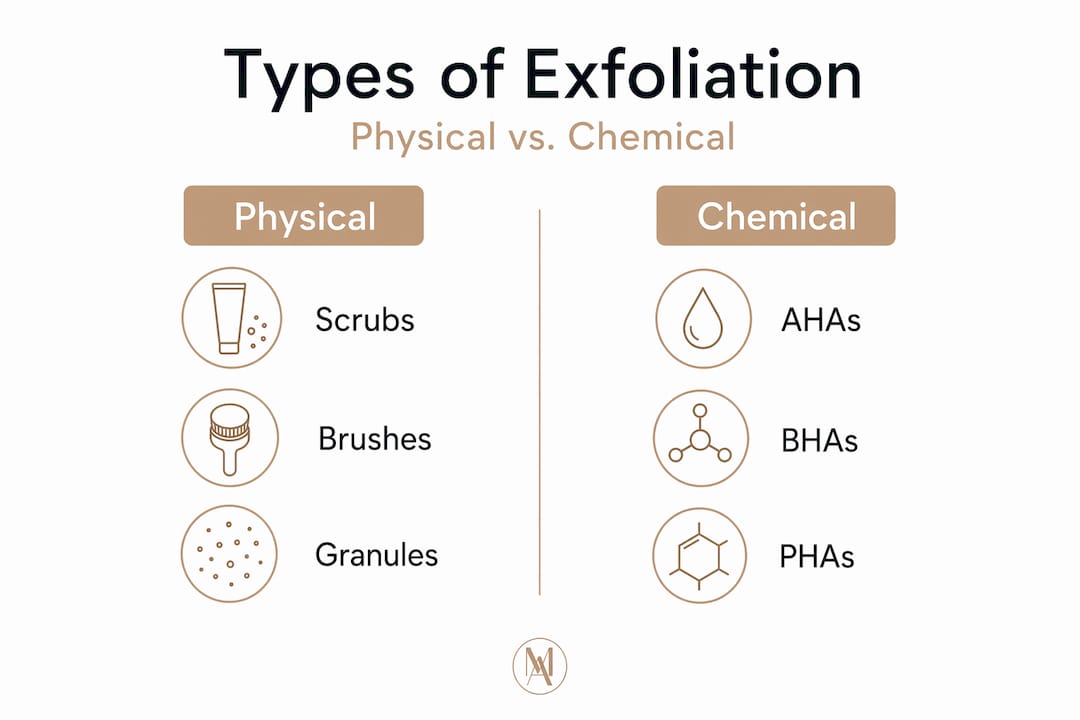
The two primary exfoliation techniques work very differently. Physical exfoliation uses friction, whether from a scrub, cleansing brush, or cloth, to manually dislodge dead cells. Chemical exfoliation uses acids or enzymes to dissolve the bonds that hold dead cells to the surface. AHAs, BHAs, and PHAs each work through slightly different chemical mechanisms, making them suited to different skin concerns and types.
“Exfoliation helps skin look smoother and more radiant at the surface level, but it is not a treatment for deep wrinkles, sun damage, or structural skin ageing. Setting realistic expectations is the foundation of a sensible routine.”
The market has spoken clearly on consumer preference. Chemical exfoliants now represent approximately 48 to 53% of exfoliator market revenue, surpassing physical scrubs in both North American and international markets. This shift reflects growing consumer understanding of ingredient science and a preference for precision over abrasion.
| Exfoliation type | Mechanism | Primary benefit |
|---|---|---|
| AHA (e.g. glycolic, lactic acid) | Dissolves dead cell bonds on skin surface | Brightening, smoothing, improving pigmentation |
| BHA (e.g. salicylic acid) | Oil-soluble; penetrates inside pores | Decongesting, reducing breakouts |
| PHA (e.g. gluconolactone) | Larger molecule; gentler surface exfoliation | Sensitive skin, hydration alongside exfoliation |
| Physical scrub (smooth beads) | Mechanical friction | Immediate texture improvement |
| Physical scrub (jagged particles) | Aggressive mechanical friction | High risk of micro-tears; not recommended |
Choosing the right exfoliant for your skin type
The importance of exfoliation lies not just in doing it, but in doing it correctly for your particular skin. A one-size-fits-all approach is where most people go wrong, and it is how exfoliation earns an unfair reputation for causing damage.
Oily skin typically tolerates more frequent exfoliation and responds well to BHAs like salicylic acid, which cut through sebum to decongest pores at a deeper level than surface acids can reach. Exfoliation for oily skin is one of the most evidence-backed applications of the practice, given the direct link between excess sebum, dead cell build-up, and comedone formation.
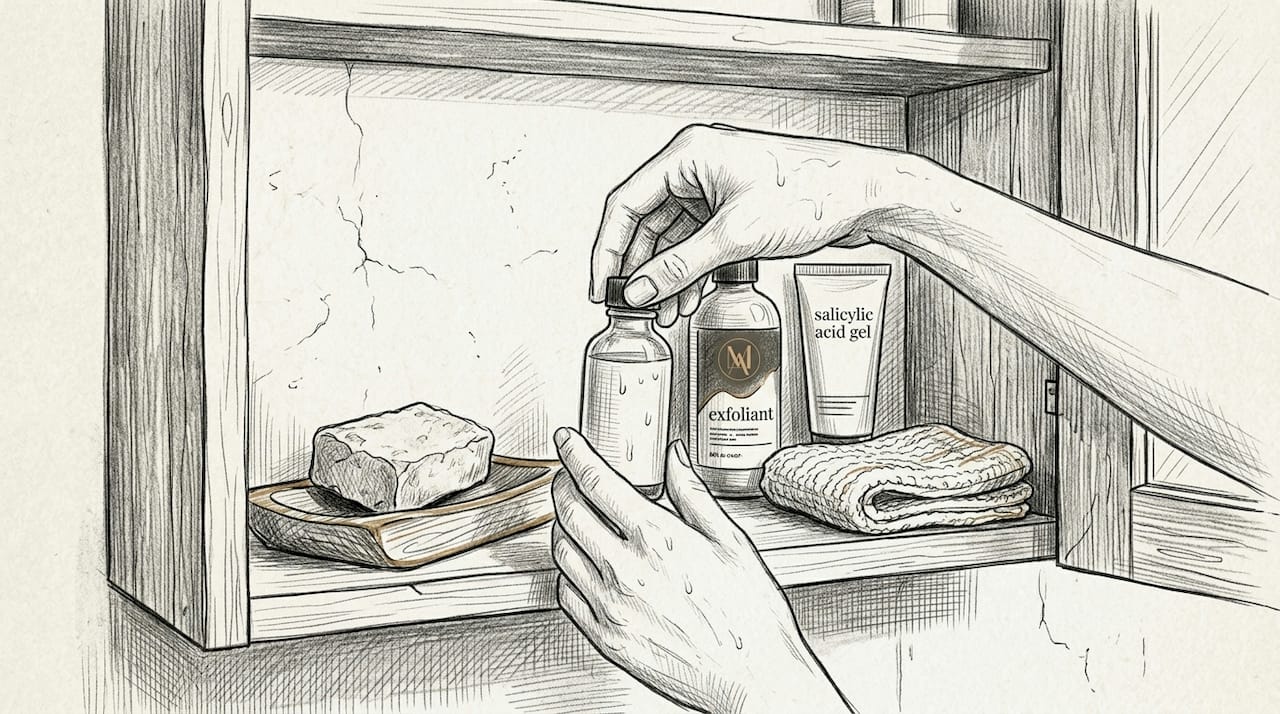
Dry and dehydrated skin benefits from lactic acid or PHAs, which exfoliate gently whilst also attracting moisture to the skin surface. The goal here is texture improvement without stripping the barrier further. Pairing exfoliation with a rich moisturiser immediately afterward is particularly critical for this skin type.
Sensitive skin calls for PHAs above all others. Their larger molecular size means they work slowly and stay closer to the skin surface, significantly reducing the risk of irritation, redness, or compromise to the microbiome. The NEOSTRATA PHA Daily Moisturiser is one of the best exfoliators for skin that is reactive, combining gentle chemical exfoliation with barrier-supporting hydration.
Darker skin tones require particular care. People with deeper complexions are more prone to post-inflammatory hyperpigmentation and micro-tears from aggressive physical exfoliants. Gentler chemical options, specifically mandelic acid and PHAs, are the recommended route. Mandelic acid has a larger molecular structure than glycolic acid, meaning it penetrates more slowly and reduces the risk of triggering inflammation. For a more detailed guide on this, the skincare for darker skin tones resource at Them-ethod covers product selection and technique in depth.
Key considerations when choosing your exfoliant:
- Skin sensitivity: PHAs and mandelic acid for reactive or darker skin; AHAs for more resilient skin types.
- Primary concern: Breakouts and congestion point toward BHAs; dullness and uneven tone toward AHAs.
- Current routine: If you are already using retinoids or vitamin C, introduce exfoliants gradually to avoid over-stimulating the skin.
- Particle shape in physical scrubs: Jagged, irregular particles like crushed nut shells can cause microscopic skin tears; smooth spherical beads or botanical seeds are considerably safer.
Pro Tip: Always patch test a new exfoliant on a small area of your inner arm for 24 to 48 hours before applying it to your face. Introduce it once a week initially, then increase frequency based on how your skin responds.
How to exfoliate safely and effectively
Knowing which exfoliant suits your skin is only part of the equation. How and when you apply it shapes the outcome just as much.
Follow these steps for a safe and effective exfoliation routine:
- Cleanse first. Remove makeup, SPF, and surface debris before exfoliating. Applying a chemical exfoliant to a layer of sunscreen or foundation reduces its efficacy and can cause uneven results.
- Apply to dry or damp skin depending on the product. Most chemical exfoliants, particularly leave-on serums and toners, are designed for dry skin application. Physical scrubs work on damp skin where friction is more controlled.
- Do not layer multiple exfoliants in one session. Combining a BHA toner with an AHA serum on the same evening doubles the acid load and significantly increases the risk of barrier compromise.
- Rinse physical scrubs thoroughly. Residual abrasive particles left on the skin can continue to create friction, particularly around the eyes and neck where the skin is thinner.
- Moisturise immediately afterward. Freshly exfoliated skin has enhanced permeability, which is an advantage for actives but also a vulnerability. A barrier-supporting moisturiser applied directly after locks in hydration and protects the newly exposed layer.
- Apply SPF the morning after an evening chemical exfoliant. Chemical acids, particularly AHAs, increase photosensitivity. Skipping SPF after an exfoliating routine exposes the skin to UV damage that could worsen the very concerns you are working to address.
On frequency: exfoliating once or twice per week is the clinically supported sweet spot for most skin types. More than that, and you risk compromising the skin barrier, leading to increased sensitivity, persistent redness, and a paradoxical increase in dullness. Over-exfoliation is one of the most common mistakes we see, particularly among those who equate more frequent exfoliation with faster results.
Pro Tip: If your skin feels tight, looks shinier than usual without being oily, stings when you apply your regular moisturiser, or flushes easily, these are classic signs of an over-exfoliated skin barrier. Stop all exfoliation for one to two weeks, focus on gentle cleansing, and rebuild with a fragrance-free, ceramide-rich moisturiser.
For a practical, step-by-step walkthrough of application technique, Them-ethod’s exfoliation method guide is an excellent next step.
What is changing in exfoliation formulations
The world of exfoliation products is evolving quickly, and the direction is firmly toward precision and gentleness. Hybrid exfoliation products that combine physical particles with chemical actives are growing at 12 to 18% annually in North American markets, reflecting consumer appetite for multi-benefit formulations in a single product.
Leave-on chemical exfoliants in serum and toner formats are now the dominant choice among skincare-literate consumers. The appeal is clear: no rinsing means prolonged acid contact time and more consistent results. Encapsulation technology is also gaining traction, where acids are encapsulated in micro-spheres that release gradually on the skin, reducing the risk of irritation whilst maintaining efficacy.
Consumers increasingly prefer these controlled-release formats precisely because the early days of potent AHA toners at high concentrations left many people with reactive, sensitised skin. The market has matured. Formulation science has responded.
Other trends shaping the category:
- Ingredient literacy: Buyers now read INCI lists and understand the difference between glycolic acid at 5% versus 10%. Transparency in formulation is expected, not optional.
- Sustainability: Microplastic bans across Europe and the UK have accelerated the shift away from synthetic physical beads toward biodegradable alternatives.
- Skin supplements: Internal support for skin health, including supplements that support clear skin, is increasingly viewed as complementary to topical exfoliation routines rather than a separate category.
My honest take on exfoliation
I’ve seen what over-enthusiasm with exfoliants does to skin up close. Clients arrive with raw, sensitised complexions having used a daily AHA toner, a BHA serum, and a weekly enzyme mask simultaneously. In their minds, more exfoliation means faster progress. In practice, they have dismantled their skin barrier and created the very sensitivity and dullness they were trying to solve.
What I’ve learned from years of working with a broad spectrum of skin types is that exfoliation is most powerful when it is used conservatively. Once or twice a week, the right acid for your skin type, followed by a good moisturiser and rigorous SPF use the next morning. That is genuinely it.
I’m also sceptical of the hype around certain high-stimulation physical ingredients gaining traction on social media. Excessive use of high-stimulation ingredients can weaken the skin barrier despite producing a temporary smoothing effect. Temporary smoothness and genuine skin health are not the same thing, and I think it is worth being honest about that distinction.
My advice is to view exfoliation as a supporting ritual rather than the hero of your routine. Pair it with adequate hydration, sun protection, and patience. The best results I have seen come from clients who treat their skin respectfully, not aggressively.
— Jess
Exfoliation products worth exploring at Them-ethod
If you are ready to introduce or refine exfoliation in your skincare routine, Them-ethod offers a carefully curated selection suited to a range of skin types and concerns. The NEOSTRATA Mandelic Clarifying Cleanser is a standout choice for those with sensitive or darker skin tones, offering gentle chemical exfoliation without the inflammation risk of harsher acids. For those managing breakouts alongside texture concerns, the PCA Clearskin acne treatment serum combines exfoliating actives with targeted acne support in one clinically formulated product. Browse client reviews to see real-world results, and consider booking a virtual consultation with one of Them-ethod’s expert clinicians to receive a personalised exfoliation plan built around your skin.
FAQ
What does exfoliation actually do for skin?
Exfoliation removes accumulated dead skin cells from the surface, improving texture, brightness, and the absorption of subsequent skincare products. It supports the skin’s natural shedding process, which slows with age.
How often should I exfoliate my face?
Once or twice per week is the recommended frequency for most skin types. Exfoliating more often risks compromising the skin barrier, leading to irritation and dullness rather than the intended benefits.
What is the difference between physical and chemical exfoliation?
Physical exfoliation uses friction to manually remove dead cells, whilst chemical exfoliants like AHAs, BHAs, and PHAs dissolve the bonds between dead cells and the skin surface, making removal gentler and more controlled.
Is exfoliation safe for darker skin tones?
Yes, with the right products. Darker skin tones are more prone to hyperpigmentation from aggressive exfoliation, so gentler options like mandelic acid and PHAs are strongly preferred over harsh physical scrubs or high-concentration acids.
Does exfoliation help with acne?
BHA exfoliants like salicylic acid are particularly effective for acne-prone skin because they are oil-soluble and can decongest pores from within. Regular, moderate exfoliation helps prevent the dead cell and sebum build-up that contributes to breakout formation.