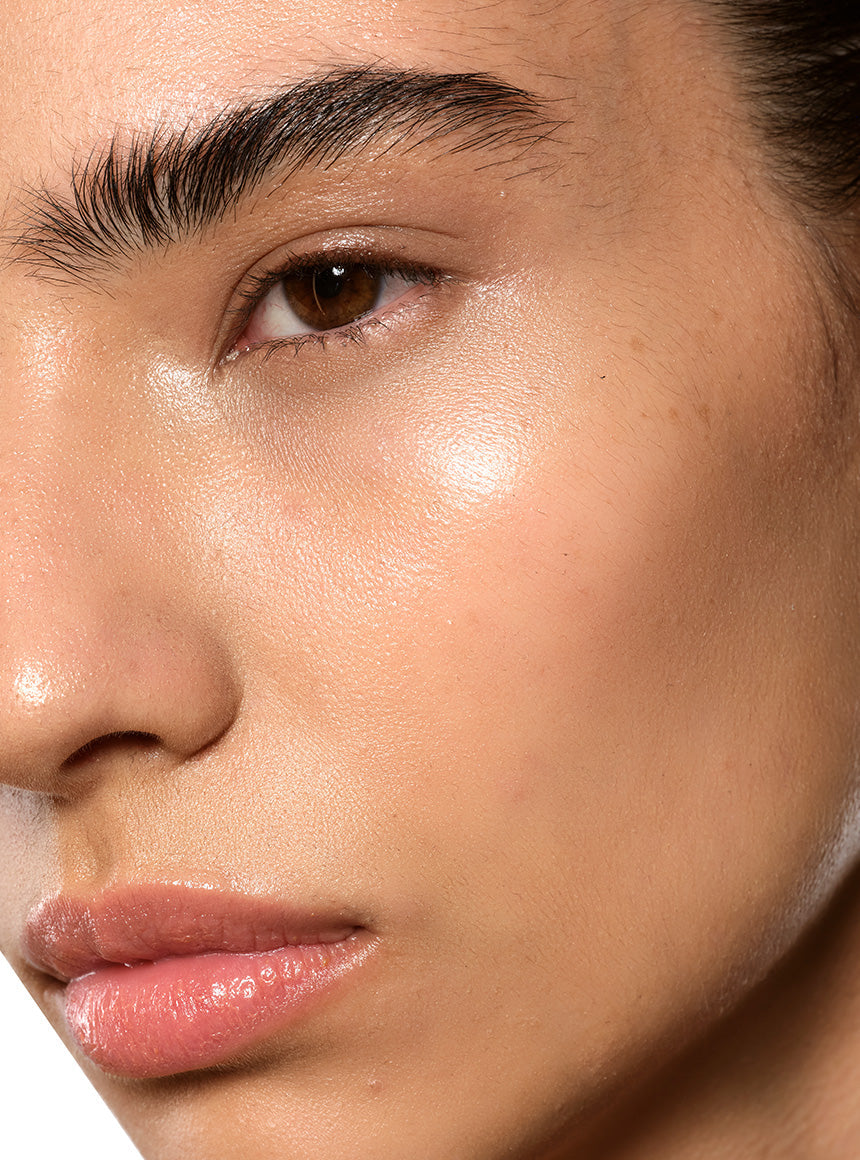





Exfoliation tips for beginners: brighter, smoother skin
TL;DR:
- Starting an exfoliation routine can be overwhelming due to vast product options, risking irritation or neglect.
- A well-managed routine improves skin texture, brightness, and product absorption while maintaining skin barrier health.
Starting an exfoliation routine can feel genuinely overwhelming. With shelves full of acids, scrubs, brushes, and enzyme masks, it is easy to either avoid exfoliation entirely or, worse, overdo it and end up with irritated, reactive skin. The good news is that when you approach exfoliation with the right technique and realistic expectations, the results are visible and lasting. Smoother texture, a noticeably brighter complexion, and skincare products that actually absorb properly are all achievable. This guide walks you through everything you need to know, safely and clearly, from choosing the right method to protecting your skin afterwards.
Table of Contents
- Understanding exfoliation: what it does for your skin
- Choosing between physical and chemical exfoliation
- How to match exfoliation to your skin type
- Safe exfoliation routines: how often and how to start
- Essential aftercare: soothe and protect your renewed skin
- Why a gentle start beats miracle promises: expert perspective
- Great beginner skincare starts here
- Frequently asked questions
Key Takeaways
| Point | Details |
|---|---|
| Start gentle and slow | Begin with mild products and increase frequency gradually to prevent irritation. |
| Choose by skin type | Select exfoliation methods and products tailored to your skin’s needs for best results. |
| Moisturise and protect | Always follow exfoliation with a hydrating moisturiser and sun protection to keep skin healthy. |
| Listen to your skin | Watch for signs of sensitivity or irritation and adjust your routine if needed. |
Understanding exfoliation: what it does for your skin
Your skin naturally sheds dead cells roughly every 28 to 40 days, but this process slows down with age and can be disrupted by environmental stressors, dehydration, and hormonal shifts. When dead cells accumulate on the surface, skin looks dull, feels rough, and your favourite serums and moisturisers simply cannot penetrate effectively.
Exfoliation removes dead skin cells to improve skin texture, brightness, and product absorption, but it must be done safely to avoid irritation. This is a point worth taking seriously. Beginners who jump straight to strong exfoliants or use them too frequently often experience redness, sensitivity, and micro-tears in the skin barrier. These outcomes are entirely avoidable.
The benefits of a well-managed exfoliation routine include:
- Smoother skin texture: The surface feels noticeably softer and more even within days of a well-executed session.
- Brighter complexion: Removing dull, accumulated dead cells reveals the fresher, more luminous skin underneath.
- Improved product absorption: Without a barrier of dead cells, your serums and moisturisers penetrate deeper and work more effectively.
- Reduced appearance of pores: Regular, gentle exfoliation can help keep pores clear and less visually prominent.
- More even skin tone: Over time, consistent exfoliation helps fade superficial pigmentation and smooth out uneven patches.
Building these benefits into clear skin routines starts with understanding the science, not just following trends. When you know why exfoliation works, you make smarter choices about how to do it.
The key principle: Exfoliation is not about scrubbing harder or using stronger products. It is about removing just enough to allow renewal, without stripping or damaging the skin barrier.
Choosing between physical and chemical exfoliation
Two main methods exist: physical exfoliation using scrubs and brushes, and chemical exfoliation using AHAs, BHAs, and enzymes. Understanding the difference between them is the single most important step for any beginner.
Physical exfoliation involves a mechanical action. Scrubs with fine granules, facial brushes, and textured cloths all work by physically buffing dead cells from the surface. The result feels immediate because the texture change is instant. However, the risk for beginners is significant. Over-scrubbing, using coarse particles, or applying too much pressure can cause micro-tears, inflammation, and long-term sensitivity. Physical exfoliants require a careful, light hand and are best reserved for non-sensitive skin types.
Chemical exfoliation uses active ingredients to dissolve the bonds holding dead skin cells together, allowing them to shed naturally. This category includes:
- AHAs (alpha-hydroxy acids): Glycolic and lactic acid are the most common. They work on the skin’s surface and are excellent for dullness, dry skin, and fine lines.
- BHAs (beta-hydroxy acids): Salicylic acid is the primary BHA. It is oil-soluble, meaning it can penetrate into pores, making it ideal for oily and acne-prone skin.
- Enzyme exfoliants: Typically derived from papaya (papain) or pineapple (bromelain), these offer a very gentle option for sensitive or reactive skin types.
| Method | Mechanism | Best for | Risk level |
|---|---|---|---|
| Physical scrub | Mechanical buffing | Normal, oily skin | Medium to high |
| AHA (glycolic, lactic) | Dissolves surface bonds | Dry, dull, ageing skin | Low to medium |
| BHA (salicylic) | Penetrates pores | Oily, acne-prone | Low |
| Enzyme exfoliant | Gentle protein digestion | Sensitive, reactive | Very low |
Pro Tip: If you are completely new to exfoliation, start with a low-strength lactic acid or an enzyme-based product. These are forgiving, effective, and far less likely to trigger a reaction than glycolic acid or physical scrubs.
Our curated selection of exfoliators and peels includes clinically formulated options across all these categories. For a well-regarded entry point, the NEOSTRATA exfoliating wash combines effective AHA technology with a manageable, rinse-off format that suits most beginners.
How to match exfoliation to your skin type
Once you know the types, the next step is tailoring your approach to your own skin. This is where many beginner guides fall short. They recommend products without accounting for the fact that what works brilliantly for oily skin can be genuinely damaging for sensitive or dry skin.
Here is a practical breakdown by skin type:
- Oily skin: You can generally tolerate BHAs well. Salicylic acid helps dissolve the excess sebum that clogs pores and leads to breakouts. Start with a low concentration (0.5% to 1%) used two to three times per week.
- Dry skin: Lactic acid is your best option. It exfoliates gently while also drawing moisture into the skin, unlike glycolic acid which can be drying. Once or twice per week is sufficient.
- Sensitive or reactive skin: Enzyme exfoliants are the safest starting point. Avoid physical scrubs entirely. If you want to try an acid, low-strength lactic acid used once per week is the most cautious approach.
- Combination skin: Focus chemical exfoliants on the oilier T-zone areas and use lighter enzyme formulas on drier or more sensitive patches.
- Acne-prone skin: BHAs are highly effective here. Avoid harsh physical exfoliants which can spread bacteria and worsen breakouts.
Matching to skin type matters greatly: dry and sensitive skin types benefit most from chemical and mild approaches, while oily skin can tolerate slightly stronger options. Darker skin tones require special attention, as aggressive exfoliation can trigger post-inflammatory hyperpigmentation, a form of dark spotting that can take months to resolve.
For deeper skin tones: Always choose the mildest effective option first. Enzyme exfoliants and low-strength lactic acid are recommended as starting points. Avoid high-strength glycolic acid or abrasive physical scrubs until you have established your skin’s tolerance.
For personalised guidance based on your specific skin concerns, our detailed resource on sensitive skin best practices offers expert-led direction tailored to reactive complexions.
Safe exfoliation routines: how often and how to start
Ready to get started? Here is how to blend exfoliation into your routine safely and effectively.
Beginners should start with once per week, then increase gradually to two or three times per week based on tolerance. Sensitive and dry skin types generally do best staying at once per week long-term. Oily and acne-prone skin can often tolerate two to three sessions per week once the skin has adapted.

A notable survey finding: 88.7% of dermatologists endorse daily gentle exfoliation for oily and acne-prone skin types, while 63.2% support it for sensitive skin when micro-dosed formulas are used. This does not mean you should begin daily exfoliation as a beginner. It shows that with the right formulation and sufficient tolerance-building, more frequent use can eventually be appropriate.
Here is a simple starter routine to follow:
- Cleanse first. Remove makeup, sunscreen, and surface impurities with a gentle cleanser. Exfoliating clean skin ensures the active ingredients reach their target without interference.
- Apply your exfoliant. Use a small amount and apply with light pressure in gentle circular motions for approximately 30 seconds if using a physical product. For chemical exfoliants, apply evenly and allow to absorb.
- Rinse thoroughly. Remove all traces of the product with lukewarm water. Avoid hot water, which can heighten sensitivity.
- Moisturise immediately. Follow with a hydrating, non-irritating moisturiser to support the skin barrier and lock in hydration.
- Apply SPF during the day. Exfoliated skin is significantly more vulnerable to UV damage. This step is non-negotiable.
| Skin type | Recommended frequency | Best exfoliant type |
|---|---|---|
| Sensitive or dry | Once per week | Enzyme or low-strength lactic acid |
| Normal | 1 to 2 times per week | Lactic or low-strength glycolic acid |
| Combination | 1 to 2 times per week | Lactic acid (all over), BHA (T-zone) |
| Oily or acne-prone | 2 to 3 times per week | BHA (salicylic acid) |
Pro Tip: Never layer a chemical exfoliant with a retinol, vitamin C, or another strong active on the same evening when you are just beginning. Introducing too many actives at once makes it nearly impossible to identify what is causing any reaction.
For a more thorough breakdown of how to structure the full routine, our dermatologist exfoliation routines guide covers sequencing, timing, and product pairing in detail.
Essential aftercare: soothe and protect your renewed skin
To make the most of exfoliation, what you do immediately afterwards is crucial. Many beginners focus entirely on the exfoliant itself and overlook the steps that protect the newly revealed skin.
Always apply moisturiser and SPF after exfoliation, particularly if you exfoliate in the morning. SPF is essential because exfoliation increases photosensitivity, raising the risk of UV-induced pigmentation and damage.
Key aftercare practices to adopt:
- Use a calming, hydrating moisturiser. Look for ingredients such as ceramides, hyaluronic acid, or niacinamide to support barrier repair without adding potential irritants.
- Avoid active ingredients immediately after exfoliating. Give your skin time to settle before applying retinoids, vitamin C, or other high-strength actives.
- Do not exfoliate compromised skin. If you have a breakout, active eczema, sunburn, or recent dermal treatment, wait until the skin has healed fully before resuming exfoliation.
- Skip the exfoliant if you have used a strong active the night before. Retinol, for instance, already increases cell turnover. Adding an exfoliant on top unnecessarily stresses the skin barrier.
- Always patch test new exfoliants. Apply a small amount to the inside of your wrist or jaw for 24 to 48 hours before committing to full-face application.
Pro Tip: If your skin feels tight, stings slightly, or appears red after exfoliation, reach for a bland, fragrance-free moisturiser immediately and skip exfoliation for the next seven to ten days. These are early signals that you need to reduce frequency or switch to a gentler formula.
Selecting the right cleanser to precede your exfoliant matters equally. Our range of gentle facial cleansers offers options designed to remove impurities without disrupting the skin barrier before you exfoliate.
Why a gentle start beats miracle promises: expert perspective
There is a particular kind of temptation in skincare, and exfoliation is one of the areas where it shows up most persistently. New products promise rapid transformation. Social media before-and-after images suggest that stronger is better and faster is always preferable. In our experience working with clients across all skin types and concerns, this narrative consistently leads to the same outcome: a damaged barrier, reactive skin, and a return to basics.
The counterintuitive truth is that slowing down almost always produces better long-term results. When you start at a low concentration and frequency and monitor your skin’s response before progressing, you allow your skin to adapt without stress. The cells beneath the surface are undergoing a real biological process. Overwhelming that process with high-strength acids used too often simply triggers inflammation rather than renewal.
It is also worth being honest about the limits of the data we work with. No strong empirical benchmarks exist on the ideal exfoliation frequency for the general population. The guidelines we rely on come from dermatologist consensus, clinical observation, and carefully conducted surveys. They are sensible and well-reasoned, but they are not absolute rules. This means you must treat your own skin as the primary source of feedback.
What we consistently observe is that clients who begin gently, listen to their skin, and build slowly are the ones who maintain a consistent and effective expert skin routines over years, not just weeks. Patience is not passive. It is the smartest strategic move you can make for your complexion.
Great beginner skincare starts here
If you are motivated to start your exfoliation journey, having access to professionally formulated, clinically tested products makes a real difference. At The M-ethod Skin, we have curated a range of options specifically suited to safe and effective exfoliation at every stage of a skincare routine. The PCA Clearskin serum is a particularly thoughtful choice for beginners managing oily or congested skin, combining gentle BHA activity with calming ingredients. For a wider selection of clinically supported formulas, our full NEOSTRATA collection offers AHA-based products developed with decades of research behind them. Our virtual skin consultations are available for anyone who wants personalised guidance before committing to a new routine.
Frequently asked questions
What is the safest exfoliation method for beginners?
Chemical exfoliation with low-strength acids or enzyme-based products is generally the safest starting point for beginners, particularly those with sensitive or reactive skin.
How can I tell if I’m over-exfoliating?
Signs include persistent redness, stinging, increased sensitivity, or unusual flaking. If these develop, reduce frequency immediately or switch to a milder formula and allow the barrier to recover.
Is it safe to exfoliate daily?
Most beginners should limit exfoliation to one to three times per week, but daily gentle exfoliation is supported for some oily and acne-prone skin types once tolerance is established.
Should I exfoliate before or after cleansing?
Always exfoliate after cleansing so the skin is free of impurities and the exfoliating agents can work directly on the skin surface without interference.
Do I need to wear sunscreen after exfoliating?
Yes, absolutely. Exfoliated skin is more sun-sensitive and SPF is essential to prevent UV-induced damage and pigmentation.