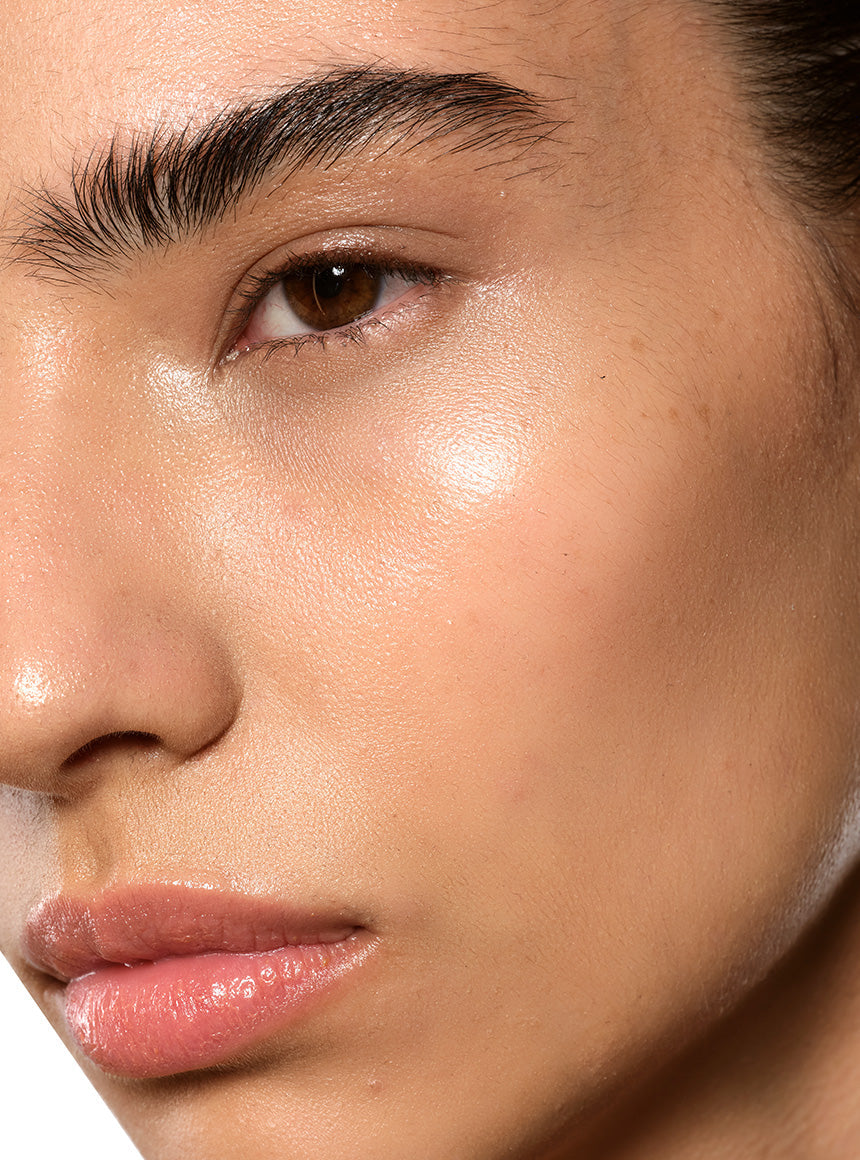





Skincare for Darker Skin Tones That Works
Pigmentation rarely arrives quietly on deeper skin. A single breakout, one overly aggressive peel, or a few weeks of unprotected sun exposure can leave marks that linger far longer than the original issue. That is why skincare for darker skin tones needs more than trend-led advice. It requires precision, restraint, and a clear understanding of how melanin-rich skin behaves.
Deeper skin tones often have built-in advantages, including greater natural photoprotection and a tendency to show fine lines later. But those benefits do not make skin less reactive. In fact, richly pigmented skin is often more prone to post-inflammatory hyperpigmentation, uneven tone, and visible discolouration after irritation. The goal is not simply brighter skin. It is stronger, calmer, more even skin that can tolerate active ingredients without collateral damage.
Why skincare for darker skin tones needs a different approach
The structure of the skin is broadly the same across all tones, but the behaviour is not identical. In melanin-rich skin, inflammation has a greater tendency to trigger excess pigment production. That means acne, eczema, friction, heat, harsh exfoliation, and even enthusiastic cleansing can all leave a longer visual trace.
This is where many routines go wrong. Clients focus on fading marks but underestimate the importance of preventing new inflammation. They reach for strong acids, high-strength retinoids, or brightening products layered without strategy. The result is often a damaged barrier, more irritation, and deeper discolouration.
Effective skincare for darker skin tones is built around two priorities at once. First, reduce the triggers that create pigmentation. Second, use clinically proven actives that improve tone gradually and safely. Results matter, but so does the route you take to get them.
The concerns that show up most often
Hyperpigmentation is the most common concern, but it is not the only one. Post-inflammatory marks after spots or ingrown hairs are particularly persistent on darker skin. Melasma can also be difficult to manage, especially when heat, hormones, visible light, and sun exposure all play a role.
Acne remains a major issue too, and treating it in deeper skin requires balance. Over-drying the skin may reduce oil briefly, yet it often worsens irritation and leaves more marks behind. Sensitivity, dehydration, and barrier disruption can then sit underneath the surface, making every active ingredient feel harsher than it should.
Some clients also experience ashiness, which is usually a sign that the skin is dry, under-moisturised, or being stripped by the cleanser. Others struggle with redness that presents less obviously than it does in lighter skin, but still drives sensitivity and unevenness.
Start with barrier-first care
If there is one principle worth adopting early, it is this: calm skin responds better than stressed skin. A healthy barrier gives you a better chance of tolerating brightening agents, retinoids, and targeted treatments without creating new pigmentation.
A gentle cleanser is the first step. Skin should feel clean, not tight. Foaming formulas can work beautifully if they are well-formulated, but aggressive surfactants are rarely helpful for anyone dealing with pigmentation or sensitivity. Follow with a moisturiser that supports barrier function using ingredients such as ceramides, glycerin, squalane, or hyaluronic acid.
This may sound basic, but basic done correctly is often what changes the trajectory of the skin. Many advanced routines fail because the skin underneath them was not stable enough to cope.
The best active ingredients for deeper skin tones
When treating uneven tone, ingredient selection matters as much as concentration. More is not always better.
Niacinamide is one of the most versatile options. It helps support the barrier, regulate oil, reduce the look of pores, and improve uneven pigmentation without the volatility of stronger acids. For many people, it earns a permanent place in the routine.
Azelaic acid is another standout. It is particularly useful when pigmentation, acne, and sensitivity overlap. It can help calm inflammation while gradually improving tone, making it a strong choice for clients who have reacted poorly to harsher treatments in the past.
Vitamin C can be excellent, but formulation matters. A well-designed antioxidant serum can brighten and support defence against environmental stress, yet highly acidic versions are not always the best starting point for reactive skin. Stable derivatives or carefully balanced L-ascorbic acid formulas tend to be the more elegant option.
Retinoids deserve their reputation, but they need respect. They can improve texture, support collagen, and help with both acne and pigmentation. The mistake is starting too strong or using them too often. In darker skin, irritation from retinoids can quickly lead to more visible post-inflammatory pigmentation. A lower strength used consistently often outperforms an aggressive approach that the skin cannot tolerate.
Tranexamic acid has also become increasingly relevant for stubborn discolouration, especially when melasma-like pigmentation is involved. It works well within a broader brightening strategy and is often better tolerated than repeated exfoliation.
Exfoliation - useful, but easy to overdo
This is one area where restraint pays dividends. Exfoliation can improve dullness and help pigment shed more evenly, but overuse is one of the quickest ways to create setbacks.
For darker skin tones, the most effective exfoliation is usually measured rather than frequent. A gentle chemical exfoliant used once or twice weekly may support clarity and smoothness. Daily acids, abrasive scrubs, and at-home peel layering are far more likely to compromise the barrier.
If you are already using retinoids, acne treatments, or pigment inhibitors, your skin may need less exfoliation than you think. Polished skin is not the same as over-processed skin.
SPF is non-negotiable, even on deeper skin
There is still a persistent myth that darker skin does not need daily SPF. It does. While melanin offers some natural protection, it does not prevent UV-driven pigmentation, melasma flares, photoageing, or skin cancer.
For deeper skin tones, the challenge is often cosmetic elegance. Many sunscreens leave a grey cast or feel heavy enough to discourage consistent use. The answer is not to skip SPF. It is to find a formula you will actually wear every day, in the correct amount, and reapply when needed.
Broad-spectrum protection is essential, and for those struggling with pigmentation, visible light protection can also be relevant. Tinted sunscreens are often particularly helpful because iron oxides may offer added defence against the type of light that can worsen discolouration.
A routine should be edited, not overloaded
Premium skincare clients are often highly informed, which is an advantage. But knowledge can sometimes become product excess. Layering multiple brighteners, two exfoliating acids, a retinoid, and a scrub does not create a high-performance routine. It creates confusion and, often, irritation.
The strongest routines for darker skin are usually tightly edited. A good cleanser, one or two treatment serums, a barrier-supportive moisturiser, and daily SPF will outperform a crowded shelf of conflicting actives. The right additions depend on the concern. Acne-prone skin may need salicylic acid or benzoyl peroxide used carefully. Pigmentation-prone skin may benefit more from azelaic acid, tranexamic acid, niacinamide, and a retinoid introduced slowly.
This is where expert guidance becomes valuable. Clinical skincare is not about using the most products. It is about using the right ones, in the right order, at the right pace.
When professional advice matters most
If pigmentation is widespread, worsening, symmetrical, or linked to hormones, self-treatment has limits. Melasma, persistent post-inflammatory hyperpigmentation, and recurrent adult acne often need a more considered plan. Equally, if your skin stings with most products or appears darker after every breakout, the issue may be barrier dysfunction rather than a lack of stronger ingredients.
A curated, physician-led approach can save months of trial and error. At The M-ethod Aesthetics, this is exactly where clinically proven, physician-dispensed skincare earns its place. Not every active suits every skin tone at the same intensity, and personalised guidance reduces the risk of treating pigmentation in a way that ultimately worsens it.
What progress should really look like
Visible improvement in deeper skin tones is rarely instant, particularly when pigmentation is involved. New marks may settle within weeks, while older discolouration can take several months to fade. That does not mean the routine is failing. It means the skin is following biology, not marketing timelines.
The better way to judge progress is by looking for fewer new marks, better tolerance, more even tone, calmer breakouts, and skin that looks healthier overall. Brightening should not come at the expense of comfort. The most refined results are built steadily.
Skin of colour deserves the same level of clinical rigour, nuance, and premium formulation as any other skin type. When you treat deeper skin with precision rather than assumptions, radiance looks less like a quick fix and more like what it should be - healthy skin performing at its best.