



What Causes Uneven Skin Tone?
You can follow every skincare rule, wear expensive serums and still look in the mirror and wonder why your complexion appears patchy, dull or inconsistent. If you are asking what causes uneven skin tone, the answer is rarely just one thing. In most cases, it is a mix of pigment activity, inflammation, sun exposure, hormones, barrier disruption and, sometimes, products that are not right for your skin.
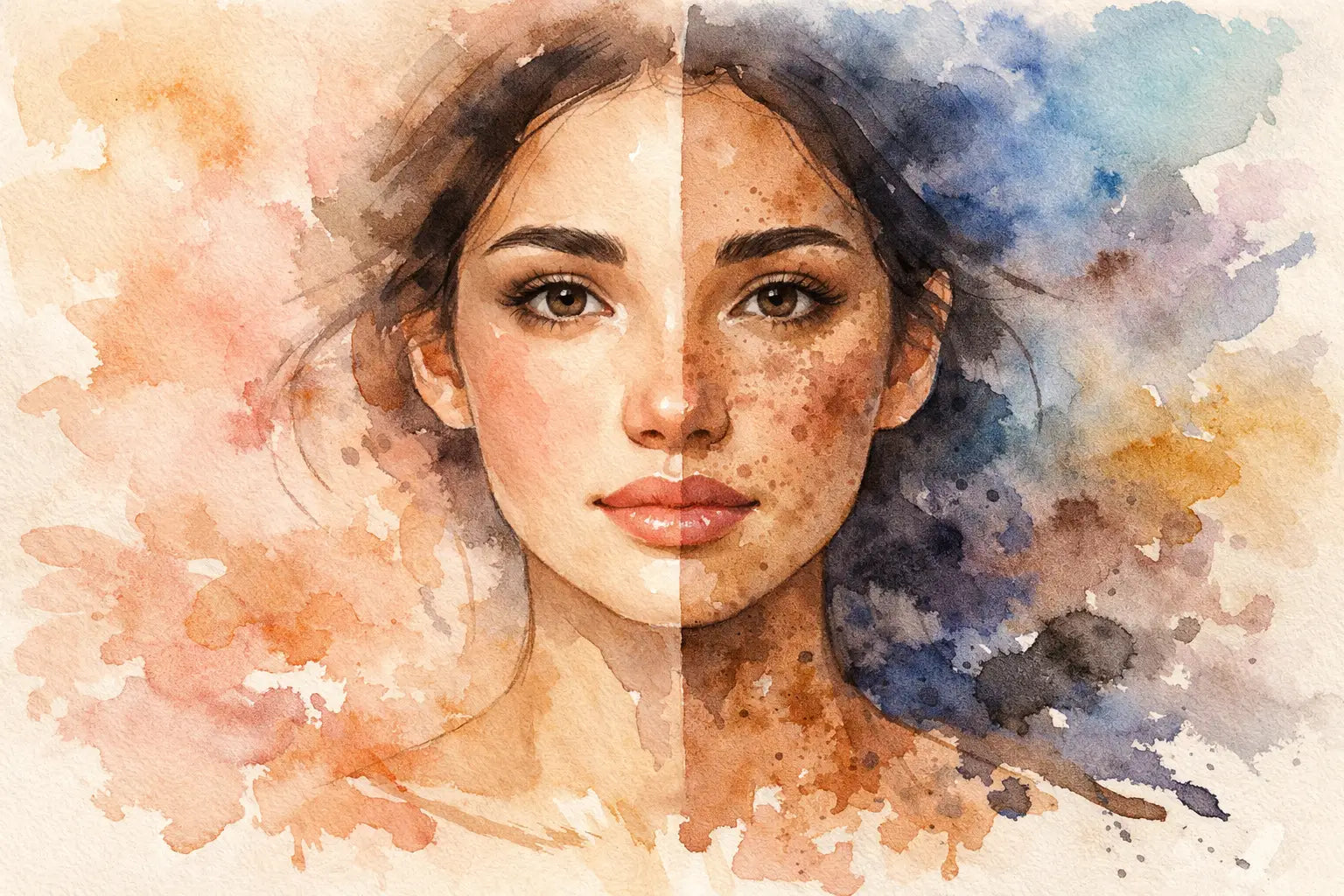
Uneven skin tone is also not one single diagnosis. It can mean brown patches, lingering post-acne marks, general sallowness, visible redness, or areas that look darker than the rest of the face. The first step is understanding which type of unevenness you are seeing, because treatment becomes far more effective when it is targeted.
What causes uneven skin tone in the first place?
At a clinical level, uneven skin tone happens when pigment production, skin turnover or blood vessel activity becomes irregular. Melanin is the pigment that gives skin its natural colour. When melanocytes produce too much melanin in one area, you see hyperpigmentation. When inflammation or vascular reactivity is involved, the skin may look pink, red or blotchy instead.
That distinction matters. Not every uneven complexion is a pigment problem, and treating redness as though it were melasma can waste months of effort. This is one reason sophisticated skincare always starts with accurate assessment rather than trend-led product shopping.
Sun exposure is the most common driver
UV exposure remains one of the biggest reasons skin tone becomes inconsistent. Even modest daily sun exposure can trigger excess melanin production, deepen existing marks and make skin look less clear overall. This is true whether you are prone to freckles, post-inflammatory pigmentation or melasma.
Sun damage does not always present as dramatic dark spots. It can show up as a general loss of clarity, a mottled complexion and uneven light reflection across the face. In practical terms, skin simply stops looking uniform. This is why diligent broad-spectrum SPF is not an optional finishing step. It is core treatment, especially if you are investing in brightening ingredients or professional skin procedures.
Hormones can trigger persistent discolouration
Hormonal shifts are strongly linked to melasma, a form of pigmentation that often appears as symmetrical brown or grey-brown patches on the cheeks, forehead, upper lip or jawline. Pregnancy, oral contraceptives and hormone fluctuations can all contribute.
Melasma is often more complex than standard sun spots because it is driven by both internal and external triggers. Heat can worsen it, visible light can aggravate it, and over-treating the skin can make the situation look more obvious. This is where a more advanced, physician-led approach becomes valuable. Stronger is not always smarter.
Inflammation leaves a mark long after the breakout has gone
One of the most frustrating causes of uneven tone is post-inflammatory hyperpigmentation. This is the discolouration left behind after acne, eczema, irritation or even an aggressive facial. The original issue may have settled, yet the skin remains marked for weeks or months.
This is especially relevant for deeper skin tones, where inflammatory pathways can trigger more noticeable pigment deposition. It is also why picking blemishes, using abrasive scrubs or layering too many active ingredients can be so counterproductive. You may clear one problem and create another.
A weakened barrier can make skin look dull, blotchy and reactive
Not all uneven skin tone is brown pigment. Sometimes the skin looks inconsistent because the barrier is compromised. When the barrier is disrupted, the complexion can appear rough, dehydrated, red and generally less luminous. Light does not reflect evenly off dehydrated or inflamed skin, so the whole face can seem less balanced in tone.
Common triggers include over-exfoliation, excessive use of acids or retinoids, harsh cleansers and environmental stress. If your skin feels tight, stings easily or suddenly reacts to products it once tolerated, barrier impairment may be part of the picture.
This is where many intelligent skincare routines go off course. Patients try to brighten the skin with more exfoliation when what the skin actually needs is repair.
Different types of uneven tone need different treatment
If you want visible improvement, it helps to separate uneven tone into categories. Pigmentation, redness and dullness can overlap, but they do not behave in exactly the same way.
Hyperpigmentation
This includes sun spots, post-inflammatory marks and melasma. These concerns respond best to ingredients that regulate melanin production, accelerate healthy turnover and reduce inflammatory signalling. Depending on the skin and the severity, this may involve vitamin C, retinoids, hydroquinone, azelaic acid, tranexamic acid, cysteamine or carefully selected professional peels.
The trade-off is that highly active pigment protocols need to be matched to skin tolerance. Too much irritation can lead to rebound inflammation, especially in sensitive or melanin-rich skin.
Redness and blotchiness
If the skin looks flushed, reactive or visibly red rather than brown, the issue may be vascular rather than pigment-based. Rosacea, sensitivity, barrier damage and inflammation are common culprits. In these cases, barrier-repair ingredients, anti-inflammatory topicals and trigger management are usually more useful than aggressive brightening agents.
This is one of the most common reasons people feel their expensive pigmentation products are not working. They are treating the wrong problem.
Dullness and textural unevenness
Skin can also appear uneven when dead skin cells build up irregularly, dehydration sets in or collagen support declines with age. The result is not always visible patchiness, but a complexion that lacks uniform radiance. Gentle resurfacing, retinoids, antioxidants and hydration support can all help, but the balance matters. Overdoing resurfacing often leaves skin looking more, not less, compromised.
What causes uneven skin tone to get worse?
Once uneven tone appears, certain habits keep it active. Sun exposure is the obvious one, but it is not the only factor. Heat, friction, picking, inconsistent product use and poorly judged home treatments all play a role.
There is also the issue of impatience. Many people cycle through products too quickly, combine too many actives or abandon treatment before the skin has had time to respond. Pigmentation is slow to shift. Redness can be stubborn. Real progress usually comes from consistency, not constant switching.
Another factor is using medical-grade ingredients without a coherent regimen. Effective skincare is rarely about one hero product. It is about how cleansers, treatment serums, retinoids, moisturisers and SPF work together to support the skin rather than overwhelm it.
How to treat uneven skin tone intelligently
The most effective approach starts with identifying the cause, then building a regimen around it. If pigment is the issue, focus on prevention and correction together. That means daily SPF, antioxidants in the morning, and targeted evening actives that address melanin production and skin renewal.
If inflammation is driving the unevenness, calm the skin first. A more minimal, reparative routine often delivers better long-term results than a shelf full of acids. If redness is persistent, especially around the cheeks and nose, it may be worth considering whether rosacea or chronic sensitivity is part of the picture.
For more established discolouration, professional intervention can make a meaningful difference, but only when the skin has been properly prepped and the treatment is appropriate for your skin tone and concern. Chemical peels, retinoid programmes and pigment suppressors can be excellent tools. Poorly selected lasers or over-aggressive exfoliation, on the other hand, can make pigmentation worse.
This is where expert curation matters. A premium skincare edit should not simply be luxurious. It should be clinically proven, appropriate for the concern and realistic about the skin’s biology.
When uneven tone needs expert assessment
If pigmentation is spreading, returning quickly, presenting in symmetrical patches or not responding to over-the-counter skincare, it is sensible to seek professional guidance. The same applies if you are dealing with persistent redness, sensitivity or post-acne marks that linger far longer than expected.
Some forms of discolouration are straightforward. Others need a more refined diagnosis and a structured plan. At The M-ethod Aesthetics, this is exactly where an expert-led approach changes the outcome. Precision matters when you are investing in advanced skincare.
Uneven skin tone is rarely random. Skin usually tells a story about sun exposure, inflammation, hormones, irritation or neglect of the barrier. Once you understand what is driving the change, treatment becomes less about trial and error and more about restoring clarity with purpose. The goal is not just brighter skin, but skin that looks consistently healthy, calm and refined.