




Best Skincare for Menopausal Skin
Menopause can change the skin almost overnight. A complexion that once tolerated retinoids, active acids and lightweight gels may suddenly feel dry, reactive, thinner and less resilient. That is why the best skincare for menopausal skin is rarely about adding more - it is about choosing better, with formulas that support barrier function, collagen decline and hormonal shifts without tipping skin into irritation.
This stage of life often brings a very specific set of concerns. Skin can look flatter and less luminous, fine lines seem to deepen quickly, jawline breakouts may reappear, and pigmentation can become more stubborn. Oestrogen decline affects hydration, firmness, healing and oil production, so the regimen that worked beautifully at 42 may feel entirely wrong at 52. A more strategic approach is usually what restores visible radiance.
What happens to skin during menopause?
Menopausal skin is not one single skin type. It is a hormonal skin state, and it can show up differently depending on genetics, previous sun exposure, ethnicity, lifestyle and the strength of your existing routine. For some, the dominant issue is profound dryness. For others, it is increased sensitivity, sagging, crepiness, acne, redness or persistent pigment.
What links these changes is a reduction in collagen production, slower cell turnover and weaker barrier performance. Skin often holds less water, produces less oil and becomes less able to recover from stress. That can make even premium formulas feel uncomfortable if they are too aggressive or layered too quickly.
This is also where many people overcorrect. They reach for stronger peels, more exfoliation or a heavier mix of active ingredients in an effort to reverse the change. In practice, menopausal skin usually responds better to precision. Clinical efficacy matters, but so does restraint.
The best skincare for menopausal skin starts with barrier support
If skin feels tight by midday, looks shiny but dehydrated, flushes easily or stings when products are applied, the barrier needs attention first. Without that foundation, even excellent actives can underperform.
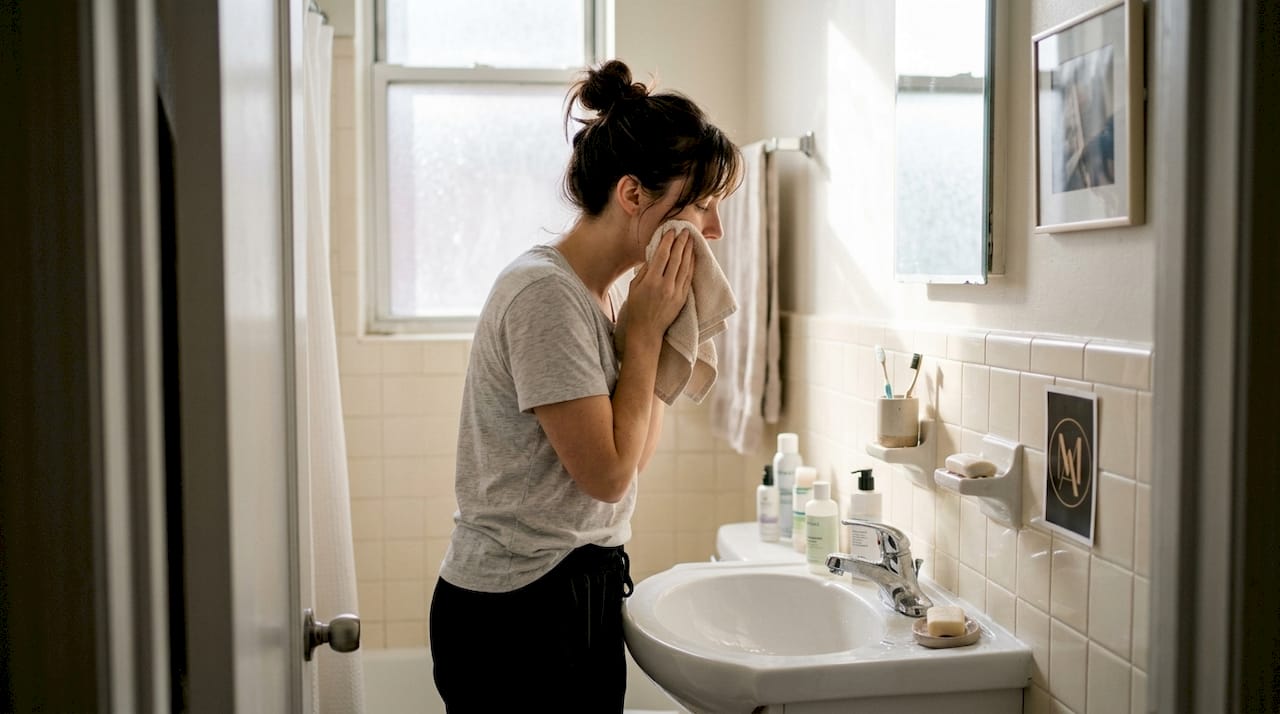
A well-chosen cleanser should remove SPF, make-up and environmental residue without leaving the skin stripped. Cream, lotion or gentle gel cleansers tend to suit this phase better than foaming formulas with a squeaky-clean finish. After cleansing, hydration should come from more than one angle. Humectants such as hyaluronic acid and glycerin help draw water into the skin, while ceramides, cholesterol and fatty acids help hold it there.
This is where a sophisticated moisturiser earns its place. The best formulas for menopausal skin are not simply rich. They are intelligently balanced, replenishing enough to reduce transepidermal water loss without feeling occlusive or congesting breakout-prone areas. If acne is still part of the picture, texture matters just as much as ingredients.
Which ingredients actually help?
The most effective routine for menopausal skin usually combines reparative support with collagen-focused actives. That does not mean every ingredient belongs in every routine.
Retinoids remain one of the most clinically proven options for improving fine lines, uneven tone and loss of firmness. But tolerance often changes during menopause. If a prescription-strength retinoid suddenly feels too much, that does not mean vitamin A is off the table. It may simply mean you need a lower strength, a different delivery system, fewer applications each week or a stronger moisturising buffer.
Peptides are particularly valuable at this stage because they support a firmer, smoother appearance without the irritation profile of stronger resurfacing ingredients. They fit well into luxury regimens because they layer elegantly and complement vitamin A rather than competing with it.
Growth factors and advanced regenerative technologies can also be worthwhile for clients looking for visible rejuvenation with minimal disruption. These formulas tend to appeal to those who want high-performance skincare with a refined, treatment-adjacent finish.
Antioxidants deserve attention too. Vitamin C can brighten dullness and help defend against oxidative stress, but not all vitamin C serums are suitable for hormonally reactive skin. If traditional L-ascorbic acid stings, gentler antioxidant blends or alternative forms may be better tolerated. Menopausal skin often benefits more from consistency than from chasing the strongest possible percentage.
Niacinamide can be excellent for redness, barrier support and uneven tone, although even this well-regarded ingredient can feel overstimulating in very sensitive skin if layered with too many other actives. The answer is not whether an ingredient is universally good or bad. It is whether the formula, concentration and surrounding routine make sense for your skin now.
Best skincare for menopausal skin with dryness, breakouts or pigmentation
One of the more frustrating realities of menopause is that concerns can overlap. Skin may be dry and acne-prone, sensitive and pigmented, or dull yet easily inflamed. This is why generic anti-ageing advice often falls short.
If dryness is the dominant issue, prioritise creamy cleansers, hydrating serums and a lipid-rich moisturiser, then build actives around that core. Overnight masks and nourishing eye treatments can be particularly helpful when the skin around the eyes becomes crepey or make-up starts to sit unevenly.
If breakouts persist, look at the whole formula wardrobe rather than blaming menopause alone. Heavy balms, fragranced oils and overly rich creams can aggravate congestion in some skin types, especially along the chin and jawline. In these cases, a balanced regimen with barrier-respecting hydration and selective use of salicylic acid or retinoids is often more effective than harsh acne products.
If pigmentation has become more pronounced, especially after years of sun exposure or previous melasma, daily SPF is non-negotiable. This is true across all skin tones. Menopausal skin is more vulnerable to looking uneven and lacklustre, and UV exposure will only reinforce that. Brightening support from vitamin C, pigment-regulating ingredients and carefully managed cell turnover can improve clarity, but only if UV protection is consistent.
How to build a high-performance menopausal skincare routine
Morning should focus on protection and hydration. A gentle cleanse, antioxidant support, a moisturiser suited to your barrier needs and broad-spectrum SPF is the baseline. If skin is very dry, layering a hydrating serum beneath moisturiser often improves comfort and finish.
Evening is where correction happens, but not every night needs to be active. A well-curated routine might alternate retinoid nights with recovery nights, especially if sensitivity has increased. That rhythm often produces better long-term results than applying multiple strong products nightly and dealing with inflammation afterwards.
Exfoliation is another area where refinement matters. Menopausal skin can look dull, and the temptation is to exfoliate more often. Usually, less is more. One or two carefully chosen exfoliating steps each week may be enough to improve smoothness and radiance without weakening the barrier.
Devices can also have a place in a premium routine. LED therapy, for example, may support inflammation control and skin quality when used consistently. It is not a substitute for a well-built skincare programme, but it can be a smart addition for those who want to elevate at-home results.
What to avoid when choosing the best skincare for menopausal skin
The first mistake is choosing products based on age-labelled marketing rather than skin behaviour. Menopausal skin does not need vague promises. It needs clinically proven formulas matched to actual concerns.
The second is assuming irritation means a product is working. Persistent stinging, peeling and redness usually signal a compromised barrier, not superior performance. Skin in this phase often rewards a more measured hand.
The third is layering too many actives at once. Retinoids, acids, exfoliating pads, vitamin C and pigment correctors can all be excellent, but not necessarily in the same week, let alone the same evening. Premium skincare should feel edited and intentional.
When professional guidance makes the difference
Because menopausal skin can present with multiple concerns at once, professional curation is often what separates a beautiful routine from an expensive but frustrating one. The right regimen depends on whether your primary issue is collagen loss, sensitivity, hormonal acne, rosacea-prone redness or stubborn discolouration.
This is especially important for deeper skin tones, where inflammation and poorly chosen actives can worsen post-inflammatory hyperpigmentation. It is also important for anyone already investing in physician-dispensed skincare and wanting a regimen that delivers visible change without unnecessary product overlap.
At The M-ethod Aesthetics, this is where expert selection becomes valuable. Menopausal skin does not need trend-led solutions. It needs a refined, results-driven plan built around skin health, tolerance and long-term radiance.
The best skincare for menopausal skin is the routine that respects what your skin is losing while supporting what it can still do beautifully. With the right formulas, this phase does not have to be defined by dullness or discomfort - it can be the point at which your skincare becomes smarter, more elegant and markedly more effective.