





Post-Procedure Skincare – Safeguarding Your Results
Choosing the right post-procedure skincare feels daunting when every decision impacts not only your investment but your long-term skin health. For many seeking premium results after an aesthetic procedure, finding solutions that truly support healing and protect your outcome is non-negotiable. Backed by expert recommendations, “evidence-based post-procedure protocols” reduce inflammation, prevent infection, and speed up recovery, ensuring your results are not just impressive but lasting. Discover how bespoke guidance and superior formulations turn this critical healing window into your advantage.
Table of Contents
- Defining Post-Procedure Skincare Basics
- Types Of Procedures And Tailored Routines
- Key Ingredients For Optimal Healing
- Risks, Mistakes, And Barriers To Results
- Premium Products Versus Standard Options
Key Takeaways
| Point | Details |
|---|---|
| Post-procedure care is essential | Effective skincare after aesthetic treatments is crucial for optimal results and long-term benefits. |
| Use specialised products | Regular skincare products are inadequate; rely on clinical-grade formulations that promote healing and prevent complications. |
| Personalised routines are key | Individual skin type and treatment specifics dictate the best aftercare strategies, tailoring protocols for effective recovery. |
| Prioritise sun protection | High SPF, broad-spectrum sunscreens are vital during recovery to prevent pigmentation issues and maintain results. |
Defining post-procedure skincare basics
Post-procedure skincare isn’t a luxury afterthought—it’s the foundation that transforms temporary results into lasting improvements. After any aesthetic treatment, your skin enters a critical healing window where the right care determines whether you achieve optimal outcomes or face complications.
Think of post-procedure skincare as the second half of your treatment investment. The procedure itself initiates change, but your aftercare protocol determines whether those changes stick around. This is where science meets discipline.
What post-procedure skincare actually does
Following aesthetic procedures, your skin undergoes controlled trauma designed to stimulate regeneration. Evidence-based post-procedure protocols support this healing process by reducing inflammation, preventing infection, and accelerating collagen production—the biological mechanisms that lock in your results.
Your skin barrier becomes temporarily compromised during treatment. Post-procedure products rebuild this protective layer whilst managing irritation and redness. Without proper support during this window, you risk prolonged downtime and diminished outcomes.
Core components of effective post-procedure care
Proper aftercare addresses three essential functions:
- Barrier repair — Restores your skin’s protective layer after procedural stress
- Inflammation management — Reduces redness, swelling, and discomfort through targeted ingredients
- Sun protection — Shields vulnerable skin from UV damage that compromises healing and accelerates ageing
- Hydration support — Maintains moisture balance whilst your skin rebuilds itself
Most dermatologists recommend that post-procedure skincare includes broad-spectrum sunscreen, specialised cleansing products, and healing ingredients to minimise scarring and downtime across different treatment types.
The timing matters intensely. In the immediate 24–72 hours post-treatment, your skin requires gentle, focused support. After that window, you’ll gradually reintroduce your regular routine whilst maintaining certain protective measures.
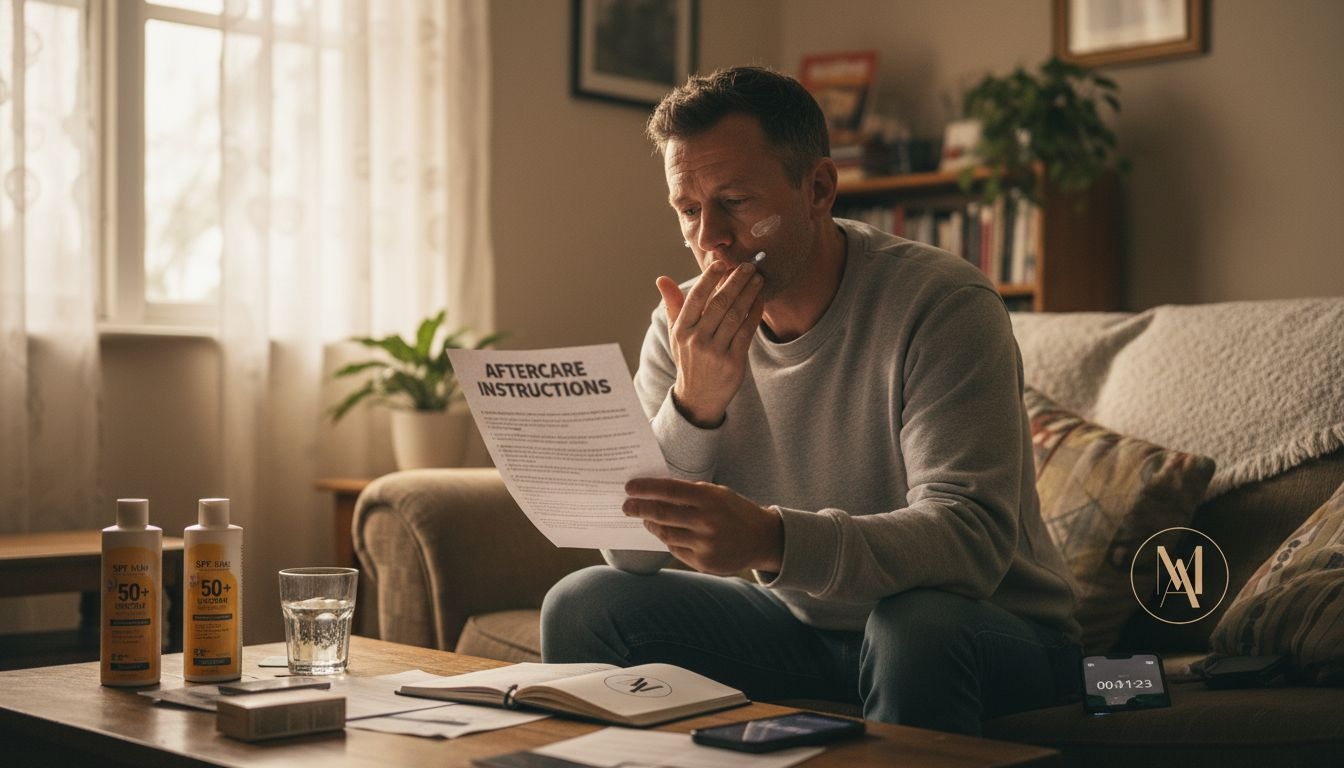
Why generic skincare fails after procedures
Your everyday moisturiser isn’t equipped for post-procedure demands. Standard products lack the anti-inflammatory compounds, growth factors, and barrier-supporting ingredients that accelerated healing requires.
Using the wrong products during this critical period can extend downtime by weeks or trigger adverse reactions that compromise your results. This is where clinical-grade formulations matter.
Post-procedure success depends on matching your aftercare to your specific treatment type and your skin’s unique healing response.
Individual variation in healing
Your age, skin type, procedure intensity, and overall health influence how quickly you heal. Some clients see complete recovery within one week; others need three weeks or longer.
This is why personalised guidance outperforms generic protocols. A clinically designed skincare routine tailored to your specific procedure and skin profile accelerates recovery and maximises longevity of your results.
Pro tip: Document your skin’s day-by-day response to post-procedure care with photos taken in natural light—this helps you and your clinician identify what’s working and adjust products if needed.
Types of procedures and tailored routines
Not all aesthetic procedures create equal demands on your skin. A laser treatment requires fundamentally different aftercare than injectables, which differ from chemical peels. Your post-procedure routine must match your specific treatment because each triggers distinct biological responses.
Understanding your procedure type determines which products you’ll use, how often you’ll cleanse, and when you can resume normal activities. This personalisation is what separates effective recovery from prolonged downtime.
Non-surgical procedures and their aftercare needs
Non-surgical treatments—lasers, peels, injectables, and microneedling—dominate aesthetic practices because they deliver results with minimal downtime. Yet each requires distinct skincare support.
Injectables and polynucleotides create microtrauma at injection sites. Your skin needs gentle cleansing and anti-inflammatory support for 48 hours post-treatment. Avoid high-intensity actives; focus on barrier repair and hydration instead.
Laser treatments cause controlled thermal injury across larger skin areas. These demand aggressive sun protection (SPF 50+), antioxidants, and cooling ingredients during the first week. Redness and mild crusting are normal—don’t exfoliate these away.
Chemical peels deliberately compromise your skin barrier to stimulate regeneration. Post-peel care prioritises barrier restoration, gentle hydration, and strict photoprotection. Depending on peel depth, you may experience visible peeling for 3–7 days.
Microneedling (including SkinPen treatments) creates thousands of controlled punctures to trigger collagen production. Your skin needs serum support rich in growth factors and antioxidants immediately after treatment, plus rigorous sun protection.
Here’s a comparison of post-procedure care requirements for popular aesthetic treatments:
| Procedure Type | Primary Aftercare Needs | Typical Healing Duration | Key Product Focus |
|---|---|---|---|
| Injectables | Gentle cleanse, anti-inflammatory | 2–4 days | Barrier repair, hydration |
| Laser treatments | Aggressive sun protection, cooling | 7–14 days | SPF 50+, antioxidants |
| Chemical peels | Barrier restoration, hydration | 3–7 days | Photoprotection, gentle moisturisers |
| Microneedling | Growth factors, antioxidants | 5–10 days | Serum support, sun protection |
Tailored routines by procedure type
Customised skincare management based on treatment modality ensures optimal healing and results. Your routine should address:
- Cleansing protocol — Gentle, non-irritating cleansers for sensitive post-procedure skin
- Active ingredients — Procedure-appropriate serums, moisturisers, and masks
- Sun protection — Broad-spectrum SPF tailored to your skin phototype and procedure intensity
- Timing of reintroduction — When to safely resume stronger actives like retinoids or vitamin C
Your skin’s individual characteristics matter intensely. Someone with sensitive, reactive skin requires different support than someone with resilient skin. Your clinician should adjust your protocol based on your Fitzpatrick phototype, healing capacity, and any previous adverse reactions.
The photoprotection imperative
This cannot be overstated: post-procedure skin without sun protection fails to heal optimally and risks lasting pigmentation issues. UV exposure during your vulnerable window can trigger hyperpigmentation that persists for months.
High SPF broad-spectrum sunscreen isn’t optional—it’s foundational to protecting your investment and maintaining results long-term.
Your post-procedure routine should evolve week by week, progressively reintroducing stronger products as your skin barrier stabilises.
Pro tip: Request a written post-procedure protocol specific to your treatment at your appointment—this removes guesswork and ensures you’re using the right products at the right time for optimal results.
Key ingredients for optimal healing
Post-procedure recovery succeeds or fails based on which ingredients you apply during those critical first days. Generic moisturisers won’t rebuild a compromised skin barrier or manage the inflammation your procedure triggered. You need clinically active compounds designed specifically for accelerated healing.
The right ingredients work synergistically—some rebuild your barrier, others reduce inflammation, and others stimulate collagen. Together, they transform healing from weeks into days and protect your investment long-term.
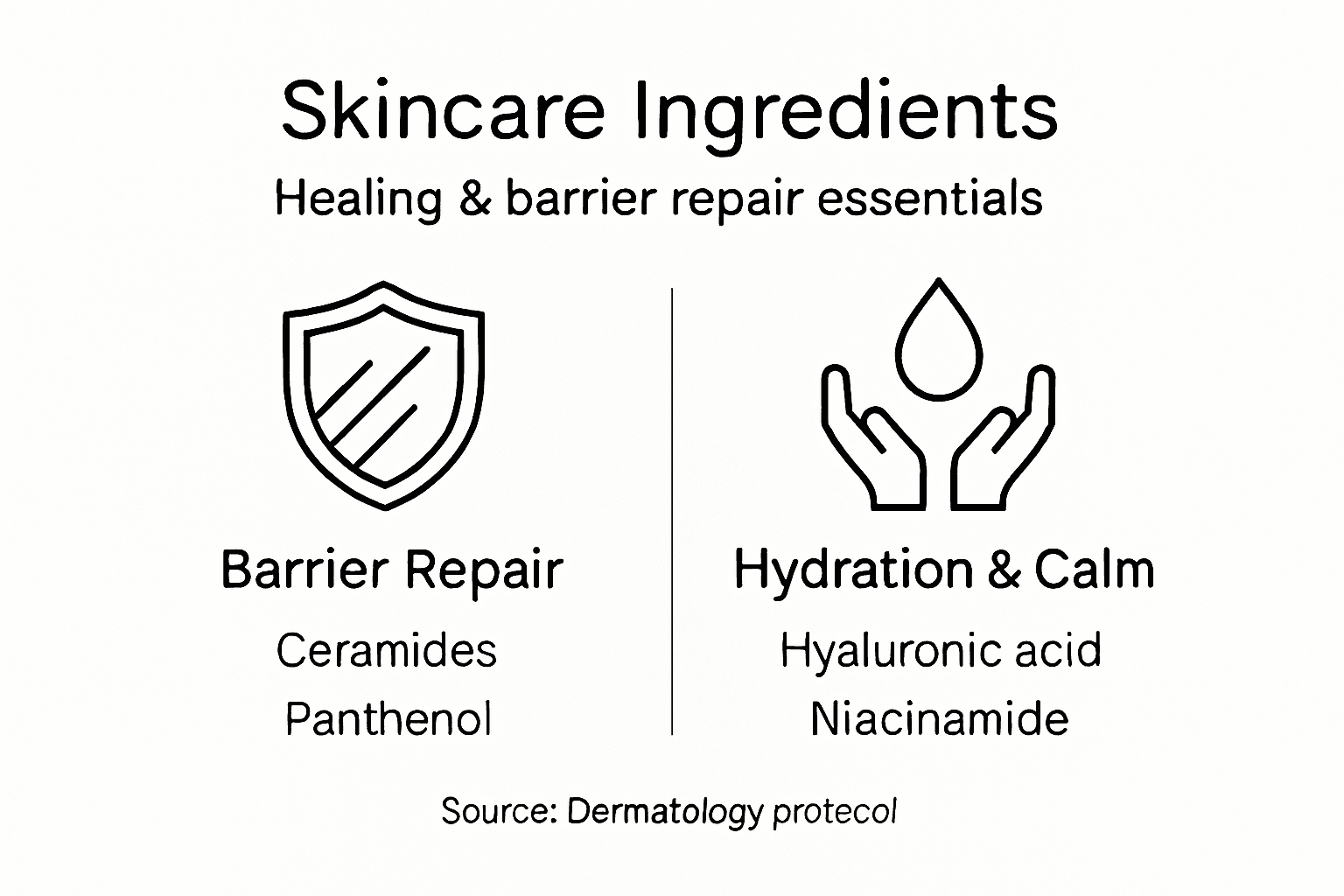
Barrier repair and regeneration
Your skin barrier takes the brunt of procedural stress. It needs targeted support to restore function and prevent complications like irritation or infection.
Panthenol and dexpanthenol deserve top priority in your post-procedure arsenal. Dexpanthenol accelerates re-epithelialisation and restores skin barrier function whilst exhibiting anti-inflammatory effects. Clinical evidence supports its use across all procedure types to enhance regeneration and reduce downtime.
Ceramides and lipids repair your skin’s protective matrix. These molecules fill gaps in your compromised barrier, preventing water loss and supporting faster healing.
Hyaluronic acid maintains hydration without irritating treated skin. Post-procedure skin loses moisture rapidly; HA molecules draw water into your epidermis, supporting the healing process.
To clarify ingredient roles in post-procedure healing, see the quick reference below:
| Ingredient | Primary Function | Ideal Timing |
|---|---|---|
| Dexpanthenol | Accelerates barrier recovery | First 48 hours |
| Ceramides | Restores skin matrix | Early and ongoing |
| Niacinamide | Reduces inflammation, redness | After 72 hours |
| Hyaluronic acid | Maintains hydration | Throughout recovery |
| Growth factors | Boosts regeneration | After barrier stabilises |
Anti-inflammatory and antioxidant support
Procedures trigger inflammation as part of healing. Targeted anti-inflammatory compounds manage this response, reducing redness, swelling, and discomfort whilst accelerating recovery.
- Niacinamide — Calms irritation, strengthens barrier function, reduces redness
- Centella asiatica — Supports collagen synthesis, reduces inflammation, soothes sensitive skin
- Green tea extract — Powerful antioxidant, protects against free radical damage from UV exposure
- Bisabolol — Natural anti-inflammatory, provides soothing relief without irritation
Growth factors and advanced healing technologies
Beyond basic barrier repair, growth factors and cytokines actively accelerate cellular regeneration. These bioactive proteins signal your skin to rebuild faster and more effectively.
Products containing stem cell technology or polynucleotide-derived compounds amplify your skin’s natural healing mechanisms. They stimulate fibroblasts to produce more collagen and elastin, locking in your procedure’s benefits for longer.
The most effective post-procedure formulations layer multiple mechanisms—barrier repair, inflammation management, and growth stimulation—working together to accelerate healing.
Ingredient sequencing matters
Timing determines ingredient efficacy. In the first 48 hours, prioritise barrier repair and soothing compounds. After 72 hours, gradually introduce antioxidants and growth factors.
Don’t overwhelm your skin with too many actives simultaneously. A focused, strategic approach delivers better results than throwing everything at your skin at once.
Pro tip: Ask your clinician which specific ingredients to prioritise during your first week post-procedure—everyone’s healing response differs, and personalised guidance prevents irritation whilst maximising results.
Risks, mistakes, and barriers to results
Even excellent procedures fail when aftercare collapses. The most common reason affluent clients see disappointing results isn’t the treatment itself—it’s what happens (or doesn’t happen) during recovery. Understanding these pitfalls protects your investment.
Some risks stem from your procedure choice. Others emerge from neglected aftercare, environmental exposure, or skin characteristics you may not have considered beforehand. Both are preventable with proper knowledge and discipline.
Procedure-related complications
All aesthetic treatments carry inherent risks. Infection, pigmentary issues, and scarring top the list, with some risks amplified by your skin type.
Darker skin phototypes face elevated risk for hypo- and hyperpigmentation, post-inflammatory hyperpigmentation, and keloid scarring. Mitigating these risks requires vigilant supportive skincare and knowledge of procedural contraindications tailored to your specific skin profile.
This isn’t negligible. Hyperpigmentation can persist for months or years, whilst keloid formation represents permanent scarring. Your clinician must adjust protocols based on your Fitzpatrick phototype and personal healing history.
Infection risk escalates when post-procedure skin lacks proper cleansing and protective support. Compromised barriers invite bacterial colonisation and delayed healing.
Critical aftercare mistakes
These errors derail even well-executed procedures:
- Inconsistent sun protection — UV exposure during healing triggers pigmentation issues and compromises results
- Over-exfoliation — Scrubbing or using harsh actives before your barrier stabilises extends downtime and causes irritation
- Skipping supportive products — Relying on regular skincare instead of clinical-grade formulations delays healing by weeks
- Resuming actives too early — Reintroducing retinoids, vitamin C, or acids before your skin is ready causes burning, peeling, and sensitivity
- Ignoring skin signals — Persistent redness, swelling, or unusual sensitivity warrant clinician contact, not self-treatment
Environmental and lifestyle barriers
Your external environment dramatically influences healing outcomes. High heat, humidity, pollution, and chlorine all stress recovering skin.
Swimming, saunas, and intense exercise heat your skin and introduce bacteria to compromised areas. Most clinicians recommend avoiding these for 48–72 hours post-procedure minimum.
Workplace stress and poor sleep impair collagen synthesis and inflammatory resolution. Your body’s healing capacity diminishes when you’re sleep-deprived or under chronic stress.
Post-procedure complications often result from preventable mistakes—inconsistent sun protection, premature active reintroduction, and environmental exposure top the list.
Skin type considerations
Your natural healing capacity varies. Sensitive skin, rosacea, eczema, and a history of adverse reactions require modified protocols and heightened vigilance.
Don’t assume generic aftercare guidelines work for your skin. Your clinician should assess your individual risk profile and adjust recommendations accordingly.
Pro tip: Document any complications within 24 hours of noticing them and contact your clinician immediately—early intervention prevents minor issues from becoming lasting problems that compromise your results.
Premium products versus standard options
You’ve invested significantly in your procedure. Protecting that investment with budget skincare seems logical until you realise the consequences. Standard products simply lack the concentration, stability, and synergy required for post-procedure recovery.
The difference isn’t marketing—it’s formulation science. Premium, medical-grade products deliver measurable advantages in healing speed, complication prevention, and result longevity that standard alternatives cannot match.
Why standard skincare fails post-procedure
Your everyday moisturiser addresses maintenance, not recovery. It contains generic hydrating ingredients at concentrations designed for normal skin, not compromised, healing skin.
Standard products lack the anti-inflammatory compounds, growth factors, and barrier-supporting concentrations that accelerated healing demands. Using them post-procedure is like treating a wound with regular lotion instead of clinical wound care.
Think about concentration. A premium dexpanthenol serum might contain 10–15% dexpanthenol; a standard moisturiser might contain 2–3%. The difference between these concentrations determines whether you heal in one week or three.
Clinical-grade formulations deliver superior outcomes
Stackable medical-grade skincare routines demonstrate superior safety, tolerability, and efficacy post-procedure compared to standard approaches. Research shows these formulations improve skin hydration, texture, pigmentation, and scar appearance with low irritation incidence.
Medical-grade products are purpose-built for post-procedure environments. They contain:
- Pharmaceutical-grade concentrations of active ingredients, not cosmetic percentages
- Stabilised formulations that maintain potency throughout shelf life
- Synergistic combinations designed to work together, amplifying results
- Rigorous safety testing ensuring compatibility with compromised skin
- Evidence-based formulation informed by clinical research, not marketing trends
Investment protection through premium care
Consider the maths. A £3,500 HIFU treatment deserves aftercare that costs £200–400, not £30. That premium investment protects your main investment.
If standard skincare extends your healing by two weeks, you experience prolonged downtime, delayed results, and increased complication risk. If it triggers a complication requiring corrective treatment, you’ve now spent thousands more.
Medical-grade formulations reduce these risks substantially. Patient satisfaction rises, downtime shortens, and results last longer—measurable returns on aftercare investment.
What makes products “medical-grade”
True medical-grade means several things:
- Available primarily through professional channels, not mass retail
- Formulated to pharmaceutical standards, not cosmetic standards
- Backed by clinical research and safety data
- Designed for specific skin conditions or post-procedure states
- Prescribed or recommended by qualified clinicians
Not all expensive skincare is medical-grade, and premium pricing doesn’t guarantee efficacy. Look for products specifically formulated for post-procedure use, backed by research.
Premium medical-grade skincare isn’t luxury—it’s strategic investment in protecting your procedure results and minimising complications.
Pro tip: Ask your clinician which specific medical-grade products they recommend for your procedure type, then commit to using them consistently for the full recommended period rather than switching to cheaper alternatives mid-recovery.
Elevate Your Post-Procedure Skincare with Expert Support
The article highlights a crucial challenge faced after any aesthetic treatment: safeguarding your results through targeted, clinically proven post-procedure skincare. Many experience prolonged downtime, irritation, or diminished effects due to generic products that lack the right concentration of ingredients such as dexpanthenol, ceramides, and growth factors. It is essential to adopt a personalised, science-driven aftercare routine that manages inflammation, repairs the skin barrier, and provides rigorous sun protection during the healing window.
At The M-ethod, we understand how vital these post-treatment days are for your skin’s recovery and long-term radiance. Our premium selection of dermatologist-recommended, medical-grade formulations and bespoke skincare services are designed to accelerate healing, minimise complications, and protect your investment. Whether you require targeted serums rich in anti-inflammatory compounds, personalised virtual consultations to customise your routine, or exclusive access to advanced treatments like FDA-approved SkinPen microneedling, we provide the expert guidance your skin deserves.
Do not leave your procedure outcome to chance. Discover how tailored post-procedure skincare can transform your healing experience by exploring our premium product range. Take control of your skin’s recovery journey today with personalised advice and scientifically backed solutions to secure lasting results.
Frequently Asked Questions
What is post-procedure skincare, and why is it important?
Post-procedure skincare is the care regimen you follow after aesthetic treatments. It is crucial because it helps to transform temporary results into lasting improvements by facilitating healing, minimising complications, and optimising your treatment outcomes.
What are the essential components of effective post-procedure skincare?
Effective post-procedure skincare should include barrier repair, inflammation management, sun protection, and hydration support. These components work together to restore your skin and maximise the longevity of your results.
Why can’t I use my regular skincare products after a procedure?
Regular skincare products often lack the necessary anti-inflammatory compounds, growth factors, and barrier-supporting ingredients required for accelerated healing. Using standard products can prolong downtime and exacerbate complications.
How do I know which products to use after a specific procedure?
The products you should use depend on the type of procedure you’ve undergone. For example, laser treatments require aggressive sun protection and soothing ingredients, while injectables focus on gentle cleansing and hydration. Personalised guidance from your clinician can help tailor your post-procedure routine.


