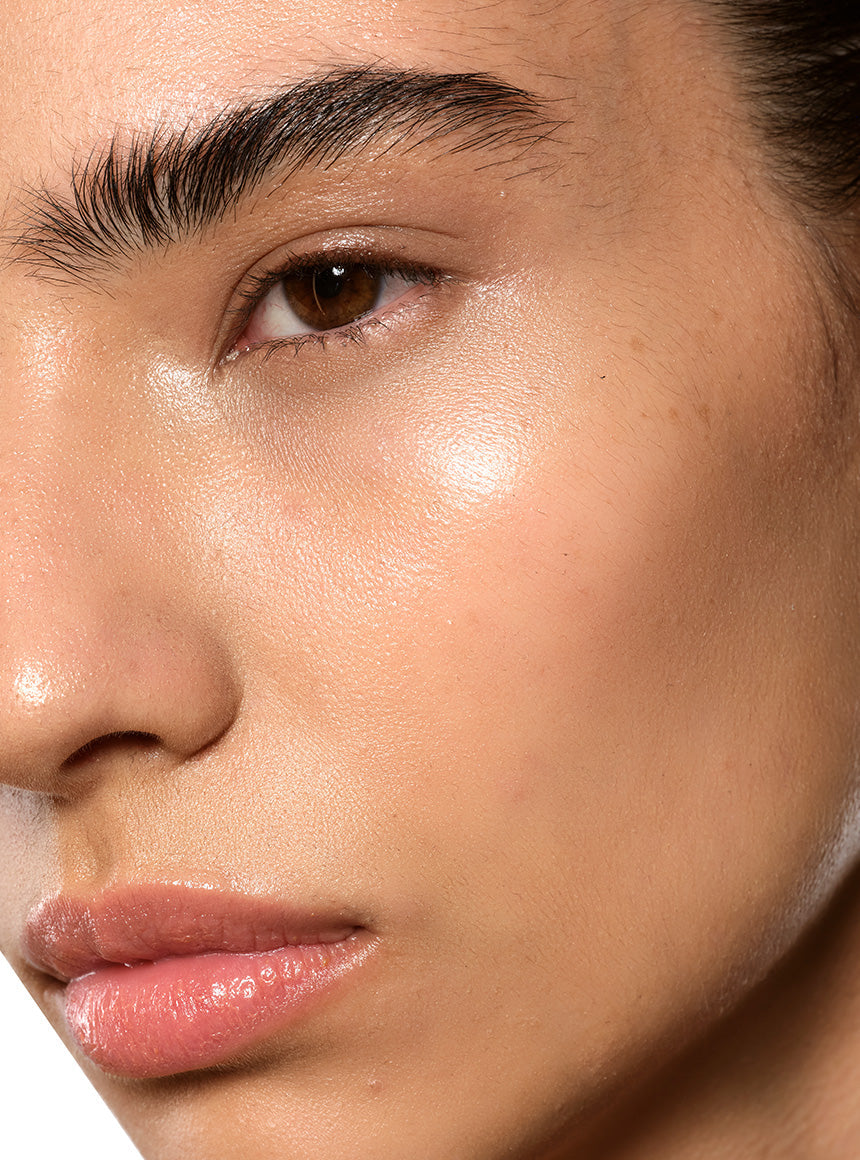





6 Best Practices for Sensitive Skin: Expert Tips and Guidance
Trying to manage sensitive skin often feels overwhelming. The wrong cleanser or moisturiser can turn your daily routine into a cycle of redness, itching, and discomfort. You just want products and habits that keep your skin calm and healthy without triggering irritation. The challenge is knowing exactly which steps make a real difference.
This guide brings you practical advice for building a skincare routine that truly protects sensitive skin. You’ll discover dermatologist-backed methods for choosing gentle cleansers, picking moisturisers that restore your skin barrier, and avoiding hidden irritants. Get ready for actionable tips you can use right away to prevent flare-ups and see visible improvements in your complexion.
Table of Contents
- Choose Gentle, Fragrance-Free Cleansers
- Moisturise Daily with Dermatologist-Approved Products
- Avoid Common Irritants in Skincare Formulations
- Patch Test New Products Before Full Application
- Use Sun Protection Suitable for Sensitive Skin
- Seek Personalised Advice from Clinical Experts
Quick Summary
| Key Message | Explanation |
|---|---|
| 1. Use Gentle Cleansers | Select fragrance-free cleansers to maintain your skin’s protective barrier and reduce irritation. |
| 2. Moisturise Daily | Apply dermatologist-approved moisturisers twice daily to restore hydration and strengthen your skin barrier. |
| 3. Avoid Harmful Ingredients | Steer clear of fragrances, alcohol, and harsh preservatives to minimise sensitivity and irritation risks. |
| 4. Patch Test New Products | Always patch test new skincare products for at least 7–10 days to avoid adverse reactions across your entire face. |
| 5. Seek Expert Guidance | Consult dermatologists for personalised skincare recommendations tailored to your unique sensitivities and needs. |
1. Choose Gentle, Fragrance-Free Cleansers
Your cleanser sets the foundation for your entire skincare routine. For sensitive skin, selecting the right one can mean the difference between a calm, comfortable complexion and one that reacts to every product you introduce.
Why does your cleanser matter so much? Harsh soaps and strong surfactants strip away your skin’s natural oils and disrupt the protective barrier that keeps irritants out and moisture in. When this barrier weakens, your skin becomes more reactive and vulnerable to inflammation.
The fragrance problem goes beyond just smelling nice. Fragrances are common culprits in allergic contact dermatitis and irritant reactions. They’re added to make products feel luxurious, but for sensitive skin, they’re an unnecessary risk.
A gentle, fragrance-free cleanser tested for dermatological tolerance is your best defence against irritation and allergic reactions.
What should you look for when choosing a cleanser? Focus on these essential qualities:
- Fragrance-free formulation (no essential oils, artificial scents, or masking fragrances)
- No harsh dyes or unnecessary additives
- Mild surfactants that cleanse without stripping
- Dermatologist-tested or hypoallergenic labelling
- pH-balanced to match your skin’s natural state
Your cleanser should feel like nothing at all when you use it. Not tight, not squeaky, not stinging. It should simply remove surface dirt and makeup whilst maintaining your skin’s integrity.
One practical step many people overlook: test new cleansers on a small skin area first, especially if your skin is reactive. Apply it to a small patch on your inner arm or behind your ear for two to three days before introducing it to your entire face. This patch test reveals potential reactions before they affect your whole face.
Use your cleanser twice daily, morning and evening. Keep water lukewarm rather than hot, as heat can aggravate sensitivity. Pat your skin dry gently instead of rubbing.
Pro tip: Apply your cleanser with your fingertips using gentle circular motions for 30 to 60 seconds, then rinse thoroughly and follow immediately with a hydrating toner or essence whilst your skin is still slightly damp to lock in moisture.
2. Moisturise Daily with Dermatologist-Approved Products
Moisturising is not a luxury step in sensitive skin care. It’s a necessity that directly impacts how your skin feels, looks, and responds to other products.
When your skin lacks adequate moisture, it becomes tight, reactive, and prone to flare-ups. Dehydrated skin also compromises your protective barrier, making it easier for irritants to penetrate and cause inflammation.
Why daily moisturising matters goes beyond comfort. Your skin naturally loses water throughout the day, especially after cleansing. Without replenishment, your barrier weakens and sensitivity increases.
Dermatologist-approved moisturisers work differently from ordinary lotions. They contain specific ingredients designed to restore barrier function and lock in hydration. The most effective ones include ceramides and petrolatum, which are proven to strengthen your skin’s natural defences.
Emollients and moisturisers approved by dermatologists are essential for managing sensitive and eczema-prone skin whilst preventing dryness and irritation.
What makes a moisturiser suitable for sensitive skin? Look for these qualities:
- Fragrance-free and hypoallergenic formulations
- Ceramides to repair barrier function
- No harsh chemicals or unnecessary additives
- Dermatologist-tested or clinically proven
- Suitable for your skin type (gel, cream, or ointment)
Timing matters as much as product selection. Apply your moisturiser immediately after cleansing, whilst your skin is still slightly damp. This allows your skin to absorb moisture more effectively and seals in hydration.
For sensitive skin, moisturising twice daily is standard practice. Morning applications protect your skin before environmental exposure, whilst evening applications support overnight repair and restoration.
Don’t assume all moisturisers work the same way. Some provide surface hydration, whilst dermatologist-approved options actively repair and strengthen your barrier. This distinction becomes crucial when your skin is reactive or compromised.
Consider your climate and season as well. In winter or dry climates, you may need a richer cream. During warmer months, a lighter gel might feel more comfortable whilst still delivering essential barrier support.
Pro tip: Apply your moisturiser in upward strokes using gentle patting motions, then wait two to three minutes before applying sunscreen or makeup to allow full absorption and prevent pilling.
3. Avoid Common Irritants in Skincare Formulations
Not all skincare ingredients are created equal, especially when your skin is sensitive. What works beautifully for someone else might trigger redness, itching, or burning on your complexion.
The challenge is that irritants hide in products marketed as gentle or natural. You need to know which ingredients to avoid so you can make informed choices when shopping for skincare.
Fragrances are the first culprit. They’re added for scent appeal, but they’re one of the most common triggers for sensitive skin reactions. Both synthetic fragrances and natural essential oils can cause allergic contact dermatitis.
Preservatives like parabens also deserve attention. Whilst they prevent product contamination, they can trigger sensitivity in some people. Many sensitive skin sufferers react to methylparaben or propylparaben specifically.
Common irritants to avoid include sulphates, dyes, alcohol, and lanolin. These ingredients might strip your skin, cause inflammation, or exacerbate existing conditions like eczema.
Avoiding formulations with fragrances, preservatives, harsh surfactants, dyes, and alcohol significantly reduces irritation risk for sensitive skin.
What specific ingredients should you exclude from your routine?
- Fragrances and perfume compounds
- Sulphates and harsh cleansing agents
- Parabens and certain preservatives
- Alcohol denat (denatured alcohol)
- Dyes and artificial colourings
- Lanolin and lanolin derivatives
- Menthol and camphor
- Linalool and other fragrant botanical extracts
Reading ingredient lists becomes your superpower. Look for short, simple ingredient lists with recognisable components. Long lists filled with unfamiliar chemical names often signal higher irritation potential.
Your skin barrier is already compromised if you experience sensitivity. Adding potentially irritating ingredients slows your recovery and may trigger flare-ups that set back your progress by weeks.
Start by removing one potential irritant at a time from your routine. This approach helps you identify which specific ingredients cause problems for your skin, rather than assuming all ingredients cause trouble.
When introducing new products, patch test them on a small area first. This prevents a full-face reaction if an ingredient disagrees with your skin.
Pro tip: Keep a simple list of your known irritants and photograph ingredient labels on your phone so you can quickly cross-reference products before purchasing, saving time and preventing reactive episodes.
4. Patch Test New Products Before Full Application
One reaction to a new product can set your sensitive skin back weeks. Patch testing takes just ten days and prevents painful, visible flare-ups that disrupt your routine and confidence.
Patch testing is simply applying a small amount of product to a discreet skin area and monitoring for adverse reactions over time. It’s your safety net before committing any product to your entire face.
Why this step matters becomes clear once you understand how sensitive skin responds. Your compromised skin barrier reacts faster and more intensely than normal skin. What causes mild irritation for others might trigger severe dermatitis for you.
Dermatologists recommend patch testing before using new skincare products, especially for sensitive skin, by applying the product to a small area twice daily for seven to ten days.
Where should you test your product? Choose a discreet location like the inner arm, behind your ear, or along your jawline. These areas are sensitive enough to show reactions but hidden if redness appears.
Patch testing identifies allergic contact dermatitis and irritation before they affect your entire face, preventing painful flare-ups and setbacks in your skin’s healing journey.
Here’s the proper patch testing process:
- Cleanse a small test area thoroughly
- Apply a small amount of the new product
- Leave it uncovered unless it’s a sunscreen
- Repeat application twice daily for seven to ten days
- Monitor for redness, itching, swelling, or burning
- If no reaction appears, gradually introduce the product to your full routine
What reactions should stop you from using a product? Look for these warning signs:
- Redness or flushing in the test area
- Itching or burning sensations
- Swelling or welts
- Dry patches or peeling
- Any visible irritation or discomfort
Don’t assume a delayed reaction means safety. Some ingredients trigger reactions after several days of use. The full ten day window gives you confidence that the product truly works with your skin.
This process feels tedious when you’re excited about a new product, but it’s genuinely the fastest way to build a routine that works. One bad reaction can cause two weeks of uncomfortable, inflamed skin.
Pro tip: Test only one new product at a time so you can identify exactly which product caused any reaction, ensuring you build your routine safely and methodically.
5. Use Sun Protection Suitable for Sensitive Skin
Sun damage and sensitive skin are a dangerous combination. UV radiation damages your already compromised barrier, triggering inflammation, redness, and accelerated ageing whilst your skin struggles to repair itself.
Not all sunscreens suit sensitive skin. Chemical sunscreens absorb into your skin and convert UV rays into heat, but they contain ingredients that frequently trigger reactions in sensitive complexions.
Physical sunscreens are your best choice. These contain mineral blockers like zinc oxide or titanium dioxide that sit on your skin’s surface and reflect UV rays away. They’re less likely to cause irritation or allergic reactions.
Why does SPF matter? Broad-spectrum sunscreen with SPF 30 or higher protects against both UVA and UVB radiation, preventing sun damage and reducing inflammation triggered by sun exposure.
Your sunscreen must be fragrance-free and hypoallergenic. Fragrances in sunscreen are particularly problematic because the product stays on your skin all day, providing extended contact time for irritants.
Physical sunscreens with zinc oxide or titanium dioxide reflect UV rays with minimal irritation risk, making them essential for sensitive skin protection.
Key features to look for in sensitive skin sunscreen:
- Physical blockers, not chemical absorbers
- Broad-spectrum SPF 30 or higher
- Fragrance-free formulation
- Water-resistant rating of at least 80 minutes
- Hypoallergenic and dermatologist-tested
- No dyes or unnecessary additives
Application matters as much as product choice. You need to apply enough sunscreen to provide adequate protection. Most people use far too little, significantly reducing effectiveness.
Use a generous amount, about one quarter teaspoon for your face and neck. Reapply every two hours, or immediately after swimming or sweating. This consistency maintains protection throughout the day.
Don’t forget layering. Wear UPF-rated clothing and seek shade during peak sun hours between 10am and 4pm. These additional measures reduce your reliance on sunscreen alone and provide comprehensive protection.
For sensitive skin, mineral sunscreen isn’t optional. It’s as essential as your cleanser and moisturiser. Sun damage exacerbates sensitivity, so proactive protection prevents painful flare-ups and long-term skin damage.
Pro tip: Apply sunscreen as the final step in your morning routine, waiting two to three minutes after your moisturiser to allow proper setting, then reapply at lunch and after any water exposure for consistent protection throughout the day.
6. Seek Personalised Advice from Clinical Experts
Your sensitive skin is unique. What works for your friend, your sister, or someone you read about online may not work for you because your triggers, barrier damage, and underlying conditions are entirely your own.
This is where clinical expertise becomes invaluable. Dermatologists and skincare specialists can identify the specific factors causing your sensitivity and recommend solutions tailored directly to your situation.
Generic advice has limits. Online forums and beauty blogs offer general guidance, but they can’t assess your individual skin barrier function, identify hidden triggers, or spot underlying conditions masquerading as simple sensitivity.
Clinical experts use personalised assessment to understand your skin comprehensively. They consider your skin type, medical history, environmental factors, and specific symptoms to build a targeted treatment plan.
Clinical assessment and management of sensitive skin involves identifying causative factors, evaluating barrier function, and recommending evidence-based treatments tailored to your needs.
What can a clinical consultation achieve that self-care cannot?
- Identify underlying dermatological conditions causing sensitivity
- Diagnose allergic contact dermatitis through proper testing
- Recommend prescription-strength treatments if needed
- Create a personalised skincare protocol for your specific situation
- Adjust recommendations as your skin improves or changes
- Monitor progress and prevent complications
Personalised clinical guidance transforms sensitive skin management from guesswork into science-backed, targeted care designed specifically for your complexion’s unique needs.
Virtual consultations make expert access easier than ever. You can connect with dermatologists and skincare specialists from home, discuss your concerns in detail, and receive tailored recommendations without extensive travel or waiting.
During your consultation, be specific about your symptoms. Describe exactly when reactions occur, which products trigger them, and how your skin responds. This information helps specialists pinpoint causes and design effective solutions.
Bring your current skincare products to your consultation, either physically or via photographs of ingredient lists. Experts can identify problematic components and suggest suitable alternatives.
Remember that professional guidance isn’t a one-time event. As your skin heals and strengthens, your needs change. Regular check-ins with your clinician ensure your routine evolves appropriately.
Investing in professional guidance saves money long-term by preventing expensive mistakes and unnecessary product purchases. More importantly, it accelerates your path to calm, comfortable, healthy skin.
Pro tip: Before your consultation, photograph your skin in natural light, note your symptom patterns in a simple diary, and list all products you’ve tried with your reactions to each, giving your clinician comprehensive information for accurate assessment.
Below is a comprehensive table summarising the main strategies and considerations for sensitive skin care as discussed throughout the article.
| Topic | Key Points | Recommendations |
|---|---|---|
| Choosing Cleansers | Avoid harsh irritants like fragrances or strong surfactants. Ensure a mild, pH-balanced formula. | Select dermatologist-tested, fragrance-free cleansers. Perform a patch test before use. |
| Daily Moisturisation | Crucial for maintaining barrier function and hydration. | Use products featuring ceramides, fragrance-free formulations, and suitable textures (gel/cream). |
| Avoiding Common Irritants | Certain ingredients trigger sensitivities in some individuals. | Check for and exclude fragrances, alcohol, sulphates, and lanolin in formulations. |
| Patch Testing Products | Prevents adverse reactions by assessing skin compatibility. | Apply on a discrete area (inner arm or behind ear) over 7–10 days before full application. |
| Sun Protection | Vital to avoid UV-triggered inflammation and barrier damage. | Use fragrance-free, mineral-based sunscreens with SPF 30+. Reapply as directed. |
| Seeking Clinical Advice | Personalised skin expertise benefits from professional evaluations. | Consult dermatologists to devise tailored skin care plans and monitor progress. |
This table distils the essentials of an informed sensitive skin care routine for improved skin health and comfort.
Elevate Your Sensitive Skin Care with Expert Solutions
Managing sensitive skin requires more than just avoiding irritants and patch testing. The article highlights key challenges such as compromised skin barriers, choosing fragrance-free products, and the necessity of tailored routines to prevent flare-ups. If you struggle with redness, dryness, or unpredictable reactions despite careful product selection, it is time to access personalised, clinically backed solutions designed specifically for sensitive skin.
At The M-ethod, we specialise in premium, dermatologist-recommended skincare and advanced treatments that prioritise skin barrier repair and hydration without irritation. Benefit from our exclusive range of prescription-strength moisturisers and gentle cleansers, alongside expert virtual consultations that help identify your unique skin triggers. Take control of your skin health today by exploring our comprehensive skincare services and discover how bespoke protocols and high-quality products can transform your sensitive skin journey.
Start your path to calm, resilient skin now with trusted guidance and clinically proven products available only at The M-ethod.
Frequently Asked Questions
What cleanser should I use for sensitive skin?
To care for sensitive skin, choose a gentle, fragrance-free cleanser without harsh surfactants. Look for a product that is dermatologist-tested and pH-balanced to maintain your skin’s integrity. Test new cleansers on a small area first for safety.
How often should I moisturise sensitive skin?
You should moisturise sensitive skin twice daily, once in the morning and once in the evening. Apply your moisturiser immediately after cleansing, while your skin is still slightly damp, to lock in hydration effectively.
How can I identify irritants in my skincare products?
Read ingredient labels carefully to identify potential irritants, focusing on avoiding common components like fragrances, parabens, and sulphates. Create a simple list of known irritants and cross-reference this with new products before use to minimise risks of reactions.
What is the proper way to patch test new products?
Patch test new skincare products by applying a small amount to a discreet area of skin, such as the inner arm, for seven to ten days. Monitor for any signs of irritation, like redness or itching, before introducing the product to your full skincare routine.
Why is sun protection important for sensitive skin?
Sun protection is crucial for sensitive skin since UV damage can exacerbate inflammation and compromise your skin’s barrier. Use a broad-spectrum physical sunscreen with SPF 30 or higher to safeguard against harmful rays while minimising irritation risk.
When should I consult a dermatologist for sensitive skin issues?
If you experience consistent sensitivity or adverse reactions to products, seek personalised advice from a dermatologist. A professional can assess your skin and recommend tailored treatments to address your unique concerns effectively.