
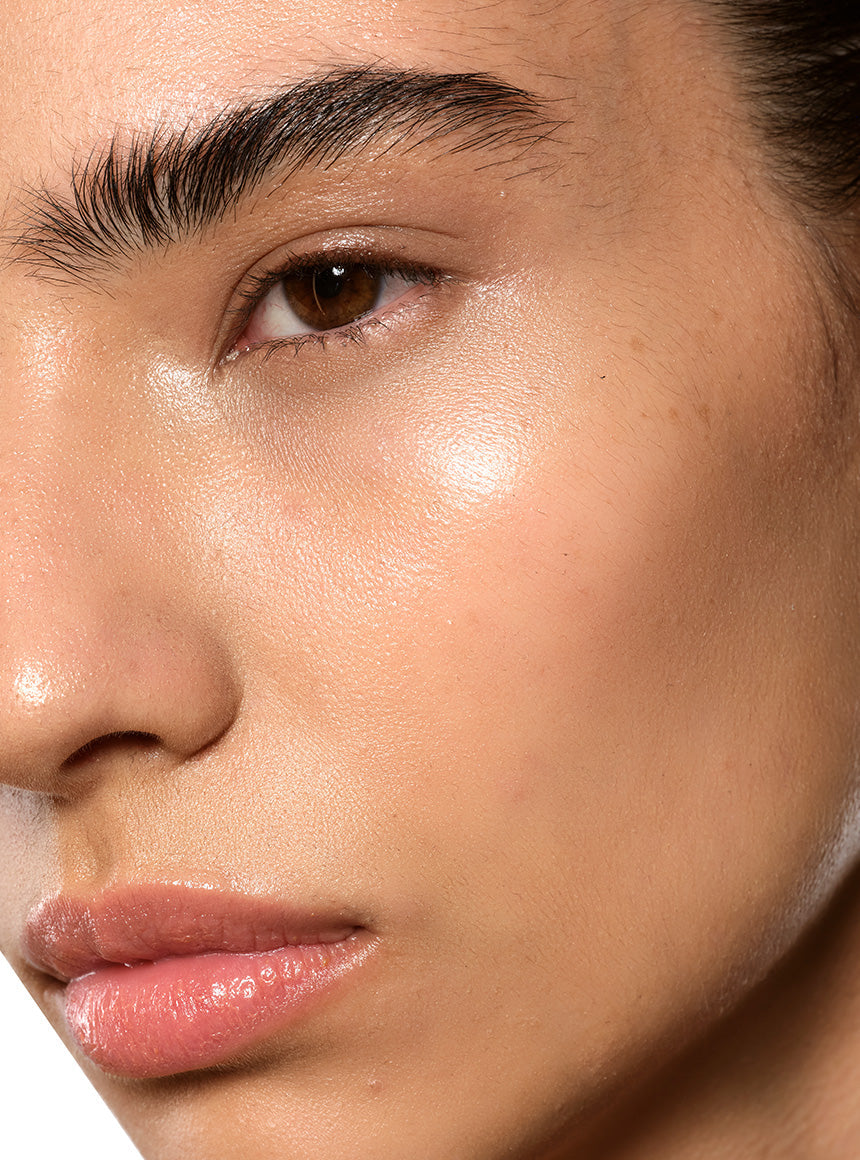





Top dermatologist approved skincare for pigment & acne
Selecting effective skincare products for pigmentation, acne, and ageing feels overwhelming when faced with countless options promising transformative results. The difference between marketing hype and genuine clinical efficacy often lies in dermatologist approval, which signals rigorous testing and proven outcomes. This article guides you through the essential criteria for identifying trustworthy dermatologist-approved products and presents evidence-based recommendations for addressing your specific skin concerns, from stubborn dark spots to persistent breakouts and visible signs of ageing.
Table of Contents
- Key takeaways
- Key criteria to identify dermatologist-approved skincare products
- Effective dermatologist-approved products for pigmentation and anti-ageing
- Dermatologist-approved treatments for acne and pigmentation
- Comparison of dermatologist-approved skincare products for pigmentation, acne and ageing
- Find dermatologist-approved skincare products at The M-ethod
- What products do dermatologists recommend for pigmentation?
- Are retinoids effective for acne and pigmentation?
- How important is sunscreen in dermatologist-approved skincare?
Key Takeaways
| Point | Details |
|---|---|
| Dermatologist approved | Dermatologist approved products undergo rigorous testing and rely on peer reviewed evidence rather than consumer testimonials. |
| Evidence based formulations | Look for clinical efficacy demonstrated in randomised controlled trials or large cohort studies rather than internal marketing data. |
| Broad spectrum SPF | The Skin Cancer Foundation Seal requires SPF 30 plus a critical wavelength of 373 nm, and anti ageing or pigmentation products should aim for mineral broad spectrum SPF 50 as a baseline. |
| Combination therapies | Combination regimens targeting different pathways often yield superior results with lower concentrations of each active ingredient. |
| Titrate active ingredients | Start with lower concentrations and gradually increase strength to build tolerance and minimise irritation. |
Key criteria to identify dermatologist-approved skincare products
Understanding what separates dermatologist-approved products from standard cosmetics empowers you to make informed choices. These products undergo rigorous evaluation and demonstrate clinical efficacy through controlled studies, not just consumer testimonials.
The Skin Cancer Foundation Seal requires SPF 30+ and critical wavelength 373nm for broad protection, establishing a baseline standard for sun defence. This certification ensures products protect against both UVA rays that cause premature ageing and UVB rays responsible for burning. When selecting anti-ageing or pigmentation treatments, verify they include mineral broad spectrum SPF 50 protection as your foundation.
Clinical efficacy demonstrated through randomised controlled trials or large cohort studies distinguishes medical-grade products from cosmetic alternatives. Look for products citing peer-reviewed research rather than internal company studies alone. Active ingredients backed by dermatological consensus include glycolic acid for exfoliation and pigmentation reduction, adapalene for acne and post-inflammatory hyperpigmentation, thiamidol for melanin inhibition, and benzoyl peroxide for bacterial control.
Combination regimens often deliver superior results compared to single-agent treatments whilst reducing potential side effects through lower concentrations of each active. Dermatologists increasingly favour multi-component formulations that target different pathways simultaneously. Products bearing specialist body endorsements carry greater credibility because independent organisations verify their safety profiles and performance claims.
Pro Tip: Start with lower concentrations of active ingredients and gradually increase strength to build tolerance, minimising irritation whilst achieving clinical benefits.
Effective dermatologist-approved products for pigmentation and anti-ageing
Targeting hyperpigmentation and visible ageing requires products with proven lightening agents and protective barriers. Evidence-based formulations combine exfoliating acids, melanin inhibitors, and comprehensive sun protection for optimal results.
La Roche-Posay Glycolic B5 and Toleriane SPF moisturiser improve dark spots through complementary mechanisms. The Glycolic B5 Dark Spot Corrector uses glycolic acid at effective concentrations to accelerate cell turnover, revealing fresher skin and reducing pigmented lesions. Paired with Toleriane Double Repair UV SPF Moisturiser, this regimen provides daily broad-spectrum protection preventing further photodamage whilst the glycolic acid works to fade existing spots.
Thiamidol-based regimen with SPF significantly improves facial hyperpigmentation versus SPF alone in controlled trials. Thiamidol cream at 0.2% concentration demonstrates superior lightening and radiance enhancement compared to sunscreen monotherapy, offering a gentler alternative to traditional hydroquinone. This patented ingredient inhibits tyrosinase, the enzyme responsible for melanin production, without the rebound hyperpigmentation risks associated with hydroquinone.
Hydroquinone remains effective for stubborn melasma but carries drawbacks including potential ochronosis with prolonged use and rebound darkening upon discontinuation. Alternatives like thiamidol and cysteamine offer gentler long-term solutions with comparable efficacy and better safety profiles. For comprehensive pigmentation management, consider professional pigment solution CALECIM alongside your daily regimen for intensive treatment periods.
Daily broad-spectrum SPF remains the single most crucial anti-ageing step endorsed by dermatologists worldwide. UV exposure drives 80% of visible facial ageing, making sun protection more impactful than any corrective serum. Understanding hydroquinone treatment for melasma helps you weigh prescription options against newer alternatives.
Pro Tip: Apply pigmentation treatments at night when skin repair mechanisms are most active, and never skip morning SPF application, even on cloudy days or when staying indoors near windows.
Dermatologist-approved treatments for acne and pigmentation
Acne treatments that simultaneously address post-inflammatory hyperpigmentation deliver dual benefits, making them particularly valuable for those struggling with both active breakouts and residual dark marks. Evidence supports specific combinations that outperform single agents.
Differin gel (adapalene 0.1%) is OTC retinoid approved for acne and pigmentation improvement. This topical retinoid normalises follicular keratinisation to prevent comedone formation whilst promoting cell turnover that fades post-acne marks. As an over-the-counter option, it provides prescription-strength efficacy without requiring a doctor’s visit, making it accessible for consistent long-term use.
CAB gel reduces acne lesions, scarring, and post-inflammatory hyperpigmentation with 68% success at 24 weeks. The clindamycin, adapalene, and benzoyl peroxide combination targets multiple acne pathways simultaneously: antibacterial action, retinoid normalisation of skin cell turnover, and oxidative bacterial destruction. This triple-threat approach delivers superior outcomes compared to monotherapy whilst the adapalene component actively fades pigmentation.
Combination therapies consistently outperform single agents in head-to-head clinical trials, providing more comprehensive skin benefits with lower individual active concentrations. This strategy reduces irritation potential whilst maximising therapeutic impact. Multi-step regimens support lasting improvements because they address acne’s multifactorial nature: excess sebum, bacterial proliferation, inflammation, and abnormal keratinisation.
| Treatment | Active ingredients | Clinical outcomes | Best for |
|---|---|---|---|
| Differin Gel | Adapalene 0.1% | Reduces comedones and inflammatory lesions; fades post-acne marks | Mild to moderate acne with pigmentation |
| CAB Gel | Clindamycin 1.2%, Adapalene 0.15%, Benzoyl peroxide 3.1% | 68% reduction in lesions, scarring, and hyperpigmentation at 24 weeks | Moderate to severe acne with scarring |
| PCA Clearskin | Niacinamide, azelaic acid, salicylic acid | Controls breakouts whilst evening skin tone | Acne-prone skin with uneven texture |
| Retinol Complete 0.5 | Retinol 0.5%, peptides, hyaluronic acid | Improves acne and reduces fine lines | Combination concerns: acne and ageing |
For targeted acne management, PCA Clearskin acne treatment serum combines multiple actives in a single step. Understanding why multi-step skincare regimens deliver superior results helps you commit to consistent application. Consider Revision Skincare Retinol Complete 0.5 when addressing both acne and early ageing signs simultaneously.
Pro Tip: Introduce retinoids slowly, starting with twice-weekly application and gradually increasing frequency as your skin builds tolerance to minimise the adjustment period’s dryness and flaking.
Comparison of dermatologist-approved skincare products for pigmentation, acne and ageing
Comparing key dermatologist-approved products across multiple dimensions helps you select formulations aligned with your primary concerns and tolerance levels. This analysis considers active ingredients, clinical evidence, and practical application factors.
| Product | Active ingredients | Approved indications | Clinical efficacy | Best suited for |
|---|---|---|---|---|
| La Roche-Posay Glycolic B5 | Glycolic acid, vitamin B5 | Pigmentation, texture | Visible dark spot reduction in 4 weeks | Pigmentation with sensitive skin |
| Toleriane SPF Moisturiser | Chemical filters, ceramides | UV protection, barrier repair | Broad-spectrum defence prevents further damage | Daily protection for all skin types |
| Thiamidol Cream 0.2% | Thiamidol, licochalcone A | Hyperpigmentation, melasma | Superior to SPF alone in controlled trials | Stubborn pigmentation, hydroquinone alternative |
| Differin Gel | Adapalene 0.1% | Acne, post-acne marks | Reduces lesions and fades pigmentation | Acne with residual dark spots |
| CAB Gel | Clindamycin, adapalene, benzoyl peroxide | Moderate to severe acne | 68% improvement in lesions and scarring | Persistent acne with scarring risk |
Products excel in different areas based on their formulation philosophy and active concentration. La Roche-Posay formulations prioritise gentleness alongside efficacy, making them suitable for reactive skin that cannot tolerate aggressive treatments. Thiamidol represents the newer generation of melanin inhibitors with excellent safety profiles for extended use. The CAB gel delivers maximum impact for severe cases but requires careful introduction due to its potent combination.
Selecting products based on individual skin needs and tolerance prevents the common mistake of choosing the strongest option when a gentler formulation would deliver comparable results with less irritation. Consider your skin’s current condition: compromised barriers benefit from ceramide-rich formulations, whilst resilient skin tolerates higher active concentrations. Combining products for enhanced results requires strategic layering: apply treatments from thinnest to thickest consistency, allowing each layer to absorb before adding the next.
Find dermatologist-approved skincare products at The M-ethod
The M-ethod offers a curated selection of dermatologist-approved skincare addressing pigmentation, acne, and ageing through evidence-based formulations. Our collection features clinically proven products that deliver measurable results, eliminating guesswork from your skincare decisions. PCA Clearskin acne treatment serum combines niacinamide and azelaic acid for comprehensive breakout control, whilst intensive eye therapy NEOSTRATA targets periorbital ageing with patented NeoGlucosamine technology. For daily maintenance, exfoliating wash NEOSTRATA provides gentle glycolic acid exfoliation suitable for all skin types. Expert guidance and personalised regimens ensure you maximise product benefits through proper application and strategic combinations. Access trusted premium products through our secure platform, backed by clinical expertise and international shipping.
What products do dermatologists recommend for pigmentation?
Dermatologists recommend thiamidol-based formulations and glycolic acid treatments for hyperpigmentation because they target melanin production and accelerate cell turnover simultaneously. Thiamidol inhibits tyrosinase enzyme activity, preventing new pigment formation, whilst glycolic acid exfoliates pigmented surface cells. Broad-spectrum sunscreen with minimum SPF 30 remains essential because UV exposure triggers melanocyte activity, undermining treatment progress. Without daily sun protection, even the most potent lightening agents cannot deliver lasting results.
Alternatives to hydroquinone include thiamidol, cysteamine, and azelaic acid, which offer gentler tolerance profiles for long-term use. These ingredients avoid hydroquinone’s rebound hyperpigmentation risk whilst delivering comparable lightening effects over slightly extended timeframes. Understanding hydroquinone treatment for pigmentation helps you weigh prescription options appropriately.
Are retinoids effective for acne and pigmentation?
Retinoids including adapalene effectively treat acne and post-acne pigmentation by normalising follicular keratinisation and promoting cellular turnover. This dual action prevents new comedones whilst fading existing dark marks left by resolved lesions. Clinical studies demonstrate significant improvement in both inflammatory lesions and post-inflammatory hyperpigmentation with consistent retinoid use over 12 to 24 weeks.
OTC retinoids like adapalene 0.1% offer milder effects suitable for beginners building tolerance, whilst prescription-strength tretinoin delivers more aggressive results for stubborn cases. Start with lower concentrations to minimise the adjustment period’s irritation. Retinol Complete 0.5 provides an intermediate strength option combining retinol with supportive peptides for comprehensive benefits.
How important is sunscreen in dermatologist-approved skincare?
Broad-spectrum SPF 30 or higher sunscreen represents the foundational skincare step that dermatologists prioritise above all corrective treatments. SPF is the number one anti-ageing and pigmentation prevention step because UV exposure drives 80% of visible facial ageing and triggers melanocyte activity that worsens hyperpigmentation. Without consistent sun protection, expensive serums and treatments cannot deliver lasting results.
Dermatologists rank sunscreen as more cost-effective than any corrective product because prevention requires less intervention than reversal. Apply broad spectrum SPF 50 every morning as your final skincare step, reapplying every two hours during extended sun exposure. Mineral formulations with zinc oxide and titanium dioxide offer physical UV blocking suitable for sensitive and post-procedure skin.


