





Top clinical skincare tips for effective results in 2026
Choosing effective clinical skincare can feel overwhelming when faced with countless products promising transformative results. Many people struggle to identify which treatments genuinely address concerns like ageing, pigmentation, and acne, often wasting time and money on ineffective solutions. Clinical skincare takes a science-based approach, using proven ingredients and professional guidance to deliver measurable improvements. This article provides expert-backed tips to help you select, use, and maximise clinical skincare for your specific skin needs, ensuring you invest wisely in products that truly work.
Table of Contents
- Key takeaways
- Evaluating your skin and setting goals
- Key active ingredients and formulations to prioritise
- Crafting a consistent clinical skincare routine
- Comparing top clinical skincare products and treatments
- Explore premium clinical skincare products at The M-ethod
- Frequently asked questions
Key Takeaways
| Point | Details |
|---|---|
| Personalised approach | Skincare should be personalised to your skin type and concerns to optimise effectiveness. |
| Active ingredients matter | The effectiveness hinges on scientifically validated active ingredients and careful formulation tailored to your needs. |
| Structured routine | A regular, structured skincare routine maximises clinical results. |
| Professional guidance | Consulting skincare professionals significantly improves adherence and outcomes. |
| Skin evaluation | Regular assessment of your skin type, concerns and progress guides treatment adjustments. |
Evaluating your skin and setting goals
Understanding your skin profile forms the foundation of effective clinical skincare. You need to identify whether your skin is oily, dry, combination, or sensitive, as this determines which formulations work best without causing irritation. Clarify your primary concerns, whether ageing signs like fine lines and loss of firmness, pigmentation issues such as sunspots or melasma, persistent acne, or heightened sensitivity and redness.
Set realistic goals based on what clinical treatments can achieve. Whilst actives like retinoids dramatically improve skin texture and reduce wrinkles over months, no product eliminates deep wrinkles overnight. Professional assessment helps tailor your skincare effectively, with consultation improving adherence and outcomes by 35% compared to self-directed approaches.
Regularly re-evaluate your skin as it changes with seasons, age, and lifestyle factors. What worked brilliantly in your thirties may need adjustment in your forties. Consider these assessment steps:
- Examine your skin in natural light to spot texture changes, pigmentation, and areas of concern
- Note how your skin feels throughout the day, tracking oiliness, tightness, or sensitivity patterns
- Document current concerns with photos to track progress objectively over time
- Identify triggers that worsen your skin, such as stress, diet, or environmental factors
Pro tip: Book a professional skin analysis before investing in clinical products. Dermatologists and trained aestheticians use specialised tools to assess skin layers, moisture levels, and underlying concerns invisible to the naked eye, ensuring your consultation drives skincare success from the start.
Key active ingredients and formulations to prioritise
Clinical skincare’s effectiveness hinges on scientifically validated active ingredients that address specific skin concerns. Retinoids, derivatives of vitamin A, enhance cell turnover and stimulate collagen production, making them gold-standard treatments for reducing fine lines and improving skin texture. They work by accelerating the skin’s natural renewal process, revealing fresher, smoother skin whilst minimising the appearance of wrinkles and enlarged pores.
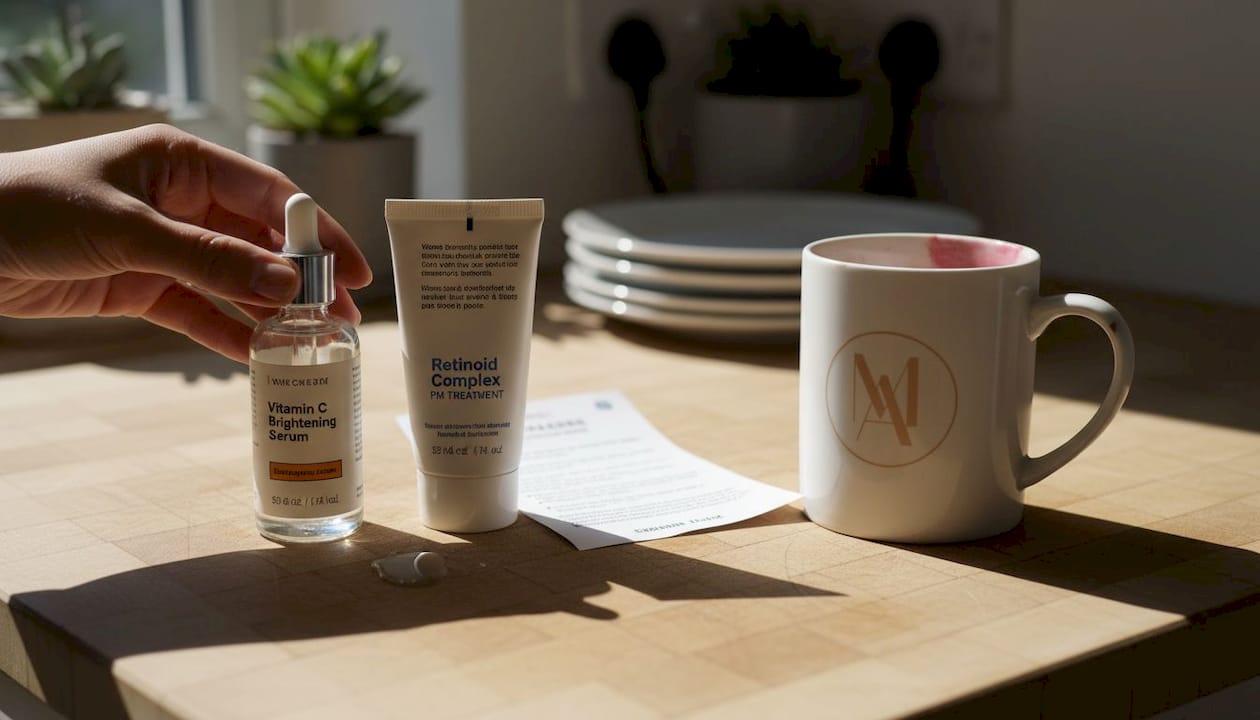
Vitamin C brightens skin and combats pigmentation by inhibiting melanin production and neutralising free radicals that cause premature ageing. This powerful antioxidant also supports collagen synthesis, improving skin firmness. Niacinamide, a form of vitamin B3, strengthens the skin barrier, reduces inflammation, and regulates sebum production, making it suitable for sensitive, acne-prone, and ageing skin alike.
Alpha hydroxy acids (AHAs) like glycolic and lactic acid exfoliate dead surface cells to renew skin texture, fade pigmentation, and improve product absorption. These water-soluble acids work on the skin’s surface, unlike beta hydroxy acids (BHAs) like salicylic acid, which penetrate pores to clear acne. Active compounds like retinoids, vitamin C, niacinamide, and AHAs improve skin health in clinical settings when formulated correctly.
Proper formulation and concentration critically affect ingredient efficacy. A 20% vitamin C serum delivers better results than a 5% version, but stability matters too. L-ascorbic acid requires specific pH levels and packaging to remain potent. Consider these formulation factors:
-
Concentration levels determine strength, with clinical products typically containing higher percentages than cosmetic alternatives
-
pH balance affects ingredient stability and skin penetration, particularly for acids and vitamin C
-
Delivery systems like encapsulation protect sensitive actives and enhance absorption into deeper skin layers
-
Complementary ingredients boost efficacy, such as vitamin E enhancing vitamin C’s antioxidant power
Pro tip: Introduce potent actives gradually to build tolerance. Start with lower concentrations two to three times weekly, then increase frequency as your skin adapts. This prevents irritation whilst allowing you to benefit from clinical skincare trends that deliver proven results.
Crafting a consistent clinical skincare routine
Assembling a strategic routine maximises clinical results by ensuring actives work synergistically without overwhelming your skin. Cleanse gently to prepare the skin, removing makeup, pollutants, and excess oil without stripping natural moisture. Choose pH-balanced cleansers that respect your skin barrier, avoiding harsh sulphates that cause irritation and dryness.
Apply actives strategically in order of thinnest to thickest consistency. Serums containing retinoids, vitamin C, or niacinamide should go on clean, dry skin before heavier products. This layering ensures maximum absorption of concentrated treatments targeting your specific concerns. Use moisturisers to support barrier function and seal in hydration, choosing formulations suited to your skin type.
Incorporate sun protection every morning without exception. UV exposure causes up to 80% of visible facial ageing and triggers pigmentation, undermining clinical treatments. Broad-spectrum SPF 30 or higher protects against both UVA rays that cause ageing and UVB rays that burn skin. Structured routines recommended by dermatologists boost skin clarity and treatment adherence significantly.
Routine consistency proves more important than product quantity. Using actives sporadically yields minimal results compared to regular application that allows ingredients to work cumulatively. Follow this morning and evening structure:
- Cleanse with a gentle, pH-balanced formula suited to your skin type
- Apply toner or essence to balance pH and prep skin for better absorption
- Layer serums from thinnest to thickest, waiting 30 seconds between each
- Apply eye cream to address delicate periorbital concerns like fine lines
- Moisturise to lock in hydration and support the skin barrier
- Finish with SPF in the morning or a richer night cream in the evening
Pro tip: Apply retinoids at night only, as sunlight degrades their effectiveness and increases photosensitivity. Reserve vitamin C for morning routines, where it provides additional antioxidant protection against environmental damage throughout the day.
| Routine step | Morning products | Evening products |
|---|---|---|
| Cleanse | Gentle foaming or gel cleanser | Oil-based or cream cleanser for deeper cleansing |
| Treat | Vitamin C serum, niacinamide | Retinoid, AHA/BHA treatment |
| Moisturise | Lightweight lotion | Richer cream or barrier repair formula |
| Protect | Broad-spectrum SPF 30+ | Overnight mask or targeted treatment |
Comparing top clinical skincare products and treatments
Navigating clinical skincare options becomes easier when comparing evidence-based products tailored to specific concerns. For acne, PCA Clearskin serum combines niacinamide, cucumber extract, and bisabolol to calm inflammation whilst reducing breakouts and post-inflammatory hyperpigmentation. This lightweight formula suits oily and combination skin, absorbing quickly without leaving residue.
For ageing concerns, NEOSTRATA Intensive Eye Therapy targets fine lines, dark circles, and puffiness around delicate eye areas. Its patented NeoGlucosamine and peptide complex strengthens skin whilst reducing visible signs of fatigue. The fragrance-free formula works for sensitive skin, delivering results without irritation.
Exfoliating treatments like NEOSTRATA Exfoliating Wash use polyhydroxy acids (PHAs) to gently resurface skin, improving texture and clarity. PHAs offer similar benefits to AHAs but with reduced irritation, making them suitable for sensitive skin types. This daily cleanser prepares skin for better active ingredient absorption.
| Product | Primary actives | Best for | Key benefits | Considerations |
|---|---|---|---|---|
| PCA Clearskin | Niacinamide, cucumber extract | Acne, oily skin | Reduces inflammation, fades marks | May need additional exfoliation |
| NEOSTRATA Eye Therapy | NeoGlucosamine, peptides | Eye area ageing | Firms, brightens, reduces puffiness | Apply sparingly to avoid milia |
| NEOSTRATA Exfoliating Wash | Polyhydroxy acids | All skin types | Gentle exfoliation, improved texture | Use morning or evening, not both initially |
When selecting clinical products, evaluate these factors:
- Ingredient concentration and formulation quality determine clinical efficacy versus cosmetic-grade alternatives
- Skin compatibility matters, as even proven actives cause reactions if unsuited to your skin type
- Treatment goals should align with product claims, avoiding products that promise unrealistic results
- Budget considerations factor in, as clinical skincare requires consistent use over months for optimal results
Pro tip: Layer products correctly to avoid irritation and ingredient conflicts. Apply water-based serums before oil-based products, and separate potentially irritating actives like retinoids and AHAs by using them on alternate evenings until your skin builds tolerance.
Explore premium clinical skincare products at The M-ethod
The M-ethod curates a premium selection of clinically proven skincare solutions designed to address your specific concerns with professional-grade efficacy. Our range includes targeted treatments for acne, ageing, pigmentation, and sensitivity, featuring brands trusted by dermatologists and aestheticians worldwide. Whether you’re seeking PCA Clearskin for breakout control, NEOSTRATA Intensive Eye Therapy for periorbital rejuvenation, or gentle exfoliating treatments for improved texture, you’ll find expert-approved products that deliver measurable results. Our team provides personalised guidance to help you build effective routines tailored to your skin’s unique needs, ensuring you invest in solutions that truly work.
Frequently asked questions
What is clinical skincare and how is it different?
Clinical skincare uses scientifically proven ingredients at therapeutic concentrations to treat specific skin concerns, backed by dermatological research and professional recommendations. Unlike cosmetic products that primarily provide surface-level hydration and temporary effects, clinical formulations penetrate deeper skin layers to address underlying issues like collagen degradation, melanin overproduction, and cellular damage. These products often require professional guidance for optimal use and may initially cause purging or adjustment periods as skin adapts to potent actives.
How often should I consult a skincare professional for best results?
Regular check-ins help tailor treatments as your skin changes and improve adherence to routines, with consultation driving skincare success significantly. Every three to six months provides a typical benchmark for reassessment, though this varies based on your skin’s needs and treatment intensity. Those using prescription-strength retinoids or treating active acne may benefit from more frequent monitoring, whilst maintenance routines for stable skin require less oversight.
Can clinical skincare products cause irritation and how to avoid it?
Some actives can initially cause irritation, especially with sensitive skin or when introducing multiple potent ingredients simultaneously. Start slowly by patch testing new products on a small area for 48 hours before full-face application. Introduce products one at a time, spacing new additions two weeks apart to identify any triggers. Follow professional guidance from your step-by-step skin routine to adjust application frequency and minimise irritation risk whilst building tolerance to effective actives.
Which clinical skincare product types should I prioritise for ageing concerns?
Focus on retinoids for cell turnover and collagen stimulation, peptides for skin firmness and repair, and antioxidants like vitamin C for brightening and protection against environmental damage. Include moisturisers containing ceramides and hyaluronic acid that support collagen and skin barrier repair. Incorporate targeted eye therapies specifically formulated for delicate periorbital areas prone to early ageing signs. These clinical skincare trends address multiple ageing pathways simultaneously for comprehensive rejuvenation.


