



Artikel: Same Day Tretinoin Prescriptions in the U.S.: Lawful Routes and Safety
Same Day Tretinoin Prescriptions in the U.S.: Lawful Routes and Safety
Tretinoin is prescription-only in the United States, and there is no over-the-counter version at any strength. Most people obtain a valid prescription through a licensed clinician, whether that’s a dermatologist, a primary care doctor, or a legitimate telehealth service. For straightforward acne cases, telehealth is often the fastest legal route, with some services turning intake into an approved prescription within a day or two.
TL;DR:
- Only licensed clinicians can prescribe tretinoin in the U.S., and it requires a thorough screening process for safety, especially regarding pregnancy and skin conditions.
- Telehealth platforms provide a quick, legal way to obtain prescriptions through intake forms, photos, and clinician review, often within a few days.
- Starting with a low concentration like 0.025% and following proper application habits minimizes irritation and enhances results over several weeks.
- Purchasing tretinoin from unverified sources or overseas sellers carries significant risks of contamination, incorrect strength, and lack of medical supervision.
- Follow-up care with a licensed clinician ensures safe management, proper adjustments, and reduces the risk of adverse effects during treatment.
Table of Contents
- Why tretinoin is prescription-only and who regulates it
- Who can prescribe tretinoin and where they practise
- How to get a tretinoin prescription: comparing your routes
- What clinicians check before prescribing (screening checklist)
- Formulations, starting strengths, and safe use
- Cost, dispensing, and what happens after your prescription is issued
- Red flags: unsafe ways people try to get tretinoin
- How Them-ethod supports a lawful path to prescription skincare
- An editorial perspective on getting started safely
- Ready to start tretinoin the right way?
- Where to check the official guidance
- Sources
- FAQ
Why tretinoin is prescription-only and who regulates it
Tretinoin’s status isn’t a marketing quirk. It’s a regulatory decision tied directly to how the drug behaves on skin. The FDA-approved prescribing information for tretinoin gel sets out warnings on local irritation and photosensitivity, and specifies exactly how the product should be applied. That level of detail exists because tretinoin is potent enough to cause real harm if used incorrectly, particularly during pregnancy or alongside other photosensitising treatments.
A clinician’s job is to catch the risks before they become problems. That’s why Walgreens confirms tretinoin requires a prescription at every strength sold in the U.S., with no exceptions for lower concentrations.
Before prescribing, most clinicians consult:
- The drug’s official label or DailyMed entry, for indications and contraindications
- Peer-reviewed dermatology summaries, such as those from Mayo Clinic and the American Academy of Dermatology
- The patient’s own history of skin sensitivity, pregnancy status, and current medications
Who can prescribe tretinoin and where they practise
Several types of licensed clinicians can write a tretinoin prescription, and the choice often comes down to convenience versus complexity of the case.
- Dermatologists, who specialise in skin conditions and handle complicated or treatment-resistant acne
- Primary care physicians (MDs and DOs), who can prescribe for routine cases during a standard visit
- Nurse practitioners (NPs) and physician assistants (PAs), who prescribe within their state’s scope-of-practice rules, often under physician collaboration
- Paediatricians, for younger patients within labelled age ranges
Prescribing authority and telehealth rules vary somewhat by state, so a service licensed to treat patients in one state may not be able to prescribe across all fifty. If your acne is severe, cystic, or scarring, or you’ve tried over-the-counter retinoids without success, a dermatologist is usually the better call than a PCP or a general telehealth platform.
How to get a tretinoin prescription: comparing your routes
The right path depends on how complicated your skin situation is and how much time you want to spend getting there.
- Telehealth. You complete an online intake form, upload photos, and a licensed clinician reviews your case. Legitimate teledermatology platforms send prescriptions to a verified U.S. pharmacy and screen for pregnancy before approving. Turnaround is often same day to a few days.
- Primary care physician. Booking a routine appointment works well for uncomplicated acne, though wait times depend on your provider’s schedule.
- Dermatologist. Expect a longer wait for a first appointment, but a more thorough skin assessment, especially useful for stubborn or unusual presentations.
- Urgent care or walk-in clinics. These play a limited role, useful mainly for simple, low-risk cases when your regular provider isn’t available.
Pro Tip: Photograph your skin in natural daylight before any telehealth consultation. Clear, well-lit images speed up clinician review and reduce the chance of a request for resubmission.
What clinicians check before prescribing (screening checklist)
A proper intake isn’t a formality. It’s the safeguard that separates a legitimate prescription from a risky shortcut.
Clinicians typically screen for:
- Pregnancy and breastfeeding status, since tretinoin carries known risks in pregnancy and providers ask directly, sometimes more than once
- Current medications and topical products, particularly anything photosensitising or already irritating the skin barrier
- Active skin conditions, such as eczema or severe dermatitis, that could make tretinoin unsuitable or require a modified plan
- Age, since tretinoin gel microsphere is labelled for acne in patients 12 years and older, with paediatric use falling outside that range needing specialist input
Clinical trials for tretinoin have historically applied similar age thresholds and acne-severity criteria for enrolment, which is roughly why real-world prescribing follows the same pattern. Skipping this screening is the single biggest difference between a monitored prescription and an unverified purchase.
Formulations, starting strengths, and safe use
Most clinicians start conservatively, often at 0.025%, and increase strength only if your skin tolerates it well after several weeks.
Safe use comes down to a short list of habits:
- Apply at night, after cleansing, once skin is fully dry
- Use a pea-sized amount for the whole face, not per area
- Follow with a moisturiser to offset dryness
- Wear sunscreen every morning, since dermatology guidance flags photosensitivity as a key retinoid risk
- Avoid harsh exfoliants or acids in the same routine while adjusting
Mild peeling, redness, or dryness in the first few weeks is normal. Most people see visible improvement in acne after a few weeks of consistent use, though full results can take longer.
Cost, dispensing, and what happens after your prescription is issued
Once your clinician sends the prescription, you’ll choose between a local retail pharmacy or mail-order dispensing, which usually takes a few extra days but can be cheaper for ongoing refills.
- Local pharmacy: same-day or next-day pickup, useful if you want to start immediately
- Mail-order: slower but often lower cost per fill, especially for maintenance use
- Insurance coverage varies widely. Some Medicaid formularies apply age restrictions and quantity limits on topical tretinoin, and private payers often follow similar caps
- Price depends on brand versus generic, strength, and pharmacy mark-up, so it’s worth asking your pharmacy for a cash price if insurance doesn’t cover it
Red flags: unsafe ways people try to get tretinoin
Skipping the medical route to save time or money carries real risk, and it’s worth knowing what an unsafe source looks like before you’re tempted by one.
- No medical intake or questionnaire of any kind
- Shipping from overseas sellers with no U.S. pharmacy involved
- Prices dramatically below what a legitimate pharmacy charges
- No way to contact a licensed clinician if something goes wrong
Unverified products carry genuine risk around strength, purity, and contamination, since there’s no regulatory check on what’s actually in the tube.
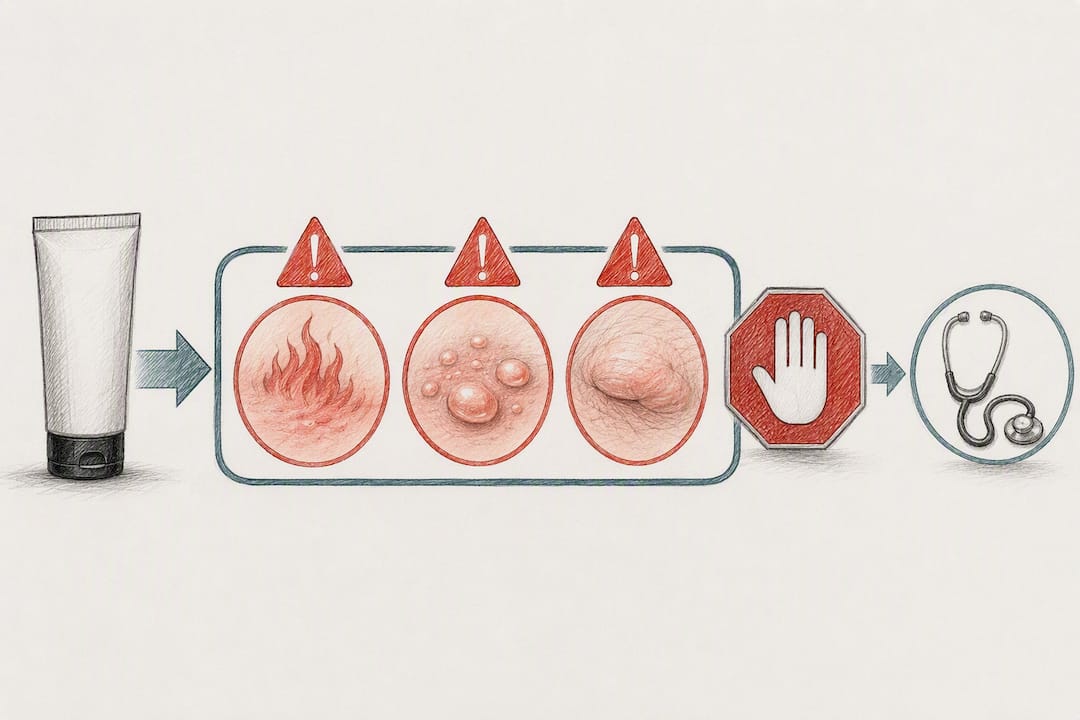
Pro Tip: If you’ve already used an unverified tretinoin product and notice unusual burning, blistering, or swelling, stop immediately and speak with a clinician rather than waiting it out.
How Them-ethod supports a lawful path to prescription skincare
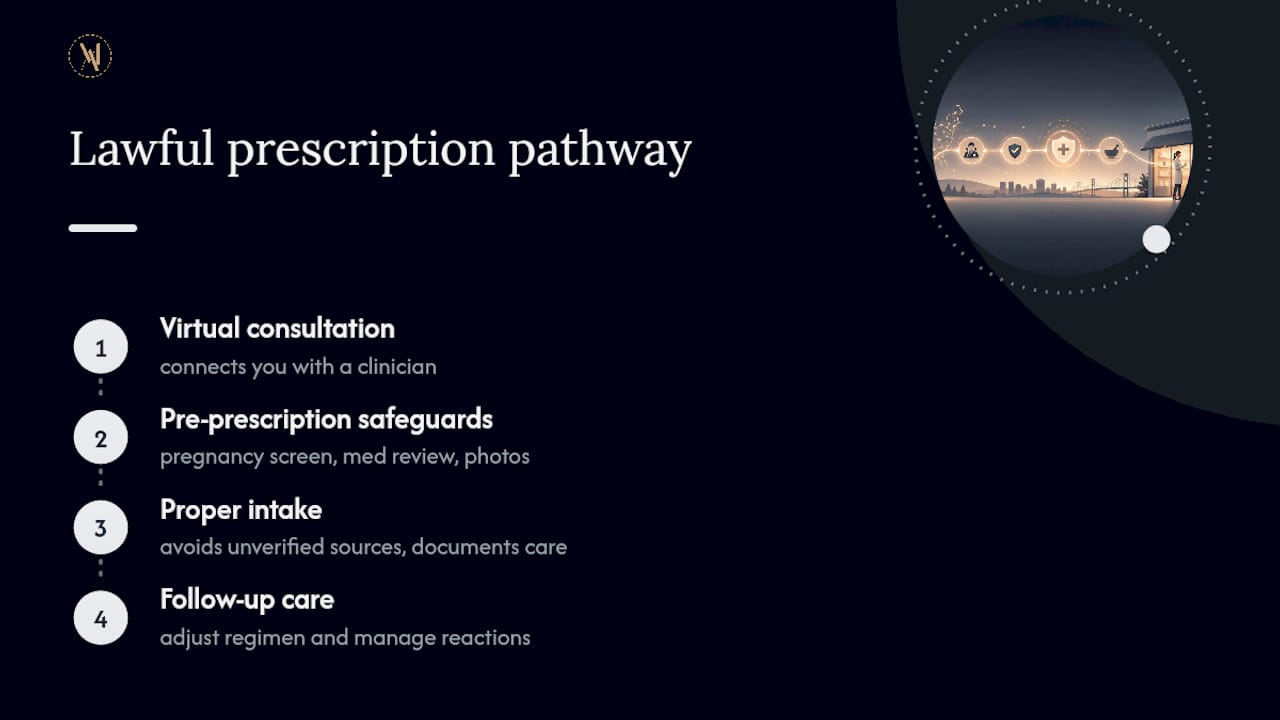
Virtual consultations can connect you with clinicians who follow safeguards such as pregnancy screening, medication review, and photographic skin assessment before prescribing. Follow-up care matters just as much as the initial approval, since tretinoin regimens often need adjusting as your skin adapts. A proper intake process protects you from the guesswork that comes with unverified sources, and it gives you a real clinician to return to if your skin reacts unexpectedly.
An editorial perspective on getting started safely
The biggest mistake people make isn’t choosing the wrong strength. It’s rushing the process to skip the medical intake altogether. Starting low, protecting your skin with moisturiser and sunscreen, and prioritising a proper consultation over a fast purchase will save you months of irritation. A lawful route, including telehealth options like Them-ethod’s, exists precisely because tretinoin rewards patience over speed.
— Jess
Ready to start tretinoin the right way?
A virtual consultation route can offer a clinician-backed alternative to unverified sellers or long dermatology waitlists. Through an intake and photo submission, a clinician reviews your case with screening standards including pregnancy status and current medications before prescribing. More complex cases may be referred to a specialist rather than managed with a standard regimen. While your prescription details are finalised, Them-ethod’s PCA Clearskin acne treatment serum is a useful adjunct for supporting your skin barrier. Book a virtual consultation to find out whether tretinoin is the right fit for your skin, and get a clear next step rather than another dead end.
Where to check the official guidance
- DailyMed: Tretinoin gel (microsphere) prescribing information, for indications, warnings, and dosing
- Mayo Clinic: Tretinoin topical route overview, for patient-facing usage guidance
- Always confirm your specific situation with a licensed clinician before starting or adjusting treatment
This article is general information, not a substitute for advice from a qualified doctor. Consult a qualified healthcare professional about your own circumstances before acting on anything here.
Sources
- DailyMed: Tretinoin gel (microsphere) highlights of prescribing information
- Mayo Clinic: Tretinoin topical route description
- Walgreens: Online topical tretinoin prescription overview
FAQ
Can a regular dermatologist prescribe tretinoin?
Yes. Dermatologists routinely prescribe tretinoin for acne and other approved uses, and they’re the recommended route for severe, cystic, or treatment-resistant cases.
What are the negative effects of using tretinoin?
Common side effects include redness, peeling, dryness, and increased sun sensitivity, especially during the first few weeks of use, which is why dermatology guidance recommends daily sunscreen alongside treatment.
How long does tretinoin take to clear skin?
Most people notice visible improvement in acne after roughly eight to twelve weeks of consistent nightly use, though some cases take longer depending on severity and strength.
What skin conditions does tretinoin treat?
Tretinoin is primarily prescribed for acne, and labelled use covers patients aged 12 and older, with some clinicians also prescribing it off-label for photoageing under specialist supervision.
Do you need a prescription for tretinoin in the U.S.?
Yes, tretinoin is prescription-only at every available strength, and no over-the-counter version exists in the United States.