




Step by step acne treatment guide with medical-grade solutions 2026
Persistent acne affects millions worldwide, leaving many frustrated by trial and error with products that fail to deliver. The key to effective treatment lies in a structured, personalised approach using medical-grade ingredients and professional guidance. This guide walks you through a proven stepwise treatment pathway, from mild topical therapies to advanced clinical interventions, helping you build a tailored routine that addresses your unique skin needs. Whether you’re managing occasional breakouts or severe inflammatory acne, understanding how to combine medical-grade skincare at home with professional treatments creates the foundation for lasting results.
Table of Contents
- Understanding Acne And Preparing For Treatment
- Step 1: Mild Acne Treatment With Topical Therapies
- Step 2 And 3: Moderate To Severe Acne - Combining Oral And Topical Treatments
- Special Considerations: Pregnancy, Skin Of Colour, And Hormonal Acne Management
- Explore Premium Acne Treatment Solutions At The M-ethod
- FAQ
Key takeaways
| Point | Details |
|---|---|
| Stepwise treatment matches severity | Mild acne starts with topicals, moderate adds antibiotics, severe requires isotretinoin or hormonal therapy. |
| Medical-grade ingredients are frontline | Retinoids, benzoyl peroxide, and azelaic acid provide clinically proven results when used consistently. |
| Personalisation improves outcomes | Skin type, pregnancy status, and hormonal factors determine safe, effective ingredient selection. |
| Professional treatments boost results | Chemical peels and energy-based devices accelerate improvement when combined with at-home care. |
| Patience and gradual introduction matter | Most treatments require 4 to 12 weeks to show visible improvement, with slow introduction reducing irritation. |
Understanding acne and preparing for treatment
Acne severity dictates treatment intensity. Mild acne presents as occasional comedones and small papules, moderate acne involves persistent inflammatory lesions across larger areas, and severe acne includes deep cysts, nodules, and scarring risk. Before starting any regimen, assess your skin type, hormonal patterns, and any contraindications such as pregnancy or medication allergies. Skin of colour requires special attention due to increased post-inflammatory hyperpigmentation risk, whilst hormonal acne in women may need targeted therapies beyond topicals.
Proper preparation sets the stage for treatment success. Begin with a gentle cleanser to remove debris without stripping natural oils. Avoid harsh scrubs, alcohol-based toners, and multiple active ingredients simultaneously during the initial phase. Consulting a qualified practitioner such as Dr Mandy ensures your plan addresses your specific concerns safely. Personalisation by severity, skin type, age, sex, and pregnancy status is essential, as starting slowly builds tolerance and reduces side effects.
Expect a realistic timeline. Most medical-grade treatments require 4 to 12 weeks before visible improvement emerges. Introduce new products one at a time, spacing them several days apart to monitor reactions. This gradual approach helps identify any sensitivity whilst allowing your skin to adapt. Quality at-home care forms the foundation, but combining it with in-clinic treatments such as specialised chemical peels and energy-based devices can significantly accelerate results and improve overall skin health.
Pro Tip: Photograph your skin weekly in consistent lighting to track progress objectively, as day to day changes are often too subtle to notice without comparison.
Key preparatory steps include:
- Cleanse twice daily with a gentle, non-foaming formula
- Remove all makeup and sunscreen thoroughly each evening
- Avoid picking or squeezing lesions to prevent scarring
- Patch test new products on a small area for 48 hours
- Schedule a professional skin assessment before starting intensive treatments
Step 1: mild acne treatment with topical therapies
Mild acne responds well to topical medical-grade therapies, making them the logical first line of defence. Stepwise acne treatment starts with retinoids and benzoyl peroxide, both proven to reduce lesions and prevent new breakouts. Adapalene, a third-generation retinoid, offers superior stability compared to tretinoin, meaning it resists oxidation and works effectively alongside benzoyl peroxide. This stability makes adapalene the preferred retinoid for combination therapy, avoiding the degradation issues that plague older formulations.
Benzoyl peroxide kills acne-causing bacteria and reduces inflammation through its antimicrobial properties. Start with a 2.5% to 5% concentration to minimise irritation, applying a thin layer to affected areas once daily, preferably in the evening. Benzoyl peroxide can bleach fabrics, so allow it to dry completely before contact with pillowcases or clothing. Combining it with adapalene creates a powerful duo that addresses multiple acne pathways simultaneously, from unclogging pores to reducing bacterial load.
A typical daily routine for mild acne includes:
- Morning: Gentle cleanser, lightweight moisturiser, broad-spectrum SPF 30 or higher
- Evening: Gentle cleanser, adapalene gel, benzoyl peroxide (or combination product), moisturiser if needed
- Weekly: Azelaic acid or salicylic acid treatment to enhance exfoliation and brighten post-inflammatory marks
For inflammatory lesions, triple combination gels containing clindamycin, adapalene, and benzoyl peroxide deliver impressive outcomes. Research shows 68% treatment success at 24 weeks, with 89% reduction in inflammatory lesions and significant improvement in scarring and pigmentation. This formulation simplifies your routine by combining three active ingredients in one application, improving adherence and reducing the risk of missed steps.
Patience remains critical. You may experience initial dryness, redness, or even a temporary increase in breakouts as your skin adjusts. This purging phase typically resolves within two to four weeks. Persist through this period, using a hydrating moisturiser to support your skin barrier. If irritation becomes severe, reduce application frequency to every other night until tolerance builds. Following a structured step by step skin routine ensures you apply products in the correct order and timing for maximum efficacy.
“Consistency with medical-grade topicals transforms skin over months, not days. Trust the process, support your barrier, and results will follow.”
Pro Tip: Apply adapalene to completely dry skin 20 minutes after cleansing to reduce irritation, as damp skin increases penetration and potential sensitivity.
Step 2 and 3: moderate to severe acne - combining oral and topical treatments
Moderate acne requires escalation beyond topicals alone. Adding a topical antibiotic such as clindamycin to your retinoid and benzoyl peroxide regimen targets bacterial overgrowth more aggressively. For moderate to severe cases, oral doxycycline combined with topical therapies reduces inflammation systemically whilst addressing surface lesions. Treatment protocols add oral doxycycline for moderate-severe acne, with isotretinoin reserved for severe or scarring cases that resist other interventions.
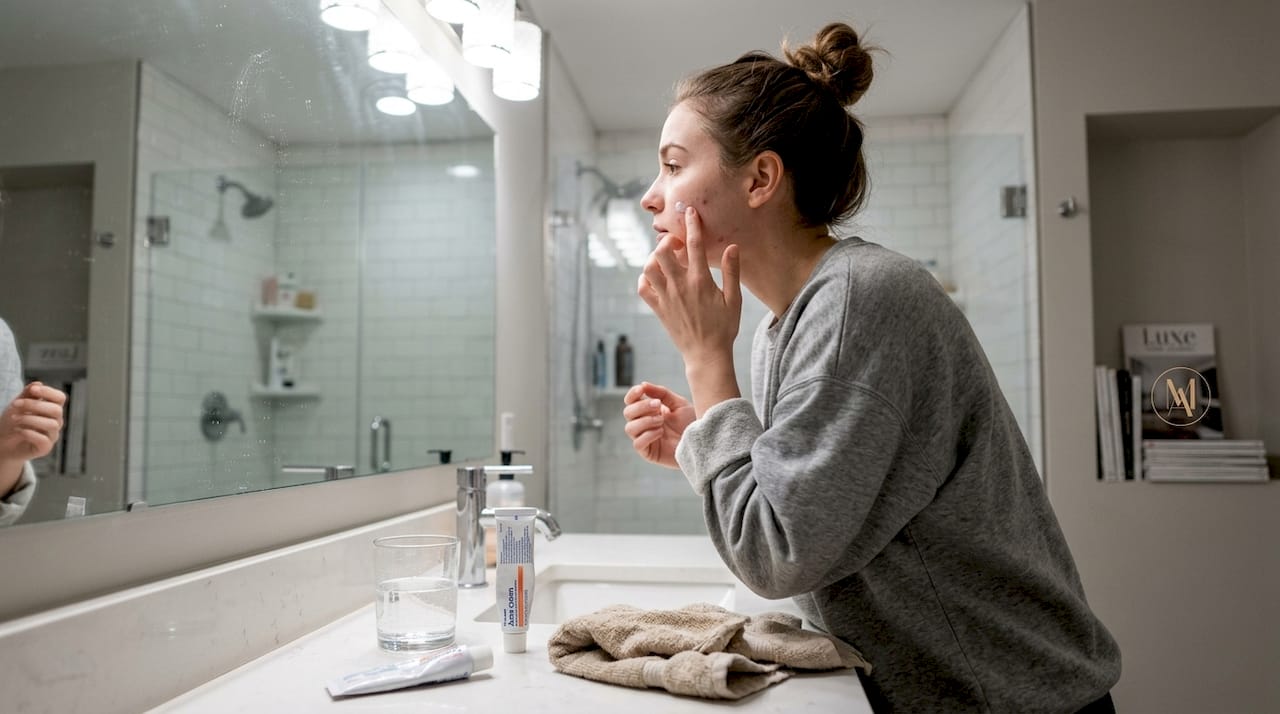
Oral antibiotics work by reducing Cutibacterium acnes populations and dampening inflammatory responses. Doxycycline, typically prescribed at 50 to 100 mg daily, shows excellent efficacy with manageable side effects when combined with topical benzoyl peroxide. This combination approach follows antimicrobial stewardship principles, limiting systemic antibiotic duration to three to six months and always pairing with benzoyl peroxide to prevent bacterial resistance. The American Academy of Family Physicians strongly recommends benzoyl peroxide, retinoids, and doxycycline whilst advising against prolonged systemic antibiotic monotherapy.
Trifarotene, a newer retinoid, combined with doxycycline demonstrates remarkable efficacy in severe acne. Clinical trials show 31.7% success rates versus 15.8% in controls, with approximately 70% total lesion reduction. This combination addresses both inflammatory and non-inflammatory lesions, making it suitable for complex cases with mixed morphology. Trifarotene’s selective receptor binding may offer improved tolerability for some patients, though availability and cost vary by region.
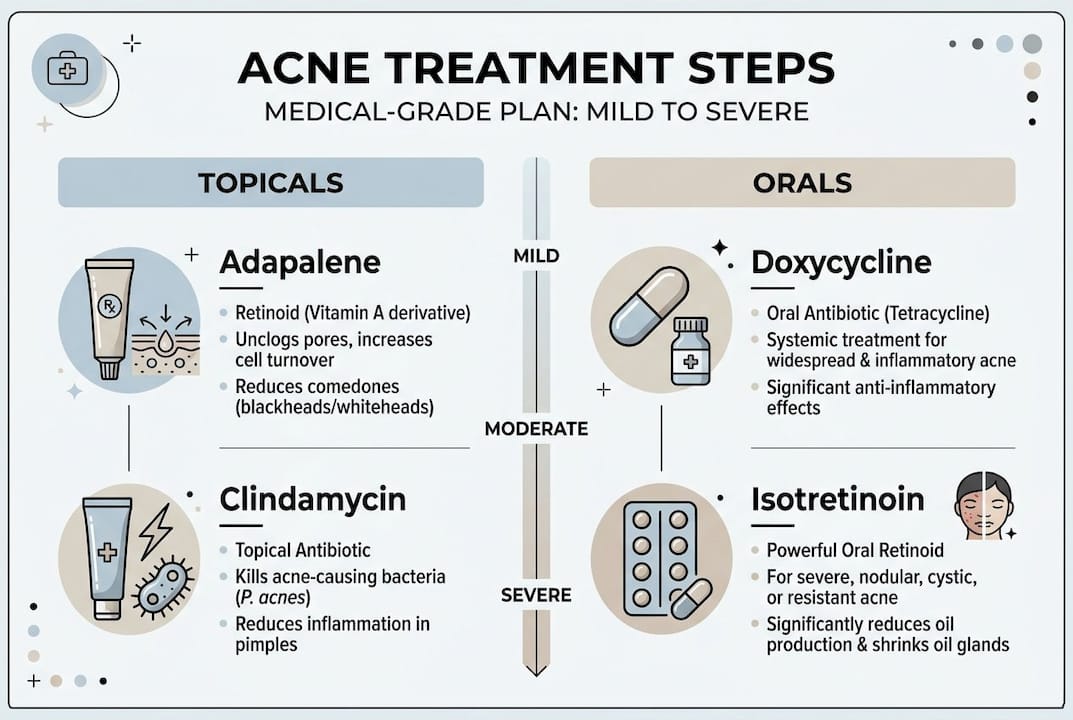
Isotretinoin remains the gold standard for severe, scarring, or treatment-resistant acne. This systemic retinoid reduces sebum production, normalises follicular keratinisation, and provides anti-inflammatory effects. Isotretinoin requires careful monitoring due to potential side effects including dry skin, elevated liver enzymes, and teratogenicity. Pregnancy must be strictly avoided during treatment and for one month afterwards. Despite these considerations, isotretinoin offers the highest cure rates, with many patients experiencing long-term remission after a single course.
| Treatment Step | Severity | Medications | Expected Timeline |
|---|---|---|---|
| Step 1 | Mild | Adapalene + benzoyl peroxide | 8 to 12 weeks |
| Step 2 | Moderate | Topical antibiotic + retinoid + benzoyl peroxide | 10 to 16 weeks |
| Step 3a | Moderate-Severe | Oral doxycycline + topical combination | 12 to 20 weeks |
| Step 3b | Severe/Scarring | Isotretinoin (with or without topicals) | 16 to 24 weeks |
In-clinic treatments complement systemic and topical therapies beautifully. Specialised chemical peels using salicylic acid or glycolic acid penetrate deeper than at-home products, unclogging pores and accelerating cell turnover. Energy-based devices such as laser and light therapies target bacteria and reduce inflammation with minimal downtime. Discussing these options with a qualified practitioner optimises your treatment plan, combining the convenience of daily at-home care with the enhanced efficacy of professional interventions. A well-designed clinically clear skin routine integrates both approaches seamlessly.
Key considerations for moderate to severe acne:
- Always combine oral antibiotics with benzoyl peroxide to prevent resistance
- Limit systemic antibiotic courses to three to six months maximum
- Monitor for side effects including photosensitivity with doxycycline
- Consider isotretinoin early for scarring or treatment-resistant cases
- Maintain topical retinoid therapy during and after oral treatment for maintenance
Special considerations: pregnancy, skin of colour, and hormonal acne management
Pregnancy dramatically alters acne treatment options due to teratogenic risks. Azelaic acid 15 to 20% is the first-line safe option, classified as Category B, meaning animal studies show no risk and human data are reassuring. Benzoyl peroxide is also considered acceptable during pregnancy, though some practitioners prefer limiting use to small areas. Retinoids, oral antibiotics such as doxycycline, and isotretinoin must be strictly avoided due to documented birth defect risks. Pregnant women experiencing acne should consult both their dermatologist and obstetrician to develop a safe, effective plan.
Skin of colour faces unique challenges with acne treatment. Higher risk of post-inflammatory hyperpigmentation and keloid formation requires careful ingredient selection and sun protection. Azelaic acid serves double duty, treating active acne whilst lightening existing dark spots through its tyrosinase-inhibiting properties. Avoid aggressive treatments that trigger inflammation, as this worsens pigmentation. Gentle exfoliation, consistent sun protection, and patience prevent the long-lasting marks that often trouble individuals with darker skin tones more than the acne itself. Our pregnancy-friendly skincare guide and hyperpigmentation treatment options provide detailed ingredient lists and protocols.
Hormonal acne, characterised by deep, painful lesions along the jawline and chin, responds poorly to topicals alone. Women experiencing this pattern benefit from hormonal therapies such as spironolactone, an androgen blocker that reduces sebum production and inflammation. Oral contraceptive pills containing oestrogen and progestin also regulate hormonal fluctuations that trigger breakouts. Clascoterone, a topical androgen receptor inhibitor, offers a localised hormonal treatment option effective regardless of age or sex, providing an alternative for those unable or unwilling to take systemic hormones.
Special population treatment principles:
- Pregnant women: Azelaic acid and benzoyl peroxide only, avoid all retinoids and oral antibiotics
- Skin of colour: Prioritise azelaic acid, gentle retinoids, and rigorous sun protection to prevent PIH
- Hormonal acne: Consider spironolactone, oral contraceptives, or topical clascoterone alongside standard topicals
- Sensitive skin: Start with lower concentrations, increase frequency gradually, and support barrier function with ceramides
Professional guidance becomes even more critical for these populations. A qualified practitioner such as Dr Mandy can navigate contraindications, adjust protocols based on response, and integrate in-clinic treatments safely. Personalised care ensures you receive effective treatment without compromising safety or worsening secondary concerns such as pigmentation.
Explore premium acne treatment solutions at The M-ethod
Transforming your skin requires more than generic drugstore products. The M-ethod offers a curated selection of medical-grade formulations designed to deliver clinical results at home. Our PCA Clearskin acne treatment serum combines multiple active ingredients in one elegant formula, simplifying your routine whilst maximising efficacy. Pair it with the NEOSTRATA exfoliating wash to gently remove dead cells and prepare skin for treatment absorption. For sensitive or reactive skin, the Obagi Nu-Derm gentle cleanser provides thorough cleansing without stripping essential moisture. Every product in our collection undergoes rigorous vetting to ensure it meets the highest standards of safety and performance. Beyond at-home care, our personalised consultations with top clinicians help you build a bespoke treatment plan tailored to your unique needs, combining premium products with professional expertise for optimal outcomes.
FAQ
How long does it take to see visible results from acne treatment?
Most medical-grade treatments require 4 to 12 weeks before noticeable improvement appears, depending on severity and product type. Retinoids often show initial results around week 8, whilst combination therapies may work faster. Consistency is essential, as skipping applications or switching products too quickly prevents your skin from adapting and responding. Patience during the adjustment period, including potential purging, leads to the best long-term outcomes.
Can I use benzoyl peroxide and retinoids together safely?
Yes, but ingredient pairing matters. Never combine benzoyl peroxide with tretinoin simultaneously, as benzoyl peroxide oxidises and degrades tretinoin, reducing efficacy. Adapalene offers superior stability and works effectively alongside benzoyl peroxide without degradation. Apply both in the same routine, either layered or as a combination product, for synergistic benefits. This pairing addresses multiple acne pathways, from unclogging pores to killing bacteria.
What treatments are safe to use during pregnancy?
Azelaic acid 15 to 20% is the safest first-line option during pregnancy, classified as Category B with reassuring safety data. Benzoyl peroxide is generally considered acceptable, though some practitioners recommend limiting use. All retinoids, oral antibiotics such as doxycycline, and isotretinoin must be avoided due to teratogenic risks. Always consult your dermatologist and obstetrician before starting or continuing any acne treatment during pregnancy. Our pregnancy-friendly skincare guide provides comprehensive ingredient lists and safe alternatives.
How can I reduce the risk of post-inflammatory hyperpigmentation after acne?
Azelaic acid lightens existing PIH whilst treating active acne, making it ideal for skin of colour. Rigorous sun protection with broad-spectrum SPF 30 or higher prevents darkening of healing lesions. Avoid picking or squeezing spots, as trauma worsens pigmentation and scarring risk. Gentle treatments that minimise inflammation, combined with consistent barrier support, protect against long-lasting marks. Personalised care from a qualified practitioner ensures your regimen addresses both active acne and pigmentation concerns simultaneously. Explore our hyperpigmentation treatment options for detailed protocols and product recommendations.