



The role of exfoliation in anti-aging skincare
TL;DR:
- Exfoliation boosts skin cell renewal, reduces dullness, and enhances absorption of anti-aging actives.
- Using chemical exfoliants like glycolic or lactic acid carefully, one to three times weekly, supports mature skin’s health.
If you have noticed your skin looking duller, feeling rougher, or absorbing serums less effectively than it used to, the cause is likely cellular. As we age, the natural rate of skin cell turnover slows considerably, causing dead cells to accumulate on the surface and disrupt the clarity and texture you once took for granted. The role of exfoliation in anti-aging is not cosmetic theatre. It is a clinically supported strategy to counteract this slowdown, restore luminosity, and meaningfully improve how your skin responds to every other product in your routine.
Table of Contents
- Key takeaways
- How exfoliation counteracts ageing skin
- Chemical exfoliants: choosing the right acid
- Safe exfoliation practices for mature skin
- Exfoliation and your anti-aging actives
- My honest perspective on exfoliation for ageing skin
- Explore exfoliating products at Them-ethod
- FAQ
Key takeaways
| Point | Details |
|---|---|
| Cell turnover slows with age | Exfoliation increases skin cell renewal by up to 30%, directly addressing age-related dullness. |
| Chemical exfoliants outperform physical ones | Glycolic and lactic acids deliver results without the micro-tears associated with physical scrubs on mature skin. |
| Frequency matters more than intensity | Exfoliating 1 to 3 times per week is clinically appropriate; daily use damages the skin barrier. |
| Exfoliation amplifies your active ingredients | Removing dead cells significantly improves penetration of retinoids and Vitamin C serums. |
| Match your acid to your skin type | Glycolic suits photoaged skin; lactic acid is the gentler choice for dry or sensitive skin. |
How exfoliation counteracts ageing skin
Your skin naturally sheds and replaces cells in a cycle that takes roughly 28 days in your twenties. By your forties, that cycle can stretch to 45 days or more. Dead cells linger on the surface, creating the flat, uneven texture and greyish tone that so many associate with ageing.
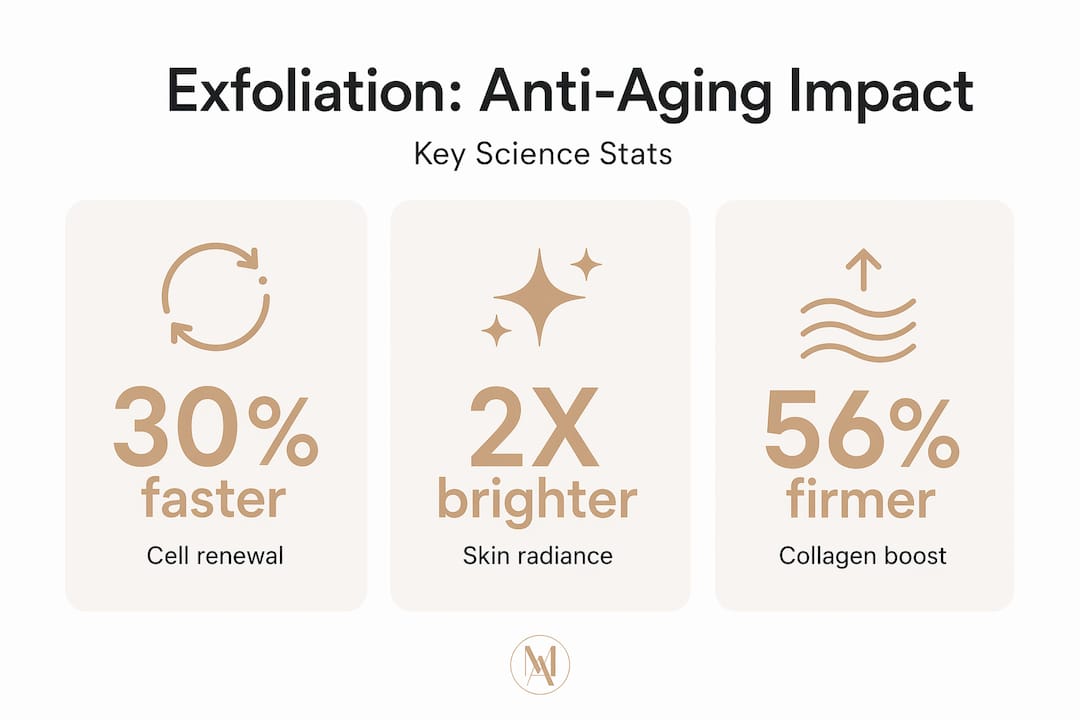
This is where exfoliation earns its place in any serious anti-aging routine. Regular gentle exfoliation increases the skin’s natural cell turnover rate by up to 30%. That acceleration has a cascade of visible benefits: smoother texture, a more even tone, reduced fine lines caused by surface roughness, and noticeably brighter skin.
The exfoliation benefits for skin go beyond the surface level, too. When that layer of accumulated dead cells is consistently removed, your skin’s ability to retain moisture improves. Hydrating ingredients find live, receptive skin rather than a barrier of spent cells. This alone changes how plump and healthy your complexion appears without a single new product added to your routine.
Scientific evidence reinforces what clinical practice shows. Studies tracking patients using glycolic acid formulations found 76% of patients improved photodamage severity over 22 weeks. That is not a subtle result. It reflects consistent exfoliation and skin renewal driving meaningful structural change.
The key points to understand are:
- Dead cell accumulation causes dullness, uneven texture, and reduced absorption of actives
- Exfoliation accelerates the natural renewal process that slows dramatically with age
- Brighter, firmer, more hydrated skin follows consistent and correctly dosed exfoliation
- Collagen stimulation is a downstream benefit when the right acids are used regularly
Chemical exfoliants: choosing the right acid
Not all exfoliants are created equal, and for ageing skin, the distinction between your options genuinely matters.
| Exfoliant | Molecule size | Best for | Key benefit | Cautions |
|---|---|---|---|---|
| Glycolic acid | Smallest AHA | Photoaged, normal, combination | Collagen stimulation, deep penetration | Can irritate sensitive skin |
| Lactic acid | Larger AHA | Dry, sensitive, mature skin | Exfoliates and hydrates simultaneously | Milder results than glycolic |
| Salicylic acid | BHA, oil-soluble | Oily, acne-prone skin | Clears pores, reduces congestion | Too drying for dry/mature skin |
Glycolic acid
Glycolic acid is the most thoroughly researched alpha-hydroxy acid (AHA) for photoaging. Its small molecular size allows it to penetrate more deeply into the dermis than any other AHA. Glycolic acid stimulates collagen synthesis more effectively than lactic acid, making it the top choice when firming and addressing sun damage are the primary concerns.
For those new to glycolic acid, starting at concentrations between 5% and 8% allows the skin to adapt before progressing to higher-strength formulations.
Lactic acid
Lactic acid is the gentler alternative, and it brings a distinct advantage that glycolic acid does not. Lactic acid acts as a humectant, drawing moisture into the skin as it exfoliates. For dry or sensitive mature skin, this dual action makes lactic acid the more comfortable and sustainable choice for regular use. It exfoliates without the tightness or reactivity that glycolic acid can produce in compromised skin.
Salicylic acid and physical scrubs
Salicylic acid, a beta-hydroxy acid, is oil-soluble, which makes it effective at clearing pores and managing congestion. It is best suited to oilier skin types where pore clarity is an ageing concern.
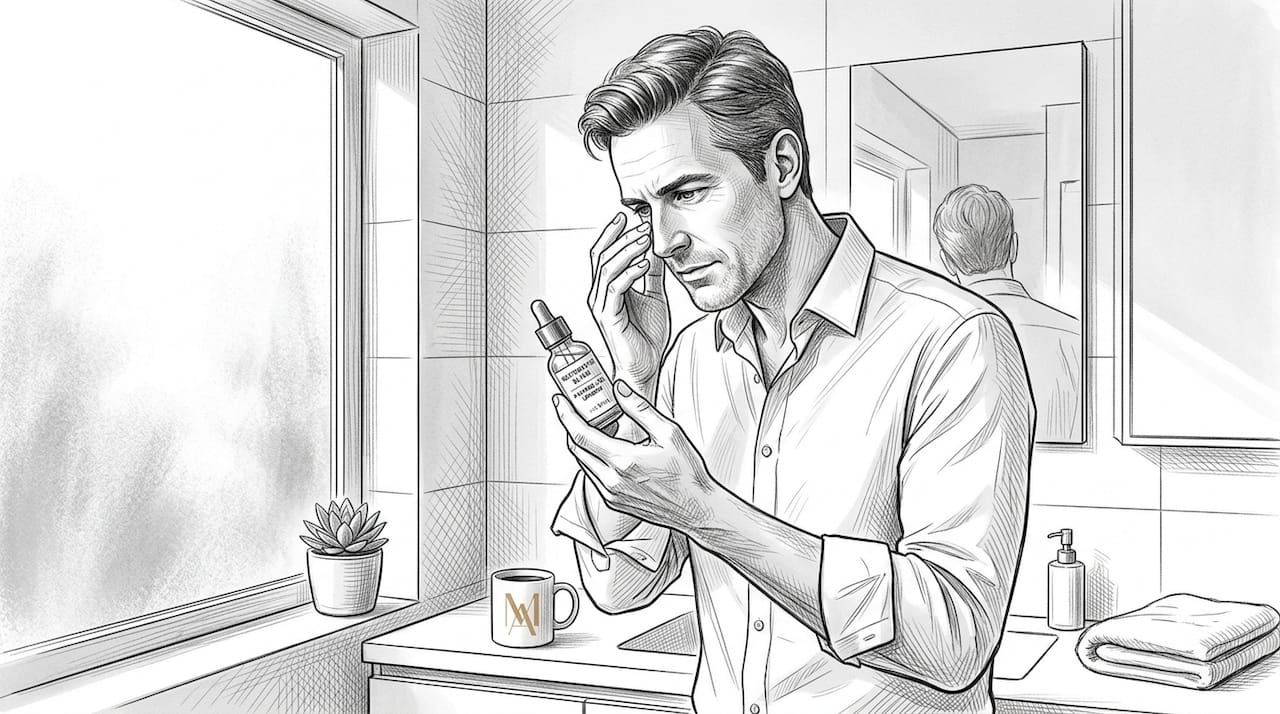
Physical scrubs deserve a direct caution here. Physical scrubs can cause micro-tears, inflammation, and worsen hyperpigmentation in mature or sensitive skin. For ageing skin particularly, chemical exfoliants are the safer, more controlled, and more effective route. The abrasion in physical products is unpredictable; the chemical dissolution of dead cells is not.
Pro Tip: If you are new to chemical exfoliation, start with a low-concentration lactic acid product two evenings per week and assess your skin’s response over three to four weeks before increasing frequency or concentration.
Safe exfoliation practices for mature skin
Knowing which acid to use is only part of the picture. How often you exfoliate, and how you integrate it with the rest of your routine, determines whether your skin thrives or struggles.
Dermatologist-recommended exfoliation frequency varies by skin type, and following these guidelines protects your skin barrier:
- Sensitive skin: once every 7 to 10 days
- Dry skin: once per week
- Normal or combination skin: twice per week
- Oily skin: two to three times per week
The most common and damaging error people make is exfoliating too frequently. Daily exfoliation consistently leads to barrier damage, increased transepidermal water loss (TEWL), redness, and ultimately, worsened signs of ageing. The very problem you are trying to address becomes more pronounced.
Over-exfoliation damages the skin barrier, increasing TEWL and redness. If your skin feels tight, looks shiny in an unhealthy way, or stings when you apply moisturiser, these are clear signals to reduce frequency immediately and focus on barrier repair.
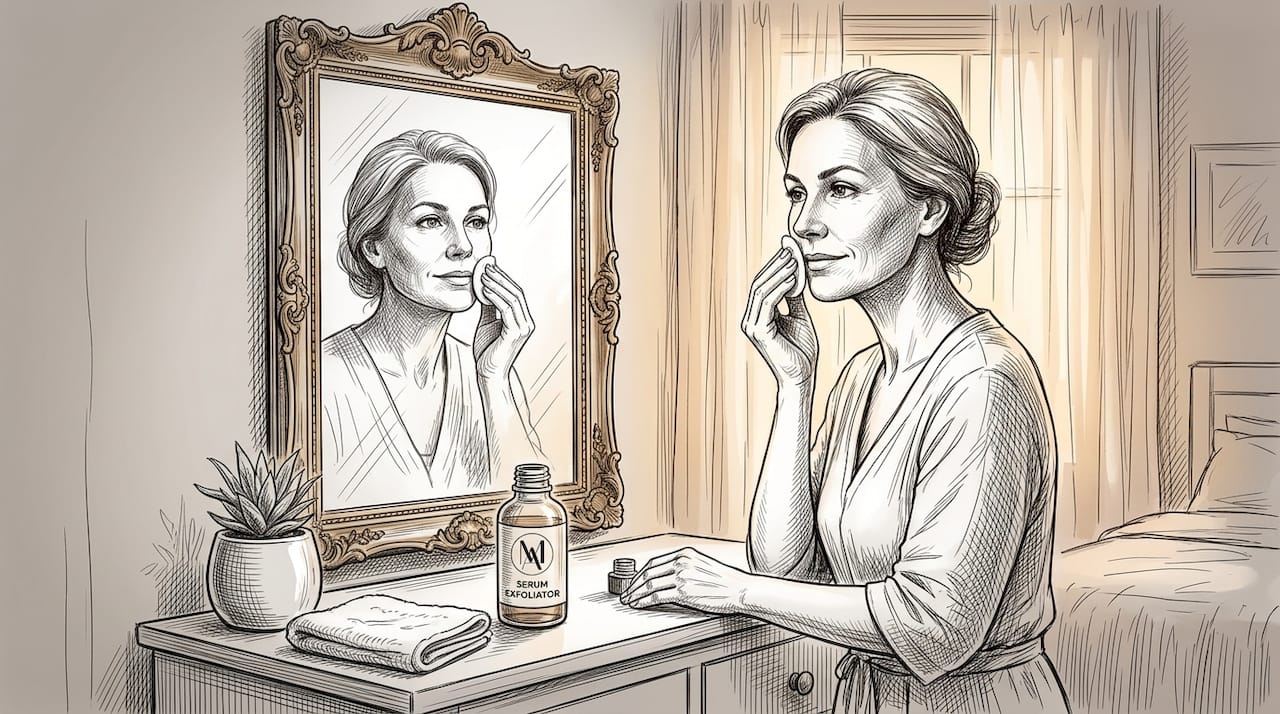
Moisturising after every exfoliation session is non-negotiable. Sealing the skin with a nourishing moisturiser directly after acid application supports the barrier and prevents the dehydration that can follow exfoliation.
Pro Tip: Try the “sandwich method” for sensitive or dry skin. Apply a layer of hyaluronic acid serum first, allow it to absorb, then apply your chemical exfoliant. This approach buffers acid irritation while maintaining exfoliation efficacy. Follow with moisturiser to complete the sandwich.
Some clients find success in alternating glycolic and lactic acids across the week rather than using one exclusively. This approach delivers the collagen-stimulating depth of glycolic with the hydration support of lactic, reducing the cumulative irritation of relying on glycolic alone.
Exfoliation and your anti-aging actives
One underappreciated aspect of exfoliation for anti-aging is what it does for everything else you apply to your skin. Exfoliation improves absorption of Vitamin C and retinoid serums meaningfully. A layer of dead skin cells sits between your serum and the live epidermis beneath; removing it allows actives to reach their target tissue.
Here is how to integrate exfoliation with your existing anti-aging ingredients:
- Exfoliate first (evening recommended) to clear the surface and open the pathway for actives.
- Apply Vitamin C the following morning on freshly renewed skin for optimal brightening and antioxidant protection.
- Use retinoids on alternate evenings to your exfoliation days, not on the same night, as combining both on one session can over-stimulate the skin.
- Layer hydrating ingredients such as hyaluronic acid and ceramide-based moisturisers after any exfoliation session to support the barrier.
- Apply SPF 30 or higher every morning without exception. Freshly exfoliated skin is more photosensitive, and sun protection is what preserves the results you are working to achieve.
The synergy between exfoliation and retinoids is particularly well documented. Combining exfoliation with retinoid use produces stronger collagen stimulation outcomes than either approach alone. Think of exfoliation as clearing the runway; retinoids then land with far greater precision and effect.
Choosing the right exfoliating products for ageing skin
With so many formulations available, knowing what to look for simplifies the process considerably.
- Chemical exfoliant formats: washes, serums, pads, and leave-on peels. Leave-on formats (serums and peels) generally deliver stronger results than rinse-off washes because the acid remains in contact with the skin longer.
- Concentration guidance: for glycolic acid, 5% to 10% is appropriate for home use in an anti-ageing context. For lactic acid, 5% to 12% suits most skin types. Beyond these ranges, professional supervision is recommended.
- Avoid physical scrubs for mature or sensitive skin. This is especially relevant if you are managing hyperpigmentation, as the friction can worsen uneven tone.
- Look for accompanying ingredients: formulations that include hyaluronic acid, niacinamide, or ceramides alongside the acid are better tolerated and support the skin barrier simultaneously.
- Signs that your routine is working: smoother texture within two to three weeks, more even tone within six to eight weeks, and improved absorption of subsequent products from the first session.
If you are unsure how to integrate exfoliation into a more complex routine, a professional consultation removes the guesswork. At Them-ethod, virtual consultations with experienced clinicians are available to help you build your routine with the precision your skin deserves.
My honest perspective on exfoliation for ageing skin
In my experience working with clients focused on anti-aging results, the most persistent problem is not under-exfoliation. It is over-exfoliation driven by enthusiasm and the belief that more equals better.
I have seen clients arrive with compromised barriers, reactive skin, and frustration that their routines are not working. In many cases, they are using a glycolic toner daily, a retinoid four nights per week, and a Vitamin C serum every morning without any barrier support in sight. Their skin is not ageing better; it is inflamed and struggling to repair.
What actually works, and I have seen this consistently, is restraint paired with patience. Two to three well-spaced exfoliation sessions per week, anchored by excellent hydration and barrier support, produce results that are genuinely sustained. Alternating glycolic and lactic acids is an approach I recommend often. It respects the skin’s recovery time while delivering the full spectrum of renewal and hydration benefits.
The science and the clinical reality align here. Skin responds to consistency and respect, not intensity. If your skin is telling you something is wrong through redness, tightness, or sensitivity, listen to it. Reducing frequency is not a step backwards. It is the smarter path to the results you want.
— Jess
Explore exfoliating products at Them-ethod
At Them-ethod, we have curated a selection of clinically effective exfoliating options suited to ageing and mature skin. Whether you are looking for a glycolic acid wash to begin your renewal routine or exploring the full spectrum of AHA formulations, our exfoliators and peels collection brings together dermatologist-recommended brands that deliver on their claims.
For those dealing with oily skin or congestion alongside ageing concerns, the NEOSTRATA skincare range offers scientifically backed formulations developed specifically for visible skin improvement. We also recommend pairing your exfoliation routine with antioxidant-rich support. Mushroom-derived skin supplements offer post-exfoliation cellular support that complements what your actives are doing at the surface level.
If you are not sure where to start, a virtual consultation with one of our clinicians will help you select the right exfoliants, concentrations, and routine structure for your skin’s specific needs.
FAQ
What is the role of exfoliation in anti-aging?
Exfoliation removes dead skin cells that accumulate as cell turnover slows with age, revealing smoother, brighter skin and improving the absorption of anti-aging actives such as retinoids and Vitamin C.
Does exfoliation prevent wrinkles?
Exfoliation does not prevent wrinkles directly, but by stimulating collagen synthesis and improving cell renewal, it reduces the appearance of fine lines and supports a firmer, more youthful skin texture over time.
How often should I exfoliate for anti-aging results?
Dermatologists recommend exfoliating once every seven to ten days for sensitive skin, once per week for dry skin, and two to three times per week for oily skin types. Daily exfoliation damages the skin barrier and is not appropriate for home use.
Which acid is best for anti-aging exfoliation?
Glycolic acid is the most evidence-backed choice for photoaged skin due to its collagen-stimulating properties. Lactic acid is the preferred option for sensitive or dry mature skin as it exfoliates and hydrates simultaneously.
Can I use a retinoid and an exfoliant in the same routine?
Yes, but not on the same evening. Use your chemical exfoliant and retinoid on alternate nights to avoid over-stimulation. Exfoliating first on dedicated nights clears the surface so that retinoids perform more effectively on the nights that follow.