

A Guide to Pregnancy Safe Skincare That Works
Pregnancy can make skin feel unfamiliar almost overnight. A once-reliable routine may suddenly trigger dryness, breakouts, flushing or melasma, while the products that delivered visible results before conception may no longer be appropriate. This guide to pregnancy safe skincare helps you make measured, evidence-led decisions without reducing your routine to a basic cleanser and hope.
The aim is not to abandon effective skincare. It is to protect the skin barrier, manage changing concerns and preserve the long-term results you have worked for, while respecting the more conservative approach required during pregnancy. Your midwife, GP, obstetrician or dermatologist should always guide decisions around prescription treatment, particularly if you have acne, rosacea, eczema or pigmentary conditions.
Start with the ingredients to pause
The most straightforward change is removing topical retinoids. This includes retinol, retinaldehyde, retinyl esters, adapalene, tretinoin and tazarotene. Retinoids are exceptional for collagen support, acne and uneven tone, but they are not recommended in pregnancy because of the known risks associated with oral vitamin A derivatives and the precautionary guidance around topical forms. Stop them as soon as you know you are pregnant and store them away rather than leaving them in rotation by habit.
Hydroquinone is another ingredient to pause. It can be highly effective for stubborn hyperpigmentation, but its relatively high level of skin absorption makes it unsuitable during pregnancy. Prescription acne medicines and oral treatments also need individual medical review. Do not assume that a product is acceptable because it is applied to the skin rather than taken by mouth.
For professional treatments, postpone injectable treatments, retinoid peels and aggressive resurfacing unless your treating clinician specifically advises otherwise. Pregnancy is not the time to experiment with a strong at-home peel either. Hormonal shifts can make the skin more reactive and more prone to post-inflammatory pigmentation, especially in deeper skin tones.
Pregnancy safe skincare does not mean ineffective skincare
A high-performing routine can still address congestion, dehydration, sensitivity and visible pigmentation. The difference is that the strategy becomes more deliberate: support barrier function first, then introduce targeted actives only where they are needed.
Cleanse without compromising the barrier
Pregnancy-related sensitivity is often made worse by over-cleansing. Choose a gentle, non-stripping cleanser and use lukewarm, rather than hot, water. If you are wearing tenacious sunscreen or makeup, a first cleanse to dissolve surface residue followed by a mild water-based cleanse can be appropriate, provided your skin is not becoming tight or uncomfortable.
Foaming cleansers are not automatically problematic, nor are richer cream cleansers automatically superior. The right choice depends on your skin's response. Oily, congested skin may prefer a well-formulated gel cleanser, while dry or reactive skin generally benefits from a creamier, lipid-supportive formula.
Choose proven alternatives for acne and texture
Azelaic acid is often the standout active during pregnancy. It is valued for its ability to support acne-prone skin, calm visible redness and improve the appearance of post-breakout marks and uneven tone. It is particularly useful when acne and pigmentation occur together, which is common during hormonal change.
Low-strength glycolic or lactic acid may suit some complexions, particularly for dullness and superficial congestion. Keep frequency conservative, beginning once or twice weekly, and do not layer acids with other potentially irritating products in the same evening. A small amount of salicylic acid in a wash-off cleanser or targeted product is often considered acceptable, but it is sensible to avoid high-concentration peels, large-area use and occlusive application. If you are uncertain, ask your maternity clinician or dermatologist.
Benzoyl peroxide may also be used for inflammatory acne with professional guidance. It can be drying, so introduce it slowly and pair it with a barrier-focused moisturiser. More product is rarely better when the skin is already hormonally unpredictable.
Treat pigmentation with prevention first
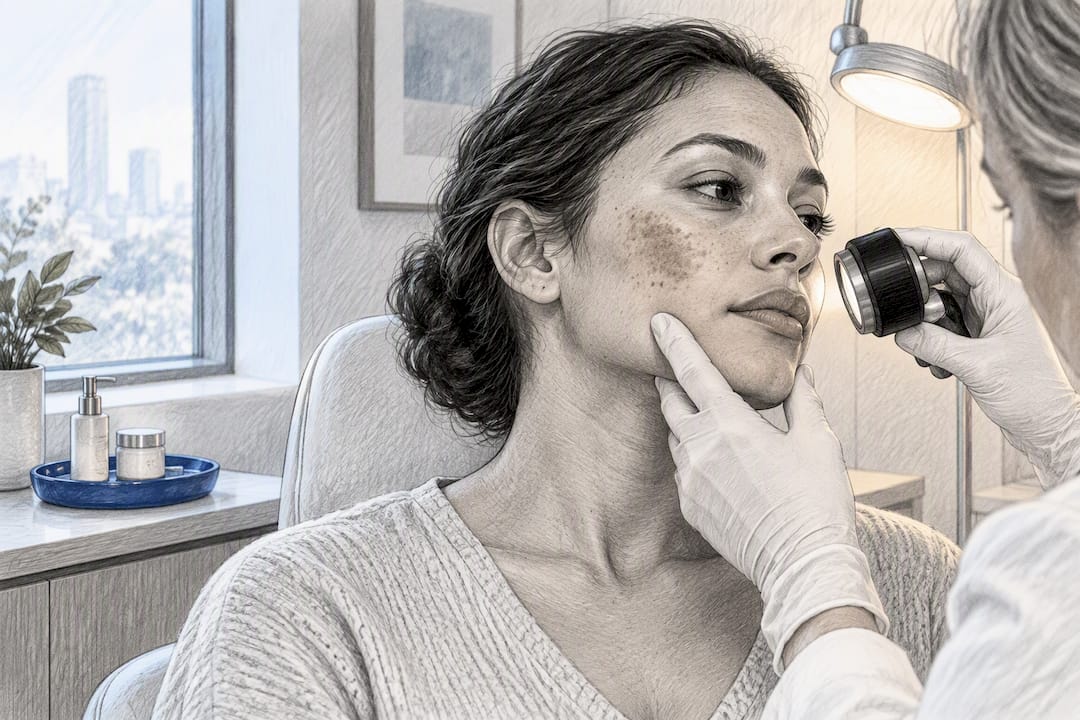
Melasma, sometimes called the mask of pregnancy, is driven by hormones and worsened by ultraviolet light and visible light. It can appear even if you have never struggled with pigmentation before. For those predisposed to post-inflammatory hyperpigmentation, an inflamed blemish or irritated patch can also leave a more persistent mark than usual.
Daily broad-spectrum SPF 30 or higher is the foundation of any pigmentation strategy. A tinted mineral sunscreen containing iron oxides can offer helpful protection against visible light, making it an especially considered choice for melasma and deeper skin tones. The best sunscreen is one you will apply generously and reapply when exposed to daylight, whether you choose mineral, chemical or hybrid filters. Mineral filters are often favoured in pregnancy because they sit on the skin's surface and are typically well tolerated, but a sunscreen you dislike wearing will not deliver meaningful protection.
Niacinamide, vitamin C and azelaic acid can provide a sophisticated pregnancy-compatible approach to uneven tone. Vitamin C formulas vary considerably in strength and pH, so sensitive skin may be better served by a gentle derivative or a lower-strength formula than an aggressive, stinging serum. Consistency and sun protection matter more than chasing the highest percentage on the label.
Build a routine that responds to your skin
An elegant routine in pregnancy is often shorter than your pre-pregnancy regimen. It should feel supportive, not restrictive. In the morning, cleanse if needed, apply an antioxidant or pigment-supporting serum if your skin tolerates it, moisturise, then finish with broad-spectrum sunscreen. In the evening, cleanse, use one targeted active such as azelaic acid on selected nights, and follow with a nourishing moisturiser.
Look for moisturisers that reinforce the barrier with ingredients such as ceramides, glycerin, hyaluronic acid, squalane and soothing lipids. Dehydration can make fine lines, redness and breakouts appear more pronounced, so barrier care is not a cosmetic extra. It is what enables the rest of your regimen to work comfortably.
Introduce only one new product at a time, ideally allowing a week or two before adding another. Patch testing is worthwhile, particularly if pregnancy has made you more reactive or if you have a history of eczema, rosacea or allergies. Apply a small amount to a discreet area for several days and watch for persistent itching, swelling, burning or a rash.
Do not let “natural” become a shortcut for safe
Pregnancy marketing can make botanical, fragrance-heavy products appear automatically gentler. They are not. Essential oils and plant extracts can be sensitising, particularly on compromised or reactive skin, and “clean” is not a clinical safety category. Equally, a long ingredient list is not inherently dangerous.
What matters is the formula, the concentration, how often you use it and your personal history. Fragrance-free products can be a wise choice when nausea, migraines, sensitivity or rosacea are concerns, but they are not mandatory for everyone. A premium skincare routine should be selected on performance, tolerance and evidence, not fear-based claims.
When expert advice is worth seeking
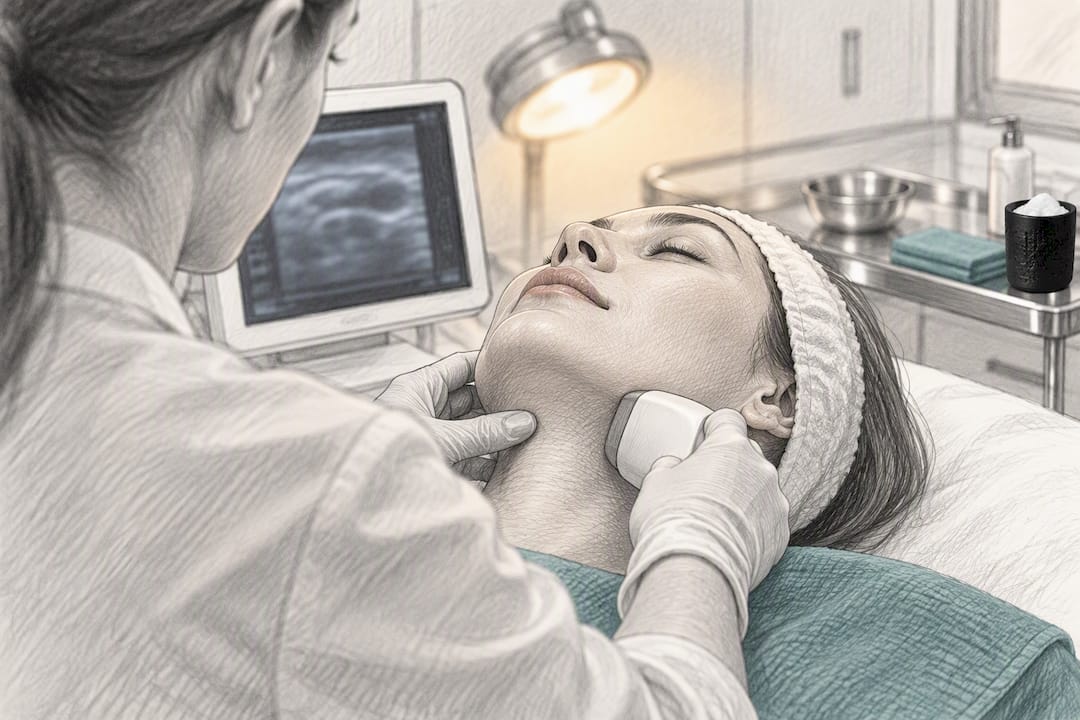
Speak to a clinician if acne becomes painful or cystic, if a rash is widespread, if you have a sudden flare of rosacea or eczema, or if pigmentation is causing significant distress. There are pregnancy-appropriate options, but they should be tailored to your skin, medical history and trimester. This is particularly valuable if you have been using prescription retinoids, hydroquinone or other medicated treatments before conception.
A consultation can also prevent an expensive cycle of buying products that duplicate each other or quietly aggravate the barrier. At The M-ethod Aesthetics, expert-led skincare selection is designed around the reality that complexions change, and a regimen should change with them.
Your skin does not need perfection during pregnancy. It needs thoughtful protection, clinically credible support and the patience to let a well-chosen routine do its work. The strongest result is skin that feels calm, comfortable and confidently cared for now, with a clear plan for revisiting more intensive treatments after pregnancy and breastfeeding.