



Acne management tips that actually work
TL;DR:
- Acne affects individuals of all ages and worsens with hormonal changes, stress, and seasons.
- A simple routine of cleanse, treat, moisturize, and protect is more effective than complex, aggressive methods.
Acne does not care how old you are or how diligently you cleanse. It shows up uninvited, shifts with hormones, stress, and seasons, and responds badly to the kind of aggressive routines many of us reach for first. If you have spent time layering active after active and wondering why your skin is angrier than ever, these acne management tips are written specifically for you. The good news is that the evidence consistently points toward simplicity, patience, and precision rather than complexity. Here is what actually works.
Table of Contents
- Key takeaways
- 1. Build your acne management routine on four clear steps
- 2. Choose the right cleanser for acne-prone skin
- 3. Master over-the-counter active ingredients
- 4. Introduce one new product at a time
- 5. Understand prescription acne treatment options
- 6. Support your skin with daily sun protection
- 7. Adopt lifestyle habits that reduce acne triggers
- 8. Comparing common acne treatment approaches
- My honest take on managing acne
- Targeted acne treatments from Them-ethod
- FAQ
Key takeaways
| Point | Details |
|---|---|
| Simplicity beats complexity | A concise routine of cleanse, treat, moisturise, and protect outperforms overloaded regimens. |
| OTC actives need time | Ingredients like benzoyl peroxide and salicylic acid require 2 to 4 months to show full results. |
| Introduce one product at a time | Adding one new active at a time reduces irritation and helps you identify what is working. |
| Lifestyle habits matter | Changing pillowcases, removing makeup, and avoiding picking all reduce breakouts meaningfully. |
| Seek expert guidance early | Moderate to severe acne responds best to prescription options under dermatological supervision. |
1. Build your acne management routine on four clear steps
Before exploring individual ingredients or prescription options, the foundation matters most. A simple four-step routine of cleanse, treat, moisturise, and protect is the most effective approach for acne-prone skin. Complicated routines introduce too many variables and increase the risk of irritation masquerading as a flare.
Each step earns its place. Cleansing removes excess sebum and surface bacteria without stripping the skin barrier. Treatment targets the acne itself. Moisturising supports barrier repair, which is especially important when using actives. And daily SPF 30 or higher protects against post-inflammatory hyperpigmentation, which often lingers long after the spots themselves clear.
If your current routine goes beyond these four steps, that is worth revisiting. More products mean more potential irritants, and a compromised barrier makes acne harder to manage, not easier. This step-by-step skin routine explains how to organise each step for clinically clear results.
Pro Tip: If your skin feels tight, sore, or more reactive than usual, your routine is likely doing too much. Strip it back to basics and reintroduce products one by one over several weeks.
2. Choose the right cleanser for acne-prone skin
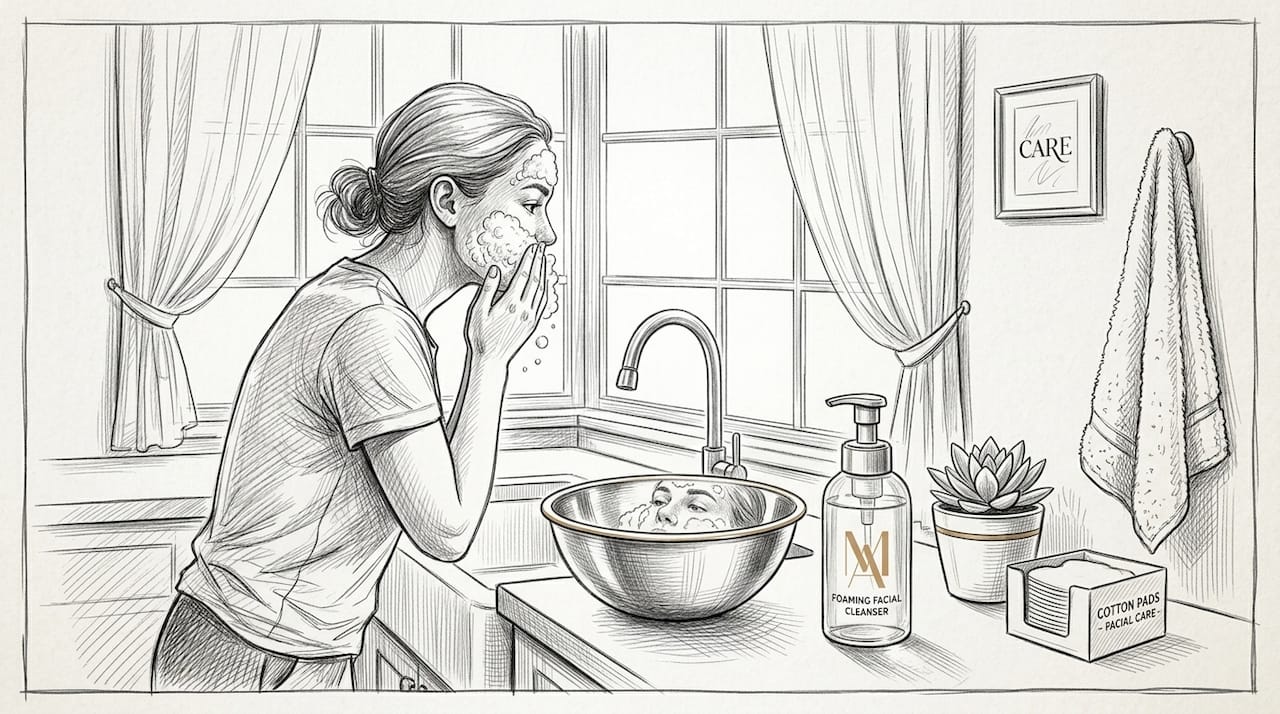
Cleansing is the step most people get wrong, often by doing too much of it. Overwashing and using alkaline soaps dries the skin and triggers compensatory oil production, making acne worse rather than better. Twice daily is sufficient for most people.

Look for a soap-free cleanser with a pH close to 5.5, which mirrors the skin’s natural acidity. Avoid scrubbing with cloths or exfoliating tools during a breakout. Your fingertips and a gentle, non-comedogenic formula are all you need. An Epionce gentle foaming cleanser is a reliable option that respects the skin’s pH while removing impurities without stripping.
The temperature of your water matters too. Hot water increases inflammation. Lukewarm is best, particularly when your skin is already reactive or in an active breakout phase.
3. Master over-the-counter active ingredients
Several OTC ingredients have solid clinical evidence behind them. Understanding what each one does helps you select the right treatment for your specific type of acne rather than guessing.
- Benzoyl peroxide kills acne-causing bacteria and reduces inflammation. It is available in strengths from 2.5% to 10%. Lower strengths are just as effective and cause far less dryness.
- Salicylic acid is a beta hydroxy acid that penetrates pores and helps clear blockages. It works particularly well for blackheads and whiteheads.
- Azelaic acid reduces inflammation, targets bacteria, and helps fade post-acne marks. It is one of the most tolerable options for sensitive skin types.
- Nicotinamide (niacinamide) calms redness and reduces sebum production without significant irritation risk.
OTC actives take 2 to 4 months to show their full effect. Switching products before that window closes is one of the most common reasons people conclude that nothing works for them. Apply to the affected area broadly rather than spot-treating individual blemishes, as this targets the underlying congestion rather than just the visible result.
Pro Tip: Start with the lowest available strength of any new active. If your skin tolerates it well after two to three weeks, you can increase frequency or concentration. This approach preserves the skin barrier and makes long-term use sustainable.
4. Introduce one new product at a time
This is perhaps the most underappreciated of all acne prevention tips. When you introduce several new products simultaneously and your skin reacts badly, you have no way of knowing which product is responsible. Identifying the culprit then requires stopping everything and starting over.
Introducing one product at a time and building gradually gives your skin the chance to adapt and gives you genuinely useful information about what is working. Allow at least two to three weeks before adding anything new. It feels slow, but it saves months of unnecessary trial and error.
This is also why Them-ethod recommends personalised skin consultations before committing to a new acne treatment protocol. The right starting point depends on your skin type, acne severity, and current barrier health.
5. Understand prescription acne treatment options
When OTC products are not producing results after a full treatment cycle, prescription options represent the next logical step. These are not last resorts. They are appropriate, evidence-based acne treatment options for moderate to severe presentations.
- Topical antibiotics such as erythromycin or clindamycin reduce bacterial load and inflammation on the skin’s surface. They should always be combined with benzoyl peroxide to reduce the risk of antibiotic resistance, which is a genuine and growing concern in acne treatment.
- Oral antibiotics are reserved for severe inflammatory acne that has not responded to topical treatment. They are typically prescribed for up to six months. Prolonged or repeated courses carry resistance risks, so they are not intended as indefinite maintenance.
- Oral retinoids, particularly isotretinoin, are reserved for severe acne unresponsive to other treatments. Isotretinoin works by dramatically reducing sebaceous gland activity. Side effects include significant dryness and sun sensitivity, and the medication requires careful monitoring throughout the course.
- Hormonal treatments such as combined oral contraceptives or anti-androgens like spironolactone are appropriate for some women whose acne is driven by androgen fluctuations. These are particularly useful when breakouts are cyclical or concentrated along the jaw and chin.
- Topical retinoids such as tretinoin or adapalene sit between OTC and prescription territory depending on strength. They regulate cell turnover, prevent pore blockage, and have strong long-term evidence for both acne management and scar prevention.
Every prescription route works best under professional supervision. Dosing, duration, and combination strategies all affect how well treatment works and how safely it can be managed.
6. Support your skin with daily sun protection
Many people skip sunscreen when they have acne, worried it will cause more breakouts. This is a costly mistake. Mineral-based broad-spectrum sunscreen at SPF 30 or higher is an essential part of any acne routine, especially when using treatments that increase photosensitivity.
Post-inflammatory hyperpigmentation, the flat dark marks left after spots heal, darkens significantly with UV exposure. Protecting the skin daily speeds up the fading process considerably. Mineral formulas containing zinc oxide or titanium dioxide tend to be better tolerated on acne-prone skin than chemical filters, which can occasionally irritate sensitive or compromised barriers.
There is also a persistent myth that sun exposure helps clear acne. Scientific evidence does not support this, and the temporary drying effect that makes skin appear clearer is generally followed by a reactive breakout as sebaceous glands compensate.
7. Adopt lifestyle habits that reduce acne triggers
The best acne remedies are not all found in a bottle. Several daily habits significantly affect how prone your skin is to breakouts, and most of them cost nothing.
- Do not squeeze or pick. Squeezing acne lesions pushes bacteria and debris deeper into the follicle, increases inflammation, and dramatically raises the risk of scarring. If you want professional extractions, these are available in clinical and salon settings using appropriate tools and techniques.
- Change your pillowcases regularly. Pillowcases accumulate oil, bacteria, and product residue. Changing them every two to three days makes a measurable difference for people prone to facial breakouts.
- Keep hair products away from your face. Hair products contacting the skin along the hairline and forehead are a frequently overlooked acne trigger, particularly heavy conditioners, oils, and styling products.
- Remove makeup before bed. Sleeping in makeup blocks pores and compromises the skin’s overnight repair processes. Use a gentle, non-irritating remover followed by your regular cleanser.
- Eat a balanced diet. Nutrition and acne have a complicated relationship. High glycaemic foods and dairy may aggravate breakouts in some individuals, though the evidence is mixed and highly individual. Rather than eliminating entire food groups, a generally balanced diet supports hormonal regulation and reduces systemic inflammation.
8. Comparing common acne treatment approaches
Not every approach suits every type of acne. The table below provides a side-by-side view of the most common options to help you choose where to start.
| Approach | Best suited for | Typical timeline | Key consideration |
|---|---|---|---|
| Gentle cleansing routine | All acne types | Immediate improvement in tolerance | Foundation for every other treatment |
| OTC actives (benzoyl peroxide, salicylic acid) | Mild to moderate acne | 2 to 4 months | Introduce gradually; manage dryness |
| Topical antibiotics + benzoyl peroxide | Moderate inflammatory acne | 6 to 12 weeks | Use with benzoyl peroxide to prevent resistance |
| Oral antibiotics | Severe inflammatory acne | Up to 6 months | Short-term use only; resistance risk |
| Oral retinoids (isotretinoin) | Severe, treatment-resistant acne | 4 to 6 months (course) | Requires monitoring; significant side effects |
| Hormonal treatments | Androgen-driven acne in women | 3 to 6 months | Requires assessment; not suitable for all |
| Lifestyle adjustments | All acne types | Ongoing | Supports, does not replace, clinical treatment |
When OTC options are not producing sufficient improvement after a full treatment cycle, escalating to professional assessment is the sensible next step rather than continuing to switch between non-prescription products.
My honest take on managing acne
In my experience, the single biggest mistake people make with acne is treating it like an emergency. The urgency drives overtreatment, product hoarding, and routine complexity that the skin simply cannot tolerate. I have seen clients arrive with genuinely healthy underlying skin that has been made reactive and barrier-compromised by too many well-intentioned products applied too aggressively.
What I have learned is that acne is, as the British Skin Foundation notes, a chronic condition without a definitive cure. That framing is not discouraging. It is liberating. It shifts the focus from “fixing” your skin in a week to managing it intelligently over time, which is a far more achievable and sustainable goal.
Patience is not passive. It means giving your chosen routine the full two to four months it needs before drawing conclusions. It means not squeezing, not switching, and not adding that serum you saw recommended online at midnight. Consistency with a simple, well-chosen routine will outperform any aggressive protocol built on hope.
And if what you have tried has not worked? That is not a failure. That is the signal to bring in professional guidance, because some acne simply requires a prescription. There is no value in suffering through months of ineffective OTC products when a dermatologically supervised plan can produce real, measurable results.
— Jess
Targeted acne treatments from Them-ethod
If you are ready to move beyond generic shelf products, Them-ethod offers clinically positioned options chosen specifically for acne-prone skin. The PCA Clearskin serum is a standout treatment that targets active breakouts while supporting skin barrier health. It has become a trusted go-to for clients managing persistent congestion. For broader skin renewal and support, the NEOSTRATA collection includes formulas that address texture, skin health, and post-acne marks. Every product recommended at Them-ethod is selected with clinical outcomes in mind, not trends.
FAQ
How long do acne treatments take to work?
OTC actives like benzoyl peroxide and salicylic acid typically take 2 to 4 months to show their full effect. Switching products before this window closes is one of the most common reasons treatment appears to fail.
Should I moisturise if my skin is oily and acne-prone?
Yes. Skipping moisturiser compromises the skin barrier and can worsen oil production and sensitivity. Choose a lightweight, non-comedogenic formula suited to oily or combination skin.
When should I see a dermatologist for acne?
If your acne is moderate to severe, leaving scars, or has not responded to OTC treatments after three to four months, professional assessment is warranted. Prescription options exist that can produce significantly better outcomes.
Can lifestyle changes clear acne on their own?
Lifestyle habits such as changing pillowcases, removing makeup, and avoiding picking reduce acne triggers meaningfully, but they generally support rather than replace clinical treatment for persistent or moderate-to-severe acne.
Is sunscreen necessary when treating acne?
Daily SPF 30 or higher is genuinely necessary, particularly when using topical treatments that increase sun sensitivity. It also prevents post-inflammatory hyperpigmentation from darkening and prolongs the fading process.