



Why medical skincare works for targeted skin concerns
Many people struggle to find skincare that truly addresses stubborn concerns like hyperpigmentation, persistent acne, or visible signs of ageing. You’ve likely wondered why some products deliver dramatic results whilst others barely make a difference, even at similar price points. The answer lies in the science behind medical-grade formulations. These products contain pharmaceutical-grade active ingredients at clinically effective concentrations, supported by rigorous research demonstrating their ability to penetrate deeper skin layers and target specific cellular processes. This article explores the evidence explaining why medical skincare consistently outperforms standard options and provides practical guidance for incorporating these powerful treatments into your routine.
Table of Contents
- How Medical Skincare Targets Key Skin Concerns More Effectively
- Effective Ingredients In Medical Skincare And How They Work
- Comparing Medical Skincare Formulations And Alternatives For Pigmentation Treatment
- Building An Effective Skincare Routine With Medical-Grade Products
- Explore Premium Medical Skincare Solutions At The M-ethod
- Frequently Asked Questions
Key takeaways
| Point | Details |
|---|---|
| Pharmaceutical-grade purity | Medical skincare contains highly pure active ingredients, often 99%, ensuring consistent potency and reliable results for complex skin concerns |
| Clinically validated actives | Ingredients like Thiamidol and Azelaic acid are backed by clinical trials showing significant improvements in hyperpigmentation and acne within 12 weeks |
| Advanced delivery systems | Sophisticated formulations enhance ingredient stability and penetration into deeper skin layers where cellular changes occur |
| Superior efficacy and safety | Medical-grade alternatives to hydroquinone offer comparable results with better tolerability and fewer adverse reactions |
| Strategic application matters | Gradual introduction of actives, consistent photoprotection, and personalised routines maximise results whilst minimising irritation |
How medical skincare targets key skin concerns more effectively
The fundamental difference between medical-grade and standard skincare lies in ingredient quality and formulation science. Medical-grade products contain highly pure, often 99% pharmaceutical-grade ingredients that deliver consistent, reliable results. This exceptional purity ensures each application provides the exact concentration needed to trigger cellular changes, unlike many over-the-counter options where ingredient quality varies significantly between batches.
Higher purity translates directly to effectiveness. When you apply a medical-grade retinoid or vitamin C serum, you’re receiving precisely measured active ingredients formulated to remain stable until they reach target cells. Standard products often contain lower concentrations of actives or use less stable forms that degrade before penetrating your skin effectively. Understanding what is medical grade skincare helps clarify why these formulations consistently outperform alternatives.
Advanced delivery systems represent another crucial advantage. Medical skincare employs sophisticated technologies like liposomal encapsulation, nanoparticle carriers, and pH-optimised bases that enhance ingredient penetration into the dermis where collagen production, melanin synthesis, and cellular turnover occur. These systems protect active ingredients from degradation whilst facilitating their journey through the stratum corneum barrier.
Medical skincare specifically targets the underlying mechanisms driving skin concerns rather than merely addressing surface symptoms:
- Hyperpigmentation treatments inhibit tyrosinase enzyme activity, directly reducing melanin production at the cellular level
- Acne formulations combine antimicrobial action with anti-inflammatory effects to address both bacterial proliferation and inflammatory response
- Anti-ageing products stimulate collagen synthesis whilst simultaneously neutralising free radicals that accelerate cellular damage
- Barrier repair formulations deliver ceramides and essential lipids in ratios that mimic healthy skin structure
Pro Tip: The effectiveness of any skincare ingredient depends equally on its concentration, purity, and delivery system. A 10% vitamin C serum in an unstable formulation will underperform compared to a 5% medical-grade version with optimised pH and protective packaging.
Effective ingredients in medical skincare and how they work
Thiamidol stands out as one of the most rigorously studied ingredients for treating facial hyperpigmentation. This potent tyrosinase inhibitor reduces pigment scores significantly over 12 weeks by blocking the enzyme responsible for melanin production. Clinical trials demonstrate Thiamidol’s ability to fade dark spots, melasma, and post-inflammatory hyperpigmentation with remarkable consistency across diverse skin types.

The mechanism behind Thiamidol’s effectiveness involves competitive inhibition of tyrosinase at the melanocyte level. When you apply Thiamidol-containing products, the active ingredient penetrates to melanin-producing cells and binds to tyrosinase more effectively than the enzyme’s natural substrate. This interrupts the biochemical cascade converting tyrosine to melanin, resulting in visibly lighter pigmentation over successive skin renewal cycles.
Azelaic acid offers dual benefits for both acne and hyperpigmentation concerns. Research shows azelaic acid reduces acne lesions up to 70% within 12 weeks through its antimicrobial action against Cutibacterium acnes bacteria and anti-inflammatory effects that calm reactive skin. Simultaneously, azelaic acid inhibits tyrosinase activity, making it exceptionally valuable for treating post-inflammatory hyperpigmentation that often follows acne breakouts.
Key mechanisms driving azelaic acid’s effectiveness include:
- Direct antimicrobial action reducing bacterial colonisation in sebaceous follicles
- Normalisation of keratinisation processes preventing comedone formation
- Inhibition of inflammatory mediators reducing redness and swelling
- Competitive tyrosinase inhibition decreasing melanin synthesis
- Antioxidant properties protecting against oxidative stress
Building an effective treatment routine requires understanding how to layer these powerful actives:
- Begin with a gentle cleanser that removes impurities without stripping protective lipids
- Apply targeted treatments containing Thiamidol or azelaic acid to clean, dry skin
- Follow with a moisturiser appropriate for your skin type to support barrier function
- Finish morning routines with broad-spectrum SPF 30 or higher sunscreen
- Consider alternating different actives on different evenings to avoid overwhelming your skin
| Ingredient | Primary mechanism | Key benefits | Typical concentration |
|---|---|---|---|
| Thiamidol | Tyrosinase inhibition | Reduces hyperpigmentation, evens skin tone | 0.2% |
| Azelaic acid | Antimicrobial and anti-inflammatory | Treats acne, fades pigmentation, calms redness | 10-20% |
| Tranexamic acid | Reduces melanin synthesis | Addresses melasma, improves skin brightness | 2-5% |
| Niacinamide | Multiple pathways | Strengthens barrier, reduces inflammation, lightens pigmentation | 4-10% |
Photoprotection significantly enhances outcomes when treating pigmentation disorders. UV exposure triggers melanogenesis even whilst you’re using tyrosinase inhibitors, essentially working against your treatment efforts. Consistent sunscreen application prevents new pigment formation whilst active ingredients address existing discolouration, creating a synergistic effect that accelerates visible improvement.
Pro Tip: Apply pigment-reducing actives in the evening when melanocytes are most receptive to treatment signals, then protect your progress each morning with mineral or chemical sunscreen containing iron oxides that block visible light known to trigger pigmentation in darker skin tones.
Comparing medical skincare formulations and alternatives for pigmentation treatment
Hydroquinone has long served as the gold standard for melasma treatment, but emerging alternatives offer comparable efficacy with improved safety profiles. Tranexamic acid and niacinamide creams perform similarly to hydroquinone in clinical trials whilst causing fewer adverse reactions like irritation, redness, or rebound hyperpigmentation. These alternatives represent significant advances for patients seeking effective treatment without hydroquinone’s associated risks.
The comparison between traditional and modern treatments reveals important considerations for long-term management. Whilst hydroquinone remains effective, prolonged use can lead to irritation, exogenous ochronosis in darker skin types, and pigmentation relapse upon discontinuation. Newer formulations combining tranexamic acid, niacinamide, or Malassezin provide sustained results with better tolerability, making them preferable for maintenance therapy.
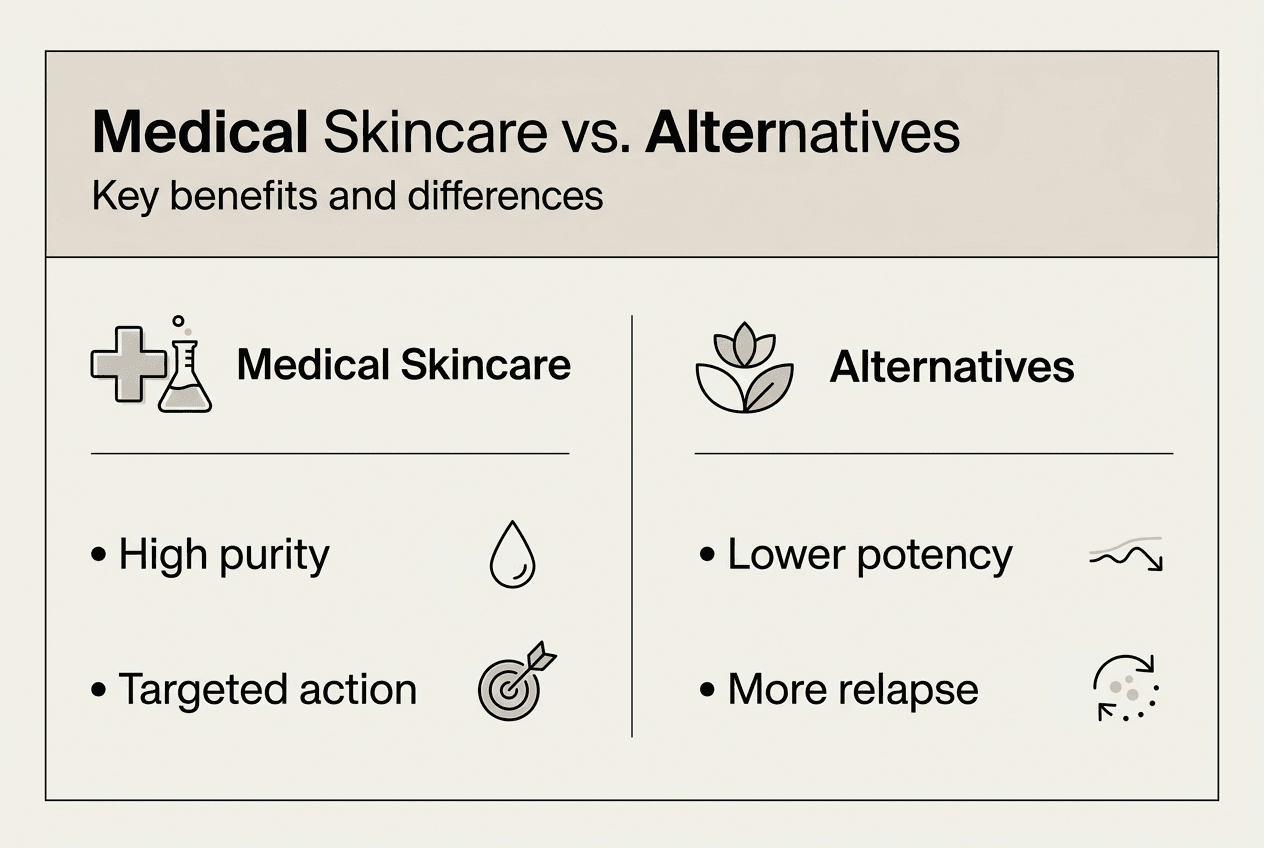
| Treatment option | Efficacy rating | Tolerability | Relapse risk | Best suited for |
|---|---|---|---|---|
| Hydroquinone 4% | Excellent | Moderate | Higher | Short-term intensive treatment |
| Tranexamic acid/niacinamide | Excellent | High | Lower | Long-term maintenance, sensitive skin |
| Thiamidol 0.2% | Very good | High | Lower | Daily prevention and treatment |
| Azelaic acid 15-20% | Very good | Moderate to high | Lower | Acne-related pigmentation |
| Malassezin | Excellent | High | Lower | Alternative to hydroquinone |
Practical considerations influence treatment selection beyond pure efficacy data. You should evaluate factors including your skin’s sensitivity, the severity and type of pigmentation, whether you’re treating active acne alongside hyperpigmentation, and your ability to maintain consistent photoprotection. Patients with sensitive skin often tolerate niacinamide-based formulations better than azelaic acid, whilst those with stubborn melasma might benefit from rotating between different mechanisms.
Safety profiles differ meaningfully between options. Understanding hydroquinone treatment for melasma helps contextualise why dermatologists increasingly recommend alternatives for long-term use. Tranexamic acid and niacinamide combinations maintain effectiveness over extended periods without the irritation or pigmentation rebound sometimes seen with hydroquinone cessation.
Key factors guiding treatment selection include:
- Skin type and sensitivity level determining which actives you’ll tolerate comfortably
- Pigmentation severity and distribution affecting concentration and application frequency
- Concurrent skin concerns like acne or rosacea requiring multi-targeted approaches
- Previous treatment responses indicating which mechanisms work best for your skin
- Lifestyle factors including sun exposure and ability to maintain consistent routines
Monitoring your skin’s response remains essential regardless of which formulation you choose. Watch for signs of irritation like persistent redness, stinging, or increased sensitivity. These indicators suggest you need to reduce application frequency, switch to a gentler formulation, or incorporate more barrier-supporting products. Most irritation resolves quickly with appropriate adjustments, allowing you to continue treatment effectively.
Pro Tip: Photograph your skin in consistent lighting every two weeks when treating pigmentation. Progress often occurs gradually, making it difficult to notice day-to-day changes. Comparing photos helps you objectively assess improvement and stay motivated during the 8-12 week period typically required for visible results.
Building an effective skincare routine with medical-grade products
Successfully integrating medical-grade products requires a strategic approach that balances effectiveness with tolerability. Starting with lower concentrations helps your skin adapt to potent actives like azelaic acid or retinoids, reducing initial irritation that might otherwise discourage continued use. Begin with every-other-night application for the first two weeks, then gradually increase frequency as your skin builds tolerance.
A well-structured routine follows this evidence-based sequence:
- Cleanse with a gentle, pH-balanced formula that removes impurities without disrupting your skin barrier
- Apply targeted treatment serums containing active ingredients to clean, completely dry skin
- Wait 2-3 minutes for actives to absorb before layering additional products
- Follow with a moisturiser containing ceramides, hyaluronic acid, or peptides to support barrier function
- Complete morning routines with broad-spectrum SPF 30 or higher, reapplying every two hours during extended sun exposure
- Consider incorporating PCA Clearskin acne serum for targeted blemish treatment
Photoprotection represents the non-negotiable foundation of any pigmentation treatment routine. UV exposure stimulates melanogenesis even whilst you’re using tyrosinase inhibitors, essentially sabotaging your treatment efforts. Apply sunscreen as the final step each morning, choosing formulas with iron oxides that block visible light known to trigger pigmentation in skin of colour.
Layering products correctly maximises ingredient efficacy whilst minimising interaction issues. Apply thinnest to thickest consistency, allowing each layer to absorb before adding the next. Water-based serums go first, followed by treatments, then emulsions, and finally occlusive moisturisers or oils. This sequence ensures active ingredients penetrate effectively rather than sitting on your skin’s surface.
Specialised treatments address specific concerns with precision:
- Eye area requires gentler formulations like intensive eye therapy NEOSTRATA designed for delicate periorbital skin
- Acne-prone areas benefit from salicylic acid or azelaic acid applied after cleansing
- Dry patches need extra hydration through hyaluronic acid serums or barrier repair creams
- Sensitive zones may require buffering actives with moisturiser to reduce irritation
Regular assessment guides necessary adjustments to your routine. Monitor how your skin responds weekly, noting any persistent irritation, increased sensitivity, or unexpected breakouts. These signals indicate you need to modify application frequency, reduce active concentrations, or incorporate more soothing ingredients. Most people find their optimal routine within 4-6 weeks of experimentation.
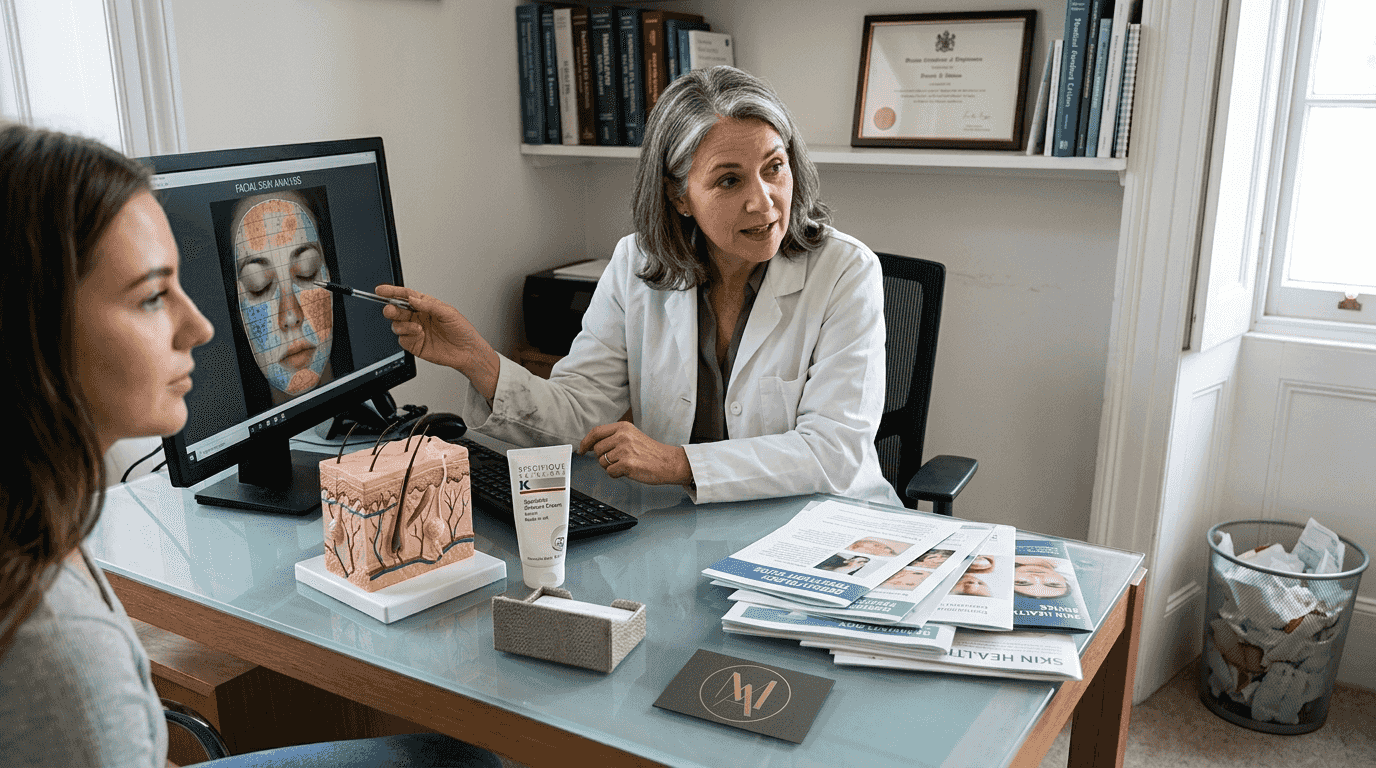
Consulting skincare specialists provides personalised guidance that accounts for your unique skin characteristics, concerns, and goals. Professional assessment identifies which active ingredients will work best for your specific pigmentation type, acne severity, or ageing concerns. Dermatologists can also prescribe higher-strength formulations when appropriate and monitor for any adverse reactions requiring intervention.
Pro Tip: Introduce only one new active ingredient every two weeks to accurately identify which products deliver results versus which might cause irritation. This methodical approach prevents the confusion of adding multiple products simultaneously, making it impossible to determine what’s working or causing problems.
Explore premium medical skincare solutions at The M-ethod
The M-ethod curates an exceptional collection of clinically backed, medical-grade skincare products specifically chosen to address pigmentation, acne, and ageing concerns with proven effectiveness. Each product undergoes rigorous evaluation to ensure it meets the highest standards for ingredient purity, formulation science, and clinical evidence supporting its claims.
Discover dermatologist-favourite solutions including PCA Clearskin acne serum formulated with niacinamide and azelaic acid to clear blemishes whilst fading post-inflammatory marks. The intensive eye therapy NEOSTRATA targets fine lines, dark circles, and crepiness with a sophisticated blend of peptides and antioxidants. For comprehensive skin renewal, the NEOSTRATA exfoliating wash combines polyhydroxy acids with gluconolactone to gently resurface whilst maintaining barrier integrity. Explore these targeted treatments to elevate your skincare routine with products trusted by leading dermatologists worldwide.
Frequently asked questions
What is medical skincare and how does it differ from over-the-counter products?
Medical skincare contains pharmaceutical-grade active ingredients at clinically effective concentrations, typically 99% pure, formulated with advanced delivery systems that enhance penetration into deeper skin layers. Over-the-counter products often use lower concentrations of less pure ingredients with simpler formulations that primarily affect the skin’s surface. Medical-grade products undergo rigorous testing to demonstrate efficacy for specific concerns like hyperpigmentation, acne, and ageing.
Are ingredients like Thiamidol and Azelaic acid safe for sensitive skin?
Both Thiamidol and azelaic acid are generally well-tolerated, though sensitive skin may experience initial mild irritation, redness, or tingling. Starting with lower concentrations and gradually increasing application frequency helps minimise discomfort whilst allowing your skin to build tolerance. Azelaic acid at 10% typically causes less irritation than 20% formulations, whilst Thiamidol at 0.2% demonstrates excellent tolerability across diverse skin types. Always patch-test new actives and consult a dermatologist if irritation persists beyond two weeks.
How long does it take to see results with medical skincare for hyperpigmentation?
Most people notice visible improvement in hyperpigmentation within 8-12 weeks of consistent use, though individual results vary based on pigmentation depth, skin type, and product formulation. Surface-level post-inflammatory hyperpigmentation often responds faster than deeper melasma, which may require 3-6 months of treatment. Clinical studies show Thiamidol reduces pigment scores significantly by 12 weeks, whilst azelaic acid demonstrates measurable improvement within 8-16 weeks. Consistent photoprotection accelerates results by preventing new pigment formation.
Can I use medical skincare products alongside sunscreen and makeup?
Yes, medical skincare integrates seamlessly into routines including sunscreen and makeup when layered correctly. Apply active treatments to clean skin, wait 2-3 minutes for absorption, then follow with moisturiser and sunscreen as your final skincare step. Allow sunscreen to set for 10-15 minutes before applying makeup to prevent pilling or reduced sun protection. Choose non-comedogenic makeup formulas if you’re treating acne, and reapply sunscreen every two hours during extended sun exposure regardless of makeup.
What are the best practices to avoid irritation when starting active ingredient treatments?
Begin with lower concentrations applied every other night for two weeks, gradually increasing to nightly use as tolerance builds. Apply actives to completely dry skin, as damp skin increases penetration and potential irritation. Buffer sensitive areas by applying moisturiser first, then active treatments over top. Avoid combining multiple strong actives initially; introduce one new ingredient every two weeks. Support your barrier with ceramide-rich moisturisers and eliminate harsh scrubs or astringent toners. If irritation persists beyond mild, temporary tingling, reduce frequency or consult a dermatologist.
Should I continue using medical skincare products after my skin concerns improve?
Yes, maintenance therapy prevents recurrence of concerns like hyperpigmentation and acne whilst preserving anti-ageing improvements. Once you achieve desired results, reduce application frequency rather than stopping completely; for example, transition from nightly to 2-3 times weekly. Continue consistent photoprotection regardless of active treatment status, as UV exposure remains the primary trigger for pigmentation and premature ageing. Many people maintain results indefinitely by alternating between intensive treatment phases and gentler maintenance routines adjusted seasonally or based on skin behaviour.