



Scalp Serum for Thinning Hair: What Works?
Hair usually gives you plenty of warning before it becomes a true concern. A wider parting, more scalp showing under bright bathroom lighting, a ponytail that feels slightly less full - these are often the first signs. If you are considering a scalp serum for thinning hair, the real question is not whether a serum can help at all, but which formula is worth your time, consistency and investment.
A good scalp serum can absolutely earn its place in a results-driven hair routine. But not all thinning is the same, and not every elegant bottle is built on clinical logic. In a category crowded with cosmetic claims, the difference comes down to ingredients, diagnosis and whether the scalp itself is being treated as living skin rather than an afterthought.
What a scalp serum for thinning hair can actually do
The best scalp serums are designed to support the environment in which hair grows. That may sound subtle, but it matters. Hair density is influenced by follicle health, scalp inflammation, circulation, oxidative stress, hormonal shifts, stress-related shedding, nutritional status and age-related changes in the growth cycle.
A serum cannot override every one of those factors. It can, however, help create better conditions for healthier, more resilient growth. Depending on the formula, that may mean calming low-grade inflammation, reducing scalp build-up, supporting the hair anchoring phase, hydrating a compromised scalp barrier or delivering active ingredients that have been studied for hair density and shedding.
This is where expectations need to stay refined. If thinning is advanced, sudden or linked to a medical issue, a serum should be part of a broader plan, not your only strategy. If the issue is early diffuse thinning, seasonal shedding, stress-related fallout or reduced density with age, a well-formulated serum may be a very sensible place to start.
The ingredients that deserve your attention
The most credible scalp serums tend to focus less on marketing theatre and more on targeted actives. Peptides are one of the strongest examples. Certain peptide complexes are used to support the follicle environment and improve the appearance of hair density over time. They are not instant, but they are often well suited to clients who want a sophisticated, non-greasy daily treatment.
Caffeine is another ingredient with a strong following, largely because it is thought to help energise the scalp and support the follicle. Niacinamide can also be useful, particularly if the scalp is irritated or the barrier feels compromised. It helps support skin function, and that matters because an inflamed scalp rarely performs at its best.
Botanical extracts sit in a more mixed category. Some, such as rosemary-derived ingredients, have gained attention for their potential role in supporting hair growth. Others are included mainly for sensorial appeal. Plant-based does not automatically mean potent, and fragrance-heavy botanical blends can be a poor choice for sensitive scalps.
Growth factor technologies and stem-cell-inspired complexes occupy the premium end of the market. In the right formula, these can be compelling, especially for customers who are already comfortable investing in advanced skincare and want the same clinical sophistication from their haircare. Still, elegant branding should never replace evidence. A serum should tell you what it is designed to do and which ingredients are doing the work.
What matters more than texture and packaging
A beautifully presented serum is not difficult to find. A scalp-friendly one is rarer. Delivery matters. If a product leaves heavy residue, disrupts styling or makes the roots look oily by midday, consistency tends to disappear. The right serum should integrate into real life.
Look for a formula that is lightweight, leave-on and designed for regular use. Alcohol-heavy products can feel cosmetically light but may irritate a reactive scalp. Very oily formulas can be beneficial for some dry scalps, but they are often less practical for fine hair or daily application. The best option is usually one that disappears into the scalp without stickiness while still carrying meaningful actives.
Packaging also has a role beyond aesthetics. Dropper bottles can work well, but precision nozzles or targeted applicators often make consistent placement easier, especially around the temples, crown and parting where thinning is most visible.
When a serum is a smart choice, and when it is not enough
A scalp serum is often a strong option when thinning is gradual and you are still in the early to moderate stages. It also makes sense if your scalp feels tight, flaky, irritated or congested, because those issues can interfere with an optimal growth environment.
It may be less effective as a standalone option if you are dealing with significant hormonal hair loss, post-partum shedding that is not improving, iron deficiency, thyroid-related changes, autoimmune hair loss or sudden excessive fallout. In those cases, the smartest move is not to keep switching products. It is to identify the driver.
This is one of the reasons a curated, expert-led approach matters. Premium hair care should not just sell aspiration. It should help you avoid wasting six months on the wrong category entirely.
How to use a scalp serum for thinning hair properly
Technique is less glamorous than ingredients, but just as important. A scalp serum for thinning hair should be applied to the scalp itself, not smoothed through the lengths and hoped for the best. Part the hair in sections and place the product where density is changing, usually along the parting, temples, crown or any visibly sparse areas.
Most formulas perform best when used once or twice daily on a clean or at least product-light scalp. If your roots are coated in dry shampoo, styling cream and hairspray, absorption is unlikely to be ideal. That does not mean your hair must be freshly washed every day, but the scalp should not be heavily occluded.
Massage can help, provided it is gentle. Think stimulation, not friction. Aggressive rubbing can irritate the scalp and compromise fragile hairs. Consistency matters far more than pressure.
And then there is the timeline. Hair moves slowly. Even excellent formulas usually need at least three months of consistent use before meaningful changes become visible, with fuller assessment closer to six months. If a product promises dramatic regrowth in a fortnight, it is selling urgency rather than credibility.
The signs a serum is worth continuing
The earliest improvements are often modest. You may notice less shedding in the shower, reduced scalp discomfort or a healthier look at the roots before you see obvious thickening. These small shifts count. They suggest the scalp environment is improving.
Visible density takes longer. Baby hairs around the hairline can be encouraging, but they are not the only measure. Improved parting width, better fullness when styling and reduced breakage all matter. The right serum should make the scalp feel healthier and the hair look better supported over time.
If, however, the product causes itching, redness, increased flaking or persistent oiliness that forces you to wash more often, it may not be the right fit. More active is not always better. A luxury result should still feel elegant to use.
Building a regimen around your serum
The best outcomes usually come from treating thinning hair as a regimen category, not a single-product fix. Your shampoo should support scalp health without over-stripping. Occasional exfoliation can help if there is build-up, though overuse can create irritation. Nutritional support may also be worth exploring if your diet, stress levels or life stage suggest an internal contribution.
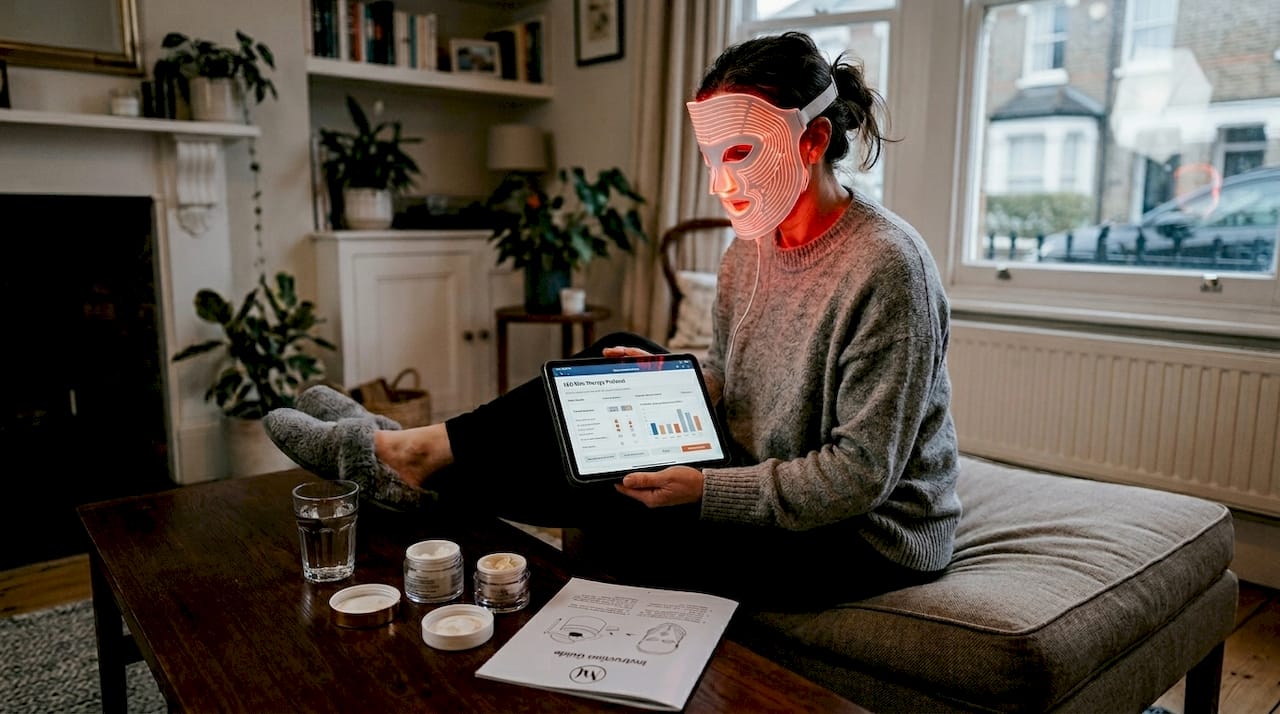
For some, LED scalp devices or physician-guided hair restoration systems can complement topical care well. For others, simplification is the smarter route. It depends on the cause, the degree of thinning and your willingness to maintain a multi-step plan.
This is where a premium edit has real value. The M-ethod Aesthetics approach is not about filling a basket for the sake of it. It is about selecting clinically credible products that work together and justify their place.
How to choose well in a crowded market
If you are deciding between scalp serums, read beyond phrases such as volumising, strengthening and fuller-looking. Those are cosmetic outcomes, not treatment signals. Ask what the formula is targeting. Is it shedding, density, scalp balance, inflammation or hair fibre thickness? The answer should be clear.
Then consider your own profile. Fine hair usually does best with weightless serums. Sensitive scalps need fragrance-conscious formulas with calming support. More advanced thinning may require a more intensive protocol and professional guidance. Price alone is not a quality marker, but when a product sits at a premium level, the formula, evidence and experience should reflect that.
The most worthwhile serum is rarely the one making the loudest claim. It is the one you can use consistently, tolerate well and trust to support a healthier scalp over time.
If your hair is thinning, start early, choose clinically rather than emotionally, and give the scalp the same level of intelligent care you expect from the rest of your skincare.