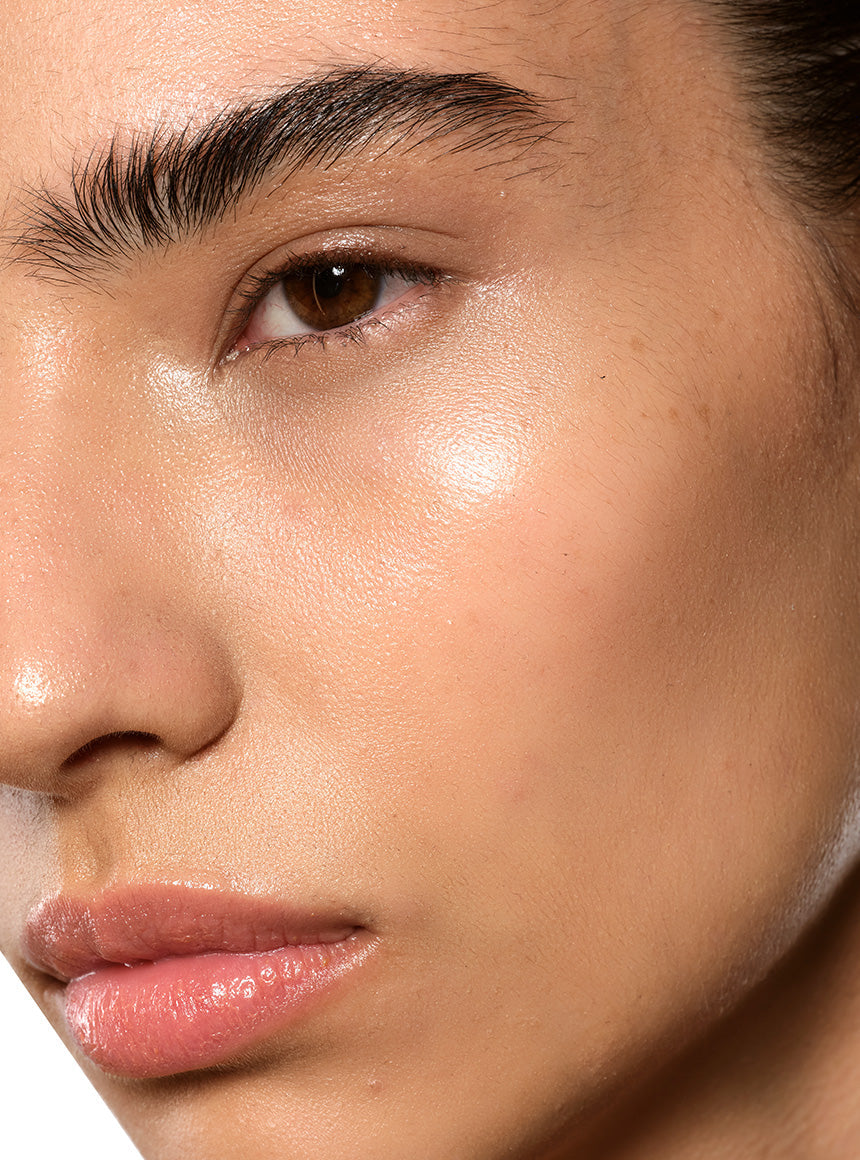





Clinically proven supplement options for skin health
TL;DR:
- Oral hyaluronic acid has the strongest independent evidence for improving skin hydration and elasticity.
- Collagen supplements show modest benefits but are affected by industry-funded research biases.
- Most skin improvements from supplements appear within 8 to 12 weeks of consistent use.
The supplement aisle has never been more crowded, and the promises have never been louder. From collagen powders to hyaluronic acid capsules, brands compete to convince you that radiant, youthful skin begins with a single daily pill. The reality is considerably more nuanced. Clinical evidence for many popular ingredients is genuinely promising in some areas, but also limited, industry-influenced, or simply not yet mature enough to justify the premium price tags attached to them. This guide cuts through the noise, presenting what the science actually says about the most widely used skin health supplements so you can make informed, confident choices.
Table of Contents
- How to choose effective supplements for skin health
- Clinically proven supplement options for skin health
- Comparing supplement options: What the evidence says
- Choosing the right supplement for your skin goals
- Our perspective: The truth about supplements for skin health
- Enhance your skincare results with premium solutions
- Frequently asked questions
Key Takeaways
| Point | Details |
|---|---|
| Evidence trumps hype | Supplements with clinical trial backing, like oral hyaluronic acid, offer the most reliable skin benefits. |
| Collagen is controversial | Collagen supplements may help with skin hydration and elasticity, but watch for industry-biased claims. |
| Goals guide choices | Select supplements based on your top skin priorities: hydration, pigmentation, anti-ageing, or elasticity. |
| Lifestyle matters | Supplements work best when paired with sun protection, diet, and high-quality topical care. |
How to choose effective supplements for skin health
To start, let us clarify what actually makes a skin supplement worth considering. Not all evidence is created equal, and the supplement industry is particularly prone to studies that flatter their sponsors. Industry-funded studies may show greater benefits than independent, high-quality ones, which is why we always look first at randomised controlled trials (RCTs) with independent funding before drawing conclusions.
When evaluating any supplement, the following criteria matter most:
- Evidence base: Is there RCT data, or only anecdotal reports and brand-sponsored studies?
- Therapeutic target: Does the ingredient address your primary concern, whether that is hydration, elasticity, pigment balance, or anti-ageing?
- Safety and tolerability: Are there known risks, allergic reactions, or digestive side effects to consider?
- Realistic timelines: Most well-conducted trials measure outcomes at 8 to 12 weeks. If a product promises results in days, be sceptical.
- Form and bioavailability: Hydrolysed peptides, liposomal vitamin C, and low molecular weight hyaluronic acid are absorbed more efficiently than their standard counterparts.
The oral collagen benefits seen in some studies, for example, differ notably depending on the type of peptide used and the study design. Similarly, understanding hyaluronic acid effects across different molecular weights is essential before choosing a supplement. Do not let glossy packaging substitute for clinical rigour.
Pro Tip: Supplements work best when combined with consistent sun protection, a balanced diet rich in antioxidants, and a well-formulated topical routine. No pill replaces the basics.
Clinically proven supplement options for skin health
With these criteria in mind, let us explore the most clinically supported supplement options available today.
Collagen peptides are arguably the most popular category. Collagen supplements may help with hydration and elasticity, but effects are less pronounced in high-quality independent studies. The mechanism is plausible: hydrolysed peptides are absorbed into circulation and may stimulate fibroblast activity. However, study quality and funding source significantly affect reported outcomes.
Oral hyaluronic acid (HA) has arguably stronger RCT support than collagen for skin-specific endpoints. Oral HA increases hydration, elasticity, and visibly reduces wrinkles in well-designed trials. Low molecular weight HA is absorbed most efficiently and appears to support the skin’s moisture-retaining capacity from within.

Vitamin C plays a central role in collagen synthesis and melanin regulation. Vitamin C may help with pigmentation and antioxidant protection, though the evidence is considerably stronger for topical application than for oral supplementation. Liposomal formulations improve oral bioavailability, but topical remains the gold standard for pigment concerns.
Polyphenols and flavanols, particularly those derived from cocoa and green tea, show antioxidant and photoprotective potential in human studies, though the research base is smaller and less consistent.
Niacinamide is celebrated as a topical ingredient, but its oral use for skin is far less well-evidenced. Explore hyaluronic acid supplements and vitamin C benefits for topical and oral options backed by stronger data.
‘For many, hyaluronic acid stands out for strong RCT data on hydration and elasticity, making it one of the most defensible oral supplements for skin health currently available.’
Comparing supplement options: What the evidence says
But how do these supplements compare side by side? Here is a quick look at the current evidence landscape.
| Supplement | Hydration | Elasticity | Pigmentation | Safety | Evidence strength |
|---|---|---|---|---|---|
| Collagen peptides | ✓✓ | ✓✓ | Limited | Generally safe | Moderate (industry bias) |
| Oral hyaluronic acid | ✓✓✓ | ✓✓✓ | Minimal | Well tolerated | Strong (independent RCTs) |
| Vitamin C (oral) | ✓ | ✓ | ✓✓ | Safe at standard doses | Moderate (topical stronger) |
| Polyphenols | ✓ | ✓ | ✓ | Safe | Emerging |
| Niacinamide (oral) | Limited | Limited | ✓ | Caution at high doses | Weak for skin |
The data behind oral HA is particularly compelling. In 12-week RCTs, HA supplementation reduced wrinkle depth and increased skin smoothness, with statistically significant improvements compared to placebo. This is not marketing language. These are measurable, peer-reviewed outcomes.
For collagen, a meta-analysis reported a standardised mean difference (SMD) of 1.25 for hydration improvement and 0.61 for elasticity, suggesting a positive trend. However, collagen’s mixed results and the concern around industry-funded bias mean these figures should be interpreted with appropriate caution rather than taken at face value.
Speed of results also varies. Most trials measure outcomes between 8 and 12 weeks, which aligns with the realistic timeline for cellular turnover and fibroblast stimulation. If you are considering collagen for hydration, commit to a consistent protocol for at least that duration before assessing efficacy.
Known limitations across the board include small sample sizes, short study durations, and a lack of head-to-head comparisons between supplement types. The field is still maturing.
Choosing the right supplement for your skin goals
Ready to choose? Here is how to select the right supplement for your specific needs.
Different skin goals call for different approaches. Matching your primary concern to the ingredient with the strongest evidence for that endpoint is the most rational strategy.
- Hydration: Choose oral hyaluronic acid, ideally low molecular weight, supported by the most robust independent RCT data for this endpoint.
- Elasticity and firmness: Consider combining oral HA with collagen peptides, recognising that collagen evidence, while positive, carries some industry bias.
- Pigmentation and uneven tone: Oral vitamin C may provide modest support, but a well-formulated topical vitamin C serum will likely deliver more reliable results.
- Anti-ageing broadly: A combination approach pairing oral HA with antioxidant-rich polyphenols and diligent UV protection offers the most evidence-informed strategy.
- General skin wellness: Omega-3 fatty acids and polyphenols have a respectable, if not landmark, body of evidence for supporting barrier function and reducing oxidative stress.
Lifestyle and dietary factors matter enormously here. Vegan clients should look for plant-derived HA capsules and liposomal vitamin C rather than marine or bovine collagen. Those with sensitive digestive systems should start with lower doses and increase gradually. Most skin improvements appear within 8 to 12 weeks, and short-term use appears safe for the majority of ingredients, though monitoring for allergic reactions and gastrointestinal responses is prudent.
Do exercise particular caution with oral niacinamide. While it is a superb topical ingredient, high oral doses may pose cardiovascular risks and direct skin benefits from supplementation remain poorly evidenced. Complement your supplement protocol with a clinically targeted moisturiser such as the restorative hydration cream by Calecim Professional for topical reinforcement.
Pro Tip: Always patch test new supplements in capsule form if they contain plant extracts or novel actives, and begin with the lowest recommended dose for the first two weeks to assess tolerance.
Our perspective: The truth about supplements for skin health
To round out this guide, our experience highlights a few deeper truths worth considering.
We work with clients daily who arrive expecting dramatic transformations from a single supplement. The honest answer is that most skin supplements offer modest, incremental benefits rather than dramatic transformations. Collagen shows mixed results with genuine concerns about industry bias, while HA and omega-3s are better supported by independent science.
What we consistently observe is that supplements perform best as one layer within a rigorous, multi-modal strategy. They are not a shortcut. The clients who see the most meaningful results are those combining targeted oral supplements with injectable moisturisers, prescription-strength topicals, structured UV protection, and sound nutritional habits.
A premium price tag does not automatically mean superior clinical outcomes. Some of the best-evidenced ingredients, including HA and vitamin C, are also among the most accessible. We encourage you to invest wisely: prioritise independent evidence, realistic timelines, and a holistic approach over aspirational label claims. That is how real, lasting skin health is built.
Enhance your skincare results with premium solutions
For those ready to elevate their skincare, here are complementary options to explore. Supplements are most powerful when paired with clinically proven topical and professional care. Our curated range includes the premium collagen hydrator by PCA Skin, formulated to support the skin’s structural integrity at the surface level. For those targeting advanced ageing concerns, the anti-ageing retinol night treatment by PCA Skin delivers proven cellular renewal. Explore advanced skin science with NeoStrata’s range, designed to complement your supplement protocol with results-driven actives. Every product we recommend is selected for its clinical credibility, not its marketing appeal.
Frequently asked questions
Which supplement is best for skin hydration?
Oral hyaluronic acid has the strongest hydration evidence among skin supplements, with multiple independent RCTs confirming measurable improvements in moisture levels and skin smoothness.
Can collagen supplements really reduce wrinkles?
Some studies show collagen can improve wrinkles and boost elasticity, but results vary considerably and industry funding is a consistent concern when interpreting positive outcomes.
Is oral vitamin C effective for pigmentation?
Oral vitamin C provides antioxidant support and may assist with brightening, but topical application delivers considerably stronger evidence for addressing melanin pigmentation directly.
Are there risks to taking oral niacinamide for skin?
High oral doses of niacinamide may carry cardiovascular risks, and current evidence for meaningful direct skin benefits through supplementation remains limited.
How long does it take to see results from skin supplements?
Most rigorously designed studies report skin improvements within 8 to 12 weeks of consistent daily use, which reflects the timeline of natural skin cell turnover.