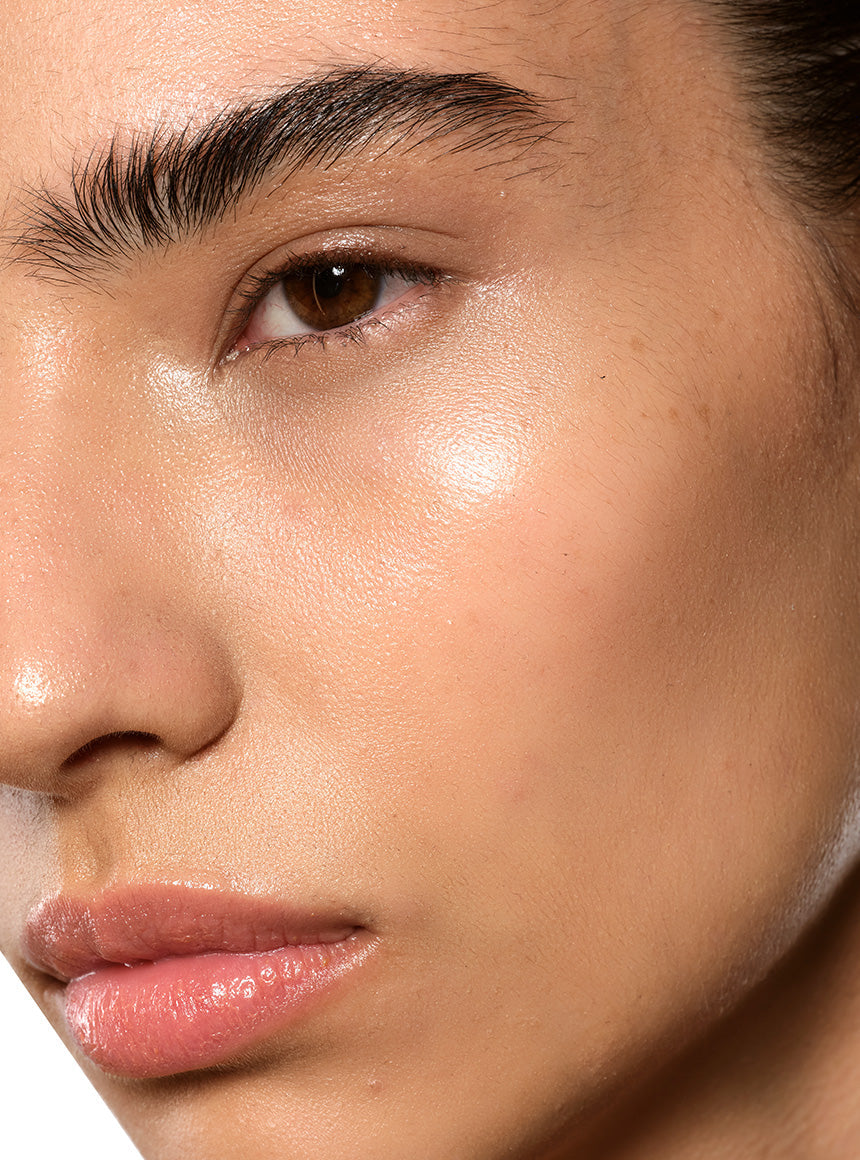





Botox vs Fillers: Match Lines, Lips, and Cheeks to the Right Treatment
Botox relaxes the muscles behind movement lines, while fillers add volume to soften static lines and restore contour. Botox typically lasts about 3–4 months, whereas fillers range from roughly 6–18+ months depending on the product (University of Utah Health). Many people choose one or both, and a qualified clinician should plan the treatment.
TL;DR:
- Botox reaches full effect within 14 days, while hyaluronic acid fillers show immediately, settle over 2–4 weeks, and can be dissolved with hyaluronidase.
- The American Society of Plastic Surgeons reports average prices of $715 per hyaluronic acid syringe and $901 per syringe for non hyaluronic acid fillers.
- Any severe pain, blanching, or skin discoloration after filler injections requires immediate review; trouble swallowing or breathing after Botox requires urgent medical attention.
- Before treatment, ask the clinician for the exact product, planned units or syringe volume, placement, credentials, and a complication plan, including access to hyaluronidase.
Table of Contents
- How does Botox work and what can you expect?
- How do dermal fillers work, and how long do they last?
- What are the practical differences between Botox and fillers?
- What are the side effects and warning signs?
- When does combining Botox and filler make sense?
- How do you choose a treatment and a provider?
- Who should wait, and who is a good candidate?
- How have injectable techniques evolved?
- Why realistic expectations matter most
- How can we help you plan your treatment?
- FAQ
- Sources
How does Botox work and what can you expect?
Botox is a neuromuscular blocker. According to the prescribing information for BOTOX Cosmetic, it reduces muscle contraction at the neuromuscular junction, so the lines created by repeated frowning, squinting or raising your brows soften. We treat it as a precision tool.
- Typical zones: the glabella (the frown lines between the brows), the forehead and crow’s feet, plus functional uses such as the masseter, mapped by your clinician.
- Onset: relaxation often begins within 3–5 days and reaches its full effect at up to 14 days (University of Utah Health).
- Duration: results generally last about 3–4 months, after which movement gradually returns.
Botox typically lasts about 3–4 months, with full effect at up to 14 days (University of Utah Health). That is why many of our clients plan treatment around a retreatment rhythm rather than waiting for lines to return fully.
How do dermal fillers work, and how long do they last?
Fillers add structure beneath the skin. Hyaluronic acid (HA) is the most widely used material: it is hydrophilic, so it draws in water and volumises, though it can look lumpy if placed incorrectly, as described in this literature review. Non-HA products and biostimulators work differently, prompting the skin to build its own support, and they generally last longer.
- Common areas: lips, cheeks, nasolabial folds, the jawline and tear troughs. Product choice depends on the area and your goal.
- Onset: the effect is immediate, with settling over 2–4 weeks (University of Utah Health).
- Longevity: a systematic review found HA fillers commonly retain effect for around 9–12 months, while some products last 2+ years.
- Reversibility: HA fillers can be dissolved with hyaluronidase, which matters if the result is not what you wanted. Our guide to dissolving botched fillers covers how that works.
Pro Tip: Ask for the exact product name and the syringe volume proposed, not just “filler for cheeks”.
What are the practical differences between Botox and fillers?
The shortest summary is “Botox relaxes, filler fills”, a distinction clinicians at University of Utah Health use. In daily life, Botox changes how your face moves, while filler adds palpable volume you can sometimes feel on touch.
- Speed: Botox builds over days; filler shows immediately and settles within weeks.
- Durability: Botox is the shorter-lived treatment, with a typical duration of 3–4 months. Many HA fillers last closer to a year.
- Reversibility: HA filler can be dissolved. Botox wears off but cannot be switched off on demand.
- Cost: HA fillers average about $715 per syringe and non-HA fillers about $901, with lip augmentation averaging $743, according to the American Society of Plastic Surgeons. Prices vary with practitioner, product and location. Botox is billed by area or units, so a single session often costs less, but it recurs more often.
- Matching concern to treatment: forehead lines point to a neuromodulator. Deep nasolabial folds or hollowing point to filler. Many midlife patients benefit from both.
What are the side effects and warning signs?
Both treatments are generally well tolerated in qualified hands, but you should know what is normal and what is not. Common minor effects include bruising, swelling, tenderness and brief asymmetry, which usually settle on their own.
Rarer events need prompt action:
- Spread of toxin effects: muscle weakness elsewhere, or difficulty swallowing or breathing, requires urgent medical attention (prescribing information).
- Vascular occlusion with filler: severe pain, blanching or discolouring skin after injection needs immediate review.
- Treatment of HA filler complications: hyaluronidase is the key reversal step, as the FDA’s consumer guidance explains.
- Botox complications: its effects fade with time rather than being reversible on demand.
Focal necrosis from vascular occlusion is rare, reported at about 0.001% of cases in some studies, and is treated with hyaluronidase (research review).
Outcomes are operator-dependent, so the American Society of Plastic Surgeons advises treatment only from board-certified plastic surgeons or qualified clinicians. Anatomical knowledge is what prevents complications such as over-correction.
When does combining Botox and filler make sense?
Many faces show both problems at once: lines from movement and softness from volume loss. Treating only one leaves the other visible. A Global Aesthetics Consensus recommends combined treatment tailored by facial zone and patient characteristics, and clinicians increasingly treat it as standard for facial harmonisation.
- Upper face and cheeks: a neuromodulator for frown and forehead lines, with filler to restore cheek support.
- Lower face: filler for nasolabial folds and jawline definition, with a neuromodulator where muscle pull deepens the mouth corners.
- Scheduling: some clinicians treat both in one visit, others stage them, so you can judge each result separately.
- Maintenance: neuromodulator and filler maintenance schedules vary by treatment and individual.
Evidence for combinations remains varied, as a systematic review of biostimulators and combined approaches notes, so a conservative plan with follow-up is wise.
How do you choose a treatment and a provider?
Walk into a consultation prepared, and the clinician can give you a better plan.
- Name your concern: is it a line that appears when you move (dynamic) or one visible at rest (static)?
- Decide how permanent you want it to be: a 3–4 month commitment feels very different from a year or more.
- Share your history: previous injectables, medications and medical conditions.
- Ask for specifics: the exact product, the units or syringes proposed and where they will be placed, as the FDA advises.
- Ask about safety: access to hyaluronidase and a clear plan if a complication occurs.
- Ask about credentials: training, qualifications and how the practice handles problems. One example of a US clinic listing shows the kind of detail worth looking for, such as named clinicians and services.
Treat vague “package” pricing with no product detail, and any injector who dodges questions about complications, as red flags. Budget for repeat sessions or several syringes, using the average cost ranges as a guide.
Pro Tip: Photograph your face at rest and mid-expression before the consultation, so you and your clinician agree on the target.
Who should wait, and who is a good candidate?
Suitability depends on your health, your goals and the area being treated. Neither treatment is right for everyone, and a thorough medical history is the foundation of safe care.
For Botox, clinicians generally take extra care with people who have neuromuscular conditions or who are pregnant or breastfeeding, and anyone with an active skin infection at the injection site should wait. Medications that affect muscle or nerve function should always be disclosed. The prescribing information sets out the formal warnings and contraindications.
For fillers, bleeding disorders and blood-thinning medication raise the likelihood of bruising, and active infection or inflammation near the area is a reason to postpone. A history of allergic reactions to filler ingredients, or of severe scarring, needs a frank discussion. Pregnancy and breastfeeding are generally reasons to defer treatment as well.
Suitability is also about expectations. Botox works best on lines caused by movement, so it cannot replace volume that has been lost. Filler cannot stop a muscle from creasing the skin. If your concern is skin quality rather than lines or volume, other approaches, such as biostimulators or collagen-stimulating treatments, may fit better. A clinician who listens to your goals before suggesting a syringe is the clinician to trust.

How have injectable techniques evolved?
Injecting has moved away from the “one product, one line” approach towards whole-face planning. Clinicians now map how muscles, fat and bone interact, and they place smaller amounts in more precise locations.
For neuromodulators, that means finer dosing by muscle and by patient, so that you keep natural expression while softening lines. Dosing guidance has become more individual, which is why our Botox units guide emphasises facial mapping.
For fillers, the range of products has widened. Newer HA formulations are designed for particular areas and tissue depths, and non-HA biostimulators work by encouraging the skin to build its own support. Skin-quality treatments such as Profhilo, which we explain in our Profhilo guide, sit alongside traditional filler for hydration rather than volume. Clinicians also pair injectables with energy-based devices, and a systematic review of these combinations highlights both their promise and the need for more consistent studies.
The direction of travel is clear: subtler results, safer technique and tailored plans.

Why realistic expectations matter most
I believe injectables work best when they are about harmonisation, not chasing a single trending look. A well-trained clinician reads your anatomy, listens to what bothers you, and often recommends less than you expected. That restraint is a sign of skill, not hesitation.
The safest results come from qualified hands, clear product information and a plan for what happens if something goes wrong. Ask the awkward questions, and favour providers who welcome them.
— Jess
How can we help you plan your treatment?
We offer clinician-led guidance and in-clinic treatment, so you can decide with confidence. You can book an online skin consultation to get product names, treatment mapping and a complication-management plan before you commit to anything.
If you prefer to be seen in person, our clinics in London and Athens offer:
- Anti-wrinkle injections and tailored injectable plans
- Profhilo, microneedling and HIFU for skin quality and lifting
- Polynucleotides for skin rejuvenation
Current pricing is available on our site.
This article is general information, not a substitute for advice from a qualified doctor. Consult a qualified healthcare professional about your own circumstances before acting on anything here.
FAQ
Why are people moving away from fillers?
Many people now prefer subtler, more natural results, and clinicians increasingly favour smaller amounts and skin-quality treatments over heavy volume. Others like the flexibility of treatments that fade, or that can be dissolved if they change their mind.
What is the best filler for older skin?
There is no single best filler. Mature skin often benefits from softer HA products for hydration and structure, sometimes alongside biostimulators, chosen for the area being treated. A clinician should select the product after assessing your skin and anatomy.
Do filler injections hurt?
Most people describe mild discomfort, and many fillers contain a numbing agent, with topical anaesthetic often used as well. Bruising and tenderness afterwards are common and usually settle within days.
Which lasts longer, Botox or filler?
Filler generally lasts longer. Botox typically lasts about 3–4 months, while many HA fillers average 9–12 months and some products last up to 2 years (University of Utah Health).
Sources
- Healthcare
- Fda
- Taking the mystery out of Botox and dermal fillers | ASPS
- Dermal Fillers Cost | American Society of Plastic Surgeons