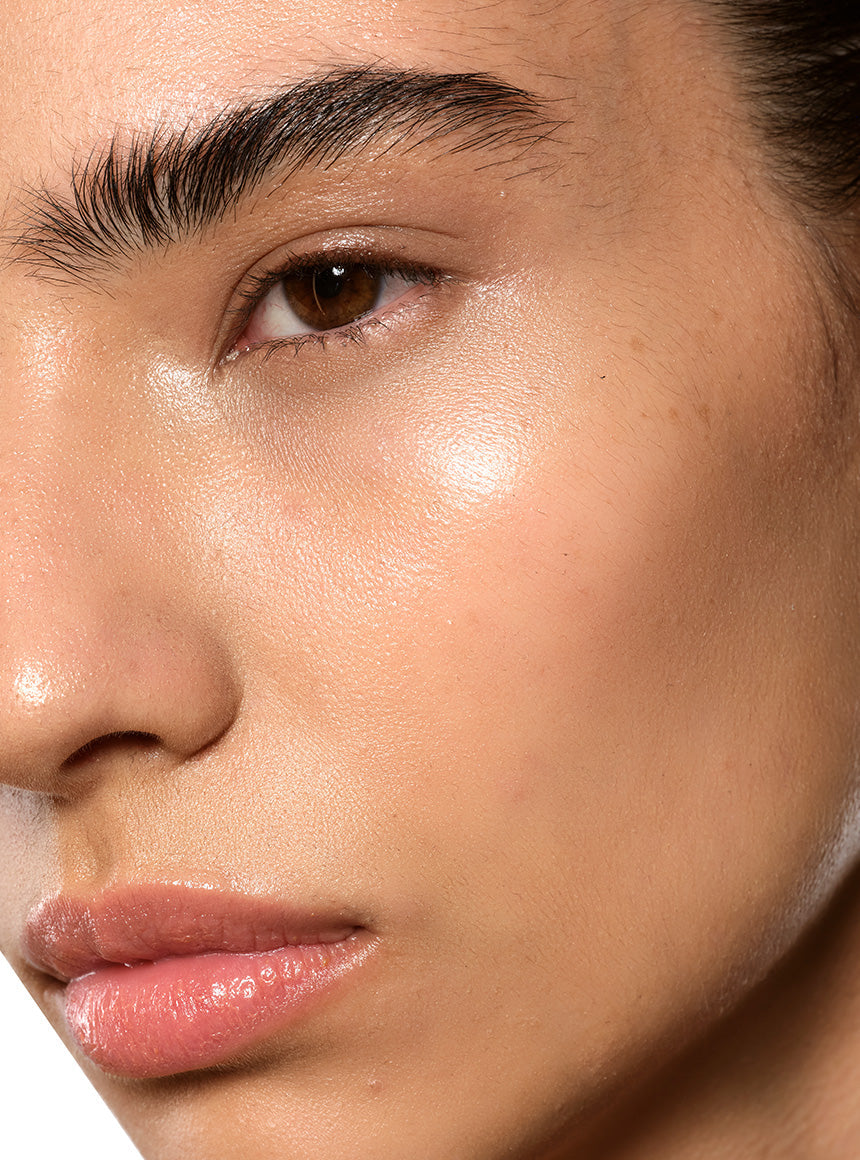




Άρθρο: How to Treat Compromised Skin Barrier

How to Treat Compromised Skin Barrier
Your skin usually tells you before it fully protests. A cleanser that never used to sting suddenly burns. Your usual retinoid feels aggressive. Redness lingers, tightness sets in by midday, and moisturiser seems to vanish on contact. If you are searching for how to treat compromised skin barrier, the priority is not to add more actives. It is to reduce stress on the skin, rebuild tolerance, and restore function.
A compromised barrier is not a niche concern. It is one of the most common reasons high-performing skincare stops performing well. Over-exfoliation, prescription actives, in-clinic procedures, cold weather, aggressive cleansing, and even hard water can all leave skin less able to hold on to hydration and more reactive to products that were once well tolerated. The answer is rarely a dramatic 10-step reset. It is precise, disciplined repair.
What a compromised skin barrier actually looks like
The skin barrier is the outermost defence system of the skin, often described as a brick-and-mortar structure. The skin cells are the bricks, and lipids such as ceramides, cholesterol, and fatty acids act as the mortar. When that structure is intact, skin feels balanced, appears smoother, and is better able to keep irritants out and water in.
When it is compromised, the signs are usually quite recognisable. Skin may feel tight after cleansing, look dull yet also appear shiny from dehydration, flush easily, sting when products are applied, or develop dry patches that do not resolve with a basic moisturiser. Some people notice a sudden increase in breakouts because a damaged barrier can trigger inflammation and leave acne-prone skin even harder to manage. Others see more pronounced sensitivity around the cheeks, mouth, or eye area.
There is a trade-off here that many skincare users miss. Potent formulas can drive impressive results, but skin that is pushed too hard cannot respond well. Barrier health is not a soft extra. It is what allows corrective skincare to work over time.
How to treat compromised skin barrier without making it worse
The first phase of treatment is subtraction. If your skin is inflamed, reactive, or stinging, stop anything that increases turnover or exfoliation for the moment. That usually means pausing retinoids, exfoliating acids, scrubs, strong vitamin C formulas in low-pH formats, and at-home peels. Even products marketed as brightening or resurfacing can be too much when the barrier is impaired.
This does not mean those ingredients are unsuitable forever. It means your skin is not in a position to benefit from them right now. Continuing to push through irritation often extends recovery.
Keep cleansing gentle and infrequent enough to avoid stripping. In most cases, a mild, non-foaming or low-foam cleanser used with lukewarm water is the best choice. Skin should feel clean, not squeaky. If you wear heavier make-up or SPF, a careful first cleanse can help, but avoid turning cleansing into a treatment step.
Your next focus is replenishment. Look for moisturisers and serums that support the barrier with humectants and lipids. Ingredients such as ceramides, glycerin, hyaluronic acid, squalane, panthenol, niacinamide, and cholesterol can all be helpful, although even excellent ingredients depend on formulation and tolerance. If niacinamide tends to flush your skin, for example, this may not be the moment to force it.
A good barrier-repair routine is often intentionally unglamorous: gentle cleanse, hydrating serum if tolerated, rich but breathable moisturiser, and broad-spectrum SPF during the day. At night, many skins recover well with moisturiser alone or moisturiser layered over a simple hydrating step.
The ingredients that genuinely help repair
Barrier repair is not about chasing trend ingredients. It is about replacing what the skin is missing and reducing water loss.
Ceramides are particularly valuable because they are a natural component of the skin barrier and help reinforce that outer structure. Cholesterol and fatty acids work alongside them, which is why formulas containing a blend of these lipids often perform better than those built around a single hero ingredient. Glycerin is one of the most reliable humectants for drawing water into the skin, while hyaluronic acid can support hydration when paired with a proper moisturiser on top.
Panthenol and allantoin are useful when skin is sore, as they help calm and comfort. Colloidal oatmeal can also be excellent for visible irritation and dryness. Squalane offers lightweight emollience and tends to suit many skin types, including those that are blemish-prone.
Petrolatum is sometimes overlooked in premium skincare conversations, yet it remains one of the most effective occlusive ingredients for reducing transepidermal water loss. That said, texture matters. Some clients love a richer occlusive layer at night; others find it too heavy or unsuitable for humid conditions. This is where tailored guidance matters more than blanket advice.
A simple routine for barrier recovery
Morning
Use a gentle cleanse only if needed. Some very dry or sensitive skins do better with just lukewarm water in the morning. Follow with a hydrating or soothing serum, then a barrier-focused moisturiser. Finish with a broad-spectrum SPF every day, because UV exposure delays recovery and drives inflammation.
Evening
Cleanse thoroughly but gently to remove SPF, make-up, and daily debris. Apply a simple hydrating layer if your skin benefits from it, then use a moisturiser designed to support repair. If your skin is extremely dry or flaky, an occlusive layer on the driest areas can help seal everything in overnight.
The temptation is often to keep adding rescue products. Resist that urge. Skin repair usually responds better to consistency than complexity.
How long does it take to repair a compromised barrier?
It depends on the cause and the degree of damage. Mild disruption from seasonal dryness or a brief run of over-exfoliation may improve within days to two weeks. More significant compromise after aggressive actives, frequent peels, or procedures can take several weeks.
The key sign that you are moving in the right direction is not instant glow. It is a reduction in stinging, less visible redness, improved comfort after cleansing, and skin that stays hydrated for longer. Once that baseline calm returns, you can consider reintroducing corrective actives carefully.
When to reintroduce retinoids, acids, and stronger actives
This is where many routines unravel. The moment skin starts to look better, people often go straight back to the intensity that caused the problem.
Reintroduction should be slow and strategic. Start with one active, not several. Reduce frequency before reducing ambition - for example, use a retinoid once or twice weekly rather than nightly. Buffering with moisturiser may help if your skin tolerates that approach. If irritation returns quickly, step back again. Skin resilience is built, not rushed.
Acids deserve particular caution. If over-exfoliation contributed to your barrier disruption, do not bring back multiple exfoliants simply because they are marketed for glow or texture. One well-chosen active used intelligently is usually more effective than a crowded routine.
Mistakes that prolong a damaged barrier
The most common mistake is confusing dehydration, irritation, and breakouts with a need for stronger treatment. Stripped skin can become congested, shiny, flaky, and inflamed all at once. Throwing more exfoliants at that picture often worsens it.
Another mistake is using too many new products at the same time. When skin is reactive, even well-formulated products can feel overwhelming if layered excessively. Fragrance-heavy products, harsh cleansing tools, very hot water, and frequent sheet masking can also keep skin in a cycle of low-grade irritation.
Environment matters too. Central heating, cold wind, long-haul travel, and low humidity all increase water loss from the skin. In these moments, your routine should become more protective, not more ambitious.
When barrier damage may need professional guidance
If your skin is persistently red, painful, itchy, swollen, or developing rash-like patches, it may not be simple barrier disruption. Conditions such as eczema, perioral dermatitis, rosacea, seborrhoeic dermatitis, or allergic contact dermatitis can mimic a compromised barrier and require a more precise approach.
This is especially relevant if every product seems to burn, symptoms are concentrated around the eyes or mouth, or your skin is worsening despite simplification. Clinically led skincare matters here because not all sensitivity is the same, and not all repair routines should look identical.
For clients using prescription retinoids, pigment-correcting programmes, or post-procedure protocols, expert adjustment is often the difference between abandoning treatment and achieving visible results safely. At The M-ethod Aesthetics, that kind of regimen refinement is part of what turns advanced skincare into long-term skin health.
Healthy skin is rarely the result of doing more. More often, it comes from knowing when to pause, when to protect, and when to let the skin rebuild before asking it to perform again.