



Άρθρο: Build an effective skincare routine for pigmentation

Build an effective skincare routine for pigmentation
TL;DR:
- Hyperpigmentation, including dark spots and melasma, is treatable with a combination of active ingredients, strict routines, and daily broad-spectrum SPF 50+. Consistent adherence, sun protection, and personalized protocols are essential, especially for darker skin tones or pregnancy considerations, to achieve and maintain results. Professional guidance and dermatologist-approved products enhance effectiveness and help tailor treatments to individual skin needs.
Stubborn dark spots, uneven skin tone, and persistent melasma patches are among the most frustrating skin concerns to manage. You apply product after product, yet the pigmentation remains. The good news is that pigmentation is treatable with the right combination of actives, a disciplined daily routine, and, above all, broad-spectrum SPF 50+ daily applied without exception. This guide takes you through the science, the products, and the precise routine steps that genuinely move the needle on hyperpigmentation, whatever your skin tone or starting point.
Table of Contents
- What causes pigmentation and why routines matter
- Gathering your essentials: Products and preparation
- Step-by-step skincare routine for pigmentation
- Adapting your routine: Skin tone, pregnancy, and safety
- Monitoring results and troubleshooting common challenges
- The uncomfortable truth: Consistency is the real secret for pigmentation success
- Next steps: Professional products and expert support
- Frequently asked questions
Key Takeaways
| Point | Details |
|---|---|
| SPF is non-negotiable | Daily, high-protection sunscreen is the key to both treating and preventing pigmentation. |
| Prescription creams outperform | Triple combination creams, used under supervision, yield the fastest visible results for stubborn pigmentation. |
| Tailored routines matter | Adapting product choices for pregnancy, sensitivity, and skin tone maximises results and safety. |
| Patience and consistency required | Noticeable improvement usually appears in 4-12 weeks but demands diligent, ongoing application. |
| Seek expert guidance | Consulting a dermatologist helps optimise routines and prevent complications from strong actives. |
What causes pigmentation and why routines matter
Having set the goal for a clearer complexion, it is important to start by understanding why pigmentation forms and persists. Melanin overproduction is the root cause of all hyperpigmentation, but the triggers vary considerably depending on the type you are dealing with.
The three most common types are:
- Melasma: Driven primarily by hormonal fluctuations, UV exposure, and visible light. It appears as symmetrical, cloud-like patches on the cheeks, forehead, and upper lip, and it is notoriously prone to recurrence.
- Post-inflammatory hyperpigmentation (PIH): Follows injury or inflammation, including acne, eczema flares, or aggressive treatments. Darker skin tones are significantly more susceptible.
- Solar lentigines (sun spots): Caused by cumulative UV exposure over years, these appear as defined, flat spots on areas of chronic sun exposure.
What makes pigmentation so persistent is that melanocytes, the pigment-producing cells, have a long memory. Even after a trigger is removed, they can remain primed to overproduce melanin at the slightest provocation. UV and visible light exacerbate both melasma and general hyperpigmentation, which is why sun protection is not just a supporting step but a non-negotiable cornerstone of any treatment plan.
“Pigmentation is a chronic condition, not a short-term cosmetic issue. Without ongoing maintenance and strict sun avoidance, even the most effective prescription treatments will ultimately lose ground.”
It is also worth noting that routine adherence matters more here than with almost any other skin concern. Missing SPF for a single sunny afternoon can reverse weeks of progress. For those with darker skin tone adaptations to consider, the interaction between visible light and melanin production makes tinted sun protection even more critical.
Gathering your essentials: Products and preparation
After understanding what drives pigmentation, knowing which products give you the best chance of improvement is vital. Not all treatments are equal, and the difference between prescription and over-the-counter options is significant in terms of clinical evidence.
Prescription versus over-the-counter options
The gold standard for moderate to severe melasma and PIH is the prescription triple combination cream containing 4% hydroquinone, 0.05% tretinoin, and 0.01% fluocinolone acetonide, applied nightly for 8 to 12 weeks under dermatologist supervision. This formulation works on three fronts simultaneously: inhibiting melanin synthesis, accelerating cell turnover, and controlling inflammation.
For those who cannot use hydroquinone, evidence-backed alternatives include:
- Azelaic acid at 15 to 20% concentration
- Tranexamic acid, either topically or orally at 250mg twice daily for 12 weeks
- Cysteamine cream
- Kojic acid
- Niacinamide at 4 to 10%
These are particularly valuable for maintenance after a hydroquinone course, and they are generally better tolerated for sensitive or reactive skin.
| Product type | Strength | Best for | Availability |
|---|---|---|---|
| Triple combination cream | Prescription | Moderate to severe melasma, PIH | Dermatologist only |
| Azelaic acid 15 to 20% | Prescription/OTC | All types, sensitive skin, pregnancy | Rx or OTC |
| Niacinamide 10% | OTC | Mild PIH, maintenance | OTC |
| Tranexamic acid | Rx/OTC | Melasma, post-HQ maintenance | Both |
| Broad-spectrum tinted SPF 50+ | OTC | All types, essential | OTC |
Supportive products that complete the routine
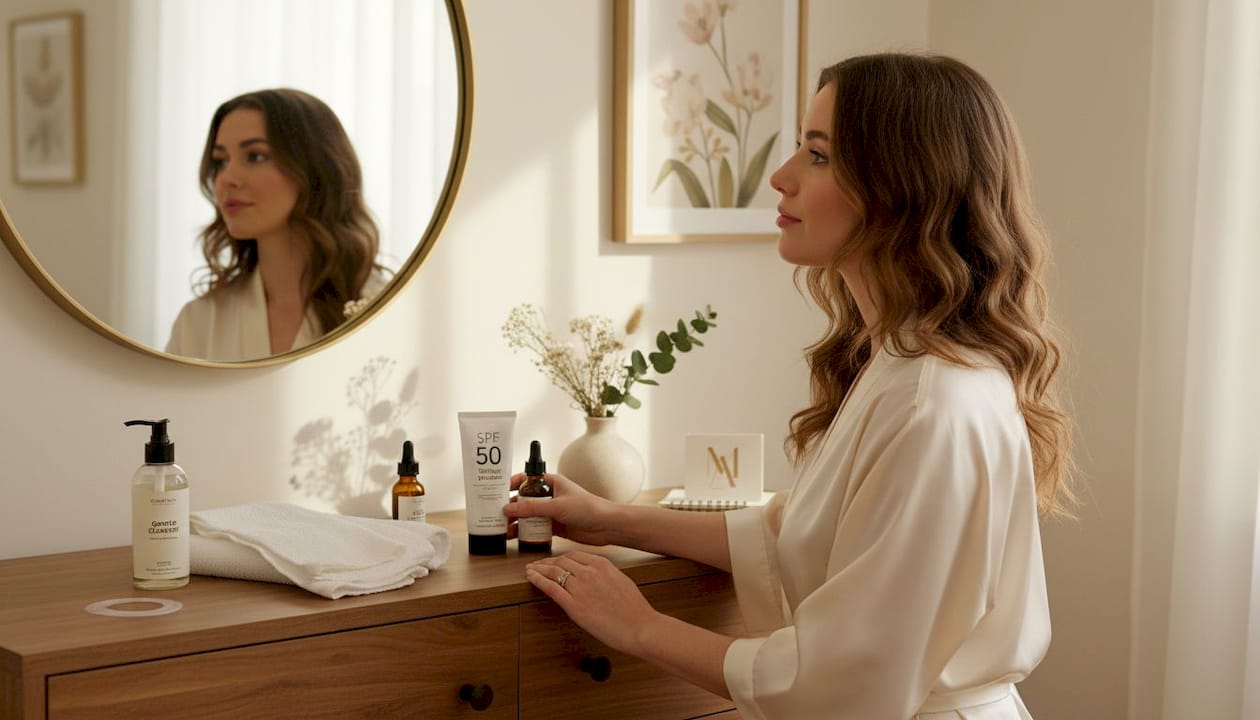
Beyond actives, a gentle, non-stripping cleanser protects the skin barrier, which is often compromised when using potent ingredients. A fragrance-free, ceramide-rich moisturiser is equally important for buffering irritation from tretinoin or azelaic acid. For those with concerns about safety during pregnancy, reviewing pregnancy-safe pigmentation actives is a sensible first step before starting any new regimen.
Pro Tip: When choosing your SPF, look specifically for tinted formulations with iron oxide. Plain mineral or chemical SPFs protect against UV but offer limited defence against visible and blue light, which are significant triggers for melasma. The best sunscreen for pigmentation will address both UV and visible light concerns in a single product.
Step-by-step skincare routine for pigmentation
With your essentials on hand, you are ready to follow a regimen shown to yield visible results. The key principle here is layering actives in the correct order, starting slowly, and never compromising on morning sun protection.
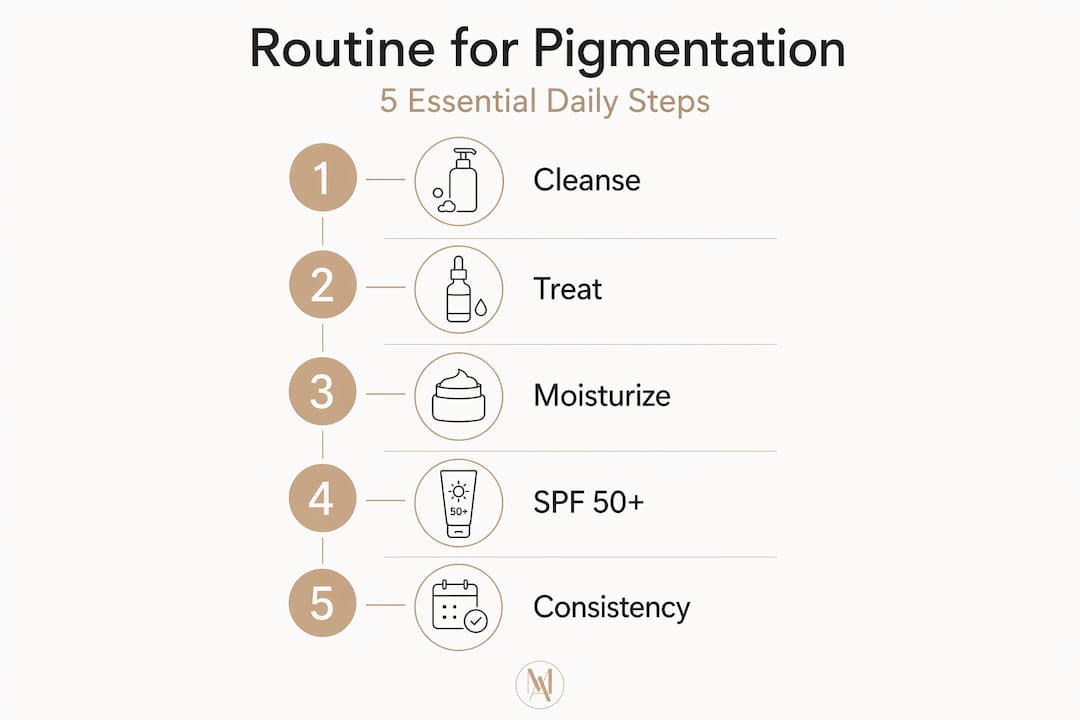
Morning routine
- Cleanse with a gentle, low-pH cleanser. Avoid foaming formulas with sulphates, which can disrupt the skin barrier.
- Apply antioxidant serum. Vitamin C (L-ascorbic acid at 10 to 20%) is the benchmark choice, as it inhibits tyrosinase, boosts collagen production, and neutralises free radicals from UV exposure. Niacinamide is an excellent alternative for those who find vitamin C irritating.
- Moisturise with a lightweight, occlusive-free formula to lock in hydration without congesting pores.
- Apply SPF 50+ broad-spectrum sunscreen as the final step. Reapply every two hours if you are spending time outdoors.
Evening routine (prescription active users)
- Double cleanse if wearing SPF and makeup. Begin with an oil-based cleanser, then follow with your gentle cleanser.
- Cleanse again if a single cleanser suffices for your routine.
- Wait for skin to dry fully (approximately 20 to 30 minutes) before applying actives. Applying tretinoin or hydroquinone to damp skin increases absorption and significantly raises the risk of irritation.
- Apply a pea-sized amount of your triple combination cream or chosen active to the affected areas. Start with 2 to 3 nights per week and increase frequency gradually as tolerance builds.
- Moisturise over the active if any dryness or irritation is present. This is known as the “sandwich method” and is particularly helpful during the first four weeks of tretinoin use.
The clinical rationale behind this combination is well established. Hydroquinone inhibits tyrosinase, tretinoin accelerates cell turnover to disperse existing pigment, and the corticosteroid component controls the inflammation that can otherwise trigger rebound PIH. Together, these mechanisms deliver 60 to 80% improvement within 8 to 12 weeks in clinical studies.
| Feature | Prescription routine | Alternative routine |
|---|---|---|
| Primary active | Triple combination cream | Azelaic acid or tranexamic acid |
| Speed of results | 8 to 12 weeks | 12 to 16 weeks |
| Irritation risk | Moderate to high | Low to moderate |
| Supervision required | Yes, dermatologist | Not always |
| Maintenance phase | Alternatives or lower-strength HQ | Continue alternatives |
For a detailed overview of how prescription-grade options fit into a professional pigmentation regimen, we recommend reviewing our full guide, which addresses combined concerns including ageing and acne alongside pigmentation.
Pro Tip: Never apply retinoids or hydroquinone to wet skin. The “dry down” step is one of the most commonly skipped instructions and one of the most important. Wet skin dramatically increases penetration and irritation risk.
Adapting your routine: Skin tone, pregnancy, and safety
No routine is one-size-fits-all; let us tailor your programme for your complexion and safety needs.
Darker skin tones present specific considerations when managing pigmentation. Melanocytes in deeper complexions are more reactive, meaning any trauma or irritation can actually trigger more pigmentation rather than less. This is why the approach must be measured. Tinted SPF with iron oxide is especially important for these skin tones, as visible light stimulates melanogenesis even in the absence of UV radiation.
Key safety considerations by skin type and life stage:
- Darker skin tones: Prioritise anti-inflammatory actives such as niacinamide and azelaic acid alongside tinted SPF. Introduce tretinoin or hydroquinone very gradually and use buffering moisturiser consistently. More on routine adaptations for darker skin is available in our specialist guide.
- Pregnancy: Hydroquinone and high-strength retinoids are not considered safe during pregnancy. Azelaic acid and niacinamide are the recommended alternatives and remain effective for most types of hyperpigmentation. Our guide to pregnancy-safe pigmentation routines covers this topic in depth.
- Long-term hydroquinone use: Hydroquinone should not be used continuously for more than six months due to the risk of ochronosis, a paradoxical darkening of the skin from prolonged exposure. After completing a course, transition to a maintenance alternative such as tranexamic acid or niacinamide.
- Sensitive skin: Azelaic acid is often the most suitable prescription-level active for those with rosacea or reactive skin, given its anti-inflammatory and tyrosinase-inhibiting properties.
“Irritation is not a sign that the product is working. It is a signal that the barrier is compromised, and a compromised barrier will worsen pigmentation, not improve it. Always buffer before you increase frequency.”
Monitoring for signs of overuse is critical. Persistent redness, stinging, peeling beyond mild flaking, and paradoxical darkening are all reasons to pause and consult a clinician.
Monitoring results and troubleshooting common challenges
As you follow through, here is how to track progress, know what is normal, and sidestep pitfalls.
What to expect and when:
- Weeks 1 to 4: Mild adjustment reactions including flaking and temporary redness are normal, especially with tretinoin-containing formulas. Pigmentation may initially appear more visible as cellular turnover accelerates.
- Weeks 4 to 8: Visible lightening should begin, particularly in well-defined sun spots and PIH. Melasma tends to respond more slowly.
- Weeks 8 to 12: Significant improvement expected with good adherence. Clinical data shows that triple combination cream clears approximately 70% of the MASI (Melasma Area and Severity Index) score in 8 weeks, compared to roughly 40% with hydroquinone alone.
Common setbacks and how to avoid them:
| Challenge | Cause | Solution |
|---|---|---|
| Rebound PIH | Stopping active too abruptly | Taper down gradually, continue SPF |
| Lack of progress | Sunscreen non-compliance | Reapply SPF every 2 hours outdoors |
| Excessive irritation | Applying to damp skin | Always wait for full dry down |
| Worsening of melasma | Heat exposure | Avoid steam, saunas, high-heat exercise |
Pro Tip: Taking a photograph in the same lighting conditions at the same time each week is one of the most practical ways to objectively assess progress. Subjective self-assessment is often unreliable when changes occur gradually.
For cases that do not respond to topicals after 12 weeks of consistent use, escalation to professional procedures including picosecond laser or Q-switched Nd:YAG lasers may be considered. These carry a meaningful risk of rebound PIH in approximately 20 to 30% of cases, however, and should be approached carefully. The Calecim professional pigment solution is one option we frequently recommend as part of a post-procedure maintenance protocol, given its stem-cell-derived actives that support barrier recovery alongside pigment regulation.
The uncomfortable truth: Consistency is the real secret for pigmentation success
Beyond the data and the routines, there is an underlying reality that we rarely see addressed candidly. The reason most people fail to see results from clinically proven pigmentation treatments has nothing to do with the products themselves. It is almost always about what happens outside the prescribed routine.
We see this regularly with clients who invest in prescription-grade actives, only to leave the house in spring sunshine without re-applying their SPF. One unprotected weekend can undo six weeks of faithful nightly treatment. Strict adherence to the full protocol is not just important. It is the difference between results and frustration.
There is also an uncomfortable truth about timelines. Most people expect to see a transformed complexion in two weeks. Clinically, meaningful change begins at four weeks and reaches its peak at twelve. Abandoning a routine at week three because progress seems slow is one of the most common mistakes we see.
The other issue is individualisation. What works brilliantly for one person’s melasma may trigger rebound PIH in another. A regimen that clears post-acne marks on a fairer complexion in eight weeks may need to be significantly adapted for deeper skin tones. This is precisely why virtual consultations with a qualified dermatologist or skin clinician matter. Rather than adopting a generic protocol, you get a regimen calibrated to your skin’s specific triggers, tolerance, and goals. For deeper guidance on building a tailored approach, our expert routine insights guide offers clinician-reviewed recommendations.
Pigmentation is a long-term condition. Even after achieving a clear, even complexion, maintenance is not optional. SPF becomes a permanent daily habit, not a treatment phase. Actives may reduce in frequency but rarely disappear from the routine entirely. Accepting this reality early makes adherence far more manageable.
Next steps: Professional products and expert support
Armed with knowledge and a clear plan, the natural next step is accessing the right products and expert support to put it all into practice. At The M-ethod Skin, we carry a carefully curated range of dermatologist-approved and prescription-strength formulations specifically chosen for their clinical efficacy in treating hyperpigmentation. The PCA Clearskin serum offers a targeted brightening formula suitable for daily use alongside active treatments, combining niacinamide and barrier-supporting ingredients. For a broader range of treatment options, our Neostrata pigmentation collection includes clinically validated formulas that address multiple pigmentation mechanisms in one range. If your case is complex, persistent, or needs professional assessment, our virtual consultations with leading clinicians are available for personalised guidance, wherever you are in the world.
Frequently asked questions
How soon can I expect results from a prescription pigmentation routine?
Visible improvement is often seen between 4 and 12 weeks with strict adherence to the routine, though melasma may require longer to respond fully.
Can I use hydroquinone long term for pigmentation?
Hydroquinone is not recommended for continuous use beyond six months due to the risk of ochronosis; transitioning to alternative maintenance actives such as tranexamic acid or niacinamide is advised.
What is the most important step to prevent pigmentation from returning?
Daily use of a broad-spectrum SPF is the single most critical step for preventing pigmentation from recurring, regardless of which actives you are using.
Are there pregnancy-safe treatments for pigmentation?
Both azelaic acid and niacinamide are considered safe during pregnancy and offer effective options for managing hyperpigmentation without the risks associated with hydroquinone or retinoids.
Does a prescription routine work better than over-the-counter options?
Yes, significantly so. Triple combination cream clears approximately 70% of the MASI pigmentation score in 8 weeks, compared to roughly 40% with over-the-counter hydroquinone used alone.