



Best Moisturiser After Retinol for Calmer Skin
Retinol can refine texture, soften the appearance of lines and support a clearer, more even-looking complexion. Yet the results are only as good as your skin’s ability to tolerate it. The best moisturiser after retinol is not necessarily the richest formula on the shelf. It is the one that restores comfort and barrier function without congesting your skin or competing with the active treatment.
For a premium retinoid regimen, moisturiser is not an optional finishing step. It is the product that helps you stay consistent enough to see the benefits. Choose it with the same care you would give to your vitamin A serum.
What makes the best moisturiser after retinol?
Retinol speeds up cellular renewal. This can be highly effective for dullness, uneven tone, breakouts and visible signs of ageing, but it may also bring temporary dryness, flaking, sensitivity or tightness - particularly when you first begin. A well-formulated moisturiser limits water loss from the skin and supplies ingredients that support the outer barrier.
Look first for ceramides, cholesterol and fatty acids. These skin-identical lipids work together to reinforce the barrier rather than simply coating the surface. Glycerin and hyaluronic acid attract water into the upper layers of skin, while squalane can soften dry areas with a light, elegant feel. Panthenol, beta-glucan and ectoin are also excellent choices when the complexion feels reactive or compromised.
The ideal texture depends on your skin, not on a universal rule. A lightweight lotion or gel-cream may be entirely sufficient for oily, acne-prone skin. Dry, mature or sensitised skin often benefits from a more nourishing cream with barrier lipids and an occlusive component to keep hydration in place. If your cheeks feel tight but your T-zone becomes shiny, apply a lighter layer all over and press an extra half-pump or small amount of cream into the drier areas.
A sophisticated retinol moisturiser routine should feel comfortable by morning. Persistent stinging, hotness, shiny tightness or flakes that worsen week by week are signals to reassess the strength or frequency of your retinoid, rather than simply adding more active products.
The ingredients to prioritise, and those to pause
Your moisturiser should be deliberately uncomplicated on retinol nights. A formula can still feel luxurious and deliver meaningful results, but it does not need exfoliating acids, additional retinoids or a high level of fragrance to do its job.
Ceramides are particularly valuable when your skin barrier is under pressure. Think of them as the mortar between the skin’s protective cells. They are most effective when paired with cholesterol and fatty acids in a balanced formula. Niacinamide can also be helpful for barrier support, oil regulation and the appearance of uneven tone, although highly sensitised skin may prefer a simple formula at first.
Peptides are compatible with retinol and can be a considered addition for those focused on firmness and mature skin concerns. Antioxidant-rich moisturisers may work beautifully too, but keep your routine measured when you are newly adjusting to a retinoid. The aim is visible progress without inflammation, especially for skin prone to post-inflammatory hyperpigmentation.
On the evenings you use retinol, it is usually wise to pause leave-on AHAs, BHAs and physical exfoliants unless your clinician has given you a specific protocol. Benzoyl peroxide can also be too drying alongside retinol for some complexions. If acne is your priority, alternating treatments across the week is often more refined, and more sustainable, than layering everything in one evening.
How to apply moisturiser with retinol
There are three intelligent ways to combine moisturiser and retinol. The right approach depends on your tolerance, skin type and the formula you use.
If your skin is already comfortable with retinol, apply it to clean, completely dry skin first. Follow with moisturiser after allowing the retinoid a moment to settle. This approach keeps the retinol step direct while giving your skin the support it needs afterwards.
If you are new to retinol, or your skin is dry and easily reactive, use the sandwich method. Apply a thin layer of moisturiser, add your retinol once that layer has absorbed, then finish with a second layer of moisturiser. This can soften the intensity of the treatment while you build tolerance. It is a sensible strategy, not a failure to use the product properly.
For very sensitive skin, apply moisturiser first and leave it at that after your retinol application. A single buffering layer can make regular use possible where bare-skin application causes irritation. Results come from long-term consistency, not from pushing your skin through discomfort.
Keep retinol away from the corners of the nose, lips and eyelids unless the product is specifically designed and approved for those areas. These zones tend to show irritation first. A small amount of bland barrier cream around them before application can be helpful during the adjustment period.
Start slowly, even if your skin is resilient
Two evenings a week is a polished starting point for many people, followed by non-retinol recovery nights. Move to alternate nights only when your skin remains calm for several weeks. Retinol strength, format and your wider regimen all affect tolerance, so there is no prize for accelerating the schedule.
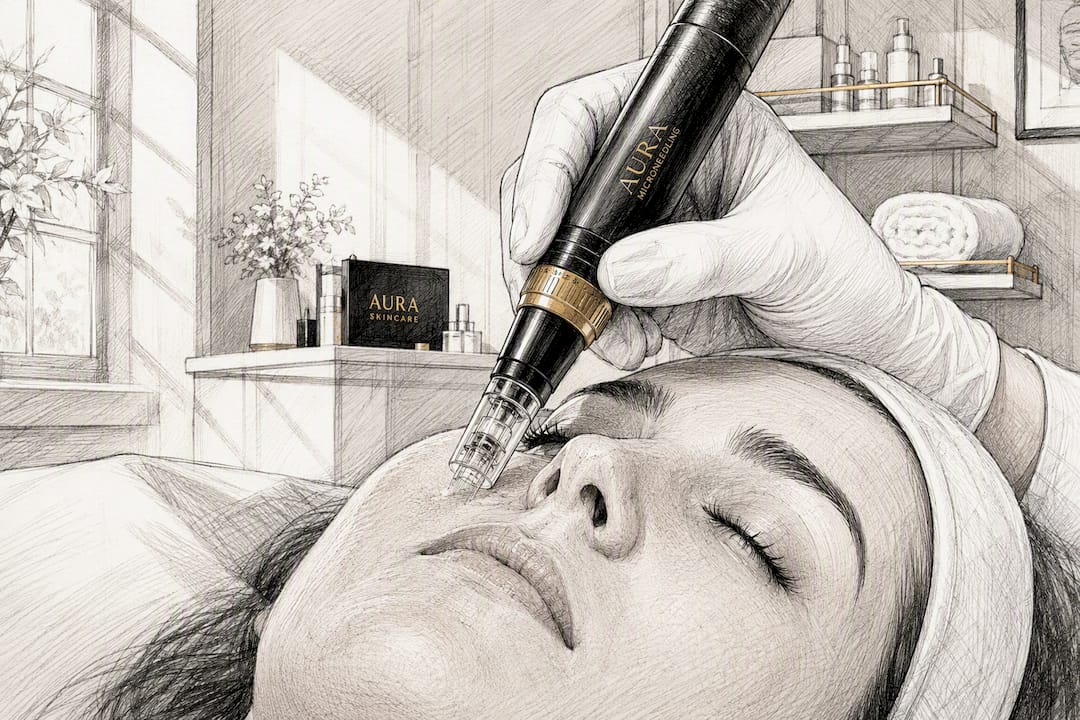
If you have recently had a chemical peel, laser treatment, microneedling or another aesthetic procedure, follow your practitioner’s aftercare instructions before restarting active skincare. Skin needs recovery time after treatment, and moisturiser should be the centre of that recovery phase.
Choosing by skin concern
For acne-prone skin, seek a non-comedogenic moisturiser with humectants, ceramides and a light emollient profile. You want hydration that does not feel heavy, but avoid assuming that oily skin needs no moisturiser. Dehydration can leave the complexion feeling more reactive and can make an otherwise well-tolerated retinoid feel harsh.
For dryness and visible sensitivity, choose a richer barrier cream with ceramides, squalane, panthenol and calming botanicals that have been formulated for reactive skin. Avoid heavily fragranced products when your barrier is vulnerable. A nourishing finish at night is appropriate if your skin wakes up cushioned rather than greasy or congested.
For pigmentation or melasma, barrier care becomes even more strategic. Inflammation can aggravate the appearance of discolouration, particularly in deeper skin tones. Pair your retinol routine with a supportive moisturiser and diligent broad-spectrum SPF every morning. Retinol may support a more even-looking tone over time, but daily UV protection is non-negotiable if you want to protect that progress.
For mature skin, look for a moisturiser that combines barrier lipids with humectants and, where appropriate, peptides. The goal is plumper-looking skin with greater comfort, not a heavy layer that sits on the surface. A beautifully formulated cream should leave the complexion supple and luminous by morning.
When your moisturiser is not enough
Moisturiser can ease mild adjustment effects, but it should not be used to mask significant irritation. Stop retinol and seek professional guidance if you develop persistent burning, swelling, cracked skin, an eczema-like rash or marked redness. Those with rosacea, eczema or a history of contact allergy benefit from a more personalised approach from the outset.
Retinoids are generally avoided during pregnancy and breastfeeding unless your prescribing clinician advises otherwise. Prescription retinoids, including tretinoin, require their own clinical guidance. The same is true if you are using medicated acne treatments or managing a diagnosed inflammatory skin condition.
At The M-ethod Aesthetics, we favour regimen decisions that respect both performance and skin health. A clinician-led recommendation can be especially valuable when you are balancing retinol with pigmentation treatments, acne therapies or post-procedure care.
The right moisturiser after retinol should make your evening routine feel reassuring, not corrective. When skin is calm, hydrated and protected, you are far more likely to use your active consistently - and that consistency is where refined, credible results begin.