


Master the skincare layering process for targeted results
You’ve invested in quality skincare products, yet your skin isn’t responding as expected. The culprit often isn’t the products themselves but how you’re applying them. Improper layering reduces compliance and efficacy, undermining even the most expensive formulations. Whether you’re battling acne or fighting visible ageing, the sequence and technique of product application dramatically impact your results. This guide reveals the clinically backed layering strategies that maximise ingredient absorption and deliver the transformative outcomes you’re seeking.
Table of Contents
- Key takeaways
- Understanding why layering matters in skincare
- Preparing your skincare routine: selecting and ordering products
- Step-by-step skincare layering process for morning and night
- Troubleshooting common layering mistakes and verifying effective results
- Explore premium personalised skincare solutions
- How do I know if I am layering my skincare products correctly?
Key Takeaways
| Point | Details |
|---|---|
| Layering matters | The order you apply products influences absorption, efficacy and how consistently you follow your routine. |
| Open sandwich moisturisation | Applying moisturiser around actives using the open sandwich approach preserves activity and improves penetration. |
| Thin to thick layering | Apply products from thinnest to thickest to maximise penetration and minimise interference. |
| Buffer with niacinamide | Buffering with niacinamide or peptides after acids or retinoids reduces irritation while preserving efficacy. |
Understanding why layering matters in skincare
Your skincare routine’s effectiveness hinges on more than just product quality. The order in which you apply products fundamentally alters how ingredients behave on your skin. When you apply moisturiser after actives, absorption improves, allowing treatments to penetrate more effectively whilst maintaining skin barrier integrity.
Think of your skin as a selective gateway. Lightweight, water-based formulations pass through more easily than thick, occlusive creams. When you reverse this natural progression by applying heavy products first, you create a physical barrier that blocks subsequent treatments from reaching deeper skin layers where they exert their effects. This explains why two people using identical products often experience vastly different outcomes.
The clinical implications extend beyond simple absorption. Research demonstrates that incorrect sequences reduce user compliance because people don’t see expected results and abandon their routines prematurely. Consider acne treatment: studies reveal that 95% of patients underdose their acne medications, often because improper layering causes irritation that makes consistent use uncomfortable.
Proper layering optimises several key factors simultaneously:
- Ingredient bioactivity: Actives maintain their potency when applied in sequences that support their chemical stability
- Skin barrier function: Strategic moisturisation prevents excessive dryness whilst allowing treatments to work
- Treatment tolerance: Buffering techniques reduce irritation without compromising efficacy
- Product synergy: Compatible ingredients amplify each other’s benefits when layered thoughtfully
“The difference between an effective skincare routine and an expensive disappointment often comes down to application order. Understanding layering principles transforms how your skin responds to treatment.”
Your investment in quality products deserves proper execution. When you grasp these foundational principles, you’re equipped to build routines that deliver measurable improvements rather than frustration. The latest insights from skincare science continue to refine our understanding of optimal application sequences, making this knowledge increasingly accessible to informed consumers.
Preparing your skincare routine: selecting and ordering products
Building an effective layering routine starts with selecting compatible actives tailored to your primary concern. For acne-prone skin, you’ll want ingredients that control sebum production and reduce inflammation without compromising your barrier. Ageing protocols demand a different approach, focusing on cellular renewal and collagen support through targeted actives.
The texture rule provides your foundation: apply products from thinnest to thickest consistency. Water-based serums go first, followed by lightweight gels, then emulsions, and finally occlusive creams. This sequence ensures each product can penetrate without interference from heavier formulations applied earlier.
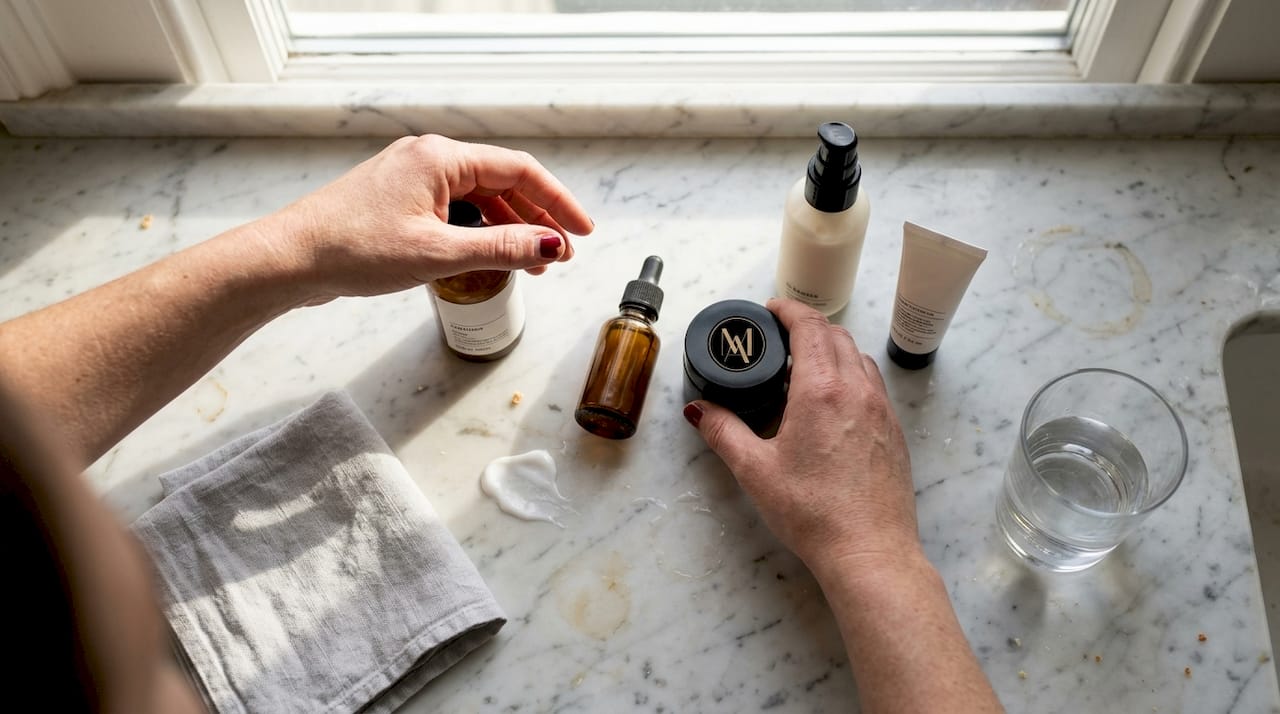
For acne concerns, niacinamide and peptides after acids or retinoids buffer skin whilst regulating sebum production. This strategic placement reduces irritation from exfoliating acids whilst maintaining their effectiveness. The buffering effect allows you to use stronger concentrations that deliver faster results without the typical side effects that cause people to quit their routines.
Ageing skin benefits from a different hierarchy. Clinical studies show that multi-product regimens improve photodamage over 24 weeks when retinoids, peptides, and antioxidants are layered in specific sequences. The key lies in applying retinoids when skin is most receptive to cellular turnover signals, typically during evening routines, whilst reserving antioxidants for morning protection against environmental stressors.
| Active ingredient | Primary purpose | Optimal position | Skin concern |
|---|---|---|---|
| Niacinamide | Sebum regulation, barrier support | After acids, before moisturiser | Acne, sensitivity |
| Retinoids | Cellular turnover, collagen synthesis | On clean skin or with ‘open sandwich’ | Ageing, texture |
| Peptides | Collagen signalling, repair | After retinoids, before occlusive | Ageing, firmness |
| Vitamin C | Antioxidant protection, brightening | Morning, after cleansing | Ageing, pigmentation |
| Salicylic acid | Pore clearance, exfoliation | After cleansing, before treatment | Acne, congestion |
| Hyaluronic acid | Hydration, plumping | On damp skin, before moisturiser | All concerns, hydration |
Understanding dermatologist preferences for skincare layering reveals that professionals prioritise ingredient compatibility over brand loyalty. They select products based on how formulations interact chemically, not marketing claims. This approach prevents common conflicts like using copper peptides with vitamin C, which can destabilise both ingredients.
Your routine should address your primary concern first, then add supporting products that enhance results without causing conflicts. For comprehensive guidance on building effective regimens for specific concerns, consider how each product contributes to your overall strategy rather than viewing them as isolated treatments.
Pro Tip: Before committing to a full routine, patch test your layered combination on your inner forearm for three consecutive days. This reveals potential sensitivities or ingredient conflicts before you apply products to your face, saving you from widespread irritation.
Step-by-step skincare layering process for morning and night
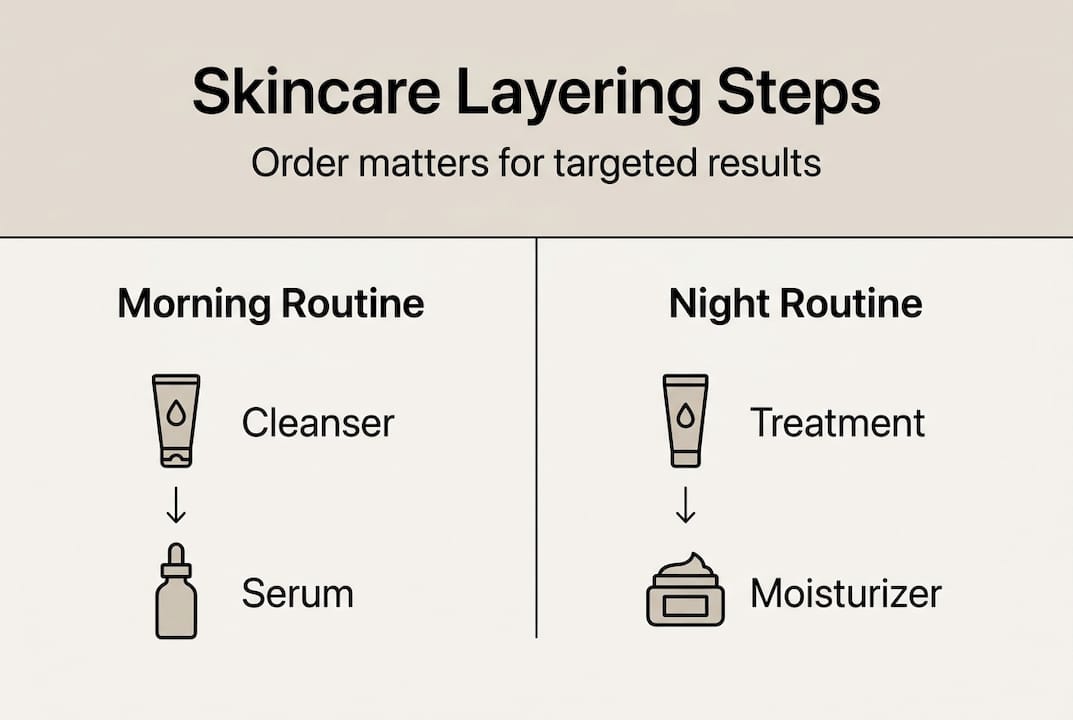
Morning routines focus on protection and hydration to shield your skin from environmental aggressors throughout the day. Your goal is creating a defensive barrier whilst maintaining a fresh, comfortable complexion that works under makeup if you wear it.
Morning layering sequence:
- Cleanse with a gentle, pH-balanced formula to remove overnight oils without stripping
- Apply hydrating toner or essence to damp skin for enhanced absorption
- Layer vitamin C serum or other antioxidants to neutralise free radical damage
- Add niacinamide serum if treating acne or sensitivity concerns
- Apply lightweight peptide serum for ongoing collagen support
- Seal with moisturiser appropriate for your skin type and climate
- Finish with broad-spectrum SPF 30 or higher as your final protective layer
Evening protocols shift focus to treatment and repair, capitalising on your skin’s natural overnight renewal processes. This is when you introduce stronger actives that might cause photosensitivity or require extended contact time to work effectively.
Night layering sequence:
- Double cleanse: oil-based cleanser first to dissolve makeup and SPF, then water-based to remove residue
- Apply exfoliating acid if using (2-3 times weekly, not daily)
- Wait 5-10 minutes for skin pH to normalise after acids
- Layer retinoid using ‘open sandwich’ technique: apply moisturiser before or after, not both
- Add peptide serum if not using with retinoid (alternate nights if needed)
- Apply targeted treatments for specific concerns like pigmentation or acne spots
- Seal everything with appropriate moisturiser or facial oil
- Use overnight mask or occlusive balm if skin feels particularly dry
The ‘open sandwich’ moisturisation approach maintains retinoid bioactivity whilst significantly improving tolerance. You can apply moisturiser either before or after your retinoid, but not both. This single application preserves the retinoid’s effectiveness whilst providing enough buffering to prevent excessive irritation that causes people to abandon treatment.
| Moisturisation technique | Retinoid bioactivity | Irritation level | Best for |
|---|---|---|---|
| No moisturiser (retinoid alone) | 100% (baseline) | High | Experienced users, resilient skin |
| Open sandwich (before OR after) | 95-98% | Low to moderate | Most users, building tolerance |
| Full sandwich (before AND after) | 30-35% | Very low | Extremely sensitive, compromised barriers |
Your personalised skincare approach should evolve based on how your skin responds. Some people tolerate daily retinoid use immediately, whilst others need to start with twice-weekly applications and gradually increase frequency. Neither approach is superior; the best routine is the one you can maintain consistently.
Pay attention to seasonal variations too. You might need heavier moisturisers in winter or lighter formulations in humid summer months. The core layering principles remain constant, but product weights can flex to accommodate environmental changes. For detailed guidance on tailoring your routine to your unique needs, consider how your skin behaves in different conditions rather than following rigid protocols.
Pro Tip: Your skin’s tolerance for actives fluctuates based on stress, hormones, and environmental factors. If your routine suddenly feels irritating, scale back to basics for a few days rather than pushing through discomfort. This prevents barrier damage that can set your progress back weeks.
Troubleshooting common layering mistakes and verifying effective results
Even with proper knowledge, certain errors repeatedly undermine skincare routines. Recognising these patterns helps you course-correct before minor issues escalate into significant setbacks. The most common mistake involves applying heavy creams too early in your sequence, creating an impenetrable barrier that blocks subsequent treatments from absorbing.
Skipping moisturiser after retinoids represents another frequent error. Whilst some experienced users tolerate this approach, most people need strategic hydration to maintain barrier function during retinoid therapy. The discomfort from omitting this step often leads to inconsistent use, which prevents you from experiencing the full benefits of retinoid treatment.
Mixing incompatible actives causes chemical conflicts that destabilise ingredients and irritate skin. Common problematic combinations include copper peptides with vitamin C, retinoids with vitamin C in the same routine, and multiple strong acids layered consecutively. These interactions don’t just reduce effectiveness; they can actively damage your skin barrier.
Signs your layering needs adjustment:
- Persistent stinging or burning that doesn’t subside within minutes of application
- Increased dryness, flaking, or tightness despite using moisturiser
- Products pilling or balling up on your skin instead of absorbing
- Breakouts in areas where you don’t typically experience acne
- Redness or sensitivity that worsens rather than improves over time
- Makeup application becomes difficult due to texture issues
When you notice these warning signs, simplify your routine immediately. Strip back to cleanser, moisturiser, and SPF for several days whilst your barrier recovers. Then reintroduce products one at a time, waiting 3-5 days between additions to identify which product or combination triggered the reaction.
Personalised regimens with compatible actives optimise results whilst reducing irritation in both acne and ageing protocols. This individualised approach acknowledges that your skin’s needs differ from generic recommendations. What works brilliantly for someone else might prove disastrous for you, making it essential to observe your own responses rather than blindly following influencer routines.
Successful layering produces measurable improvements within specific timeframes. For acne, you should notice reduced inflammation and fewer new breakouts within 4-6 weeks. Active lesions may initially worsen during the first two weeks as congestion surfaces, but this purging phase should resolve quickly if your routine is properly structured.
Ageing concerns require longer evaluation periods. Expect visible improvements in texture and radiance within 6-8 weeks, whilst deeper changes like reduced wrinkles and improved firmness typically emerge after 12-16 weeks of consistent use. Pigmentation improvements fall somewhere between, often showing noticeable fading within 8-12 weeks.
“The most effective skincare routine isn’t the one with the most products or the highest price tags. It’s the routine you can maintain consistently because the products work harmoniously with your skin’s unique chemistry and tolerance levels.”
Documenting your progress through regular photos in consistent lighting helps you track subtle changes that daily observation might miss. Take images weekly from the same angles, at the same time of day, with the same lighting conditions. This objective record reveals improvements that gradual daily changes obscure.
For additional troubleshooting strategies and expert insights, explore the comprehensive skincare guidance available through evidence-based resources. These materials help you distinguish between normal adjustment periods and genuine problems requiring intervention.
Explore premium personalised skincare solutions
Implementing the layering principles you’ve learnt requires products formulated for compatibility and clinical effectiveness. Premium options designed specifically for strategic layering deliver superior results compared to randomly assembled routines. Targeted acne treatments like ClearSkin work synergistically when layered properly with complementary products that support rather than conflict with active ingredients.
For ageing concerns, specialised formulations such as intensive eye therapy address delicate periorbital areas with peptides and retinoids optimised for this sensitive region. These targeted solutions integrate seamlessly into comprehensive layering routines without causing the irritation that generic products often trigger around the eyes.
Foundational products like gentle exfoliating cleansers prepare your skin for optimal product absorption whilst maintaining barrier integrity. Starting with properly formulated basics ensures that subsequent layering steps build on a solid foundation rather than attempting to compensate for inadequate preparation.
How do I know if I am layering my skincare products correctly?
Your skin provides clear feedback about layering effectiveness through observable changes and comfort levels. Properly layered routines feel comfortable during application, with products absorbing fully within a few minutes rather than sitting on the surface. You shouldn’t experience persistent stinging, excessive dryness, or pilling.
Visible improvements confirm correct layering. For acne, reduced inflammation and fewer breakouts within 4-6 weeks indicate success. Ageing protocols show results more gradually, with texture refinement appearing first, followed by improvements in fine lines and firmness over 12-16 weeks. If you’re not seeing these progressive changes, your layering sequence likely needs adjustment.
Can I combine retinoids with other active ingredients safely in my layering?
Yes, strategic combinations enhance results when executed properly. Niacinamide buffers retinoids and reduces irritation when applied after retinoid absorption, making this pairing particularly effective for sensitive skin. Peptides also layer well with retinoids, supporting collagen synthesis through complementary pathways.
The ‘open sandwich’ technique allows you to use moisturiser either before or after retinoids whilst maintaining 95-98% of the retinoid’s bioactivity. This approach dramatically improves tolerance without sacrificing effectiveness, enabling consistent long-term use that delivers cumulative benefits. Avoid combining retinoids with vitamin C or strong acids in the same routine, as these combinations can cause excessive irritation.
What is the best time of day to apply layering treatments for aging skin?
Morning routines should prioritise antioxidant protection and hydration to defend against environmental damage throughout the day. Vitamin C, niacinamide, and peptides work excellently in morning sequences, providing protective benefits whilst supporting ongoing skin health. Always conclude morning routines with broad-spectrum SPF to prevent photodamage that undermines your anti-ageing efforts.
Evening applications focus on cellular repair and renewal, making this the optimal time for retinoids and stronger treatment products. Multi-product regimens show significant improvement over 24 weeks when retinoids and peptides are prioritised in night routines. Your skin’s natural repair processes peak during sleep, maximising the effectiveness of renewal-focused actives applied before bed.
How long should I wait between applying different product layers?
Waiting times depend on the products you’re layering and their specific formulations. Water-based serums typically absorb within 30-60 seconds, allowing you to proceed immediately to the next step. Richer treatments like retinoids or peptide serums benefit from 1-2 minutes of absorption time before adding subsequent layers.
After applying exfoliating acids, wait 5-10 minutes before continuing your routine. This pause allows your skin’s pH to normalise, preventing excessive irritation when you apply subsequent actives. However, you don’t need to wait between every single product; use absorption as your guide. If the previous product has fully absorbed and your skin feels ready for the next step, proceed confidently.