




Clinical Skincare Explained: How Science Powers Results
Choosing the most effective skincare can feel like navigating a maze when signs of ageing or stubborn pigmentation demand real solutions. For those who expect measurable results, standard beauty products often fall short of the mark. Discover how clinical skincare stands apart, offering science-backed treatments, personalised strategies, and a focus on genuine skin health that goes far beyond superficial promises.
Table of Contents
Key Takeaways
| Point | Details |
| Clinical Skincare Distinction | Focuses on scientific and evidence-based interventions rather than superficial aesthetic improvements. |
| Personalised Treatments | Tailored skincare strategies using comprehensive assessments to meet individual skin needs. |
| Rigorous Safety Protocols | Ensures extensive safety evaluations and clinical trials to guarantee product integrity and consumer protection. |
| Long-term Skin Health | Aims to restore optimal skin function through targeted molecular interventions rather than temporary fixes. |
What Clinical Skincare Means in Dermatology
Clinical skincare represents a sophisticated approach to skin health that transcends traditional cosmetic interventions. Unlike standard beauty products, this discipline integrates rigorous scientific research with targeted therapeutic strategies, focusing on addressing specific skin conditions at their cellular origin.
At its core, clinical skincare involves evidence-based dermatological treatments that go beyond superficial improvements. These advanced approaches leverage cutting-edge scientific understanding to diagnose, treat, and prevent various skin concerns with unprecedented precision.
Key characteristics of clinical skincare include:
-
Molecular-level intervention targeting specific skin pathologies
-
Scientifically validated active ingredients
-
Comprehensive understanding of skin biology
-
Personalised treatment protocols
-
Emphasis on measurable, reproducible results
The fundamental difference between clinical and conventional skincare lies in its methodological approach. While cosmetic products often promise aesthetic enhancements, clinical skincare aims to restore optimal skin function through targeted, research-driven interventions. Dermatologists and researchers collaborate to develop treatments that address underlying mechanisms of skin conditions, whether addressing aging, pigmentation, acne, or inflammatory responses.
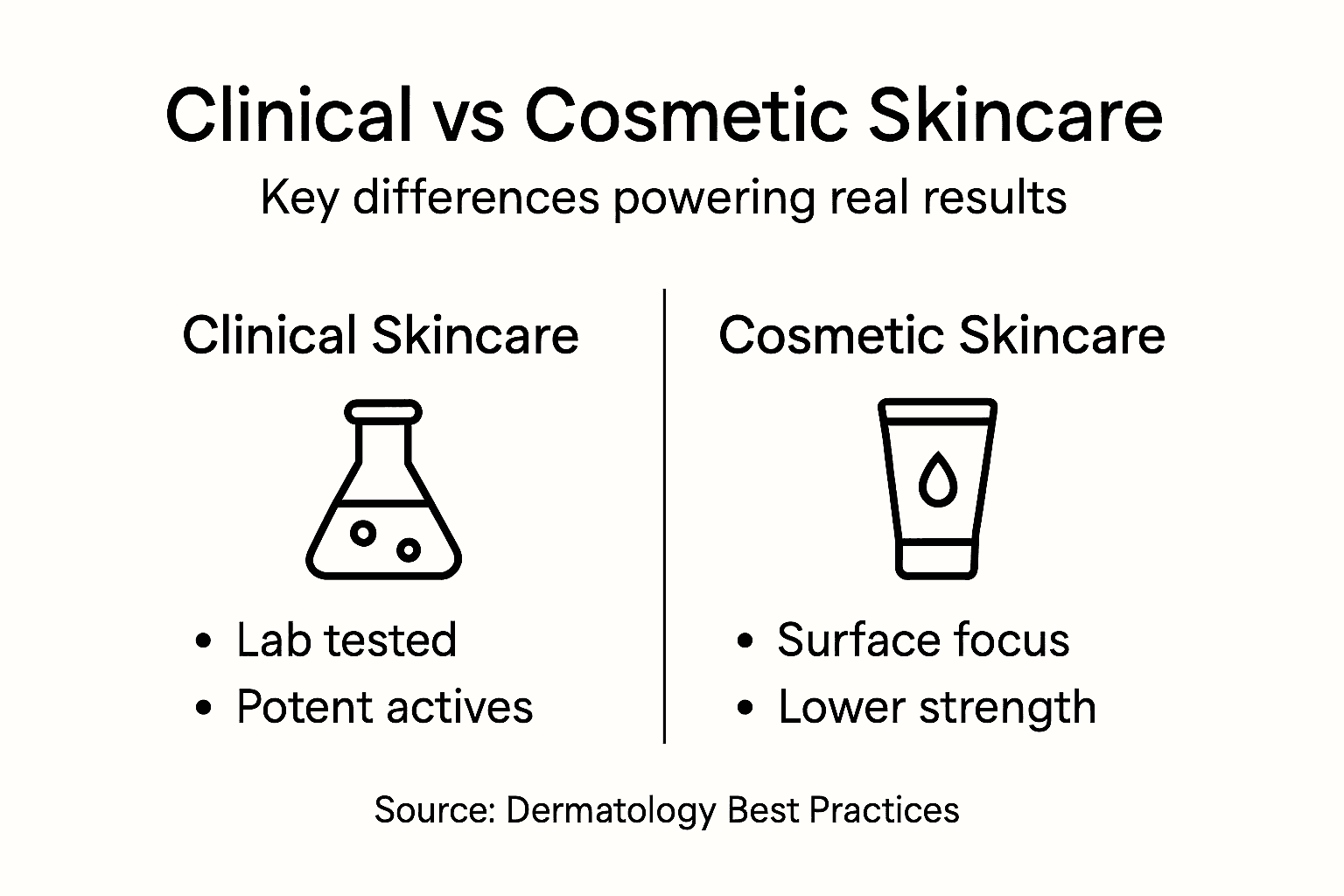
Scientific validation is the cornerstone of clinical skincare. Each product and treatment undergoes extensive clinical trials, ensuring safety, efficacy, and predictable outcomes. This rigorous process distinguishes clinical approaches from traditional cosmetic solutions, which typically lack substantial scientific substantiation.
Pro tip: Consult a professional dermatologist to develop a personalised clinical skincare strategy tailored specifically to your unique skin profile and concerns.
Types of Clinical Skincare Products and Treatments
Clinical skincare encompasses a diverse range of sophisticated products and treatments designed to address specific skin concerns with scientific precision. Advanced dermatological interventions span topical formulations and professional procedures, each meticulously developed to target individual skin conditions at their molecular foundation.
Topical clinical skincare products represent the first line of targeted skin intervention. These scientifically formulated treatments include:
-
Prescription-grade retinoids for cellular regeneration
-
Antioxidant serums targeting free radical damage
-
Peptide-based treatments stimulating collagen production
-
Hydroxy acid exfoliants promoting skin renewal
-
Targeted pigmentation correctors
Professional clinical treatments complement these topical interventions, offering more intensive solutions for complex skin concerns. These advanced procedures include chemical peels, laser therapies, microneedling, and non-invasive rejuvenation techniques that work synergistically with home care protocols.
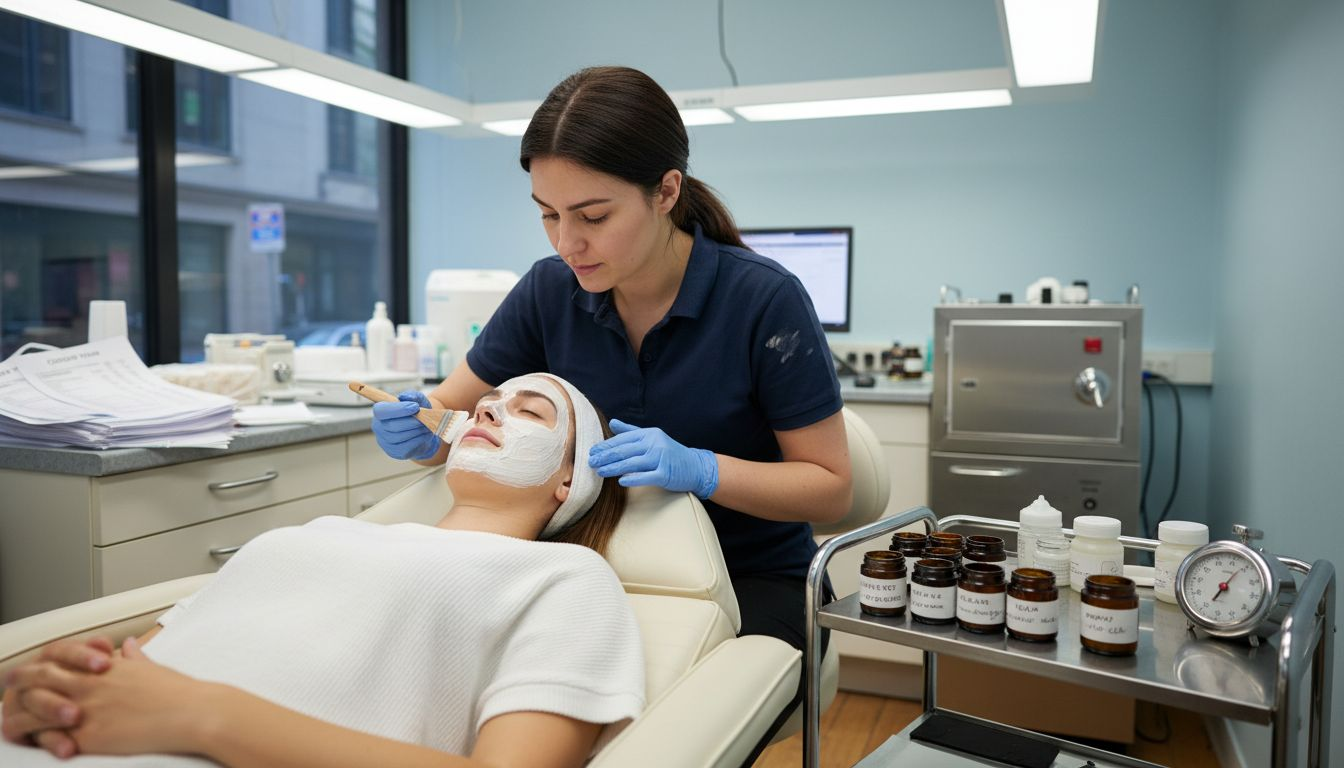
The hallmark of clinical skincare lies in its personalised, evidence-based approach. Dermatological professionals conduct comprehensive skin assessments to develop bespoke treatment strategies, combining pharmaceutical-grade products with precision treatments that address specific skin pathologies with unprecedented accuracy.
For quick reference, here is a summary of main professional clinical treatments and their functional benefit:
| Treatment Type | Key Method | Primary Skin Benefit |
| Chemical Peels | Active exfoliation | Improves texture and clarity |
| Laser Therapy | Light-based action | Reduces pigmentation and scars |
| Microneedling | Stimulates repair | Boosts collagen production |
| Non-invasive Rejuvenation | Energy devices | Firms and smooths skin |
Clinical skincare bridges the gap between cosmetic enhancement and medical intervention, offering scientifically validated solutions for optimal skin health.
Pro tip: Always consult a qualified dermatologist to develop a personalised clinical skincare strategy that precisely matches your unique skin profile and therapeutic requirements.
How Clinical Formulations Deliver Results
Clinical skincare formulations represent a sophisticated approach to skin health, meticulously engineered to deliver transformative results through advanced scientific principles. Targeted molecular interventions work at the cellular level, addressing specific skin concerns with unprecedented precision and efficacy.
The mechanisms of clinical formulations are complex and multifaceted, involving several key strategies:
-
Precise active ingredient selection
-
Advanced delivery systems
-
Synergistic molecular interactions
-
Targeted biological pathway modulation
-
Sustained ingredient release
Scientific innovations like nanocarrier technologies and encapsulation techniques dramatically enhance the performance of active ingredients. These sophisticated delivery mechanisms improve ingredient stability, penetration depth, and bioavailability, ensuring that potent compounds reach their intended cellular targets with maximum efficiency.
Bioactive peptides play a crucial role in these formulations, acting as molecular communicators that stimulate specific skin regeneration processes. By interacting directly with dermal structures, these peptides can trigger collagen production, reduce inflammation, and mitigate age-related cellular degradation.
Cutting-edge clinical formulations transform skincare from surface-level treatment to comprehensive cellular regeneration.
Pro tip: Consult with a dermatological professional to understand which specific clinical formulation ingredients are most compatible with your unique skin biochemistry.
Professional Guidance and Personalised Protocols
Personalised clinical skincare represents the pinnacle of modern dermatological care, moving far beyond generic treatment approaches. Advanced genomic analysis now enables unprecedented precision in developing individualised skin health strategies that account for unique genetic and environmental factors.
The comprehensive personalisation process involves multiple sophisticated assessment techniques:
-
Genetic skin profile mapping
-
Multi-omics data integration
-
Clinical imaging analysis
-
Environmental factor evaluation
-
Longitudinal skin health tracking
Artificial intelligence and machine learning technologies have revolutionised personalised protocols by synthesising complex datasets. These intelligent systems can predict skin responses, recommend targeted interventions, and develop dynamic treatment plans that adapt to an individual’s changing physiological conditions.
Clinical expertise remains paramount in translating technological insights into practical skincare guidance. Dermatological professionals interpret sophisticated data, considering nuanced factors such as skin sensitivity, lifestyle influences, and potential genetic predispositions to create truly bespoke treatment approaches.
Personalised skincare transcends product selection – it represents a holistic approach to understanding and nurturing individual skin biochemistry.
Pro tip: Request a comprehensive skin assessment that includes genetic screening and multi-dimensional analysis to unlock truly personalised skincare insights.
Risks, Limitations, and Safety Standards
Clinical skincare, while transformative, demands rigorous safety protocols to protect consumer health. Comprehensive safety evaluations represent the critical foundation for ensuring product integrity and minimising potential adverse reactions.
Key safety assessment strategies include:
-
Extensive ingredient screening
-
Systematic patch testing
-
Controlled clinical trials
-
Regulatory compliance verification
-
Continuous post-market monitoring
Regulatory frameworks have evolved significantly, replacing traditional animal testing with advanced computational and in vitro methodologies. These sophisticated approaches provide more nuanced insights into potential ingredient interactions, allergenicity, and long-term skin health implications.
Potential limitations in clinical skincare remain prevalent, despite technological advancements. Individual genetic variations, environmental factors, and complex skin biochemistries can create unpredictable responses even with meticulously developed formulations. Transparency about these potential variabilities is crucial for informed consumer decision-making.
Safety in clinical skincare is not a destination, but an ongoing journey of scientific refinement and consumer protection.
Pro tip: Always conduct a patch test with new clinical skincare products and consult a dermatological professional about potential interactions with your specific skin profile.
Comparing Clinical Skincare to Cosmetic Alternatives
The distinction between clinical and cosmetic skincare represents a profound shift in approach to skin health, moving from superficial treatment to targeted scientific intervention. Medical-grade skincare protocols fundamentally differ from traditional cosmetic approaches by addressing underlying skin biology rather than merely improving appearance.
Key differentiating characteristics include:
-
Active ingredient concentration levels
-
Scientific validation processes
-
Treatment depth and mechanism
-
Personalisation strategies
-
Therapeutic versus aesthetic objectives
Cosmetic products typically focus on short-term aesthetic improvements, using lower-concentration ingredients designed to enhance surface appearance. Clinical skincare, conversely, employs evidence-based formulations with higher-potency active ingredients that penetrate deeper skin layers, targeting cellular-level mechanisms of skin health and repair.
Molecular targeting represents the most significant divergence between these approaches. While cosmetic products provide temporary visual enhancements, clinical skincare interventions aim to fundamentally modify skin structure, addressing concerns at their physiological origin through scientifically rigorous methodologies.
To clarify the difference between clinical and cosmetic skincare, here is a concise comparison table:
| Aspect | Clinical Skincare | Cosmetic Skincare |
| Ingredient Strength | Prescription or high potency | Low to moderate concentrations |
| Validation Process | Extensive clinical trials | Minimal scientific substantiation |
| Target Approach | Cellular and molecular level | Surface-level enhancement |
| Personalisation | Customised by professionals | Generic, one-size-fits-all |
| Duration of Benefits | Long-term results | Temporary appearance changes |
Clinical skincare transcends aesthetic manipulation, representing a sophisticated approach to comprehensive skin restoration and long-term health management.
Pro tip: Invest in a professional skin assessment to understand whether your skin concerns require clinical-grade interventions or can be managed with standard cosmetic products.
Unlock the Power of Science for Your Best Skin
Understanding the precision and personalised nature of clinical skincare highlighted in this article reveals a clear challenge many face: how to access effective, evidence-based solutions tailored to unique skin needs. Whether you are struggling with ageing, pigmentation, or sensitive skin, relying on generic products cannot match the transformative results delivered by molecular-level, clinically backed treatments. At The M-ethod Skin, we specialise in prescription-strength and dermatologist-recommended skincare designed to target the root causes of skin concerns with advanced formulations and bespoke protocols.

Experience the difference that professional guidance and scientifically validated products make by exploring our exclusive range of premium skincare brands, devices, and supplements. Benefit from virtual skin consultations with leading clinicians who can develop a personalised regimen aligned with your skin profile. Do not let uncertainty hold you back from radiant and healthier skin. Visit The M-ethod Skin today to start your bespoke skincare journey and embrace clinically effective solutions that truly deliver lasting results.
Frequently Asked Questions
What is clinical skincare?
Clinical skincare is a targeted approach to skin health that focuses on addressing specific skin conditions through evidence-based treatments, utilising scientifically validated active ingredients and personalised protocols.
How do clinical skincare products differ from traditional cosmetic products?
Clinical skincare products contain higher-potency active ingredients that target the cellular level of skin concerns, whereas traditional cosmetic products typically focus on superficial aesthetic improvements with lower concentrations of active ingredients.
What types of treatments are included in clinical skincare?
Clinical skincare treatments include topical products like prescription-grade retinoids, antioxidant serums, and professional procedures such as chemical peels, laser therapies, and microneedling that work together to address specific skin conditions.
How safe are clinical skincare products?
Clinical skincare products undergo extensive safety evaluations, including ingredient screening and controlled clinical trials, to ensure their safety and efficacy. However, it is essential to consult a dermatologist and conduct patch testing to avoid potential adverse reactions.