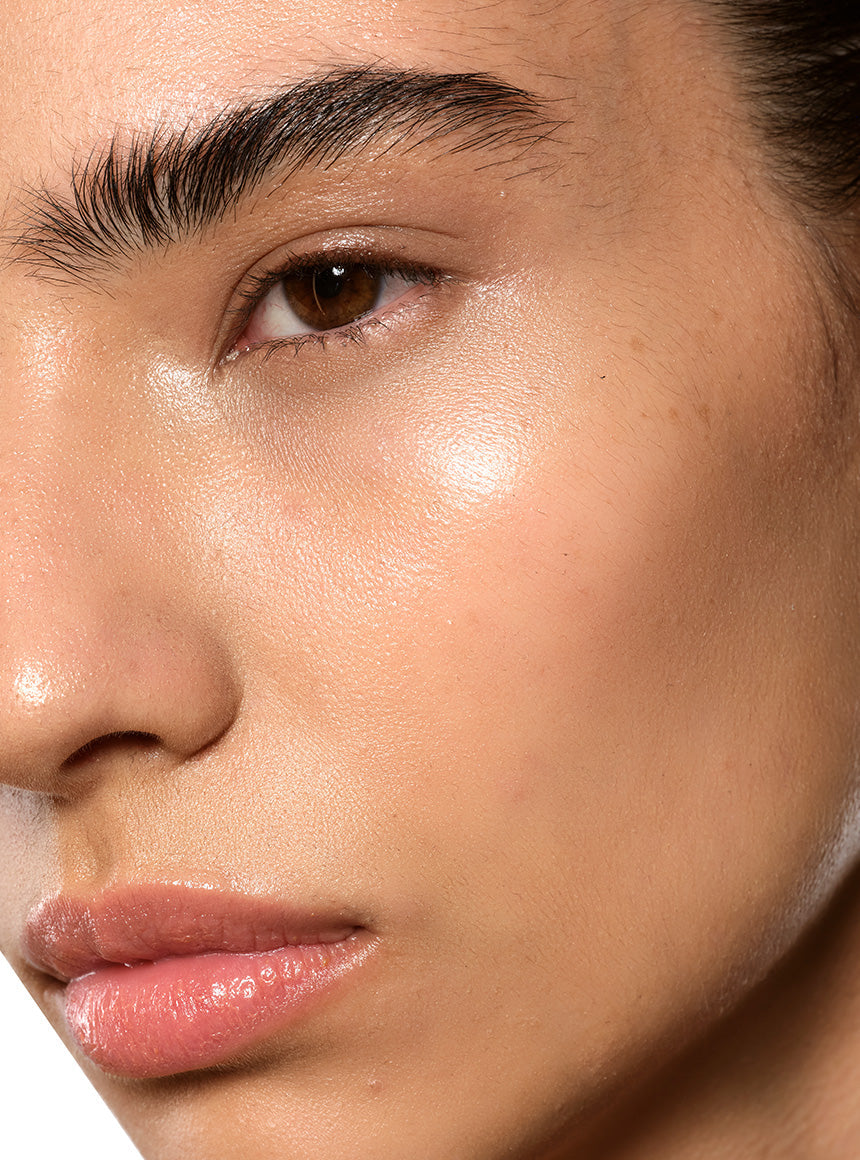


How to Get Hydrated Skin That Lasts
If your skin feels tight by midday, looks dull under makeup, or seems oilier yet somehow dehydrated, the issue is rarely a lack of moisturiser alone. Understanding how to get hydrated skin starts with recognising that hydration and oil are not the same thing. Skin can be producing excess sebum while still lacking water, and that imbalance often shows up as sensitivity, rough texture, congestion and a compromised glow.
Truly hydrated skin looks calmer, smoother and more refined because the barrier is functioning as it should. That is why the most effective approach is not simply layering richer creams. It is building a regimen that attracts water into the skin, reduces unnecessary water loss and protects the barrier from chronic irritation.
What hydrated skin actually means
Hydrated skin contains enough water within the upper layers to remain supple, resilient and comfortable. Moisturised skin, by contrast, refers more specifically to the presence of lipids and emollients that soften and seal. You need both, but they are not interchangeable.
This distinction matters because many people treat dehydration with heavy occlusive formulas alone. That may soften the surface temporarily, but if the skin is short on humectants or the barrier is disrupted by over-cleansing, exfoliating acids or prescription actives, the improvement rarely lasts. The goal is to restore water balance while keeping the skin envelope intact.
Dehydration can affect every skin type. Oily and blemish-prone skin is particularly prone to it when harsh cleansers, aggressive exfoliants or alcohol-heavy products strip too much too often. Drier skin types may experience it through age-related lipid loss, environmental exposure and a naturally weaker barrier. In both cases, the skin becomes less efficient at holding onto water.
How to get hydrated skin with the right routine
A high-performance routine for hydration should feel strategic rather than excessive. More products do not necessarily create better skin. Precision matters more.
Start with a non-stripping cleanse
Cleansing is often where dehydration begins. If your cleanser leaves your face squeaky, taut or flushed, it is likely removing more than sunscreen, makeup and debris. It may also be disrupting the lipid matrix that helps the skin retain water.
Choose a gentle cleanser that leaves the skin comfortable, not coated and not tight. Cream, milk and sophisticated gel textures can all work well, depending on your skin type, but the common standard is this: cleanse thoroughly without provoking dryness. If you double cleanse in the evening, keep the second cleanse especially gentle.
In the morning, not everyone needs a full cleanse. If your skin is dry, reactive or compromised, a rinse with lukewarm water or a very mild cleanse may be sufficient. It depends on your routine, overnight products and skin behaviour.
Use humectants while skin is still slightly damp
If you are asking how to get hydrated skin, this is one of the most useful corrections to make. Humectants draw water into the upper layers of the skin, but they work best when applied onto slightly damp skin rather than a completely dry face.
Look for formulas featuring hyaluronic acid, glycerin, polyglutamic acid, panthenol or urea. These ingredients support immediate plumpness, but the best clinical formulas do more than create a fleeting surface effect. They help sustain hydration levels and improve comfort over time.
A common mistake is applying a hydrating serum and stopping there. Humectants need support. Without a moisturiser layered afterwards, especially in dry indoor climates or during colder months, water can evaporate too quickly.
Seal hydration with a barrier-supportive moisturiser
The next step is not about heaviness. It is about selecting a moisturiser with the right architecture. Ceramides, cholesterol, fatty acids, squalane and nourishing but elegant emollients help reinforce the barrier so hydration remains where it belongs.
If your skin is blemish-prone or combination, you may prefer a lighter lotion texture with barrier-repair ingredients. If your skin is dry, sensitised or post-procedure, a richer cream may be more appropriate. Texture should match skin type, but performance should always centre on barrier support.
This is where luxury and clinical efficacy should meet. The best moisturisers do not sit on the surface and mask the problem. They improve resilience, reduce tightness and leave the skin looking refined rather than greasy.
Why your barrier may be the real issue
When hydration does not seem to last, the barrier is often under strain. The skin barrier is your first line of defence, and when it is compromised, transepidermal water loss increases. That means water escapes more easily, and the skin becomes more prone to stinging, inflammation and visible dullness.
Overuse of exfoliating acids, retinoids, foaming cleansers, cleansing brushes and too many active serums can all contribute. Even skincare-savvy users can over-treat in pursuit of faster results.
A damaged barrier does not always look dramatically irritated. Sometimes it presents as persistent dehydration, patchy roughness, unexplained sensitivity or products suddenly starting to sting. In these moments, reducing actives temporarily and prioritising recovery is often the fastest route back to radiance.
How to get hydrated skin if you use retinoids or acids
Advanced actives have a valuable place in a results-led regimen, but they require balance. Retinoids can improve texture, clarity and signs of ageing, while exfoliating acids can refine tone and congestion. Used without care, both can undermine hydration.
If you are using prescription-strength or physician-dispensed actives, do not assume daily use is always superior. Frequency should reflect your skin’s tolerance, not your ambition. Alternating active nights, buffering with moisturiser, or simplifying the rest of the routine can dramatically improve hydration without sacrificing progress.
Hydrated skin is not the enemy of active skincare. It is what allows active skincare to perform well over time.
The role of SPF in keeping skin hydrated
Daily sun protection is non-negotiable if you want skin that remains hydrated, even-toned and healthy-looking. UV exposure weakens the barrier, drives inflammation and accelerates water loss. It also worsens pigmentation, redness and textural decline.
Many modern SPF formulas now include hydrating and barrier-supportive ingredients, making them easier to wear every day. The right sunscreen should feel elegant enough for daily compliance and protective enough to justify its place in a premium regimen.
If your skin feels drier after SPF, the issue may be the formula or what sits underneath it. Sometimes the fix is as simple as changing the finish, improving the moisturiser layer, or avoiding pilling caused by too many incompatible textures.
Internal and environmental factors matter too
Skincare does a great deal, but hydration is influenced by more than what you apply. Air conditioning, central heating, long-haul flights, inadequate sleep and excessive alcohol can all leave skin looking flatter and more depleted. Hormonal shifts, certain medications and overexposure to hot water can have the same effect.
Drinking water helps overall wellbeing, but it is not a standalone cure for dehydrated skin. If the barrier is impaired, simply increasing water intake will not resolve tightness or flaking. Topical support is still essential.
Humidity also changes what skin needs. In a damp climate, lighter hydrating layers may be enough. In winter or dry indoor environments, richer barrier creams and more disciplined layering often become necessary. Good skincare is rarely fixed year-round. It should evolve with the skin.
Ingredients worth prioritising
If you are refining a regimen around hydration, focus on ingredients with a strong track record. Hyaluronic acid and glycerin help draw in water. Ceramides, cholesterol and fatty acids reinforce the barrier. Panthenol and allantoin soothe. Urea hydrates while gently softening rough texture. Niacinamide can support barrier function and calm visible redness, though very high percentages do not suit everyone.
What you avoid matters too. Highly fragranced products, harsh surfactants and unnecessary layers of exfoliating acids can quietly keep skin in a dehydrated state, even when the rest of the routine looks impressive on paper.
At The M-ethod Aesthetics, this is why regimen design matters more than trend chasing. Clinically proven formulas deliver the strongest results when each step supports the next rather than competing with it.
When dehydrated skin is actually something else
Not every dry-feeling complexion is simply dehydrated. Persistent flaking, itching, redness around the nose or mouth, or irritation that does not improve with barrier care may indicate eczema, seborrhoeic dermatitis, rosacea or an allergic reaction. Breakouts that worsen under heavy creams may also point to the wrong product type rather than a need for more richness.
This is where personalised guidance becomes valuable. The right routine depends on whether the issue is water loss, impaired barrier function, inflammation, congestion or all four at once. Skin can be complex, especially when pigmentation, acne or sensitivity overlap.
The good news is that hydrated skin usually responds quickly once the routine is corrected. It looks brighter, makeup sits better and active products become easier to tolerate. More importantly, the skin begins to behave like healthy skin again - calm, resilient and consistently radiant.
If you have been chasing hydration with richer textures and getting nowhere, step back and look at the full picture. Cleanse more gently, layer water-binding ingredients properly, reinforce the barrier and be more selective with actives. When skin is given what it truly needs, hydration stops being temporary and starts becoming visible in the way your whole complexion carries light.