

Sensitive Skin Protocols 2026: 30% Hydration Boost Proven
Sensitive skin isn’t a beauty concern, it’s a clinical condition. Many believe over-the-counter creams are enough, but 70% of consumers now view protecting the skin barrier as a medical necessity, not just a cosmetic choice. Effective care demands evidence-based, prescription-strength protocols personalized by dermatologists. This guide explains how your skin barrier functions, why it fails, and which prescription treatments restore lasting barrier health. You’ll discover how tailored protocols reduce sensitivity and improve your skin’s resilience.
Table of Contents
- Understanding The Skin Barrier And Sensitive Skin
- Common Causes And Mechanisms Of Skin Barrier Damage
- Prescription-Strength Treatments To Repair And Support The Barrier
- Personalizing Sensitive Skin Protocols In Dermatological Practice
- Common Misconceptions About Sensitive Skin Protocols
- Implementing Effective Sensitive Skin Protocols: Practical Steps
- Explore Personalized Sensitive Skin Solutions At The M-ethod
- Frequently Asked Questions About Sensitive Skin Protocols
Key Takeaways
| Point | Details |
|---|---|
| Barrier function | Your skin barrier consists of corneocytes and lipids that lock in moisture and block irritants. |
| Damage causes | Over-cleansing, harsh actives, pollution, and UV exposure strip protective lipids and weaken barrier integrity. |
| Prescription benefits | Ceramide-rich moisturizers increase hydration by over 30% and significantly reduce transepidermal water loss. |
| Personalization matters | Dermatologists tailor protocols based on barrier tests, tolerance, and gradual product introduction for optimal healing. |
| Common myths | Sensitive skin requires clinical treatment, not just fragrance-free labels or avoiding all actives. |
Understanding the Skin Barrier and Sensitive Skin
Your skin barrier is your body’s first line of defense. The skin barrier is comprised of corneocytes and lipids such as ceramides, cholesterol, and fatty acids that prevent water loss and block irritants. Think of it as a brick wall: corneocytes are the bricks, and intercellular lipids are the mortar holding them together.
A healthy barrier maintains hydration by preventing transepidermal water loss (TEWL) and protects against allergens, pollution, and microbes. When this structure breaks down, water escapes easily, irritants penetrate deeply, and you experience dryness, redness, and stinging. These are hallmarks of sensitive skin.
Ceramides and lipids are essential for barrier strength. When their levels drop, your skin becomes reactive and vulnerable. Understanding this physiology is crucial for choosing best practices for sensitive skin that truly work.
Key barrier components include:
- Corneocytes: flattened dead skin cells that form the protective outer layer
- Ceramides: lipids that seal gaps between cells and retain moisture
- Cholesterol and fatty acids: structural lipids that maintain barrier flexibility
- Natural moisturizing factors: humectants that attract water into the skin
TEWL measures how much water evaporates through your skin. Higher TEWL indicates a compromised barrier. Dermatologists use TEWL measurements to assess barrier damage and monitor treatment progress objectively.
Common Causes and Mechanisms of Skin Barrier Damage
Barrier damage rarely happens overnight. It accumulates through daily habits and environmental exposures you might overlook. Over-cleansing removes natural lipids and weakens the barrier; environmental factors like pollution and UV accelerate damage.

Excessive cleansing strips your skin of protective oils, increasing permeability and sensitivity. Using hot water makes this worse by dissolving lipids faster. Many people wash their face multiple times daily without realizing the harm.
Overuse of exfoliants and harsh actives compounds the problem. Physical scrubs, strong acids, and high-concentration retinoids can compromise barrier integrity when used too frequently or without proper support. Your skin needs time to regenerate between treatments.
Pollution and UV radiation generate free radicals that attack lipids and proteins in your barrier. Oxidative stress accelerates barrier breakdown and inflammation. Even indoor air quality affects sensitive skin over time.
Common damage triggers include:
- Foaming cleansers with sulfates that strip natural oils
- Daily chemical exfoliation without adequate hydration support
- Hot showers and harsh water temperature fluctuations
- Unprotected sun exposure that degrades structural proteins
- Urban pollution particles that penetrate weakened barriers
- Low humidity environments that accelerate water loss
Recognizing these sensitive skin triggers and damage patterns helps you avoid further harm. Small changes in your routine can prevent cumulative damage that leads to chronic sensitivity.
Prescription-Strength Treatments to Repair and Support the Barrier
Clinical treatments offer measurable benefits that over-the-counter products often can’t match. Prescription-strength ceramide-rich moisturizers increase skin hydration by over 30% and reduce transepidermal water loss, improving sensitive skin outcomes significantly.
Ceramide-rich moisturizers replenish the exact lipids your barrier needs. These formulations mimic your skin’s natural lipid profile, restoring the mortar between your skin cells. Clinical studies show they reduce inflammation and improve tolerance to environmental stressors.
Gentle, pH-balanced cleansers preserve your natural barrier lipids instead of stripping them. Medical-grade formulations cleanse effectively without disrupting your acid mantle. This simple switch dramatically reduces irritation for most sensitive skin patients.
Avoiding irritants is non-negotiable. Fragrance, denatured alcohol, and harsh preservatives trigger inflammatory responses in compromised barriers. Even some “natural” ingredients can be irritating, so ingredient scrutiny matters more than marketing claims.
Controlled, dermatologist-supervised use of actives delivers results without flares. Ingredients like niacinamide and azelaic acid offer anti-inflammatory and barrier-supporting benefits when introduced gradually. Your dermatologist adjusts concentrations and frequency based on your tolerance.
Key prescription treatments include:
- Medical-grade ceramide complexes with optimal ratios of ceramides, cholesterol, and fatty acids
- Prescription niacinamide formulations that reduce inflammation and strengthen barrier function
- Barrier-repair creams with skin-identical lipids and humectants
- pH-optimized cleansers that maintain your acid mantle
Pro Tip: Always check ingredient lists for hidden irritants like essential oils labeled as “natural fragrance.” Introduce new products one at a time, waiting two weeks before adding another, so you can identify any reactions clearly.
| Feature | Prescription Ceramide Moisturizers | OTC Moisturizers |
|---|---|---|
| Hydration increase | 30%+ improvement in 4 weeks | 10-15% improvement |
| TEWL reduction | Significant measurable decrease | Minimal to moderate decrease |
| Patient tolerance | High with clinical monitoring | Variable, often trial and error |
| Lipid composition | Skin-identical ratios | Generic moisturizing agents |
Explore expert sensitive skin treatments and discover the sensitive skin product list that dermatologists recommend for barrier repair.
Personalizing Sensitive Skin Protocols in Dermatological Practice
No two sensitive skin cases are identical. Dermatologists customize treatment plans based on your specific barrier damage, tolerance levels, and skin goals. Clinical assessment of barrier strength and skin reactivity guides personalized protocol adjustments to optimize healing.
Stepwise clinical evaluation begins with barrier integrity tests and detailed patient history. Your dermatologist examines your skin’s hydration levels, TEWL measurements, and visible signs of inflammation. They ask about product history, lifestyle factors, and previous reactions to build a complete picture.
Personalized regimen development starts minimal and builds gradually. You begin with foundational barrier repair before introducing any actives. Your dermatologist monitors progress through follow-up assessments, adjusting products and concentrations as your barrier strengthens.
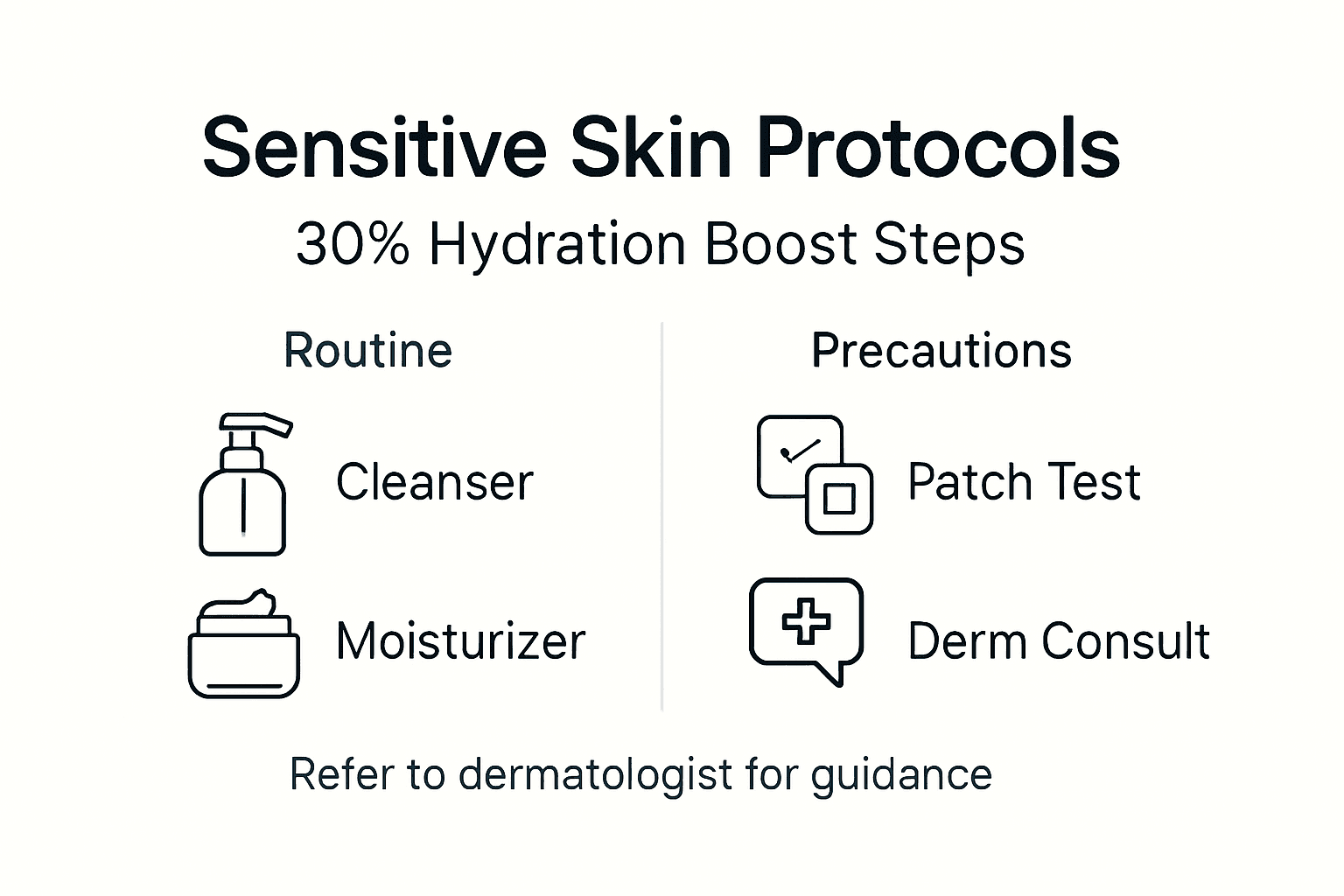
Virtual dermatology consultations and diagnostic tools now make personalized care accessible regardless of location. High-resolution imaging and structured questionnaires help dermatologists assess your skin remotely. This matters for patients in areas with limited dermatology access.
The personalization process follows these steps:
- Comprehensive barrier assessment using clinical tests and patient history review
- Minimal starting routine focused on gentle cleansing and intensive hydration
- Gradual introduction of targeted actives based on tolerance and skin response
- Regular monitoring appointments to track progress and adjust protocols
- Long-term maintenance plan with product rotation strategies
Pro Tip: Communicate openly with your dermatologist about any reactions, even minor ones. Detailed feedback allows precise adjustments that accelerate your progress. Keep a simple skin diary noting product changes and symptoms.
Learn more about dermatologist personalized sensitive skin care approaches that prioritize your unique needs.
Common Misconceptions About Sensitive Skin Protocols
Myths about sensitive skin care often prevent effective treatment. Dispelling these misconceptions empowers you to make informed decisions based on science, not marketing hype or anecdotal advice.
Sensitive skin is a clinical condition requiring medical intervention, not merely a cosmetic preference. Your barrier dysfunction has biological causes that need targeted treatment. Viewing it as a beauty concern leads to inadequate care choices.
More products or stronger actives don’t equal faster healing. In fact, overloading sensitive skin with multiple treatments often worsens inflammation and delays barrier repair. A strategic minimal approach typically delivers better outcomes.
Gentle cleansing is vital, but completely avoiding cleansing isn’t beneficial either. Accumulated oils, dead cells, and environmental pollutants need removal. The key is using the right cleanser at the right frequency, not eliminating cleansing altogether.
Fragrance-free labels don’t guarantee safety. Many fragrance-free products contain other irritants like high alcohol concentrations or sensitizing preservatives. Full ingredient analysis matters more than single-claim marketing.
Key misconceptions to avoid:
- Thinking sensitive skin is just “fussy” skin that needs pampering, not clinical treatment
- Believing natural or organic automatically means gentle and safe
- Assuming all actives are off limits forever instead of requiring gradual introduction
- Expecting immediate results when barrier repair takes consistent effort over weeks
- Relying on product reviews over dermatologist guidance for prescription protocols
Critically evaluate marketing claims and influencer advice. What works for someone else may not suit your specific barrier damage pattern. Evidence-based protocols tailored to your skin deliver reliable results.
Implementing Effective Sensitive Skin Protocols: Practical Steps
Translating knowledge into action requires clear, stepwise guidance. These practical steps help you create and maintain a dermatologist-supported regimen that promotes sustainable barrier repair.
Begin with a minimal routine emphasizing hydration and gentle cleansing. Strip back to basics: a gentle cleanser, a ceramide-rich moisturizer, and broad-spectrum sunscreen. This foundation allows your barrier to stabilize before adding complexity.
Introduce prescription-strength actives slowly with dermatologist supervision. Start with the lowest effective concentration, using the product only twice weekly initially. Gradually increase frequency as your skin adapts, monitoring for any irritation.
Regularly monitor your skin’s response and communicate observations to your dermatologist. Note changes in hydration, redness, sensitivity to products, and overall comfort. These details guide protocol adjustments that optimize your progress.
Leverage tailored digital consultations when in-person visits are impractical. Virtual appointments provide professional guidance without travel barriers. Many dermatologists now offer comprehensive remote assessments using photos and detailed questionnaires.
Practical regimen steps from start to ongoing care:
- Consult a dermatologist for barrier assessment and personalized protocol development
- Start with gentle cleanser, barrier-repair moisturizer, and sunscreen only for 2-4 weeks
- Introduce first active ingredient at low concentration twice weekly with monitoring
- Gradually increase active frequency based on tolerance, never rushing the process
- Add second active only after first is well-tolerated for at least one month
- Schedule follow-up assessments every 6-8 weeks to evaluate progress
- Maintain successful protocols long-term with seasonal adjustments as needed
Pro Tip: Patch test new products on your inner forearm for 48 hours before applying to your face. Document each product introduction and any reactions in a simple notebook or phone app. This record becomes invaluable for identifying triggers and optimizing your regimen.
Find more sensitive skin routine tips that align with clinical best practices.
Explore Personalized Sensitive Skin Solutions at The M-ethod
Ready to experience professional-grade barrier repair? The M-ethod offers prescription-strength products and expert dermatologist guidance tailored to your unique sensitive skin needs. Our personalized skincare solutions include comprehensive virtual consultations, making expert care accessible whether you’re in London, Athens, or anywhere internationally.
Discover prescription-strength treatments formulated specifically for compromised barriers. Beyond topical protocols, Dr. Mandy provides in-clinic barrier-supporting treatments like skin boosters and medical-grade nourishing facials that complement your homecare regimen. These treatments deliver targeted hydration and repair from within, accelerating your barrier recovery.
Experience the convenience of virtual skincare consultations that bring dermatologist expertise directly to you. Take the next step toward lasting barrier health with professional support designed around your sensitive skin journey.
Frequently Asked Questions About Sensitive Skin Protocols
What is the difference between sensitive skin and allergic reactions?
Sensitive skin involves a weakened barrier that reacts to multiple triggers with irritation, while allergic reactions are immune responses to specific allergens causing distinct symptoms like hives or swelling. Sensitive skin is chronic and responds to barrier repair, whereas allergies require allergen avoidance and sometimes medication.
How long does it take to see improvement with prescription sensitive skin protocols?
Most patients notice reduced irritation within 2-4 weeks of starting a personalized protocol, with measurable barrier improvement at 6-8 weeks. Full barrier restoration typically requires 3-6 months of consistent use, though timelines vary based on initial damage severity and protocol adherence.
Can I use actives like retinol on sensitive skin?
Yes, but only after barrier repair and under dermatologist supervision. Start with low concentrations once or twice weekly, gradually increasing as tolerance builds. Many sensitive skin patients successfully use retinoids when introduced properly after their barrier has strengthened.
Is fragrance-free always safe for sensitive skin?
Not necessarily. Fragrance-free products may still contain other irritants like high alcohol concentrations, certain preservatives, or essential oils. Always review the full ingredient list and prioritize products specifically formulated for sensitive or compromised barriers.
How often should I see a dermatologist for sensitive skin?
Initially, schedule appointments every 6-8 weeks to monitor progress and adjust protocols. Once your barrier stabilizes and you’ve established an effective routine, annual or biannual check-ins maintain optimal skin health and address any seasonal or environmental changes affecting your sensitivity.