

3–6 Month Plan to Fade Post-Inflammatory Erythema Backed by RCTs
Post-inflammatory erythema is treatable, and the timeline is usually measured in months, not weeks. PIE is a vascular mark left behind by acne or skin injury, and it typically fades within 3 to 6 months once the underlying inflammation stops. Daily sunscreen and controlling active breakouts are the two non-negotiable first steps; topical azelaic acid and vascular-targeted procedures such as pulsed dye laser can speed things along for anyone who wants faster results.
TL;DR:
- Most post-inflammatory erythema fades within three to six months after the underlying inflammation resolves, but ongoing breakouts and sun exposure can prolong it.
- Azelaic acid is the most supported topical treatment, with a 12-week trial showing significant reduction in redness, while other topicals have limited evidence.
- Laser and device treatments like pulsed dye laser, IPL, or radiofrequency microneedling can speed up healing for stubborn or extensive marks but require multiple sessions and professional assessment.
- Preventing additional erythema depends on daily broad-spectrum SPF, controlling active acne, and avoiding irritating or harsh skin practices.
- Consulting a dermatologist is recommended if marks persist beyond six months or if there is uncertainty in diagnosis, especially for darker skin tones or recurrent inflammation.
Table of Contents
- What is post-inflammatory erythema treatment aiming to fix?
- How long does post-inflammatory erythema usually last?
- Which topical treatments for post inflammatory erythema actually work?
- Do lasers and devices work better than topicals for erythema?
- Preventing new erythema while treating the marks you already have
- When should you see a dermatologist for erythema?
- Why a gentle-first approach beats chasing quick fixes
- Clinician-led care for post-inflammatory erythema, without the guesswork
- Sources
- FAQ
What is post-inflammatory erythema treatment aiming to fix?
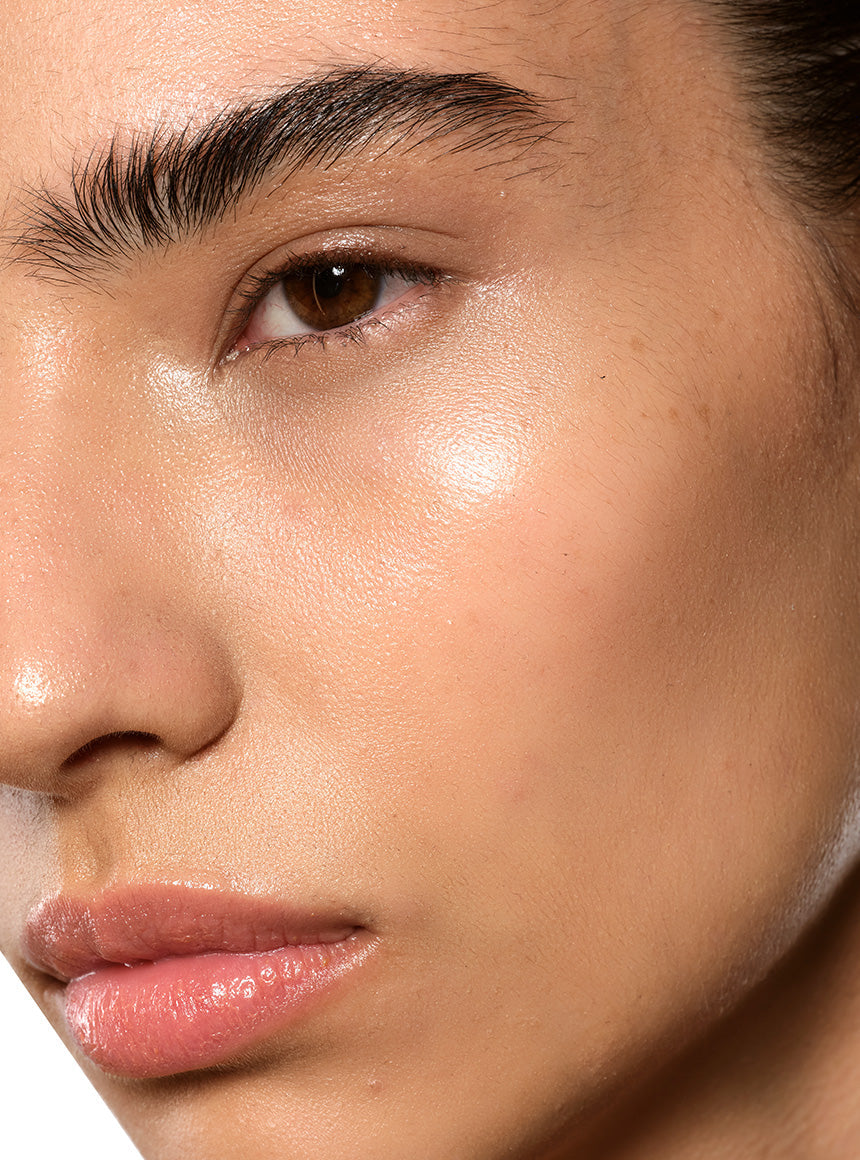
Post-inflammatory erythema (PIE) happens when inflamed skin leaves behind dilated superficial capillaries and a slightly thinned epidermis. The redness you see is blood vessels sitting closer to the surface, not pigment. That distinction matters for treatment, because PIE responds to vascular-targeted approaches in a way that post-inflammatory hyperpigmentation (PIH), which is caused by excess melanin, does not.
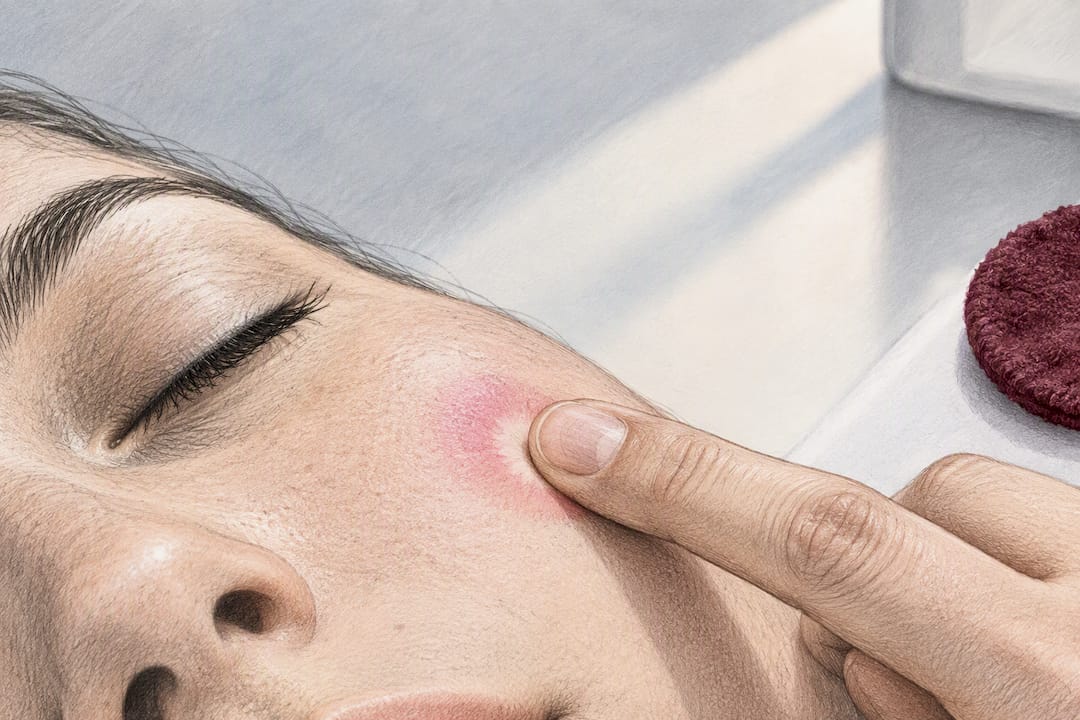
Visually, PIE presents as flat pink, red, or purple marks that blanch (turn pale) briefly when you press on them. PIH shows up as brown or grey-brown patches, and true scarring brings textural change, whether that’s pitting or raised tissue. If the mark is flat and reddish and pales under pressure, it’s almost certainly PIE. When the picture is mixed, a dermatologist using dermatoscopy or standardised photos can confirm what you’re dealing with, which matters because PIH needs a different treatment approach entirely.

How long does post-inflammatory erythema usually last?
PIE is a vascular phenomenon, and for most people it dissipates within 3 to 6 months once the acne or injury that caused it has settled. That said, persistence beyond six months isn’t rare, and some marks linger considerably longer without intervention.
A modifiable problem, not a fixed one. The single biggest driver of prolonged PIE is ongoing inflammation, meaning new breakouts keep laying down fresh vascular marks faster than old ones fade.
Picking at spots, using harsh scrubs, layering too many active ingredients at once, and unprotected sun exposure all extend how long redness sits on the skin. Sun exposure in particular can darken and prolong the visible mark, even though it isn’t pigment in the way PIH is. If you’re tracking progress, take photos in the same light every few weeks. If a mark shows no fading at all after six months of consistent care, that’s the point to bring in a dermatologist rather than keep waiting.
Which topical treatments for post inflammatory erythema actually work?
Azelaic acid has the strongest clinical evidence of any topical for this specific problem. A 12-week randomised, double-blind, placebo-controlled trial found that 15% azelaic acid gel applied twice daily significantly reduced post-acne erythema indices by week 8, with further improvement recorded at week 12. That’s a meaningful data point: it’s one of the few PIE-specific topicals with a proper RCT behind it, rather than borrowed evidence from acne or rosacea studies.
Beyond azelaic acid, the wider evidence base is broader but thinner. A systematic review of topical agents trialled for post-acne erythema covers retinoic acid, glycolic acid, brimonidine, tranexamic acid, and vitamin C, but notes that large, long-term trials remain limited for most of them. That’s why we lean on azelaic acid as the first-line topical, using the others as supporting players.
A sensible topical routine looks like this:
- Cleanser first, always gentle, never a physical scrub.
- Azelaic acid, once daily to start (evening is often better tolerated), building to twice daily as skin adjusts.
- Niacinamide, layered in for its anti-inflammatory and barrier-supporting effects, ideally on alternate applications at first.
- Retinoids, introduced slowly and separately from azelaic acid to avoid stacking irritation.
- Moisturiser and SPF 30+, non-negotiable, every single day.
Topical vasoconstrictors like oxymetazoline or brimonidine, and topical tranexamic acid, can offer short-term redness reduction, but they carry a real risk of rebound flushing or irritation with regular use, which is why a clinician typically reserves them for specific cases rather than daily long-term use.
Pro Tip: Patch-test any new active on your jaw or inner arm for three nights before applying it to your face. Azelaic acid is generally well tolerated, but introducing it alongside a retinoid in the same week is the most common cause of avoidable stinging and flaking. You can find a fuller breakdown of dosing and sequencing in how to use azelaic acid.
Do lasers and devices work better than topicals for erythema?
Procedural options target the blood vessels directly, and for stubborn or extensive PIE, they often outperform topicals on speed, though not without trade-offs.
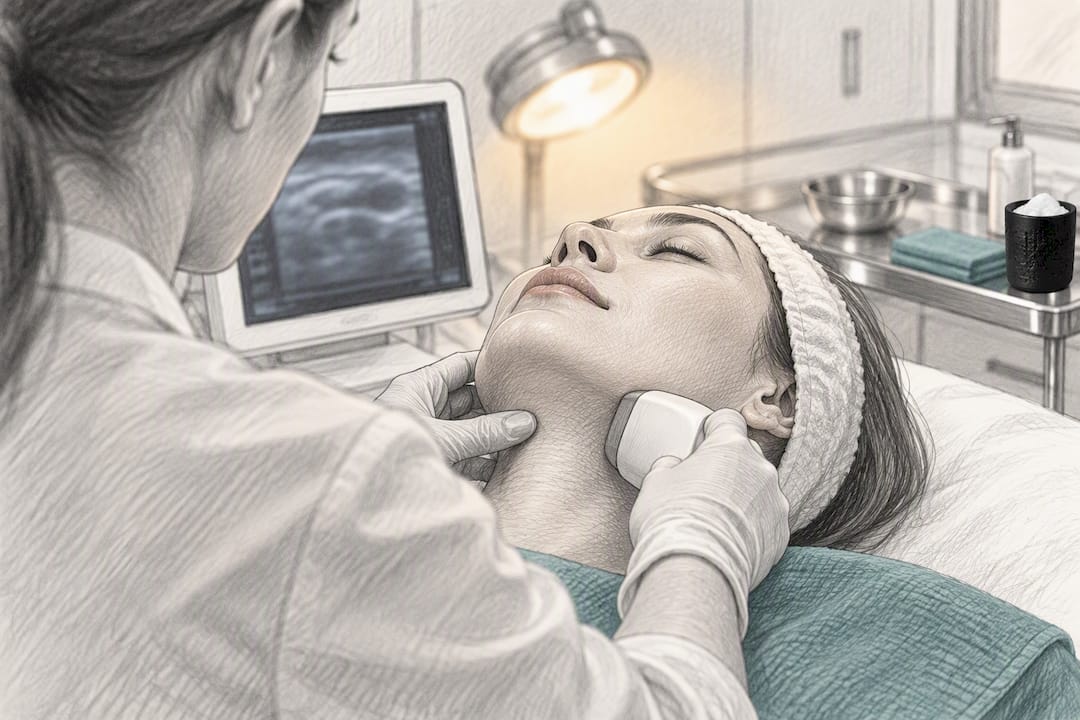
- Pulsed dye laser (PDL) targets haemoglobin in the dilated vessels causing the redness. It tends to deliver the most direct vascular result, but expect purpura (temporary bruising) and swelling for several days after each session, and most people need more than one treatment.
- Intense pulsed light (IPL) suits mixed cases where erythema and pigmentation overlap, since it addresses both. It carries more pigment-related risk in darker skin tones, so tone-appropriate settings matter.
- Radiofrequency microneedling (RFMN) shows promising results for erythema in recent evidence, with an advantage for darker skin types because it doesn’t rely on light wavelengths that can trigger pigment changes.
A broader network meta-analysis of vascular and erythema interventions found RFMN and combination approaches, such as oxymetazoline paired with PDL, produced encouraging outcomes, though many of the underlying trials were small. Separately, a review of light and laser treatments for post-acne erythema confirmed these modalities work, while flagging that study quality varies and adverse events do occur. None of this is a one-and-done fix. A realistic course runs three to six sessions spaced weeks apart, and a clinician should assess your skin type and lesion pattern before recommending which device, if any, fits.
Preventing new erythema while treating the marks you already have
Treating existing PIE without addressing what caused it is like mopping a floor with the tap still running. Three things matter most:
- Wear broad-spectrum SPF 30 or higher every day, and add a hat for extended outdoor time. Sun exposure prolongs how visible PIE looks and raises the risk of hyperpigmentation forming on top of it.
- Stop new inflammatory acne at the source. The American Academy of Dermatology recommends topical retinoids, benzoyl peroxide combinations, and judicious antibiotic use to prevent fresh lesions, which is the single most effective way to stop the cycle of new PIE forming.
- Protect the barrier. Use a gentle, non-foaming cleanser, a non-comedogenic moisturiser, and skip physical scrubs entirely while skin is inflamed or recovering.
Pro Tip: If your skin feels tight, flaky, or stings when you apply anything, you’ve likely overtreated the barrier rather than under-treated the redness. A short pause on actives, paired with a proper barrier repair routine, usually resolves this faster than pushing through it.
When should you see a dermatologist for erythema?
Self-care is a reasonable starting point for most fresh PIE, but a few signals mean it’s time to bring in a professional rather than keep experimenting alone.
- Marks that show no improvement after six months of consistent, gentle care.
- Recurrent inflammation or new breakouts that keep resetting the clock on healing.
- Uncertainty over whether you’re looking at PIE, PIH, or early scarring.
- A personal history of keloid scarring, which changes what procedures are safe to try.
- Deeper skin tones, since pigment risk with light-based devices needs tailored settings from someone experienced with those skin types.
Before any procedure, ask about post-treatment expectations: sun avoidance windows, how long any swelling or purpura will last, and whether a patch test is standard practice at that clinic. You may also want to browse professional medical supplies for post-procedure care to support your skin’s healing process.
Why a gentle-first approach beats chasing quick fixes
The instinct with visible redness is to throw every active ingredient at it at once, and that instinct is usually wrong. Stacking retinoids, acids, and vasoconstrictors together doesn’t accelerate fading. It disrupts the barrier further and can prolong the exact redness you’re trying to treat.
We favour stabilising the skin first: calm active acne, support the barrier, then introduce azelaic acid or a retinoid slowly before considering procedures at all. Persistent cases genuinely do better with combination care, pairing a topical anti-inflammatory with a targeted vascular device, but the sequencing has to be right, and the choice of device should always account for skin tone and how active the acne still is. Treatment plans that skip this ordering tend to produce more irritation than improvement.
— Jess
Clinician-led care for post-inflammatory erythema, without the guesswork
Reading about azelaic acid regimens and laser mechanisms only gets you so far when your skin needs an actual assessment. Them-ethod’s Online Skin Consultation gives you direct access to expert clinical review, which means a proper look at whether you’re dealing with PIE, PIH, or early scarring, plus a treatment plan built around your skin tone and how active your acne still is. Where appropriate, that includes prescription-strength topical options rather than the trial-and-error approach most people default to.
For readers whose redness has proven stubborn, Them-ethod’s London and Athens clinics offer in-person device treatments, including Profhilo, Microneedling, and HIFU, assessed and delivered under clinician guidance rather than picked off a menu blind. Book a consultation to get a plan matched to your skin, not a generic protocol.

This article is general information, not a substitute for advice from a qualified doctor. Consult a qualified healthcare professional about your own circumstances before acting on anything here.
Sources
- Randomised trial: 15% azelaic acid gel reduces post-acne erythema (2024)
- Review: efficacy of light and laser treatments in post-acne erythema (2021)
- Post‑acne erythema treatment: systematic review (2022)
- Post‑inflammatory erythema is a vascular phenomenon — PubMed entry
- AAD acne treatment guidance
FAQ
How to get rid of post-inflammatory erythema fast?
There’s no true overnight fix, since PIE is vascular and fades on its own biological timeline. The fastest evidence-backed route combines daily sunscreen, consistent azelaic acid use, and, for stubborn cases, a procedure like pulsed dye laser under clinician guidance.
How long does it take for PIE to go away?
Most PIE fades within 3 to 6 months once the acne or skin injury that caused it has resolved. Some marks persist longer, particularly with ongoing breakouts, picking, or unprotected sun exposure.
What triggers post-inflammatory erythema?
PIE develops after any inflammatory skin event, most commonly acne, but also injury, picking, or aggressive extractions. The inflammation leaves behind dilated superficial capillaries, which is why the mark looks red rather than brown.
What are the best treatments for PIE?
Azelaic acid has the strongest trial evidence for reducing post-acne erythema, supported by a 12-week randomised controlled trial. For persistent or extensive marks, procedural options such as pulsed dye laser, IPL, or radiofrequency microneedling can accelerate results, and a consultation with a clinician helps match the right approach to your skin.