

How to optimise skin health with personalised treatments
Struggling with stubborn acne, visible signs of ageing, or uneven pigmentation despite trying countless products? You’re not alone. Many individuals face frustration when generic skincare routines fail to address their unique concerns effectively. The solution lies in personalised, prescription-strength treatments guided by expert assessment. This comprehensive guide will walk you through assessing your skin’s specific needs, implementing advanced evidence-based therapies, and supporting long-term results through nutrition and lifestyle modifications. Discover how tailored clinical approaches can transform your skin health journey from trial and error into targeted, measurable improvement.
Table of Contents
- Key takeaways
- Assessing your skin health: the foundation for personalised care
- Implementing advanced treatments for acne, pigmentation and ageing
- Supporting skin health: nutrition, lifestyle and regenerative techniques
- Explore advanced skincare solutions at The M-ethod
- Frequently asked questions
Key Takeaways
| Point | Details |
|---|---|
| Personalised assessment guides care | A comprehensive skin assessment using a four phase framework informs targeted, measurable treatment goals. |
| Trifarotene first line retinoid | Trifarotene provides a first line retinoid option with improved tolerability and targeted action for acne and scarring. |
| Combination therapies outperform monotherapy | Layering retinoids with hydroquinone or other agents addresses multiple pathways and improves outcomes across different skin tones. |
| Non surgical ageing interventions | Non surgical procedures complement topical regimens to enhance ageing skin improvements. |
| Diet and monitoring support outcomes | Nutrition and expert monitoring help sustain improvements over the long term. |
Assessing your skin health: the foundation for personalised care
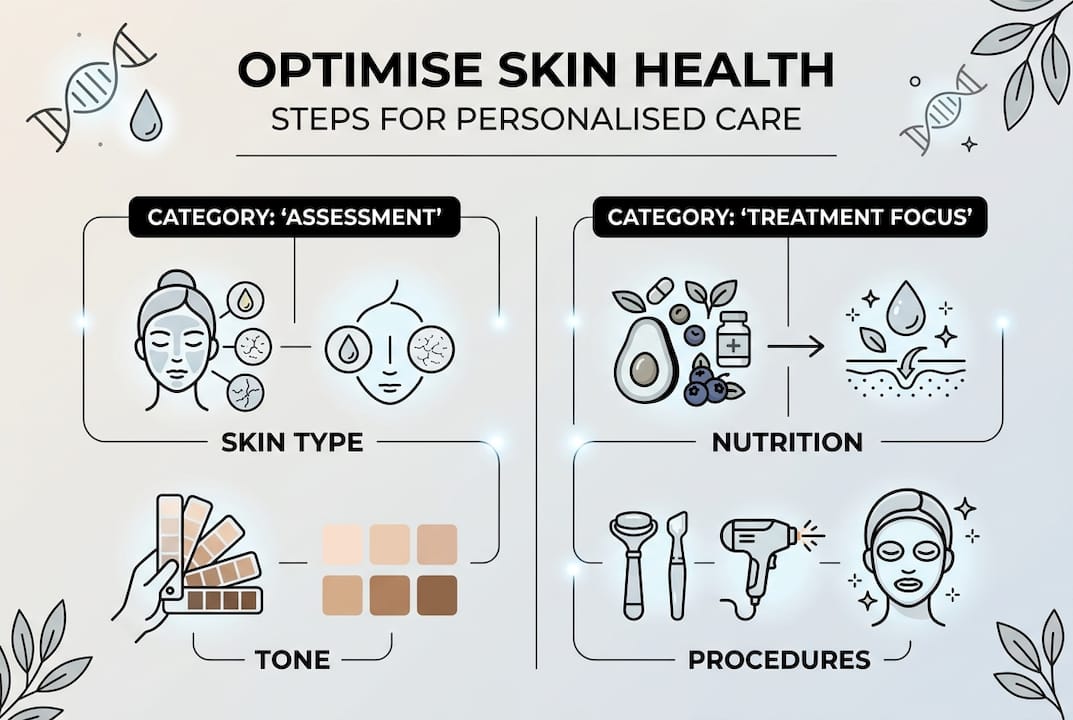
Effective skin optimisation begins with comprehensive skin health assessment rather than product selection. The APIA scientific skin management methodology enhances various skin qualities through structured evaluation of parameters including elasticity, pigmentation, sebum production, and ageing concerns. This four-phase approach (Assessment, Program, Implementation, Accompany) creates a diagnostic framework that identifies your specific skin priorities and establishes measurable treatment goals.
Emergent Perceptual Categories provide a practical lens for prioritising treatment objectives. These categories encompass tone evenness, surface smoothness, firmness, and glow, allowing you to address multiple concerns simultaneously rather than tackling issues in isolation. For example, someone experiencing both acne scarring and early ageing signs might prioritise surface evenness and firmness together, creating a more efficient treatment pathway than addressing each concern separately.
Personalisation enables addressing complex, overlapping skin issues that generic protocols cannot resolve. Expert consultations through tailored skincare with virtual consultation services outperform generic AI applications for nuanced concerns requiring professional judgement. A qualified clinician evaluates factors including:
- Skin barrier function and hydration status
- Inflammatory markers and sensitivity patterns
- Photodamage severity and distribution
- Sebaceous gland activity and pore characteristics
- Vascular patterns and redness distribution
- Pigmentation depth and melanin distribution patterns
Photoprotection strategies and skin tone specific considerations integrate at this foundational stage. Darker skin tones require modified treatment approaches due to increased risk of post-inflammatory hyperpigmentation, whilst fair skin may tolerate higher retinoid concentrations initially. Understanding these variables through personalised skincare dermatologists prefer ensures treatments enhance rather than compromise your skin health. This assessment phase typically takes 20 to 30 minutes during a virtual consultation, establishing a detailed baseline against which you’ll measure progress throughout your treatment journey.
Implementing advanced treatments for acne, pigmentation and ageing
Initiate topical retinoids early to prevent long-term sequelae of acne and photodamage. Trifarotene cream is a first-line treatment for acne and related sequelae, offering RAR-γ selective activity that targets sebaceous glands and inflammatory pathways with improved tolerability compared to traditional retinoids. This fourth-generation retinoid reduces acne scarring and hyperpigmentation whilst minimising the irritation that causes many patients to abandon treatment prematurely.
Combination regimens deliver superior outcomes to monotherapy across all major skin concerns. Combination therapies are essential for treating acne and PIH in diverse skin tones, particularly for post-inflammatory hyperpigmentation in darker complexions. Effective protocols layer multiple mechanisms:
- Topical retinoids (trifarotene 0.005% or adapalene 0.3%) for cellular turnover
- Hydroquinone 4% or alternative brightening agents (tranexamic acid, kojic acid) for melanin suppression
- Topical antibiotics or benzoyl peroxide for inflammatory acne control
- Chemical peels (salicylic acid, glycolic acid, or trichloroacetic acid) for surface exfoliation
- Laser treatments (Q-switched or picosecond lasers) for deeper pigmentation
The clearskin pca acne serum exemplifies this combination approach, delivering niacinamide, azelaic acid, and botanical extracts that work synergistically to reduce breakouts whilst calming inflammation. When integrated into a professional skincare regimen guide, these formulations address multiple pathways simultaneously, accelerating visible improvement.
Non-surgical procedural options provide structural improvements that topical treatments cannot achieve. Combination of non-surgical treatments optimises ageing skin improvements through complementary mechanisms targeting different tissue layers. Hyaluronic acid fillers restore volume loss in cheeks, temples, and under-eye hollows. Botulinum toxin (BoNT) relaxes dynamic wrinkles in the forehead, glabellar region, and crow’s feet. Radiofrequency (RF) devices stimulate collagen remodelling in the dermis, improving skin laxity. Microneedling with radiofrequency combines mechanical injury with thermal energy for enhanced collagen production.
Treatment algorithms should prioritise firmness and glow based on your skin quality categories from the assessment phase. Someone with significant laxity but minimal pigmentation concerns might begin with RF treatments and retinoids before introducing brightening agents. Conversely, pigmentation-dominant concerns warrant earlier introduction of combination brightening protocols with photoprotection.
Pro tip: Always incorporate broad-spectrum sun protection with SPF 50+ to maximise treatment outcomes and reduce pigmentation risk. UV exposure undermines retinoid efficacy and triggers post-inflammatory hyperpigmentation, particularly during active treatment phases.
| Treatment Type | Primary Benefit | Typical Downtime | Best For |
|---|---|---|---|
| Hyaluronic acid fillers | Volume restoration | 1-3 days | Hollows, deep folds |
| Botulinum toxin | Dynamic wrinkle reduction | None | Forehead, crow’s feet |
| Radiofrequency | Skin tightening | None to 1 day | Laxity, texture |
| Microneedling RF | Collagen stimulation | 3-5 days | Scars, texture, firmness |
| Chemical peels | Surface renewal | 3-7 days | Pigmentation, texture |
| Laser treatments | Deep pigment removal | 5-10 days | Melasma, sun damage |
This comparison illustrates how different procedures address specific ageing concerns with varying recovery requirements. Your clinician will sequence these treatments based on your priorities, skin tolerance, and lifestyle constraints, often combining modalities in strategic intervals for cumulative benefit.
Supporting skin health: nutrition, lifestyle and regenerative techniques
A whole-food diet rich in specific nutrients provides the biochemical foundation for optimal skin function. Nutritional dermatology promotes skin health with specific nutrients including vitamins A, C, D, and E, which support collagen synthesis and antioxidant protection. Vitamin C serves as a cofactor for prolyl and lysyl hydroxylase enzymes essential for collagen stability. Vitamin A regulates epithelial cell differentiation and immune function. Vitamin E protects cell membranes from oxidative damage.

Zinc, omega fatty acids, and polyphenols further enhance skin resilience and appearance. Zinc supports wound healing and regulates sebaceous gland activity, making it particularly valuable for acne-prone skin. Omega-3 fatty acids from fatty fish, flaxseed, and walnuts reduce inflammatory mediators that exacerbate acne and rosacea. Polyphenols from green tea, dark berries, and dark chocolate provide antioxidant protection against UV-induced damage and premature ageing.
Regenerative therapies represent an emerging frontier in skin optimisation. Regenerative therapies and lifestyle strategies target cellular ageing through mechanisms including growth factor delivery, cellular signalling modulation, and metabolic enhancement. Platelet-rich plasma (PRP) concentrates autologous growth factors that stimulate fibroblast activity and collagen production. Clinical applications include combination with microneedling for enhanced texture improvement and hair restoration protocols.
Exosome treatments deliver extracellular vesicles containing proteins, lipids, and nucleic acids that influence cellular behaviour. These nano-sized particles facilitate intercellular communication, potentially enhancing skin repair and regeneration. Early evidence suggests benefits for wound healing and anti-inflammatory effects, though robust clinical trials remain limited. NAD+ precursors like nicotinamide riboside and nicotinamide mononucleotide support cellular energy metabolism and DNA repair mechanisms that decline with age.
Incorporating lifestyle interventions amplifies topical and procedural treatment outcomes. Time-restricted eating patterns may enhance autophagy, the cellular recycling process that removes damaged components. Regular exercise improves circulation, delivering nutrients and oxygen to skin tissues whilst facilitating waste removal. Stress management through meditation or yoga reduces cortisol levels that otherwise impair skin barrier function and accelerate ageing. Quality sleep enables growth hormone secretion and cellular repair processes that occur predominantly during deep sleep stages.
Photoprotection remains the single most impactful lifestyle intervention for skin health. Daily application of broad-spectrum sunscreen prevents 80% of visible facial ageing. Seek shade during peak UV hours (10am to 4pm), wear protective clothing, and reapply sunscreen every two hours during extended sun exposure. These simple habits compound over years, dramatically reducing photodamage accumulation.
Pro tip: Consult qualified experts before starting emerging regenerative treatments like exosomes or NAD+ therapies to understand current evidence, realistic expectations, and safety considerations. Whilst promising, these approaches lack the extensive clinical validation of established treatments like retinoids and proven procedures.
- Consume at least five servings of colourful vegetables and fruits daily for antioxidant protection
- Include fatty fish twice weekly or supplement with high-quality omega-3s (1000-2000mg EPA/DHA)
- Maintain adequate protein intake (0.8-1.2g per kg body weight) for collagen synthesis
- Limit refined sugars and high-glycaemic foods that promote glycation and inflammation
- Stay well-hydrated with 2-3 litres of water daily to support skin barrier function
These nutritional foundations work synergistically with your topical and procedural treatments, creating an internal environment conducive to skin repair and regeneration. Think of nutrition as the infrastructure supporting the targeted interventions you apply externally.
Explore advanced skincare solutions at The M-ethod
The M-ethod offers prescription-strength serums and clinically proven formulations tailored to your unique skin concerns. Our clearskin pca acne serum combines niacinamide and azelaic acid for effective acne management, whilst intensive eye therapy neostrata targets fine lines and dark circles with peptides and antioxidants. For gentle yet effective exfoliation, the exfoliating wash neostrata removes dead skin cells without compromising barrier function.
Expert consultations ensure treatments align with your specific skin needs and goals. Our clinicians analyse your skin health comprehensively, creating personalised protocols that combine the right products, procedures, and lifestyle modifications for sustained optimisation. Explore our curated product range to complement your skincare routine with formulations backed by clinical evidence and dermatologist expertise.
Frequently asked questions
What is the best way to start optimising my skin health?
Begin with a personalised skin assessment through a tailored skincare consultation to identify your specific concerns and priorities. This diagnostic foundation ensures treatments target your unique needs rather than following generic protocols. A qualified clinician will evaluate your skin type, concerns, and goals to create a strategic treatment plan.
How do prescription retinoids help with acne and pigmentation?
Prescription retinoids accelerate skin cell turnover, reducing scarring and lightening hyperpigmentation through enhanced cellular renewal. Newer formulations like trifarotene offer RAR-γ selective activity that targets sebaceous glands and inflammatory pathways with improved tolerability compared to traditional retinoids. This mechanism addresses both active acne and post-inflammatory changes simultaneously.
Are combination treatments necessary for ageing skin?
Yes, combining topical and procedural therapies targets wrinkles, laxity, and pigmentation through complementary mechanisms for superior outcomes. Topical retinoids stimulate cellular turnover whilst procedures like RF and fillers address structural changes in deeper tissue layers. This multi-modal approach produces more comprehensive and longer-lasting improvements than single treatments alone.
Can diet really impact my skin quality?
Absolutely. Nutrient-rich foods support collagen synthesis and antioxidant systems crucial for skin health and appearance. Vitamins A, C, D, and E, along with zinc, omega fatty acids, and polyphenols, provide the biochemical building blocks and protective mechanisms your skin requires. Dietary patterns influence inflammation, oxidative stress, and cellular function, directly affecting skin ageing and disease processes.
How long before I see results from personalised treatments?
Initial improvements typically appear within 4 to 6 weeks for topical treatments, whilst procedural results may manifest over 8 to 12 weeks as collagen remodelling occurs. Acne reduction often shows earlier progress, whilst pigmentation and textural improvements require longer treatment durations. Consistency and expert monitoring throughout this period ensure optimal outcomes and appropriate protocol adjustments.