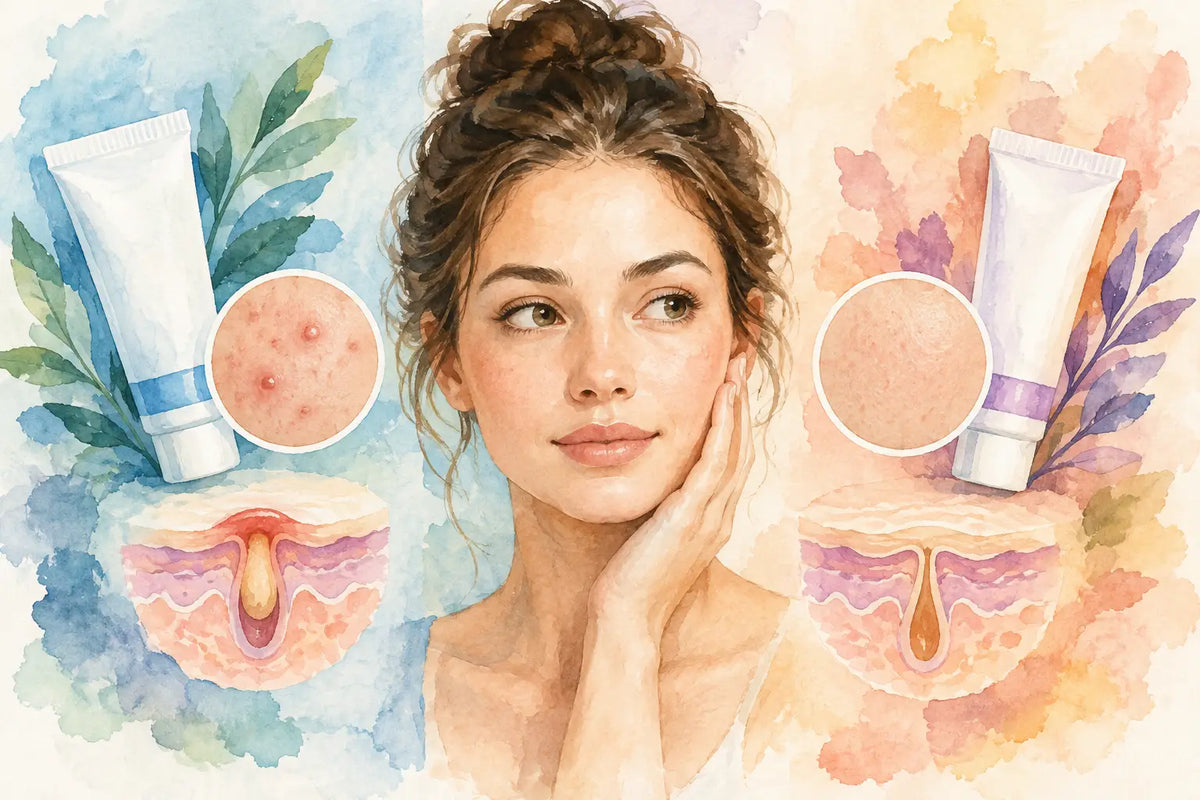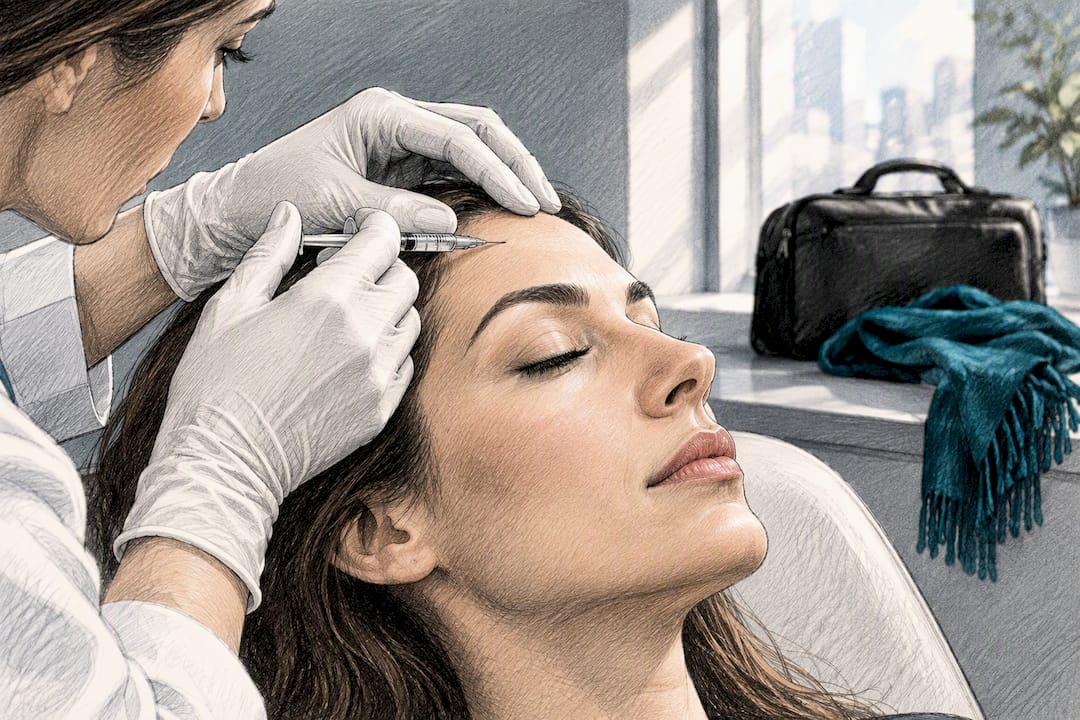



Holistic skin health: integration, evidence & action
TL;DR:
- Skin health is influenced by internal factors like gut health, hormonal balance, stress, and sleep.
- Scientific studies show holistic interventions can significantly improve conditions like acne and eczema.
- Combining evidence-based topical treatments with lifestyle changes offers the most sustainable results.
Most of us have spent years searching for the perfect serum, the miracle moisturiser, the one product that will finally transform our skin. Yet for many, results remain frustratingly inconsistent. The reason is simple: skin reflects internal health, and no topical product, however advanced, can fully compensate for systemic imbalances. Holistic skin health addresses this gap by treating the skin as a living, responsive organ connected to gut function, hormonal balance, stress levels, sleep quality, and nutrition. In this article, we explore the evidence behind this approach, practical frameworks for daily application, and how to integrate holistic methods with clinically proven treatments for genuinely sustainable results.
Table of Contents
- Defining holistic skin health: Beyond topical solutions
- Scientific evidence for holistic interventions
- Holistic skin care in practice: Frameworks and routines
- Integrating holistic and conventional dermatology
- A fresh perspective: The real secret to sustainable skin health
- Take your holistic skin health further with The M-ethod
- Frequently asked questions
Key Takeaways
| Point | Details |
|---|---|
| Holistic foundation | Holistic skin health focuses on internal well-being and lifestyle alongside skincare for sustainable results. |
| Evidence-backed practices | Clinical studies confirm benefits in skin conditions when holistic interventions are followed consistently. |
| Integration is key | Combining conventional dermatology with holistic methods produces optimal outcomes. |
| Practical routines | Daily habits around diet, stress, sleep, and multi-step skincare routines are essential. |
| Personalised strategies | Tailor holistic and conventional approaches for your unique skin needs for best results. |
Defining holistic skin health: Beyond topical solutions
Conventional dermatology has long prioritised topical treatments, from prescription retinoids to corticosteroids, as the primary response to skin concerns. These are often effective and necessary. But they address the surface expression of problems that frequently originate deeper within the body. Holistic skin health takes a broader view, treating the skin as a reflection of systemic function rather than an isolated organ requiring localised repair.
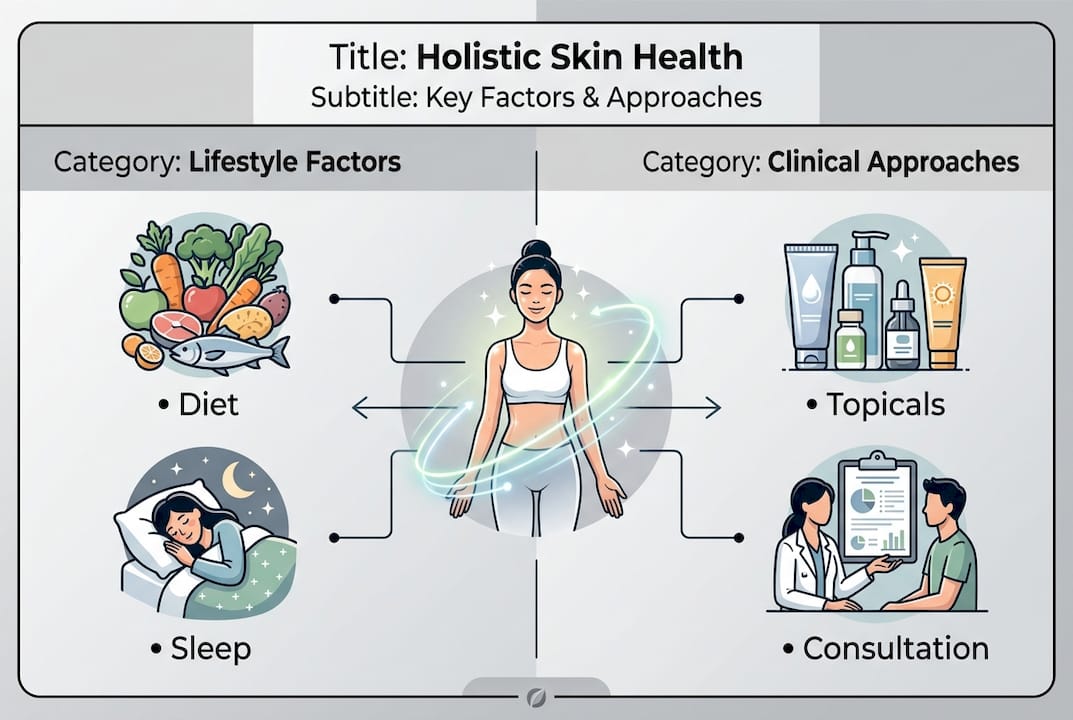
At its core, holistic skin health integrates the following dimensions:
- Nutrition and diet: Anti-inflammatory foods, antioxidant-rich nutrients, and adequate hydration directly influence skin barrier integrity and cellular repair.
- Gut health: The gut-skin axis is well documented, with intestinal microbiome imbalances correlating with acne, rosacea, and atopic dermatitis.
- Stress management: Chronic stress elevates cortisol, which impairs collagen production, disrupts the skin barrier, and triggers inflammatory flares.
- Sleep quality: Deep sleep is when the skin undergoes its primary repair cycle, including collagen synthesis and cellular regeneration.
- Topical care: Evidence-based products remain an essential layer, but they work best when the internal environment supports them.
Integrative dermatology bridges these systemic factors with conventional practice, rather than replacing clinical treatments with lifestyle advice alone. The result is a more complete model of skin care that addresses root causes alongside surface symptoms.
| Approach | Focus | Strengths | Limitations |
|---|---|---|---|
| Conventional dermatology | Topical and pharmaceutical treatments | Fast, targeted results | May not address root causes |
| Holistic skin health | Systemic factors plus topical care | Sustainable, long-term outcomes | Requires lifestyle commitment |
| Integrative approach | Both combined | Comprehensive and adaptable | Needs expert guidance |
For those interested in personalised skin health, the integrative model is increasingly recognised as the gold standard. It respects the complexity of individual skin biology while drawing on the best of both clinical and lifestyle-based evidence.
Scientific evidence for holistic interventions
Now we have defined holistic skin health, let us examine what the scientific evidence reveals about these approaches.
Clinical studies consistently demonstrate that holistic interventions produce measurable improvements across a range of skin conditions, including acne, eczema, and psoriasis. These are not marginal gains. They represent clinically significant changes validated through standardised scoring systems.
| Skin condition | Intervention | Measured outcome |
|---|---|---|
| Acne vulgaris | Dietary modification, probiotic supplementation | Reduced lesion count, improved sebum regulation |
| Atopic dermatitis | Microbiome-targeted therapy | Improved SCORAD scores |
| Psoriasis | Gut microbiome interventions | Reduced PASI scores |
| Rosacea | Anti-inflammatory diet, stress reduction | Decreased flare frequency |
Microbiome research is particularly compelling. Microbiome interventions targeting the gut-skin axis have produced significant reductions in both SCORAD scores for atopic dermatitis and PASI scores for psoriasis, two of the most rigorous benchmarks used in dermatological research.
“The skin is not a closed system. It communicates constantly with the gut, the immune system, and the nervous system. Treating it in isolation will always produce incomplete results.”
Evidence for oral collagen evidence is also strengthening, with studies reporting improvements in skin hydration, elasticity, and barrier function following consistent supplementation. This is not anecdotal. Randomised controlled trials support these outcomes when quality and dosage are appropriate.
Practically speaking, the most scientifically supported holistic actions include:
- Consuming omega-3 fatty acids to reduce systemic inflammation
- Incorporating probiotic-rich foods or targeted supplements to support the gut-skin axis
- Maintaining consistent sleep schedules to optimise overnight skin repair
- Managing psychological stress through evidence-based techniques such as mindfulness or structured exercise
- Following evidence-based skin care tips including daily SPF application and gentle cleansing
The key distinction is between what is evidence-backed and what is merely popular. Jade rollers and elaborate rituals may feel luxurious, but they do not carry the same clinical weight as dietary adjustments or microbiome-targeted supplementation.
Holistic skin care in practice: Frameworks and routines
Armed with the evidence, let us explore exactly how to put holistic skin health into practice in daily life.
Holistic skin care is most effective when approached as a structured, sustainable system rather than a collection of isolated habits. Consistency matters far more than perfection. Here is a practical framework:
- Morning nutrition: Begin with a breakfast rich in antioxidants, healthy fats, and protein. Berries, walnuts, eggs, and leafy greens support collagen production and reduce oxidative stress.
- Topical morning routine: Cleanse gently, apply a vitamin C serum, and follow with a broad-spectrum SPF 30 or higher. These are non-negotiable evidence-based basics.
- Hydration throughout the day: Aim for at least 1.5 to 2 litres of water. Dehydration visibly impacts skin plumpness and barrier function within hours.
- Stress management: Even 10 minutes of structured breathwork or mindfulness mid-afternoon can measurably reduce cortisol levels, with direct benefits for inflammatory skin conditions.
- Evening nutrition: Focus on anti-inflammatory foods. Reduce refined sugars and processed oils, which are well-documented triggers for acne and inflammatory flares.
- Evening topical routine: Cleanse, apply actives such as retinoids or peptides, and seal with a barrier-supportive moisturiser.
- Sleep hygiene: Aim for 7 to 9 hours. Keep your bedroom cool and dark. This is when your skin does its most intensive repair work.
Pro Tip: One of the most common mistakes we see is people rotating through multiple new products simultaneously. If your skin reacts, you will not know which product caused it. Introduce one new element at a time, whether topical or dietary, and allow at least four weeks before assessing results.
For a broader view of where skin care is heading, our overview of holistic skincare trends and the case for multi-step skincare offer further context on building routines that genuinely deliver.
Integrating holistic and conventional dermatology
While routines are important, understanding how to combine holistic and conventional approaches provides a smarter path forward.
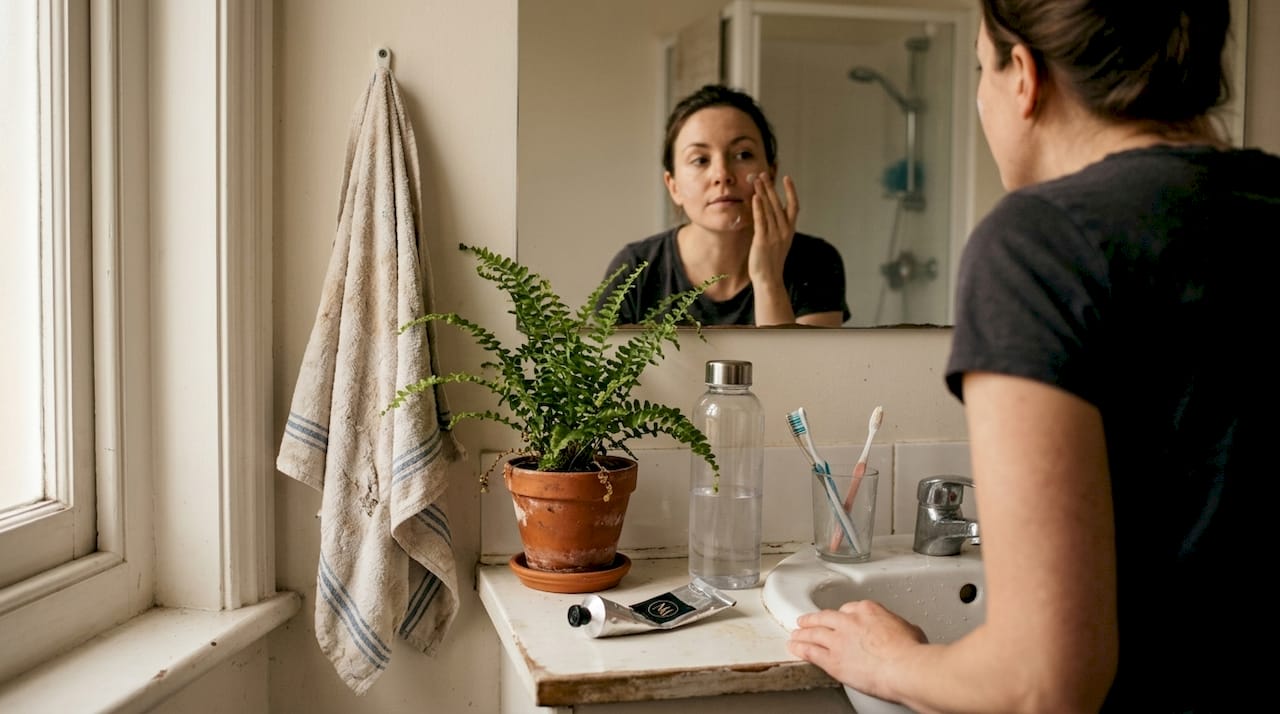
Integrative dermatology does not ask you to choose between a prescription retinoid and a probiotic supplement. It asks you to use both intelligently, with an understanding of how each contributes to your overall skin health picture.
Here is how to think about the two layers:
Non-negotiable clinical basics:
- Daily broad-spectrum SPF (the single most evidence-supported anti-ageing intervention available)
- Gentle, pH-appropriate cleansing twice daily
- Prescription actives where clinically indicated, such as retinoids for ageing or benzoyl peroxide for acne
- Regular skin checks with a qualified clinician
Holistic add-ons that amplify results:
- Probiotic and prebiotic support for the gut-skin axis
- Dietary adjustments to reduce glycaemic load and systemic inflammation
- Sleep optimisation and stress reduction protocols
- Evidence-supported supplements, including collagen supplements evidence and omega-3s
The danger lies at the extremes. Abandoning evidence-based basics in favour of purely natural approaches leaves you without the clinical tools that genuinely move the needle on conditions like acne, pigmentation, and photoageing. Equally, relying solely on topical treatments without addressing systemic drivers means you are managing symptoms rather than resolving underlying causes.
Pro Tip: When working with a clinician, share your full lifestyle picture, including diet, sleep, stress levels, and any supplements you are taking. This information directly shapes which treatments will work best for your individual biology. Skin is personal, and the most effective protocols reflect that.
A fresh perspective: The real secret to sustainable skin health
Here is a candid perspective on what truly drives sustainable skin health, based on experience and scientific nuance.
We have observed a consistent pattern: clients who achieve the most lasting results are rarely those who invest in the most expensive products. They are the ones who address their skin as part of a wider system. The gut-skin axis is not a wellness trend. It is a clinically validated communication pathway that influences everything from inflammatory acne to barrier resilience.
The uncomfortable truth is that chasing single-product fixes is often a distraction. A £300 serum applied over a disrupted gut microbiome, chronic sleep deprivation, and unmanaged stress will underperform a far simpler routine built on systemic foundations.
“Sustainable skin health requires balance and integration, not just the right product at the right time.”
What we have learned is that the most effective approach combines clinical precision with lifestyle intelligence. Prescription-strength actives work harder when the internal environment supports them. Holistic practices produce faster, more visible results when paired with evidence-based topical care. Neither approach is complete without the other. For those ready to move beyond guesswork, personalised skin treatments that account for your full health picture represent the most direct route to genuinely sustainable skin health.
Take your holistic skin health further with The M-ethod
If you are ready to take the next step in holistic skin health, here is how The M-ethod can support your journey.
At The M-ethod, we bring together prescription-strength products, expert virtual consultations, and clinically validated protocols to support your skin from every angle. Our approach is built on the same integrative principles outlined in this article: combining the best of conventional dermatology with evidence-backed holistic strategies tailored to your individual biology. You can explore our client testimonials to see the results our clients achieve, or browse targeted solutions such as our acne treatment serum for those managing breakout-prone skin. Your skin deserves a strategy, not just a product.
Frequently asked questions
How long does it take to see results from holistic skin health practices?
Clinical evidence suggests noticeable improvements in skin conditions can occur within 4 to 8 weeks of consistent holistic intervention, though some systemic changes, particularly in the gut microbiome, may take longer to fully manifest.
Are holistic skin health methods safe to combine with conventional treatments?
Yes. Integrative approaches are designed to complement conventional dermatology, and when guided by a qualified clinician, they frequently enhance the effectiveness of prescription treatments rather than interfering with them.
Which lifestyle factors most impact holistic skin health?
Diet, stress management, sleep quality, and gut health are the four leading systemic factors, all of which are well documented as significant influencers of skin condition, barrier function, and inflammatory response.
Is there scientific evidence supporting holistic skin health?
Emerging clinical studies demonstrate positive outcomes for holistic approaches, particularly for acne, eczema, and psoriasis, with measurable improvements recorded through validated dermatological scoring systems such as SCORAD and PASI.