

Protect Your Skin Barrier: Choose 2.5%, 5% or 10% Benzoyl Peroxide Wash
A benzoyl peroxide wash clears acne by killing the bacteria that drive breakouts and by loosening the debris that blocks pores. Most people should start with a 2.5% formula on the face, moving to 5% or 10% for the chest and back or for acne that resists lower strengths. Patch test first, rinse thoroughly, and stop if irritation becomes severe rather than pushing through it.
TL;DR:
- Starting with a 2.5% benzoyl peroxide wash minimizes irritation while effectively reducing acne bacteria on the face.
- Higher strengths like 5% and 10% may improve stubborn acne but increase the risk of redness and peeling, especially initially.
- Proper application involves leaving the wash on for 1-2 minutes, rinsing thoroughly, and following with moisturizer and sunscreen if used in the daytime.
- Daily use is generally safe once skin adapts, but beginners should start with once daily and consider short-contact therapy to lessen irritation.
- Pairing benzoyl peroxide with niacinamide can improve tolerability and enhance acne reduction, though individual responses vary.
Table of Contents
- What does a benzoyl peroxide wash do?
- Which benzoyl peroxide percentage should you choose?
- How to use a benzoyl peroxide wash properly
- Is it safe to wash with benzoyl peroxide every day?
- Does benzoyl peroxide work better with niacinamide?
- How do you pick the right wash for your skin?
- How Jess sees the strength versus tolerability trade-off
- Want a strength picked for you, not guessed at?
- Sources
- FAQ
What does a benzoyl peroxide wash do?
Benzoyl peroxide works by releasing oxygen into the pore, an environment the acne bacterium Cutibacterium acnes cannot tolerate. It also has a mild comedolytic effect, meaning it helps shed the dead skin cells that combine with oil to form blackheads and whiteheads. Reviews summarising the clinical evidence describe it as one of the more reliable topical options for mild to moderate acne, largely because bacteria have not developed resistance to it the way they have to some antibiotics.
A wash differs from a leave-on gel or cream mainly in contact time. You rinse a cleanser off within minutes, so it works as a supporting step rather than the main event, whereas a leave-on product stays on the skin all day or overnight, giving the active ingredient longer to work.
- Washes suit oilier skin types, acne on the chest and back, and anyone who finds leave-on formulas too drying.
- Most people notice fewer new breakouts within three weeks, with the fullest effect building over 8 to 12 weeks of consistent use.
Which benzoyl peroxide percentage should you choose?
Concentration does not scale neatly with results. Above a certain point, higher percentages bring more irritation without a proportional jump in bacteria killed, which is why dermatology guidance rarely pushes patients straight to the strongest option available.
- 2.5%: the sensible starting point for facial skin, especially if you are new to benzoyl peroxide or have a fair or reactive complexion.
- 5%: a middle ground for oilier skin or moderate acne that has plateaued on 2.5%.
- 10%: reserved for the body, or for facial acne that has genuinely stopped responding to lower strengths under supervision.
PanOxyl’s laboratory testing found its 10% foaming wash kills a very high percentage of acne-causing bacteria rapidly of contact, and the brand markets 10% as the maximum benzoyl peroxide wash strength available without a prescription. That figure comes from controlled lab conditions rather than a face in the shower, but it illustrates how quickly the ingredient acts once it reaches the bacteria. Package inserts for prescription-strength washes still recommend starting at the lowest concentration and stepping up only as your skin tolerates it, regardless of what the label technically allows.
How to use a benzoyl peroxide wash properly
Technique matters almost as much as strength. Rushing the rinse or leaving the product on too long are the two most common ways people end up with red, flaking skin within a fortnight.
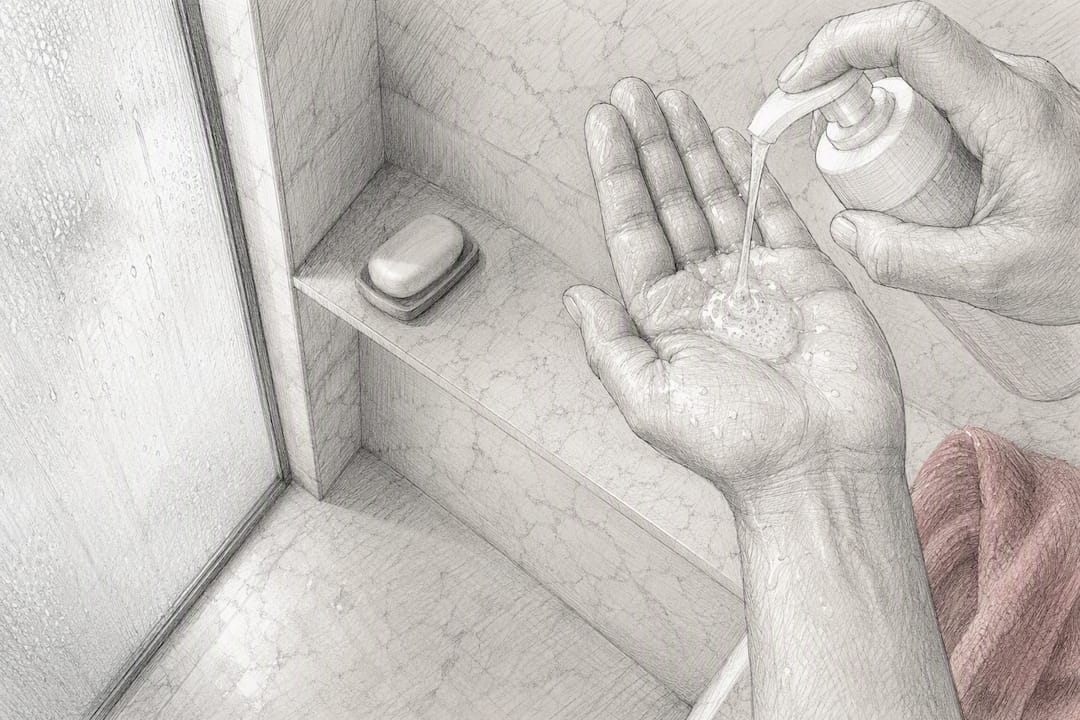
- Wet your skin, then work the wash into a light lather across the affected area.
- Leave it on for 1 to 2 minutes, the contact time PanOxyl’s own product directions recommend for this format.
- Rinse thoroughly with lukewarm water and pat the skin dry rather than rubbing.
- Apply a fragrance-free moisturiser straight away to offset dryness.
- If it is daytime, follow with a broad-spectrum sunscreen, since FDA guidance flags increased sun sensitivity as a consideration with topical acne treatments.
Begin once daily, then move to twice daily only once your skin has adjusted, typically over one to two weeks. If you have sensitive or dry skin, alternate days instead of using it every night. Shortening the contact time to 5 to 15 minutes before rinsing, a technique known as short-contact therapy, can preserve much of the antibacterial benefit while cutting down on irritation.
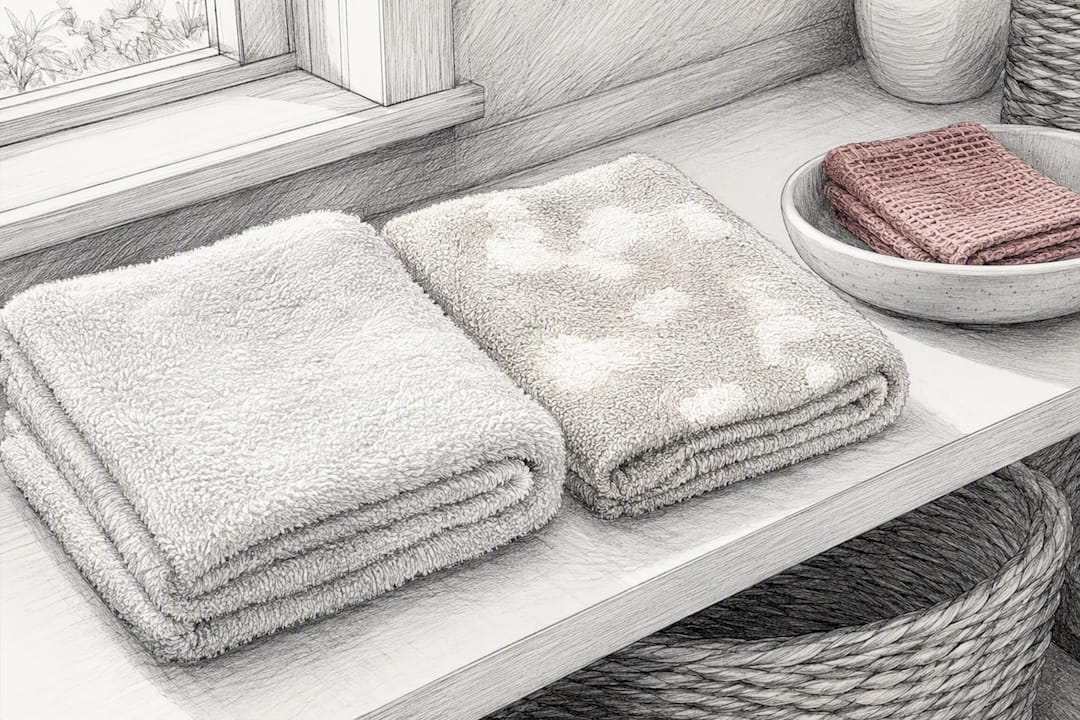
Pro Tip: Keep a separate, older towel for your face while you are building tolerance to benzoyl peroxide. Bleached patches on your good linen are a one-way trip, but a designated towel saves you the argument with yourself later.
Is it safe to wash with benzoyl peroxide every day?
Daily use is generally fine once your skin has adjusted, but it is not automatically the right starting point. Prescribing information consistently lists erythema (redness), peeling, and dryness as the most common adverse reactions, and these show up more often in the first two weeks than at any point afterwards.
- Redness, tightness, or flaking usually means you have gone up in strength or frequency too quickly, not that the product has failed.
- Benzoyl peroxide bleaches fabric and hair on contact, so rinse it fully from your hands and hairline and avoid dark towels, pillowcases, and clothing collars.
- Keep it away from your eyes, lips, and other mucous membranes, where it stings and offers no benefit.
- If you are pregnant or breastfeeding, topical benzoyl peroxide has minimal systemic absorption, but it is worth a quick conversation with your clinician before starting, particularly if you are also considering other actives (our guide to pregnancy-safe skincare actives covers safer substitutions).
- Stop and seek medical advice if you develop swelling, blistering, or a rash that spreads beyond the treated area. That pattern points to a genuine allergic reaction rather than ordinary irritation.
Does benzoyl peroxide work better with niacinamide?
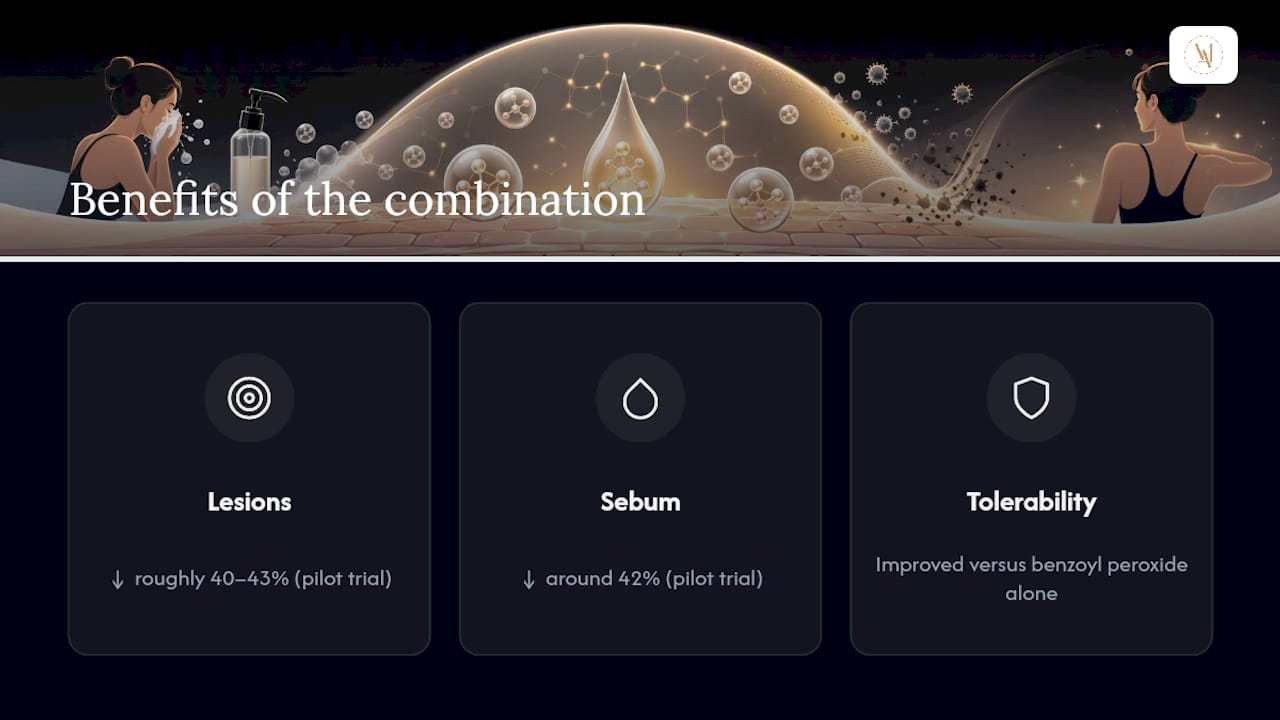
Pairing the two ingredients appears to solve benzoyl peroxide’s main weakness, which is that its effectiveness and its irritation both rise together. A pilot trial combining benzoyl peroxide with niacinamide recorded lesion counts falling by roughly 40 to 43%, alongside a sebum reduction of around 42%, with tolerability improving compared with benzoyl peroxide used alone.
Niacinamide calms the inflammation and supports the skin barrier while benzoyl peroxide does the antibacterial work, which is why the combination shows up increasingly in formulations aimed at reactive skin. If your wash does not already contain niacinamide, apply a niacinamide serum after rinsing and patting dry, once your skin has finished absorbing the moisture. These were small, short studies, so treat the percentages as a promising signal rather than a guarantee, and give any new combination several weeks before judging it.
How do you pick the right wash for your skin?
Matching the product to your situation matters more than chasing the highest number on the bottle. Run through this before you buy:
- How reactive is your skin generally, and have previous acne treatments left you red or flaky?
- Are you treating your face, chest, back, or a mix, since body skin tolerates higher strengths better than facial skin?
- Do you already use retinoids, exfoliating acids, or other actives that could compound irritation?
- Will you realistically apply sunscreen afterwards if you are using it in the morning?
- Would a combination formula with niacinamide suit you better than layering products yourself?
Foams and gels tend to rinse cleaner and suit oilier skin, while cream washes leave more residual moisture for drier types. If breakouts persist after eight to twelve weeks of consistent use at an appropriate strength, or if you are dealing with deep, painful cystic acne, that is the point to bring in a dermatologist rather than climbing further up the percentage scale. Comparing benzoyl peroxide against salicylic acid or azelaic acid is also worth doing if irritation remains a persistent problem despite following the steps above.
How Jess sees the strength versus tolerability trade-off
The instinct to reach for the strongest wash on the shelf is understandable and usually counterproductive. Skin that is inflamed from over-treatment does not clear faster, it just gets angrier. Barrier support and patience beat brute-force percentages every time we look at what actually keeps people consistent with a routine long enough to see results. A short conversation with a clinician, rather than a guess based on a product label, is often what separates someone who sticks with a regimen from someone who gives up after a fortnight.
— Jess
Want a strength picked for you, not guessed at?
Choosing between 2.5%, 5%, and 10% by trial and error can cost you weeks of irritated skin before you land on the right one. Them-ethod’s online skin consultation gives you a clinician-led assessment of your acne, sensitivity, and existing routine, so your starting strength and any niacinamide pairing are based on your actual skin rather than a bottle’s marketing claim. Once you have a plan, Them-ethod’s curated cleanser and moisturiser categories let you build the rest of the routine around it with medical-grade products rather than piecing it together from open tabs. If your acne has proven stubborn despite trying different washes, consider booking a consultation to receive a strength and sequencing plan tailored to your needs.
Sources
For deeper reading, the PanOxyl prescribing information sets out official dosing, the StatPearls clinical review covers mechanism and safety in depth, and the niacinamide combination trial details the lesion-reduction data cited above.
This article is general information, not a substitute for advice from a qualified doctor. Consult a qualified healthcare professional about your own circumstances before acting on anything here.
- Clinical studies on benzoyl peroxide and niacinamide combinations (PMC8594539)
- PanOxyl product information
- Benzoyl peroxide overview and clinical guidance (StatPearls / NCBI Bookshelf)
FAQ
What does a benzoyl peroxide wash do?
A benzoyl peroxide wash kills the acne-causing bacteria C. acnes and helps clear the dead skin cells and oil that clog pores. Used consistently, it reduces new breakouts and calms existing inflammatory spots, with visible change typically appearing within three weeks of regular use.
What is the best benzoyl peroxide wash strength to start with?
There is no single best strength, but 2.5% is the sensible starting point for most facial skin, since it delivers meaningful antibacterial action with the lowest irritation risk. If you want a strength matched to your specific skin and acne pattern, Them-ethod’s online skin consultation can guide that choice.
Is it safe to wash with benzoyl peroxide?
Yes, for most people it is safe when introduced gradually and rinsed thoroughly, though redness, peeling, and dryness are common in the first couple of weeks. It also bleaches fabric and hair, so keep it away from dark towels and clothing, and consult a clinician first if you are pregnant or breastfeeding.
Should I use benzoyl peroxide wash daily?
Daily use is generally fine once your skin has built tolerance, but most people should start with once-a-day application and increase gradually. If your skin is sensitive, alternating days or using short-contact therapy of 5 to 15 minutes before rinsing reduces irritation while still delivering benefit.