
Anti-aging strategies 2026: the science-backed guide
What are the most effective anti-aging strategies for 2026?
The most effective anti-aging strategies in 2026 combine foundational lifestyle habits with targeted clinical therapies and evidence-informed supplementation. No single intervention works in isolation. The science is clear: Zone-2 cardiovascular exercise, quality sleep, and a plant-forward diet remain the strongest predictors of healthspan, while emerging therapies such as peptides, NAD+ precursors, and epigenetic reprogramming are beginning to add measurable biological benefit on top.
Here is what the current evidence supports:
- Exercise first. Zone-2 cardio improves cardiovascular function, mitochondrial efficiency, and inflammatory load simultaneously. Strength training three times weekly preserves muscle mass and metabolic health.
- Peptide therapies for cellular repair, collagen stimulation, and tissue regeneration are gaining clinical traction in 2026.
- NAD+ precursors (NMN, NR) support mitochondrial energy production and DNA repair, though human longevity evidence is still maturing.
- Hormone optimisation addresses age-related declines in oestrogen, testosterone, and thyroid function, with meaningful effects on energy, cognition, and skin quality.
- Rapamycin, an mTOR inhibitor, is attracting serious longevity research attention for its potential to slow cellular senescence.
- Mesenchymal stem cell therapies are being explored for frailty reduction and tissue rejuvenation.
- Skincare technologies including Botox, Dysport, Sylfirm X RF microneedling, and laser treatments deliver clinically measurable skin rejuvenation.
- Gut microbiome modulation through fibre-rich diets and targeted probiotics is emerging as a meaningful anti-aging lever.
- Mental health and cognitive engagement slow biological ageing through inflammation reduction and neuroplasticity support.
Emerging scientific therapies reshaping anti-aging medicine
Peptides and cellular repair
Peptides are short chains of amino acids that act as signalling molecules, directing cellular repair, collagen synthesis, and immune modulation. In clinical practice, collagen peptides demonstrably improve skin elasticity and reduce wrinkle depth. Growth hormone secretagogues such as Ipamorelin support muscle recovery and fat metabolism, while Thymosin beta-4 aids tissue repair. The caveat worth stating plainly: many peptide products circulating in the market are underregulated and undertested, often sourced from grey-market suppliers. Work with a qualified clinician before starting any peptide protocol.
NAD+ therapies
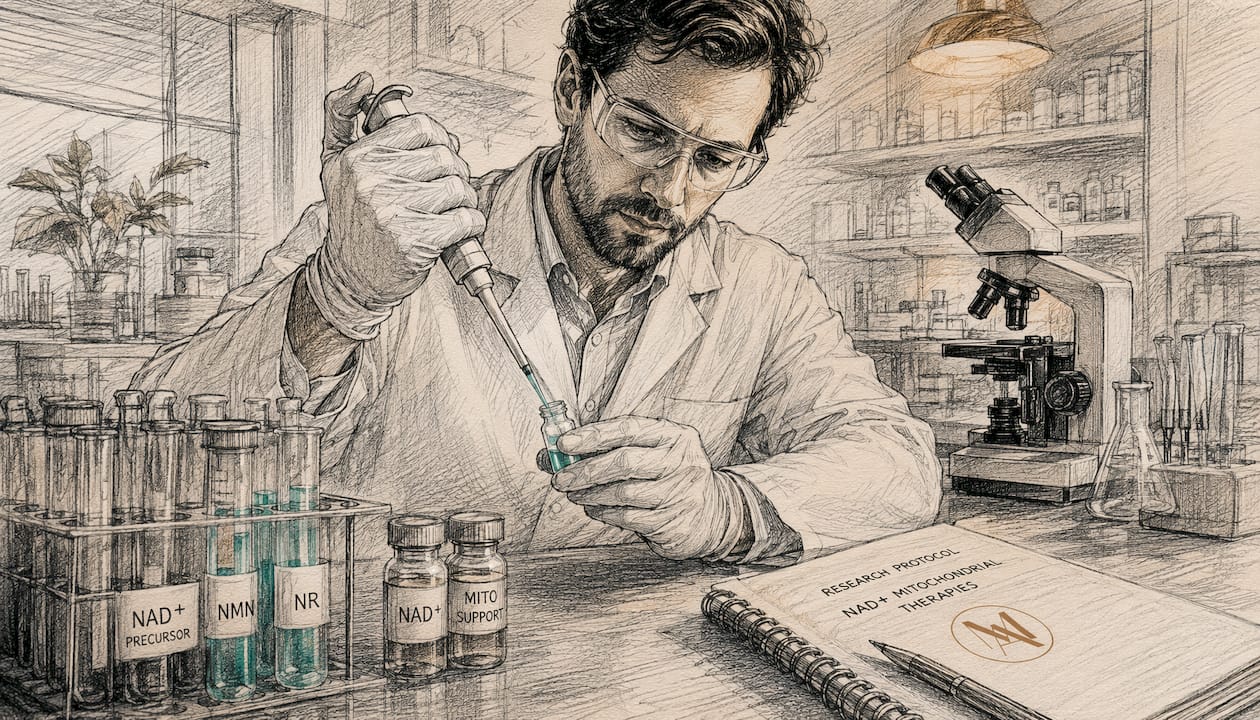
NAD+ (nicotinamide adenine dinucleotide) is a coenzyme central to mitochondrial function, DNA repair, and over 500 enzymatic reactions. Levels decline measurably with age. Supplementation with precursors such as NMN (250–500 mg/day) and NR (100–300 mg/day) shows potential benefits for mitochondrial efficiency, cellular stress responses, and cognitive performance, though findings vary across populations and dosing strategies. NAD+ IV infusions offer faster cellular uptake than oral supplementation for those seeking more direct delivery.
Rapamycin and pharmacological longevity
Rapamycin, an mTOR inhibitor originally developed as an immunosuppressant, has attracted significant longevity research interest for its ability to slow cellular senescence and extend lifespan in animal models. Human evidence is still limited, and its risk profile at higher doses is real. Longevity clinicians increasingly discuss low-dose, intermittent rapamycin protocols, but this remains an area where clinical oversight is non-negotiable.
Mesenchymal stem cells and frailty
Mesenchymal stem cell (MSC) therapies are being investigated for their capacity to reduce frailty markers and support tissue rejuvenation in older adults. MSCs secrete anti-inflammatory cytokines and growth factors that promote repair at the cellular level. Clinical trials are ongoing, and while early results are encouraging, MSC therapy is not yet a standard-of-care intervention.
Epigenetic reprogramming
In January 2026, Life Biosciences received FDA clearance to begin the first human clinical trial of partial epigenetic reprogramming using three Yamanaka factors (OCT4, SOX2, and KLF4). The trial targets age-related vision diseases, with the primary endpoint being safety. This is a landmark moment for longevity science, though no approved reprogramming therapy exists for patients today.
Semaglutide and biological ageing: A study published in Nature Communications found that semaglutide was associated with a significant slowing of the pace of biological ageing per year, with the PhenoAge epigenetic clock showing an effect equivalent to several fewer biological years of ageing annually compared with placebo. source
How should your anti-aging approach change by decade?
In your 20s
Prevention is the priority. SPF 50 daily, a consistent antioxidant serum (vitamin C), and retinol introduced gradually form the clinical foundation. Sleep quality and stress management matter more at this stage than any supplement. Establishing resistance training early pays compounding dividends over decades.
In your 30s
Collagen production begins declining in the mid-30s. This is the decade to introduce evidence-based anti-aging ingredients such as retinoids, peptides, and niacinamide into your skincare routine. Neuromodulators like Botox used preventatively at this stage can delay the formation of deeper static lines. Biometric tracking with devices like the Oura Ring starts yielding actionable data on sleep and recovery.
In your 40s
Hormone optimisation becomes clinically relevant. Declining oestrogen, testosterone, and thyroid function affect skin quality, energy, muscle mass, and cognition. Bioidentical hormone replacement therapy (BHRT), where appropriate and supervised, can address these changes meaningfully. Protein intake should increase to 1.2–1.6 g/kg of body weight daily, combined with resistance training, to counter the onset of anabolic resistance.
In your 50s and beyond
Advanced interventions take centre stage. Combining higher protein intake with resistance training reduces frailty markers significantly more than exercise alone. Cardiovascular screening, ApoB management, and regular epigenetic age testing become practical tools for monitoring biological age. Skin treatments shift toward volume restoration, skin density improvement, and epigenetic rejuvenation technologies.
Foundational lifestyle habits that no therapy can replace
The science in 2026 is unambiguous: no supplement or procedure replaces foundational lifestyle habits for longevity. The NIH and Mayo Clinic both position exercise, nutrition, sleep, and social connection as the primary clinical recommendations, not optional lifestyle preferences.
- Zone-2 cardio: 150–180 minutes per week at conversational pace builds mitochondrial density, lowers resting heart rate, and raises heart rate variability.
- Strength training: Three sessions weekly, with progressive overload, preserves lean muscle mass and metabolic health across all age groups.
- Sleep: Adequate sleep with a consistent schedule and no screens before bed. Sleep deprivation accelerates biological ageing and elevates all-cause mortality risk.
- Nutrition: A plant-forward, protein-adequate diet with sufficient fibre intake from whole foods supports microbiome health and glucose control.
- Sauna: Regular sauna use is linked to a notable reduction in all-cause mortality according to observational studies, including the Finnish Kuopio cohort.
- Stress management: Chronic psychological stress elevates cortisol, shortens telomeres, and accelerates cellular senescence. Meditation, yoga, and breathwork each have measurable epigenetic effects.
Pro Tip: Sequence your habits before layering therapies. Fix sleep first, then build consistent exercise, then address nutrition. Only once those three are locked in does supplementation or advanced intervention add meaningful benefit on top.
Cutting-edge skincare treatments available in the UK
The latest clinical skincare trends in 2026 reflect a convergence of aesthetic medicine and regenerative science. These treatments are available through qualified UK clinics and complement systemic longevity strategies.
- Botox and Dysport: These neuromodulators remain the frontline treatment for dynamic wrinkles, smoothing expression lines and, when used preventatively, slowing the formation of deeper static lines. Regular maintenance treatments sustain results.
- Sylfirm X RF microneedling: This radiofrequency microneedling technology targets skin density, volume loss, and vascular irregularities. It stimulates collagen and elastin remodelling at the dermal level, making it particularly effective for age-related skin laxity.
- Nordlys laser (epigenetic rejuvenation): A peer-reviewed study published in Scientific Reports found that Candela’s Nordlys 1940 nm non-ablative fractional laser reversed a majority of age-associated CpG methylation sites, with a notable reduction in brown spots at one month post-treatment. The changes were durable and progressive through six months. source
- Polynucleotides: These biostimulatory injectables use DNA fragments to stimulate fibroblast activity, improving skin hydration, elasticity, and overall tissue quality. They are particularly well-suited to periorbital and neck areas.
- Profhilo: A high-concentration hyaluronic acid bioremodeller that stimulates collagen and elastin production rather than adding volume. It remains one of the most popular skin quality treatments in the UK.
- SkinPen microneedling: FDA-approved and available at Them-ethod’s London clinic, SkinPen creates controlled micro-injuries that trigger the skin’s natural repair cascade, improving texture, tone, and fine lines.
- HIFU (High-Intensity Focused Ultrasound): A non-surgical face lift option that targets the SMAS layer, producing gradual skin tightening over two to three months without downtime.
How gut microbiome health influences biological ageing
The gut microbiome is increasingly recognised as a central regulator of systemic inflammation, immune function, and metabolic health, all of which directly affect the pace of biological ageing. Diversity of gut bacteria declines with age, and a less diverse microbiome correlates with higher inflammatory markers, impaired nutrient absorption, and increased frailty risk.
Dietary fibre is the most evidence-supported tool for microbiome health. Targeting 30–40 g daily from varied whole-food sources (legumes, vegetables, whole grains, nuts) feeds beneficial bacterial species and supports short-chain fatty acid production, which in turn reduces intestinal permeability and systemic inflammation. Fermented foods such as kefir, kimchi, and live-culture yoghurt add microbial diversity directly. Probiotic supplementation, particularly strains with clinical evidence for immune modulation, can complement dietary approaches, though food-first remains the stronger strategy. The Springer Nature review of 32 human studies confirmed that probiotics show meaningful benefits for gut health and immune modulation in older adults.
Mental health and cognitive decline prevention
Cognitive decline is not an inevitable feature of ageing. Chronic psychological stress, social isolation, and poor sleep are among the most potent accelerators of neurodegeneration, and each is modifiable. A 2025 Cornell University study published in Brain, Behaviour and Immunity found that strong social ties slow cellular ageing through chronic inflammation reduction, directly targeting inflammaging, one of the nine hallmarks of ageing.

Aerobic exercise is the single most evidence-supported intervention for brain health, improving cerebral blood flow, reducing amyloid burden, and supporting neuroplasticity. Glucose control matters too: elevated blood sugar accelerates neurodegeneration, which is why dietary strategies that stabilise glycaemic variability carry cognitive as well as metabolic benefit. An april 2025 study from Maharishi International University found reduced expression of inflammation and ageing-associated genes in long-term Transcendental Meditation practitioners, making it one of the few interventions with a measurable epigenetic effect on brain ageing. Sleep, social engagement, and continuous learning all contribute independently to cognitive resilience.
Antioxidant compounds and supplements worth knowing about
The supplement market is saturated with anti-aging claims, and most do not survive clinical scrutiny. The Springer Nature review of human studies identifies the compounds with the strongest evidence for functional ageing outcomes.
Well-supported:
- Protein and collagen peptides: The most consistent evidence in the review, particularly when combined with resistance training, for preserving lean mass, skin integrity, and physical function.
- Omega-3 fatty acids (EPA + DHA): Strong cardiovascular and anti-inflammatory evidence, especially where omega-3 index is below 8%.
- Creatine monohydrate (3–5 g/day): Preserves muscle mass, with emerging signals for cognitive benefit in older adults.
- Vitamin D3: Dosed to blood level (aim for 30–60 ng/mL). Most people in the UK are deficient, particularly through winter months.
- GlyNAC (glycine + N-acetylcysteine): Targets mitochondrial dysfunction and oxidative stress, with promising human data for older adults.
Emerging, with caveats:
- Urolithin A: Triggers mitophagy (clearance of dysfunctional mitochondria), with early human data supporting muscle function improvements.
- Fisetin: A senolytic found in strawberries, used to clear senescent “zombie” cells that drive chronic inflammation. Mouse trials showed meaningful lifespan extension; human data is limited.
- NAD+ precursors (NMN, NR): Mechanistically compelling, but robust human longevity evidence remains limited. Do not replace foundational habits with these.
Personalised medicine and AI-driven health tools
The shift from population-level advice to individual biological data is one of the defining features of anti-aging medicine in 2026. Wearables such as the Oura Ring and Whoop track sleep quality, heart rate variability, and recovery scores in real time, allowing you to make genuinely informed decisions about training load and rest. Continuous glucose monitors (CGMs), originally designed for people with diabetes, are now used by non-diabetics to observe how specific foods, exercise timing, and sleep quality affect blood sugar in real time. This is precision nutrition in practice.
Epigenetic age testing, using validated biological age clocks, provides a measurable baseline and tracks whether your interventions are actually working at the molecular level. AI-driven health platforms are beginning to synthesise data from multiple biomarker sources, wearables, blood panels, and epigenetic tests, to generate personalised protocol recommendations. The step-by-step approach to building a personalised anti-aging protocol starts with baseline testing before layering any intervention.
Integrative approaches: combining conventional and alternative therapies
The most clinically effective anti-aging protocols in 2026 do not choose between conventional medicine and evidence-supported complementary practices. They combine both, sequenced intelligently. Medical-grade skincare, neuromodulators, and laser treatments work best when built on a foundation of good sleep, exercise, and nutrition. Equally, practices such as yoga, acupuncture, and breathwork carry measurable physiological effects on cortisol, heart rate variability, and inflammatory gene expression that complement pharmacological interventions.
Traditional dietary patterns, particularly the Mediterranean diet, consistently outperform individual supplement protocols in longevity research. Combining these dietary principles with targeted supplementation, biometric monitoring, and clinical skin treatments creates a genuinely integrative approach. At Them-ethod, we see this in practice: clients who pair their skincare treatments with consistent lifestyle habits achieve more durable, visible results than those who rely on clinical procedures alone. The two reinforce each other at the cellular level.
Key takeaways
The most effective anti-aging strategies in 2026 combine Zone-2 exercise, quality sleep, and plant-forward nutrition as the irreplaceable foundation, with targeted clinical therapies and personalised supplementation layered on top.
| Point | Details |
|---|---|
| Exercise is the primary intervention | Zone-2 cardio (150–180 min/week) and strength training three times weekly deliver the strongest longevity signal of any single behaviour. |
| Sauna use reduces mortality risk | Regular sauna use at 4+ sessions weekly is linked to a ~40% reduction in all-cause mortality in the Finnish Kuopio cohort. |
| Semaglutide slows biological ageing | Research links semaglutide to a roughly 9% slower pace of biological ageing per year, equating to 4.9 fewer biological years of ageing annually across validated epigenetic clocks. |
| Nordlys laser reverses epigenetic ageing | The Nordlys 1940 nm laser reversed a majority of age-associated DNA methylation sites, with a notable reduction in brown spots at one month. |
| Sequence habits before supplements | Fix sleep, then exercise, then nutrition. Only then do supplements or advanced therapies add meaningful benefit. |
Ready to build a protocol that reflects where the science actually is in 2026? Them-ethod’s clinical team offers personalised virtual consultations alongside a curated range of medical-grade skincare, from the NeoStrata collection to targeted actives like PCA Retinol Night 0.5%, designed to deliver results that complement every stage of your longevity strategy.