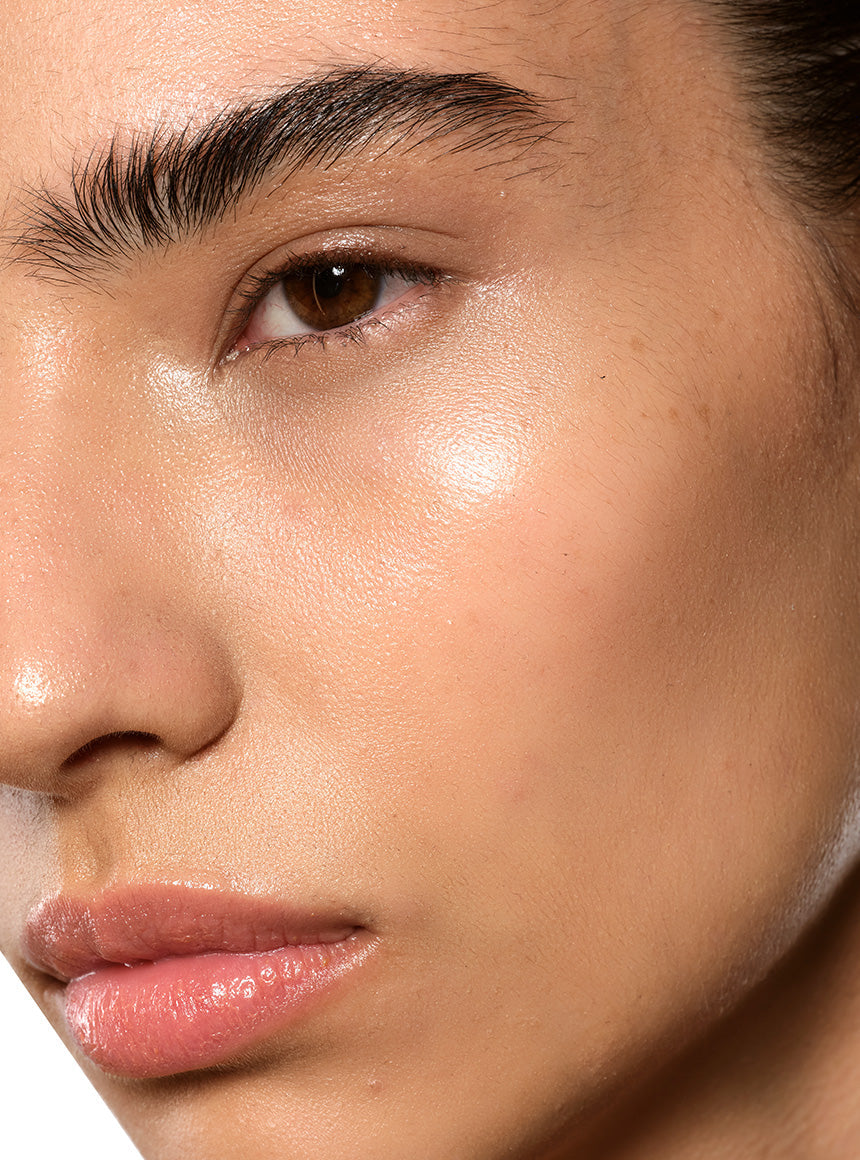




Artikel: Retinoids explained: what they are and how to use them

Retinoids explained: what they are and how to use them
A retinoid is a vitamin A-derived compound that alters how skin cells grow, divide, and shed. Applied topically at night or taken orally under medical supervision, retinoids are among the most clinically validated ingredients in dermatology, addressing acne, fine lines, hyperpigmentation, and uneven texture. If you are new to them, the single most important action you can take is to start with a low concentration, use sunscreen every morning, and avoid them entirely during pregnancy.
Quick facts at a glance:
- Retinoids include both over-the-counter (OTC) forms such as retinol and retinaldehyde and prescription agents such as tretinoin, tazarotene, and oral isotretinoin
- They are used topically for acne and anti-ageing and orally for severe acne and certain skin conditions
- Prescription retinoids are stronger and faster acting than OTC forms but carry a higher irritation risk
- All topical retinoids increase photosensitivity so daily SPF is non-negotiable
- Retinoids are vitamin A derivatives used in cosmetics and medicine with weaker forms available OTC and stronger formulations requiring a prescription
Key takeaways
Retinoids are the most clinically validated class of topical skincare ingredients available, with proven benefits for acne, fine lines, hyperpigmentation, and texture when used correctly and consistently.
| Point | Details |
|---|---|
| What a retinoid is | A vitamin A-derived compound that binds skin cell receptors to regulate growth, turnover, and collagen production. |
| OTC vs prescription | Retinol and retinaldehyde are available without prescription; tretinoin, tazarotene, trifarotene, and oral isotretinoin require one. |
| How to start safely | Begin with a low concentration every other night, apply SPF daily, and increase frequency only after four weeks of tolerance. |
| When to see a clinician | Moderate to severe acne, scarring, pregnancy planning, or OTC products that have plateaued all warrant a professional assessment. |
| Them-ethod | Offers virtual clinician consultations and access to medical-grade retinoid formulations for a personalised, prescription-led approach. |
Table of Contents
- How do retinoids work on your skin?
- What types of retinoids will you find on the shelf or by prescription?
- Retinoid vs retinol: what is actually different?
- What are the proven skin benefits of retinoids?
- How to start using retinoids safely
- What are the side effects and who should avoid retinoids?
- How long does it take to see results?
- When should you see a clinician in the UK?
- A clinician’s perspective on what actually works
- Clinician-led retinoid care at Them-ethod
- Sources
How do retinoids work on your skin?
Retinoids act by binding to nuclear receptors inside skin cells, specifically retinoic acid receptors (RARs) and retinoid X receptors (RXRs). Once bound, they influence gene transcription, which changes how cells behave at a fundamental level. The result is faster cell turnover, improved collagen production, and a measurable reduction in inflammation.
According to a clinician’s guide to topical retinoids published in PMC, retinoids regulate cell proliferation and differentiation through this receptor-binding mechanism, and their classification into generations reflects differences in potency and receptor selectivity.
The main cellular effects you can expect from consistent use:
- Normalised desquamation: retinoids prevent dead skin cells from clumping inside follicles, which is why they clear comedones and reduce acne lesions
- Increased epidermal turnover: fresh cells reach the surface faster, improving texture and fading pigmentation over time
- Collagen stimulation: retinoids activate fibroblasts in the dermis, increasing collagen synthesis and reducing the depth of fine lines
- Anti-inflammatory action: particularly relevant for acne, where inflammation drives lesion severity
One nuance worth understanding: not every retinoid arrives at the skin in its active form. Retinol, for example, must convert to retinal and then to retinoic acid before it can bind receptors. Each conversion step reduces potency slightly and slows the onset of results. Prescription tretinoin skips those steps entirely because it is retinoic acid. That conversion pathway explains much of the difference in strength, irritation risk, and how quickly you see change.
What types of retinoids will you find on the shelf or by prescription?
Retinoids are grouped into generations based on molecular structure and receptor selectivity. Understanding the generations helps you read ingredient labels accurately and set realistic expectations for any product you choose.
| Generation | Examples | Typical availability |
|---|---|---|
| First | Retinol, retinaldehyde, tretinoin, isotretinoin | Retinol and retinaldehyde OTC; tretinoin and isotretinoin prescription only |
| Second | Acitretin, etretinate | Prescription only (systemic use) |
| Third | Adapalene, tazarotene | Adapalene available OTC at lower strengths; tazarotene prescription only |
| Fourth | Trifarotene | Prescription only |
The PMC clinical review notes that newer generations were developed specifically to improve the balance between potency and tolerability, with fourth-generation agents such as trifarotene designed for receptor selectivity and better photostability.
What you will see on product labels in the UK:
- Retinol and retinaldehyde (retinal) are the most common OTC forms, found in serums, night creams, and oils. For a closer look at how these two compare, the retinol vs retinaldehyde guide at Them-ethod is a useful starting point.
- Adapalene 0.1% (sold as Differin in the UK) is available OTC for acne
- Tretinoin, tazarotene, trifarotene, and oral isotretinoin are all prescription-only in the UK and require clinician oversight
Pro Tip: Retinaldehyde (retinal) sits one conversion step closer to retinoic acid than retinol does, making it more potent than retinol but still available without a prescription. It tends to suit those who have outgrown retinol but are not ready for a prescription.
Retinoid vs retinol: what is actually different?
Retinol is one specific type of retinoid. The word “retinoid” is the umbrella term for the entire class of vitamin A derivatives, while retinol is simply one member of that family, and the one you will encounter most often in OTC skincare.
The practical differences come down to potency, conversion, and what you can reasonably expect from each:
- Potency: prescription retinoids such as tretinoin are significantly more potent than retinol because they act directly on receptors without conversion. The AAD confirms that retinol is generally milder and less irritating than prescription-strength agents
- Conversion steps: retinol converts to retinal, then to retinoic acid in the skin. Cleveland Clinic notes that this multi-step conversion partly explains retinol’s lower potency compared with tretinoin
- Stability: retinol is less stable in formulations and degrades with light and air exposure; prescription retinoids are typically formulated to address this
- Irritation risk: retinol causes less initial irritation for most people, making it the sensible starting point for first-time users
- Results timeline: retinol users typically wait longer to see visible change; prescription retinoids tend to produce results faster, though with more initial adjustment
- Cost: OTC retinol products vary widely in price; prescription retinoids require a clinician visit and, in the UK, either an NHS prescription or a private one
If you are new to vitamin A skincare, starting with a beginner-appropriate retinol or retinal product makes sense. Move to a prescription option when OTC products have plateaued, when acne is moderate to severe, or when a clinician advises it.
What are the proven skin benefits of retinoids?
The primary clinical benefits of retinoids are acne reduction, smoothing of fine lines and wrinkles, improvement of hyperpigmentation, and refinement of skin texture. These are not marketing claims; they are backed by decades of peer-reviewed research.
Ohio State University Wexner Medical Center confirms that topical retinoids reduce acne lesions, stimulate collagen to smooth fine lines, and increase cell turnover to improve pigmentation and texture.
- Acne: retinoids normalise follicular desquamation, preventing the build-up of dead cells that forms comedones. They also reduce inflammation, which limits the severity of active breakouts
- Fine lines and wrinkles: by stimulating collagen synthesis in the dermis and accelerating surface cell renewal, retinoids measurably reduce the depth of fine lines with consistent use
- Hyperpigmentation: accelerated turnover disperses melanin clusters more quickly, fading post-inflammatory marks, sun spots, and uneven tone
- Skin texture and pore appearance: smoother cell shedding leads to a more refined surface; enlarged pores often appear smaller as congestion clears
- Photoageing: retinoids partially reverse UV-induced skin damage by rebuilding collagen and improving epidermal organisation
Beyond cosmetic uses, retinoids have established medical applications in psoriasis management and certain keratosis conditions, which reflects the depth of their clinical evidence base.
How to start using retinoids safely
The safest beginner approach is a low-concentration retinol or retinal applied to clean, dry skin every other night, with a moisturiser layered on top and SPF used every morning without exception.
Starter routine, step by step:
- Cleanse with a gentle, non-stripping cleanser and pat skin dry. Wait two to three minutes; applying retinoid to damp skin increases absorption and irritation risk.
- Apply a pea-sized amount of your retinoid to the entire face. A pea-sized amount covers the full face; using more does not accelerate results.
- Wait five to ten minutes, then apply your moisturiser. This brief wait allows initial absorption without the barrier disruption that comes from applying moisturiser immediately.
- Use every other night for the first four weeks. Frequency can increase to nightly once your skin has adjusted without persistent redness or peeling.
- Apply SPF 30 or higher every morning, without exception. Retinoids increase photosensitivity, and skipping sun protection undermines both safety and results.
- Escalate gradually. After two to three months at a starter concentration, consider moving to a higher strength or a more potent form. The guide to choosing retinoid strength at Them-ethod walks through how to assess your skin’s readiness.
What to avoid when using retinoids:
- Do not combine with other strong actives on the same night, particularly AHAs, BHAs, or benzoyl peroxide, until your skin is well-adjusted
- Avoid waxing or laser treatments on areas where you are applying retinoids without informing your practitioner
- Do not use during pregnancy or while trying to conceive
- Avoid applying to broken, sunburnt, or acutely inflamed skin
Pro Tip: The “retinoid sandwich” technique reduces irritation for sensitive skin: apply a thin layer of moisturiser first, then your retinoid, then another layer of moisturiser on top. This buffers absorption without eliminating efficacy, and Cleveland Clinic supports buffering as a practical irritation-management strategy.
For a detailed layering strategy, the how to layer retinol safely guide covers which actives pair well and which combinations to avoid.
What are the side effects and who should avoid retinoids?
The most common side effects are dryness, redness, flaking, and a temporary increase in skin sensitivity. These are expected during the adjustment period and usually settle within four to eight weeks of consistent, correctly dosed use.
Common side effects and how to respond:
- Dryness and peeling: reduce application frequency to every third night and increase moisturiser use; do not stop entirely unless irritation is severe
- Redness and stinging: a sign of over-application or too-high a starting concentration; switch to a lower strength or use the buffering technique described above
- Increased breakouts in the first few weeks: this is the “purge” phase, where accelerated turnover brings congestion to the surface. The AAD advises continuing unless irritation is severe, as purging is typically self-limited
- Photosensitivity: all retinoids increase UV sensitivity; daily SPF is not optional
Pregnancy and retinoids: a firm contraindication. Oral isotretinoin is teratogenic and must never be used during pregnancy. Topical retinoids are also contraindicated during pregnancy and while trying to conceive, as a precautionary measure given the systemic absorption potential. If you are pregnant, planning a pregnancy, or breastfeeding, stop all retinoid use and speak to your GP or dermatologist before restarting.
Seek medical advice promptly if you experience severe or worsening dermatitis, signs of skin infection such as crusting or oozing, or a reaction that does not improve after reducing frequency and increasing moisturisation. Prolonged, unresolved irritation warrants a clinician review rather than continued self-management.
How long does it take to see results?
Results vary by concern, and patience is genuinely part of the process. Acne improvements tend to appear sooner than anti-ageing or pigmentation changes, because the mechanism for clearing blocked follicles is more direct than rebuilding collagen or dispersing melanin.
- Acne lesion reduction: visible improvement typically occurs with consistent use; comedones often clear before inflammatory lesions do
- Skin texture and fine lines: noticeable change typically requires 3–6 months; collagen remodelling is a slow biological process
- Hyperpigmentation: meaningful fading may take many months, especially for deeper or longer-standing pigmentation
- Initial purge phase: some users see a temporary increase in breakouts in weeks two to four; this reflects accelerated turnover rather than a worsening condition
The AAD’s guidance emphasises that a cautious titration strategy, accepting a slower onset in exchange for tolerability, is the approach most likely to result in long-term adherence. Stopping too early is the most common reason retinoids fail to deliver their full benefit. For practical guidance on timing your introduction, the when to start retinoids article at Them-ethod covers skin readiness and seasonal considerations.
When should you see a clinician in the UK?
See a clinician if you have moderate to severe acne, significant scarring, are planning a pregnancy, or have tried OTC retinoids without satisfactory results. Self-managing mild concerns with OTC retinol is reasonable; anything beyond that benefits from professional assessment.
Prescription retinoids available in the UK and their typical uses:
- Tretinoin: the gold standard for both acne and photoageing; available via NHS prescription or private clinic
- Adapalene (Differin): primarily for acne; available OTC at 0.1% and by prescription at higher strengths
- Tazarotene: used for acne and photoageing; prescription only
- Trifarotene: a newer, fourth-generation agent for acne; prescription only
- Oral isotretinoin: reserved for severe, scarring, or treatment-resistant acne; requires specialist oversight, regular monitoring, and mandatory contraception for those who can become pregnant
NHS guidance recommends speaking to a healthcare professional for moderate or severe acne, and outlines both topical and oral treatment pathways available through the NHS. For those who prefer not to wait for an NHS referral, a private dermatology or aesthetic medicine consultation provides faster access to prescription options and a personalised protocol.
A clinic assessment typically covers your skin history, current routine, any contraindications, and a plan for titration and follow-up. This is particularly valuable if you want to combine a prescription retinoid with professional treatments such as chemical peels or microneedling, where timing and sequencing matter.
A clinician’s perspective on what actually works
The most common mistake we see at The M-ethod is not a wrong product choice; it is impatience combined with overuse. People start at too high a concentration, apply it nightly from day one, and then abandon the ingredient entirely after two weeks of irritation. The retinoid did not fail them. The protocol did.

What works in practice is almost always a slower start than feels necessary. Begin every other night at the lowest available concentration. Prioritise moisturiser quality alongside your retinoid, not as an afterthought. Accept that the first month is about building tolerance, not seeing results. Visible change comes in month two or three for most people, and it compounds from there.
A few clinician-backed tips for staying the course:
- Pair your retinoid with a ceramide-rich or peptide moisturiser to support barrier function during the adjustment phase
- If you are combining retinoids with professional treatments such as SkinPen microneedling or chemical peels, pause topical retinoids for at least five days before and after each session
- Skin cycling, alternating retinoid nights with recovery nights, is a practical strategy for those with reactive skin; the skin cycling vs daily retinoid guide explains when each approach suits different skin types
- The evidence base for prescription retinoids is considerably stronger than for many OTC cosmeceutical derivatives, which often lack the uniform clinical testing that prescription agents carry
Clinician-led retinoid care at Them-ethod
For those who want a prescription-strength result without the guesswork of self-selecting products, Them-ethod offers virtual skin consultations with expert clinicians who can assess your skin, recommend the right retinoid strength, and build a complete protocol around it. Whether you are starting with a medical-grade OTC retinol or moving to a prescription agent, having a clinician map the progression makes the difference between a frustrating experience and one that delivers.
Services relevant to retinoid starters include virtual consultations, access to prescription and medical-grade retinoid formulations, and in-clinic treatments in London and Athens that complement a retinoid routine, including SkinPen microneedling and professional peels. You can browse products such as Retinol 3TR™ by Medik8 directly through the platform, or book a consultation at Them-ethod to get a personalised prescription plan.
Sources
The following sources informed this guide and are recommended for further reading:
- A clinician’s guide to topical retinoids - PMC
- Retinoid or retinol? | American Academy of Dermatology (AAD)
- Retinol: Cream, serum, what it is, benefits, how to use | Cleveland Clinic
- What retinoids can do for skin | The Ohio State University Wexner Medical Center
- Acne - NHS
- What are retinoids and what do they treat? | Medical News Today
For personalised medical advice, consult your GP, an NHS dermatologist, or a qualified private clinician rather than relying solely on general information.
This article is general information, not a substitute for advice from a qualified doctor. Consult a qualified healthcare professional about your own circumstances before acting on anything here.