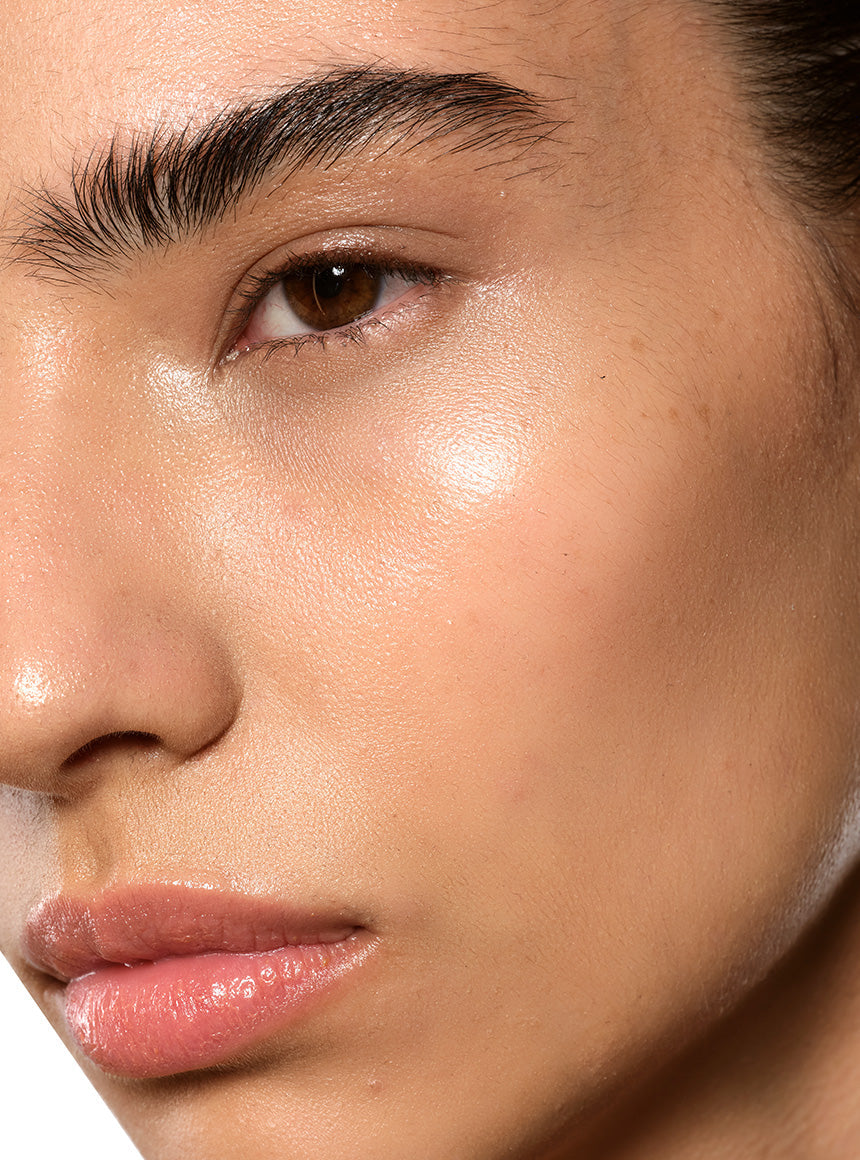




Artikel: Skincare myths debunked: Science-backed facts for healthy skin

Skincare myths debunked: Science-backed facts for healthy skin
TL;DR:
- Skincare myths spread through social media, marketing, and personal anecdotes, often leading to ineffective routines. Evidence-based practices emphasize personalized routines with proven ingredients, regardless of skin tone, gender, or budget. Consulting experts and focusing on clinical data ultimately yields better, lasting skin health instead of chasing trends.
Misleading skincare advice is everywhere. From viral social media trends promising overnight transformations to well-meaning friends insisting that “natural is always better,” the volume of misinformation can leave even the most committed skincare enthusiast spinning their wheels. Worse still, acting on false claims often leads to wasted money, compromised skin barriers, and routines that simply do not deliver. We believe you deserve better than guesswork. This article cuts through the noise with evidence-based clarity, helping you separate fact from fiction and make truly informed choices for your skin.
Table of Contents
- How skincare myths spread and why they persist
- The top 7 skincare myths debunked by science
- Comparison table: Myth vs. fact for everyday skincare choices
- How to build an effective, science-backed skincare routine
- The truth most skincare brands avoid: Customisation beats hype every time
- Expert-approved products to support your evidence-based routine
- Frequently asked questions
Key Takeaways
| Point | Details |
|---|---|
| Myths are everywhere | Skincare myths spread quickly through social media and word of mouth, leading to confusion. |
| Science outperforms hype | Evidence-backed routines and products bring better, safer results than following trends. |
| Personalisation matters most | Adapting your routine to your individual skin needs is more effective than one-size-fits-all solutions. |
| Expert guidance is key | Consulting professionals or using trusted resources prevents common mistakes and dangerous myths. |
How skincare myths spread and why they persist
Understanding the root cause of misinformation is the first step to overcoming it. Skincare myths do not arise from nowhere. They spread through a combination of social dynamics, commercial incentives, and deeply human psychological tendencies. Once a myth takes hold, it becomes remarkably resilient, even when the evidence against it is clear.
Social media and peer influence play an enormous role. Platforms like TikTok and Instagram reward content that generates strong emotional reactions, shares, and saves. A dramatic “miracle cure” video outperforms a nuanced discussion of transepidermal water loss (the process by which skin loses moisture to the environment) every time. Influencers, even those without any clinical background, command enormous trust from their audiences, and their product recommendations often carry more weight than a dermatologist’s advice.
Beauty marketing claims compound the problem further. The cosmetics industry operates under far looser regulatory standards than pharmaceuticals. A brand can claim its serum “boosts radiance” or “fights ageing” without providing peer-reviewed clinical data to support those statements. Consumers, understandably, take these claims at face value. The result is a marketplace saturated with products that sound credible but lack the rigorous validation that science-backed skincare demands.
There is also the powerful role of confirmation bias. If you try a product and your skin improves, you naturally attribute the improvement to that product, even if other factors such as improved sleep, dietary changes, or seasonal shifts were responsible. Personal anecdotes become gospel truth, and those anecdotes spread. This is why dermatologist-recommended routines for clear skin consistently outperform trends: they are grounded in reproducible clinical evidence, not individual stories.
“Myth-busting is not simply about correcting errors. It is about rebuilding trust in evidence-based practice so that patients and consumers can achieve consistent, lasting results.”
- Social media algorithms favour dramatic claims over nuanced science
- Loose cosmetic regulations allow unsubstantiated marketing
- Personal anecdotes can feel more persuasive than clinical trials
- Confirmation bias reinforces ineffective routines
Recognising these patterns is empowering. When you know why myths persist, you are far better placed to question them critically.
The top 7 skincare myths debunked by science
Now that you understand where myths come from, let us address the most widely believed ones directly. These are the misconceptions we encounter most frequently, and each one has the potential to derail an otherwise thoughtful routine.
-
Darker skin tones do not need sunscreen. This is one of the most dangerous myths in skincare. Melanin does provide some natural protection against UV radiation, but it does not make any skin tone immune to UV-induced DNA damage, photoageing, or hyperpigmentation. Dermatologists universally recommend broad-spectrum SPF 30 or higher for all skin tones, every single day.
-
Natural ingredients are always safer and more effective. “Natural” is not a synonym for safe or clinically proven. Poison ivy is entirely natural. Meanwhile, laboratory-synthesised ingredients like retinol, niacinamide, and hyaluronic acid have decades of peer-reviewed research confirming their efficacy. The question to ask is never “is this natural?” but rather “is this ingredient supported by clinical evidence?”
-
Skin purging is the same as a breakout. True purging occurs when an active ingredient, most commonly a retinoid or exfoliating acid, accelerates cell turnover and brings congestion to the surface faster than normal. It typically resolves within four to six weeks and occurs in areas where you already experience breakouts. A breakout caused by an ingredient that is incompatible with your skin type looks different: it appears in new areas and does not improve with continued use. Knowing the distinction prevents you from abandoning a genuinely effective product too early.
-
Oily skin does not need moisturiser. Oiliness and hydration are entirely separate concerns. Sebum (the skin’s natural oil) does not substitute for water-based hydration. When oily skin is stripped of moisture through harsh cleansers or skipping moisturiser, it frequently overproduces sebum as a compensatory response, worsening oiliness. Lightweight, oil-free hydrators are essential for oily skin types.
-
More expensive always means more effective. Price reflects marketing spend, packaging, and brand positioning far more reliably than it reflects clinical efficacy. Some of the most evidence-backed ingredients, including retinol, vitamin C, and glycolic acid, are available across a wide range of price points. What matters is the concentration, formulation stability, and the quality of supporting ingredients. Multi-step skincare regimens built on research deliver far better results than costly single products chosen on the basis of price alone.
-
Drinking water alone will hydrate your skin. Hydration from within supports overall health, but the relationship between water intake and skin hydration is far more complex. Skin hydration is primarily determined by the integrity of the skin barrier, the presence of natural moisturising factors (such as amino acids and urea), and the external humectants and occlusives you apply topically. Drinking more water is a positive habit, but it will not resolve clinically dry or dehydrated skin on its own.
-
One routine works for everyone. Skin type, genetics, climate, hormonal status, diet, and lifestyle all influence how your skin behaves and what it needs. A routine optimised for a 25-year-old with combination skin in a humid climate will not serve a 45-year-old with post-menopausal dry skin in a cold, dry environment. Personalisation, guided by dermatologist-recommended routines, is not a luxury. It is a clinical necessity.
Pro Tip: When assessing any skincare claim, ask whether there is a peer-reviewed, double-blind clinical study to support it. If the evidence comes solely from a brand’s website or a single influencer’s experience, treat it with healthy scepticism.
“Research-backed, multi-step routines consistently outperform single-product or trend-driven approaches, delivering measurable improvements in skin texture, tone, and barrier function.”
Comparison table: Myth vs. fact for everyday skincare choices
For at-a-glance guidance, this table makes it easy to spot reality versus common misconceptions.
| Skincare myth | Why it is wrong | Science-backed fact | Action step |
|---|---|---|---|
| Dark skin does not need SPF | Melanin does not block UV-induced DNA damage | All skin tones need daily broad-spectrum SPF 30+ | Apply SPF every morning, including winter days |
| Natural ingredients are always better | Many synthetic actives have superior clinical evidence | Evaluate ingredients by clinical data, not origin | Research active ingredients before purchasing |
| Oily skin does not need moisturiser | Sebum does not replace water-based hydration | Lightweight hydrators balance oil production | Use gel or lotion-based moisturisers daily |
| Expensive products work better | Price reflects marketing, not efficacy | Ingredient quality and concentration determine results | Choose products with proven actives at correct concentrations |
| Drinking water hydrates your skin | Skin hydration is barrier-dependent, not intake-dependent | Topical humectants and occlusives are clinically effective | Use hyaluronic acid serums and barrier-repair moisturisers |
| One routine suits all skin types | Skin is influenced by genetics, age, and environment | Personalised skincare delivers superior outcomes | Consult a clinician to tailor your routine |
As experts consistently demonstrate, expert-guided routines use evidence to drive every product choice, replacing guesswork with clinical precision.
How to build an effective, science-backed skincare routine
With myths debunked, here is how to transform your routine using science rather than trends. The process does not have to be overwhelming. It is about making deliberate, informed decisions at each step.
Start by auditing your current products. Use the following checklist:
- Does each product have a clear, evidence-backed active ingredient at a clinically effective concentration?
- Are the products compatible with one another? (For example, avoid layering vitamin C and niacinamide incorrectly, or combining strong retinoids with physical exfoliants without guidance.)
- Are you addressing your primary skin concerns such as acne, pigmentation, or barrier damage or simply accumulating products?
- Is your routine sustainable? A complex ten-step routine you abandon after a week delivers nothing.
The table below provides a practical starting framework based on common skin types. It is a foundation, not a prescription.
| Skin type | Morning essentials | Evening essentials | Key actives to consider |
|---|---|---|---|
| Oily and acne-prone | Gel cleanser, lightweight moisturiser, SPF 30+ | Salicylic acid cleanser, niacinamide serum, oil-free moisturiser | Salicylic acid, niacinamide, retinol (low strength) |
| Dry and sensitive | Cream cleanser, barrier moisturiser, SPF 30+ | Gentle cleanser, ceramide-rich moisturiser | Hyaluronic acid, ceramides, squalane |
| Combination | Gel-cream cleanser, balancing moisturiser, SPF 30+ | Targeted treatment (T-zone), hydrating serum | Niacinamide, lactic acid, retinol |
| Mature and ageing | Cream cleanser, antioxidant serum, rich moisturiser, SPF 50 | Retinoid, peptide serum, occlusives | Retinol or retinaldehyde, vitamin C, peptides, hyaluronic acid |
| Hyperpigmented | Gentle cleanser, vitamin C serum, moisturiser, SPF 50+ | Retinoid, brightening serum, moisturiser | Vitamin C, tranexamic acid, kojic acid, niacinamide |
Adapting your routine matters too. Skin needs shift with age, hormonal cycles, and seasonal changes. A routine that served you well in your thirties may need adjustment in your forties as oestrogen levels decline and collagen production slows. Similarly, winter months typically demand richer barrier-support products, while humid summers may call for lighter formulations.

Knowing when to seek expert guidance is critical. If your skin concerns persist despite a consistent, well-researched routine, or if you are managing conditions such as rosacea, melasma, or cystic acne, a virtual consultation with a qualified clinician provides clarity that no article can fully replace. As the evidence consistently confirms, evidence-backed, personalised routines deliver genuinely superior skin outcomes.
Pro Tip: Review your routine every three to four months, particularly as the seasons change. Skin is dynamic, and the products that worked in spring may not be optimal in winter. A brief reassessment every quarter keeps your routine aligned with your skin’s actual needs.
The truth most skincare brands avoid: Customisation beats hype every time
Here is the perspective most of the industry is reluctant to share. The skincare market thrives on novelty. A new “hero ingredient” launches, the marketing machine amplifies it to fever pitch, and millions of consumers buy in. Six months later, a new ingredient takes its place. The cycle is lucrative for brands but genuinely counterproductive for your skin.
The truth, confirmed time and again in clinical practice, is that consistency and personalisation outperform any trend. A well-chosen retinoid used faithfully for twelve months will transform your skin far more reliably than five different “cult” serums trialled for six weeks each. The dermatological evidence is consistent on this point: patience and personalisation are the most undervalued variables in skincare.
We have observed that consumers who invest in consulting a skincare expert demonstrate significantly better adherence to their routines and achieve measurably improved long-term outcomes. This is not coincidental. Expert guidance removes the trial-and-error element that leads so many people to abandon effective ingredients prematurely or layer incompatible actives unknowingly.
There is also an uncomfortable reality worth addressing. Many premium brands invest more in packaging and influencer partnerships than in their actual formulations. Meanwhile, some of the most clinically rigorous products available are neither the most glamorous nor the most Instagrammable. Choosing effective, research-backed products requires separating marketing from science, which is precisely the skill we want to help you build.
Fads will always exist. But the clients we see achieving the most significant, lasting improvements in their skin share one common factor: they stopped chasing trends and committed to a personalised, evidence-based protocol with consistent professional support.
Expert-approved products to support your evidence-based routine
If you are ready to put science into practice, we have curated a selection of dermatologist-approved formulations designed to complement the routines outlined above. The ClearSkin PCA Skin acne treatment is an excellent example of a clinically validated, targeted solution for oily and breakout-prone skin, combining proven actives at effective concentrations without unnecessary irritation. For those focused on texture refinement, barrier repair, and overall skin quality, the Neostrata scientifically-formulated collection represents decades of research in polyhydroxy acid (PHA) and gluconolactone technology. Every product available through The M-ethod Skin is selected on the basis of clinical evidence, not marketing. Our virtual consultations with specialist clinicians ensure that the products you choose are genuinely suited to your individual skin profile.
Frequently asked questions
Is it safe to try at-home skincare hacks found online?
Not all at-home hacks are safe. Many lack clinical validation, and some, such as applying lemon juice or baking soda directly to the skin, can cause significant barrier damage. Expert advice is essential for building a routine that is both safe and effective.
Do expensive products always work better than affordable ones?
No. Price does not reliably predict efficacy. Science-backed ingredients at clinically effective concentrations are what drive results, regardless of price point.
How can I spot a skincare myth?
Look for claims that lack peer-reviewed clinical data, that seem designed to provoke strong emotion, or that contradict established dermatological guidance. Cross-reference against dermatologist-recommended sources before acting on any advice.
Does everyone need the same skincare routine?
Absolutely not. Skin type, age, hormonal profile, environment, and individual concerns all determine what a routine should include. Personalised skincare based on a thorough skin assessment consistently yields better, longer-lasting results than generic approaches.