



Artikel: Hydration tips for skin: your 2026 routine guide

Hydration tips for skin: your 2026 routine guide
TL;DR:
- Effective skin hydration involves layering humectants, emollients, and occlusives correctly to support the skin barrier and maintain optimal water content. Applying products in the proper order on damp skin maximizes absorption, while environmental adjustments and barrier protection enhance long-term results. Personalizing routines based on skin type and avoiding common mistakes ensures consistent, visible improvements in skin suppleness and resilience.
Effective skin hydration is defined as the process of maintaining optimal water content within the skin’s layers through a combination of topical products, barrier support, and lifestyle habits. The standard clinical term for this practice is transepidermal water retention, and understanding it is the foundation of every hydration tip for skin that actually delivers results. At Them-ethod, we see one pattern consistently: clients who layer their products correctly and support their skin from within achieve noticeably more supple, resilient skin than those who rely on a single product or drinking more water alone. The approach is multi-step, ingredient-led, and entirely learnable.
1. Understand the three-ingredient categories first
Before choosing any product, you need to understand the three functional categories that make up an effective skin hydration routine: humectants, emollients, and occlusives. Experts confirm this three-pronged approach is the most effective hydration method available. Each category plays a distinct role, and skipping one undermines the others.
- Humectants such as hyaluronic acid and glycerin draw water from the environment and deeper skin layers up into the epidermis. Hyaluronic acid can bind up to 1,000 times its weight in water, making it the most powerful moisture-attracting ingredient in modern skincare.
- Emollients including ceramides and fatty acids smooth the skin surface and repair micro-gaps in the skin barrier. Ceramides reduce water loss and are particularly important for dry or sensitive skin types.
- Occlusives such as petrolatum, squalane, and plant-based oils form a physical seal over the skin surface, preventing moisture from evaporating into the air.
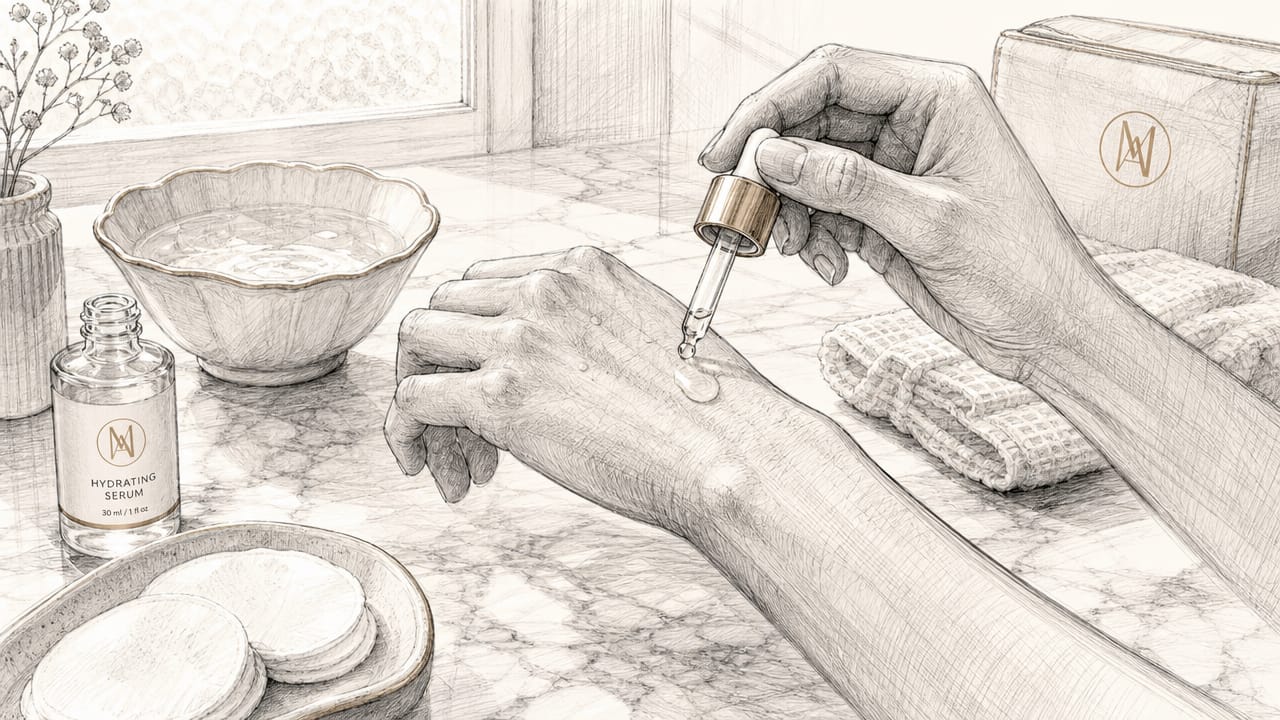
Pro Tip: Apply your humectant serum to slightly damp skin immediately after cleansing, then follow with your emollient and occlusive within 60 seconds. This sequence traps the moisture the humectant has just attracted.
2. Apply products in the correct order
Product layering order is not a preference. Correct application order is critical: water-based serums go onto damp skin first, followed by oil-based or occlusive moisturisers. Reversing this sequence creates a barrier that prevents water-soluble actives from penetrating the skin at all.
The practical sequence is: gentle cleanser, toner or essence (optional but beneficial for adding a first layer of hydration), hyaluronic acid or glycerin serum on damp skin, ceramide-rich moisturiser, and then an occlusive or SPF as the final step in the morning. Our guide on skincare layering technique explains this in detail for those who want a step-by-step breakdown. Getting the order right costs nothing and delivers immediate, visible improvement.
3. Use hyaluronic acid on damp skin, not dry
This is one of the most misunderstood hydration tips for skin in circulation. Applying hyaluronic acid to dry skin in a low-humidity environment causes it to draw moisture out of deeper skin layers rather than from the air, which can actually worsen dryness. Applying hyaluronic acid on damp skin followed swiftly by an occlusive moisturiser maximises penetration and traps moisture effectively.
The PCA Skin Hyaluronic Acid Boosting Serum is formulated with multiple molecular weights of hyaluronic acid, meaning it hydrates at different depths of the skin simultaneously. This is the clinical standard for hyaluronic acid delivery, and it represents a meaningful upgrade over single-weight formulations.
4. Drink water strategically, not obsessively
Drinking 8 to 10 glasses of water daily spaced throughout the day supports skin health, but it must be combined with topical care for visible hydration benefits. This is a clinically important distinction. Topical skincare products combining humectants, emollients, and occlusives are significantly more effective at maintaining surface hydration than drinking water alone.
Water intake supports kidney function, circulation, and overall cellular health, all of which indirectly benefit skin. Eating water-rich foods such as cucumber, watermelon, and leafy greens adds to your daily fluid intake in a form the body absorbs gradually. Think of internal hydration as the foundation and topical care as the structure built on top of it.
5. Adjust your environment to reduce moisture loss
Your indoor environment directly affects how quickly your skin loses moisture. Using a humidifier in dry indoor spaces restores moisture to the air and reduces evaporative water loss from the skin, particularly during winter months when central heating drops indoor humidity significantly. A target indoor humidity of 40 to 60 per cent is the clinically recommended range for skin comfort.
Beyond humidifiers, consider these practical environmental adjustments:
- Place a humidifier in your bedroom and run it overnight, when skin repair is most active.
- Move away from direct heating vents at your desk, as forced air accelerates transepidermal water loss.
- Use a facial mist containing glycerin or aloe vera during long-haul flights or air-conditioned office hours.
- Keep your skincare products away from direct sunlight and heat, which degrade active ingredients.
Pro Tip: A hygrometer costs under £15 and tells you the exact humidity level in your home. It removes the guesswork from deciding when to run your humidifier.
6. Protect your skin barrier from daily damage
Even well-hydrated individuals can experience dehydrated skin if their barrier is compromised by harsh cleansers or environmental stressors. The skin barrier is the outermost layer of the epidermis, and when it is disrupted, water escapes freely regardless of how much you apply topically. Barrier repair is therefore a non-negotiable part of any daily skin hydration strategy.
Avoiding harsh skincare products and excessive washing protects the barrier from unnecessary damage. Sulphate-heavy cleansers, alcohol-based toners, and physical scrubs used too frequently are the most common culprits. Switch to a cream or gel cleanser with a pH between 4.5 and 5.5, which matches the skin’s natural acid mantle and preserves barrier integrity.
7. Rethink your shower habits
Limiting showers to under 10 minutes with warm rather than hot water, and applying moisturiser immediately to damp skin, maintains surface hydration effectively. Hot water strips the skin’s natural lipids, the fatty molecules that hold the barrier together, and prolonged exposure compounds this damage significantly.
The post-shower window of two to three minutes is when your skin is most receptive to moisture absorption. Patting skin gently with a towel rather than rubbing, then applying a ceramide moisturiser while the skin is still slightly damp, locks in the water already present on the surface. This single habit change produces measurable improvement in skin texture within two weeks for most skin types.
8. Avoid the most common hydration mistakes
Most hydration failures come down to a small number of repeatable errors. Recognising them is the fastest way to improve your results.
- Applying oil before water-based serums. Oil creates a seal that water-soluble actives cannot penetrate. Always apply water-based products first.
- Waiting too long after cleansing. Skin begins losing moisture within seconds of washing. Apply your serum within 30 seconds of patting dry.
- Over-exfoliating. Exfoliating more than two to three times per week disrupts the barrier and accelerates transepidermal water loss. Reduce frequency before adding more hydrating products.
- Skipping SPF. UV exposure degrades collagen and impairs barrier function, both of which reduce the skin’s ability to retain moisture. A broad-spectrum SPF 30 or higher is a daily moisture-retention tool, not just a sun protection measure.
- Using fragrance-heavy products on compromised skin. Synthetic fragrance is one of the leading causes of contact dermatitis and barrier disruption, particularly in dry or sensitised skin.
9. Tailor your routine to your skin type
A single approach does not work across all skin types. The table below outlines the core adjustments by skin type.
| Skin type | Recommended approach |
|---|---|
| Dry | Layer a hyaluronic acid serum under a rich ceramide cream, then seal with a plant-based oil or petrolatum-based balm |
| Oily | Use a lightweight, water-based gel moisturiser with niacinamide; avoid heavy occlusives that block pores |
| Sensitive | Choose fragrance-free, alcohol-free formulations; prioritise ceramides, oat extract, and centella asiatica |
| Combination | Apply a lightweight gel to the T-zone and a richer cream to drier cheek areas; treat each zone separately |
| Dehydrated (any type) | Focus on barrier repair first with ceramides, then layer humectants; dehydration is a condition, not a skin type |
Pro Tip: Track your skin’s response to routine changes using a skincare progress log. Photographing your skin weekly under consistent lighting reveals patterns that are impossible to notice day to day.
Seasonal adjustment matters too. In winter, even oily skin types benefit from a slightly richer moisturiser due to the drop in ambient humidity. In summer, lighter formulations with higher water content perform better and feel more comfortable under SPF.
Key takeaways
Effective skin hydration requires correct product layering with humectants, emollients, and occlusives applied in sequence, supported by barrier protection and consistent lifestyle habits.
| Point | Details |
|---|---|
| Layer in the right order | Apply humectants to damp skin first, then emollients, then occlusives to seal moisture in. |
| Hyaluronic acid technique | Always apply on damp skin and follow immediately with a moisturiser to prevent moisture loss. |
| Barrier repair is non-negotiable | Harsh cleansers and over-exfoliation compromise the barrier, causing dehydration regardless of product use. |
| Environment affects hydration | Running a humidifier and shortening hot showers reduces transepidermal water loss measurably. |
| Personalise by skin type | Dry skin needs richer occlusives; oily skin needs lightweight gel formulations; sensitive skin needs fragrance-free barrier support. |
What I have learned from years of skin hydration practice
By Jess
The single most common mistake I see is clients investing in excellent products and then applying them in the wrong order or at the wrong time. A £150 hyaluronic acid serum applied to dry skin in a centrally heated flat will underperform a £20 serum applied correctly to damp skin. Technique consistently outperforms product spend.
I am also sceptical of the obsession with drinking more water as the primary fix for dull or dehydrated skin. Internal hydration matters, but the research is clear: topical moisturisers outperform water intake alone for visible skin hydration. If your barrier is compromised, no amount of water you drink will compensate for what is escaping through the surface.
What I consistently return to is the basics: a gentle cleanser, a well-formulated hyaluronic acid serum on damp skin, a ceramide moisturiser, and daily SPF. That four-step sequence, done consistently, outperforms elaborate ten-step routines that are applied inconsistently or in the wrong order. Personalise from that foundation, not before it.
— Jess
Explore clinically formulated hydration products
At Them-ethod, we curate products that deliver on the science outlined above. The PCA Clearskin serum combines hydration with targeted treatment, making it a strong option for those managing both moisture and congestion simultaneously. For those focused on barrier repair and long-term skin resilience, the Neostrata collection features scientifically advanced formulations with proven ingredients including polyhydroxy acids and bionic acids that hydrate while gently resurfacing. Both ranges are available with personalised guidance from our clinical team, ensuring you select the right products for your specific skin concerns and routine.
FAQ
What is the best ingredient for skin hydration?
Hyaluronic acid is the most effective humectant for skin hydration, capable of binding up to 1,000 times its weight in water. It works best when applied to damp skin and sealed with an occlusive moisturiser.
Does drinking water improve skin hydration?
Drinking 8 to 10 glasses of water daily supports overall skin health, but topical skincare products are significantly more effective at improving visible surface hydration. Both approaches work best when used together.
How often should I exfoliate if I have dry skin?
Exfoliating no more than once or twice per week is recommended for dry or dehydrated skin. Over-exfoliation disrupts the skin barrier and accelerates moisture loss, worsening dryness.
Why does my skin feel dry even after moisturising?
Dryness after moisturising is usually caused by a compromised skin barrier, incorrect product layering, or applying moisturiser to completely dry skin. Apply your moisturiser to damp skin and check whether your cleanser contains sulphates, which strip natural lipids.
Can oily skin be dehydrated?
Yes. Dehydration is a skin condition caused by lack of water in the skin, not a skin type. Oily skin can be dehydrated when the barrier is disrupted, and it requires lightweight, water-based hydration rather than heavy creams.