



SPF in daily skincare: Benefits for ageing and protection
TL;DR:
- Daily broad-spectrum SPF is essential for preventing premature skin aging caused by the continuous effects of UV radiation, which penetrates every day regardless of weather. Combining SPF with antioxidants, DNA repair enzymes, and barrier support enhances overall photoprotection, especially for those with hyperpigmentation or sensitive skin, where mineral formulas and tinted options are preferred. Consistent application of sufficient amounts and timely reapplication is crucial to maximize skin health and anti-aging benefits over time.
Most people reach for SPF only when they are heading to the beach or packing for a sunny holiday. That instinct is understandable but scientifically outdated. UV radiation is present every day, regardless of cloud cover or season, and its cumulative effect on collagen, melanin, and cellular DNA is one of the primary drivers of premature skin ageing. The evidence is clear: daily broad-spectrum SPF is not a seasonal accessory; it is the single most important photoprotective step in any results-driven skincare routine for those concerned about ageing, hyperpigmentation, and long-term skin resilience.
Table of Contents
- Why daily SPF is essential: Facts and science
- SPF, pigmentation and sensitive skin: Targeted protection explained
- SPF types, formulation trends, and real-world use
- How to maximise daily SPF: Layering, application and synergy
- Why most people underestimate daily SPF and what actually works
- Discover advanced SPF solutions for your daily routine
- Frequently asked questions
Key Takeaways
| Point | Details |
|---|---|
| Daily SPF is essential | Consistent daily SPF use dramatically reduces visible ageing and UV-driven damage. |
| Sensitive skin needs mineral SPF | Mineral-based formulas minimise irritation and are ideal for sensitive, reactive skin types. |
| Layering boosts efficacy | Using SPF together with brightening or anti-ageing actives enhances results for pigmentation and skin resilience. |
| Quantity and reapplication matter | Applying enough SPF and reapplying often is more important than just picking a high SPF label. |
| Advanced regimens maximise impact | Combining broad-spectrum SPF with antioxidants or DNA-repair ingredients strengthens photoprotection. |
Why daily SPF is essential: Facts and science
UV radiation works through two distinct wavelength ranges. UVA penetrates deeply into the dermis, degrading collagen and elastin over time. UVB targets the skin’s surface, causing direct DNA damage and stimulating excess melanin production. Together, these mechanisms explain why UV exposure drives both photoageing and skin cancer processes, producing wrinkles, loss of firmness, and uneven tone as visible consequences.
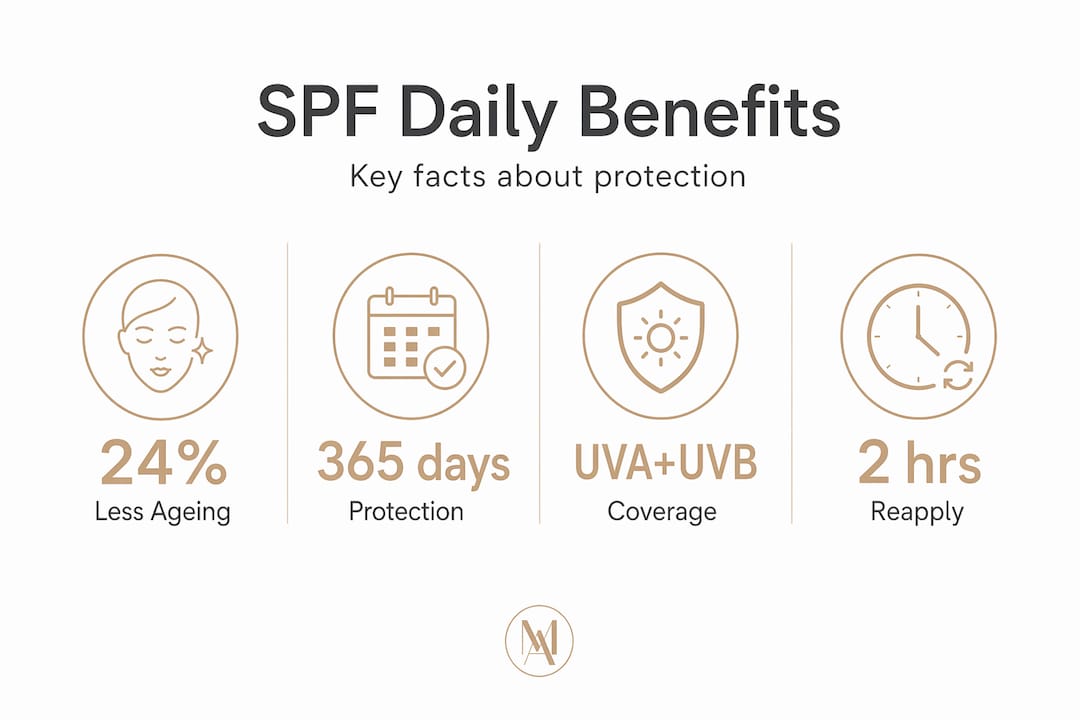
The numbers are compelling. A landmark randomised controlled trial found that daily broad-spectrum SPF reduced the development of visible skin ageing by 24% compared with discretionary, or non-daily, sunscreen use over several years. That figure represents consistent, measurable change in wrinkle formation, skin texture, and overall tone. Not from a retinoid, not from a peptide serum, but from the one product many people regard as optional.
“Photoprotection is not a single-ingredient strategy. Broad-spectrum sunscreen forms the primary layer, but antioxidants, DNA-repair enzymes, and barrier-supportive actives form a secondary protective architecture that works alongside SPF to limit UV-driven cellular damage.”
We also know that sun protection redefined in a contemporary context means moving beyond a simple SPF number. Modern photoprotection considers the full spectrum of UV exposure, including the role of visible light and infrared radiation in triggering pigmentation and inflammation. That perspective shifts SPF from a passive blocker to an active anti-ageing strategy.
| UV type | Penetration depth | Primary skin effect | Addressed by broad-spectrum SPF |
|---|---|---|---|
| UVA | Dermis (deep) | Collagen degradation, photoageing | Yes |
| UVB | Epidermis (surface) | DNA damage, sunburn, pigmentation | Yes |
| Visible light | Surface to mid-dermis | Hyperpigmentation (especially in darker tones) | Partially (tinted formulas) |
| Infrared | Dermis and deeper | Oxidative stress, inflammation | Indirectly (antioxidant SPF) |
The science is not ambiguous. Daily SPF is foundational, not supplementary.
SPF, pigmentation and sensitive skin: Targeted protection explained
For those dealing with hyperpigmentation, melasma, or post-inflammatory marks, SPF is not just protective. It is therapeutic. UV exposure directly stimulates melanocytes (the pigment-producing cells in the skin) to overproduce melanin in response to UV stress. Without daily photoprotection, any brightening serum or tyrosinase inhibitor you apply will be working against an active trigger. You are effectively trying to drain a bath while leaving the tap running.
Clinical research confirms this dynamic clearly. Trials comparing SPF plus brightening actives versus SPF alone for facial hyperpigmentation show that photoprotection is itself an active intervention, not merely a preventive measure. Adding inhibitors such as thiamidol produced superior results, but SPF remained the non-negotiable baseline in every arm of the trial. The lesson is clear: no brightening ingredient works optimally without it.
For sensitive skin, the formulation of SPF matters as much as the number. Chemical UV filters, such as avobenzone and octisalate, absorb UV energy and convert it to heat. That conversion process can provoke flushing or reactive responses in rosacea-prone or sensitised skin. Mineral sunscreens using zinc oxide and titanium dioxide work by physically deflecting UV rays, making them far less likely to trigger irritation or barrier disruption.
Key considerations when choosing SPF for pigmentation-prone or sensitive skin:
- SPF 30 minimum: Provides approximately 97% UVB blockage under laboratory conditions, though real-world use typically delivers closer to 50% protection due to insufficient application quantity.
- Broad-spectrum labelling: Ensures both UVA and UVB coverage. UVA protection is critical for pigmentation and deep dermal ageing.
- Mineral formulas: Zinc oxide and titanium dioxide are the gold standard for reactive skin types.
- Tinted versions: Iron oxides in tinted SPF provide additional protection against visible light, particularly relevant for those managing melasma.
- Fragrance-free formulation: Fragrance is a leading cause of contact sensitisation and should be avoided in SPF products used on compromised or reactive skin.
Pro Tip: If you are managing active hyperpigmentation, apply SPF as part of your morning routine even on overcast days and when working near windows. UVA penetrates glass, which means indoor exposure is a genuine and underestimated trigger for melanin stimulation. Explore targeted options in our best sunscreen for hyperpigmentation guide for personalised recommendations.
SPF types, formulation trends, and real-world use
The distinction between chemical and mineral SPF goes beyond sensitivity considerations. Understanding how each filter category functions helps you choose the right product for your skin’s specific needs and lifestyle.
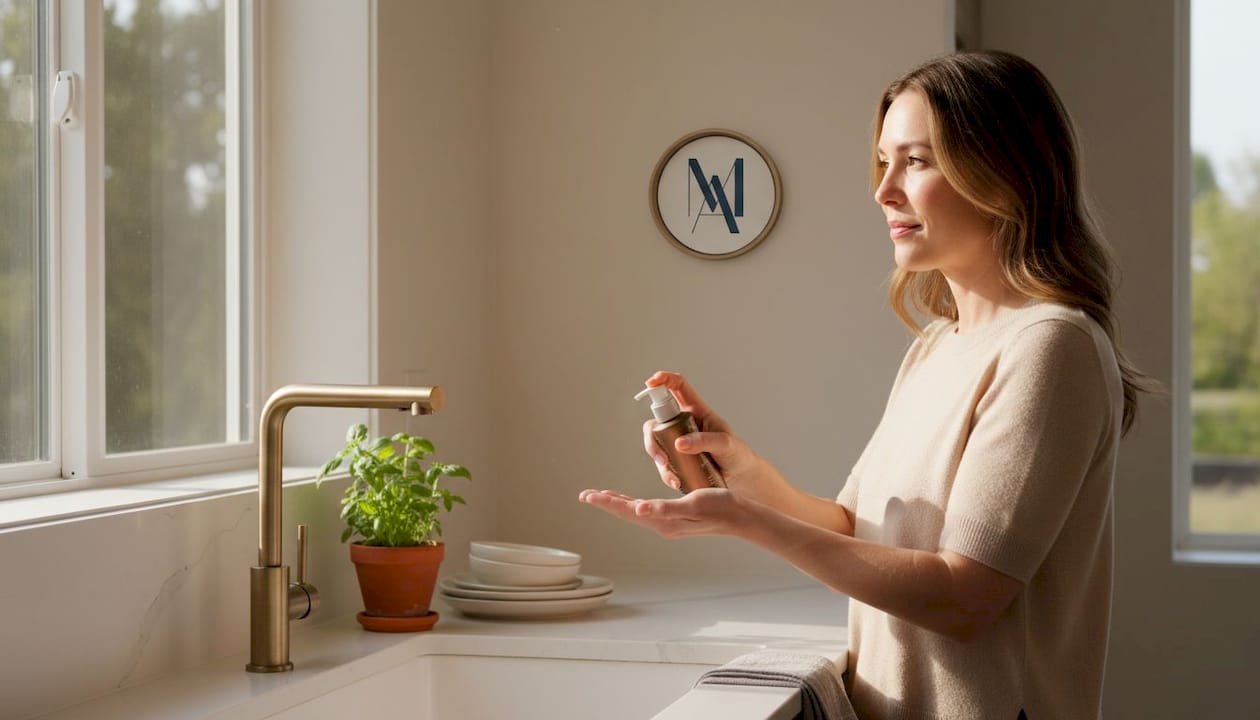
Chemical SPF filters absorb UV photons and release that energy as heat. They tend to offer lighter textures, blend more invisibly on the skin, and are well-tolerated by most non-sensitive skin types. Their downside is that they require about 20 minutes to become fully effective after application, and some filters (particularly oxybenzone) carry questions regarding hormonal activity and environmental impact.
Mineral SPF filters (zinc oxide and titanium dioxide) sit on the skin’s surface and physically deflect UV radiation. They provide immediate protection on application. Historically they left a visible white cast, but modern micronisation and encapsulation technology has largely resolved that issue. They are photostable, meaning they do not degrade in sunlight, and they are the preferred choice for sensitive and rosacea-prone skin.
“SPF is both a labelled metric and part of a broader photoprotection methodology. Primary UV filters are the foundation, but secondary strategies, including antioxidants and DNA-repair support, address the residual oxidative damage that even high-SPF products cannot fully prevent.” UV and photoprotection research
The most exciting formulation trend is the move toward hybrid and multifunctional SPF products. These integrate antioxidants (vitamin C, niacinamide, resveratrol), DNA-repair enzymes (photolyase), and skin-conditioning actives alongside UV filters. The NEOSTRATA antiaging SPF exemplifies this category, combining broad-spectrum protection with collagen-supportive technology. Similarly, high protection SPF 50 formulations now include peptides and antioxidants that work synergistically with UV filters to address multiple ageing pathways simultaneously.
For those wanting to simplify their morning routine without sacrificing efficacy, vitamin C SPF hybrid products combine ascorbic acid with broad-spectrum protection. Vitamin C neutralises free radicals generated by UV exposure that SPF alone does not intercept, making this combination particularly valuable for brightening and antioxidant defence.
Critical application points that affect real-world results:
- The anti-ageing benefit depends on applying broad-spectrum sunscreen regularly and in sufficient quantity, not simply choosing a high SPF number.
- Most people apply between 20% and 50% of the recommended quantity, meaning an SPF 50 product applied thinly functions closer to SPF 15 in practice.
- Reapplication every two hours during sustained outdoor exposure is essential. Mineral filters remain more photostable but still require reapplication.
- Consider whether you perspire heavily or swim, as water resistance ratings on labels should guide your reapplication timing.
How to maximise daily SPF: Layering, application and synergy
Choosing the right SPF product is only part of the equation. How you integrate it into your daily routine determines whether you receive its full anti-ageing and photoprotective benefit. We see this frequently with clients: they invest in excellent products but lose value through inconsistent application, incorrect layering order, or insufficient quantity.
Here is our recommended sequence for a morning routine that maximises both SPF efficacy and active synergy:
- Cleanser: Start with a gentle, pH-balanced cleanser appropriate for your skin type. Do not over-cleanse, as a disrupted barrier reduces SPF adhesion and increases sensitivity.
- Treatment serum: Apply your targeted actives (vitamin C, niacinamide, brightening agents, or peptides) immediately after cleansing onto bare skin. These ingredients need direct contact with the skin’s surface to function optimally.
- Moisturiser: A lightweight, barrier-supportive moisturiser follows. Allow this to absorb before SPF application to avoid diluting the filter system.
- SPF (final step before makeup): Apply SPF last, using at least half a teaspoon for the face alone, extending to the neck and décolletage. Press gently rather than rubbing to avoid pilling and ensure even distribution.
- Makeup (optional): Mineral powder foundations or tinted SPF powders can provide a small additional UV contribution, but they should never replace your base SPF layer.
Pro Tip: Pair a vitamin C serum with your SPF every morning. Vitamin C in its L-ascorbic acid form neutralises reactive oxygen species (free radicals) generated by UV exposure that filters alone do not capture. This combination measurably reduces oxidative DNA damage and supports collagen synthesis simultaneously. Try the vitamin C SPF routine for a streamlined dual-action approach.
It is also worth noting that SPF and retinoids are not in conflict. Many people mistakenly believe that using retinol means they need extra protection only on retinol nights. In reality, retinoid-treated skin is more photosensitive and requires consistent daily SPF year-round without exception. The total protect SPF formulation is specifically designed to work alongside active treatment regimens, providing broad-spectrum coverage with a skin-calming base that suits retinoid users.
The real-world benefit of SPF is directly tied to regularity and correct quantity. Sporadic use, even with a high-rated product, delivers a fraction of the cumulative protection that consistent daily application provides. For those also using antiaging SPF layering strategies that integrate peptides and antioxidants, the synergy over months and years produces measurable differences in skin density, tone uniformity, and overall texture.
Why most people underestimate daily SPF and what actually works
Here is the honest perspective: in 2026, with more access to dermatological research than ever before, a significant proportion of people with sophisticated skincare routines are still under-protecting their skin. Not because they lack awareness of SPF, but because they are focused on the wrong variables.
The conversation in skincare circles tends to orbit around SPF numbers. People debate SPF 30 versus SPF 50, chemical versus mineral, morning tint versus spray. Those are legitimate considerations but they are secondary. The primary variable is simply whether you apply SPF every single morning, in adequate quantity, regardless of weather or whether you plan to be outdoors.
We work with clients who use excellent brightening serums, prescription-strength retinoids, and advanced peptide formulations, yet skip SPF on grey days or reapply only in summer. The result is two steps forward and one step back. Every unprotected day of UV exposure partially undoes the collagen preservation and pigmentation control achieved through the rest of the routine.
There is also a less-discussed factor: the psychological undervaluing of prevention versus correction. Serums and treatments produce visible, satisfying changes that feel like progress. SPF prevents degradation quietly and invisibly. Its benefit is cumulative and comparative, meaning you see it in the ageing you do not develop rather than in a dramatic before-and-after. That makes it easy to deprioritise.
Our view is that advanced sunscreen strategies require a mindset shift, not just a product upgrade. Building SPF into your morning routine with the same non-negotiable commitment as cleansing is the single highest-return habit change available in skincare. No active, device, or in-clinic treatment compensates for daily unprotected UV exposure over time.
Discover advanced SPF solutions for your daily routine
At The M-ethod, we curate SPF products that meet clinical standards and integrate seamlessly into results-driven routines. Whether you are managing hyperpigmentation, protecting retinoid-treated skin, or simply building a stronger daily foundation, our selection spans hybrid formulas, mineral options, and antioxidant-enhanced SPFs from brands trusted by dermatologists. Our customer testimonials reflect real-world improvement from clients who have committed to consistent photoprotection as part of personalised regimens. Beyond SPF, we also offer advanced treatment programmes for skin renewal, including the advanced hair system from CALECIM Professional, for those addressing the full spectrum of skin and scalp health. Our virtual consultations connect you with top clinicians who can personalise your photoprotection strategy to your specific skin type, concerns, and active ingredients.
Frequently asked questions
Can daily SPF really prevent visible skin ageing?
Yes, consistent daily SPF use has been shown to reduce visible signs of ageing by 24% compared to non-daily or discretionary use, making it one of the most evidence-backed anti-ageing interventions available.
Is mineral or chemical SPF better for sensitive skin?
Mineral SPF using zinc oxide and titanium dioxide is generally preferred for sensitive skin, as it physically deflects UV rather than converting it to heat, significantly reducing the risk of irritation or flushing.
How much SPF should I apply for effective daily protection?
Apply at least half a teaspoon for the face and neck, ensuring even coverage, and reapply every two hours during sustained sun exposure; the anti-ageing benefit depends on correct quantity, not just SPF number.
Does SPF alone improve pigmentation or should I add other actives?
SPF is the essential foundation for pigmentation control, but SPF combined with thiamidol or other melanin-inhibiting actives produces significantly greater improvement than SPF alone, particularly for persistent or deep hyperpigmentation.