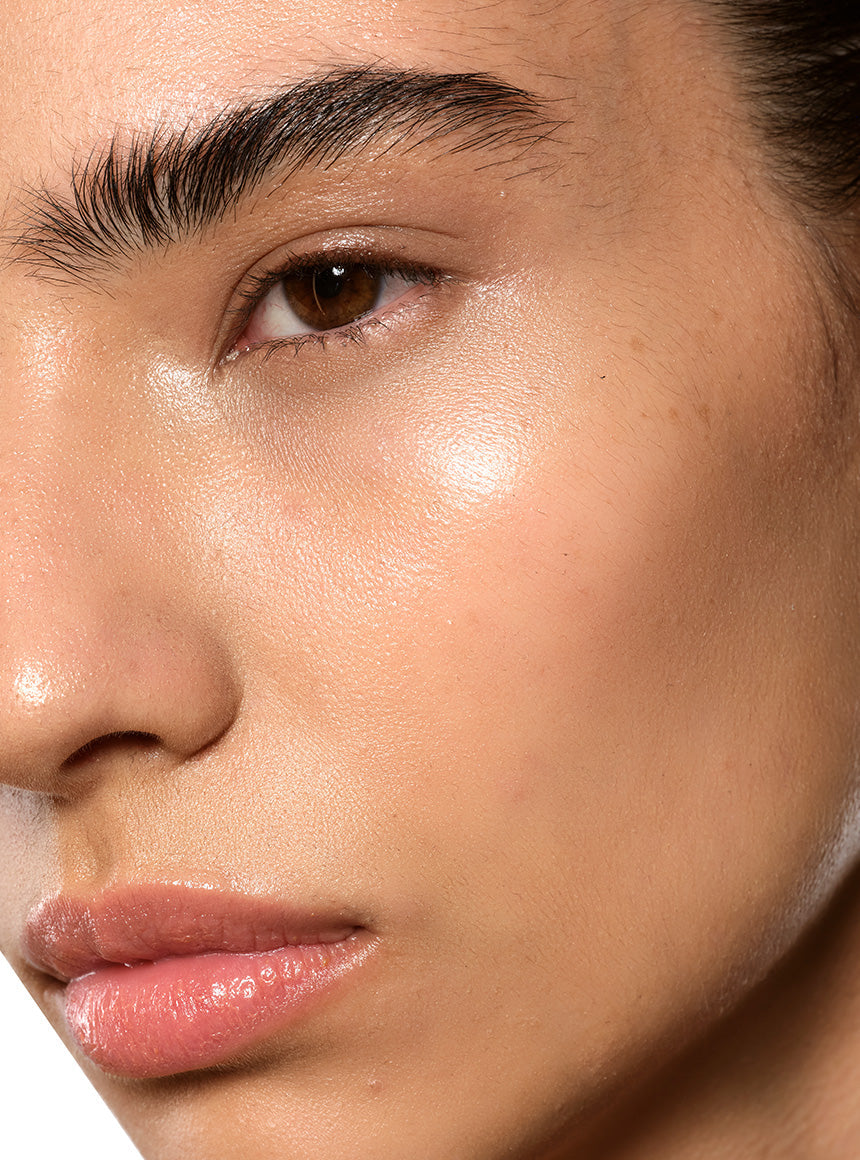





Peptide Eye Cream for Visible, Refined Results
The eye area is often where a beautifully considered skincare routine first shows its limits. Skin here is thinner, more mobile and exposed to daily facial movement, sleep disruption, UV exposure and dryness. A well-formulated peptide eye cream can be a highly strategic addition, particularly when fine lines, loss of firmness or a crepey texture are beginning to change the way concealer sits.
Peptides are not a shortcut to erasing every under-eye concern. They are, however, among the most valuable ingredients for supporting a smoother, more resilient-looking eye contour when used consistently in an intelligently formulated product.
What peptides do for the eye area
Peptides are short chains of amino acids, the building blocks involved in proteins such as collagen and elastin. In skincare, selected peptides are used as signalling ingredients. They can help support the skin processes associated with a firmer, more refined appearance, while also offering a generally well-tolerated route into active eye care.
That distinction matters. The under-eye is not simply facial skin in miniature. It has fewer oil glands, can become dehydrated quickly and is more vulnerable to irritation from formulas that are too aggressive. A peptide-led formula offers meaningful anti-ageing support without automatically relying on the stronger exfoliating or retinoid approach that may not suit every eye area.
With regular use, the right formula may help skin appear smoother and better cushioned, soften the look of fine dehydration lines and improve the appearance of early laxity. Results tend to be gradual rather than dramatic overnight. Think of peptides as part of a long-term strategy for maintaining the quality of the skin, rather than a one-product correction for every concern.
Not all peptides work in the same way
A peptide eye product may contain several peptide types because each has a different role within the formula. Signal peptides are commonly selected to support a firmer-looking complexion. Carrier peptides, including copper peptide complexes in certain formulas, are associated with skin conditioning and repair-supportive benefits. Some formulas also use neuropeptides designed to soften the appearance of expression lines.
The ingredient list alone does not tell the full story. Delivery system, concentration, formula stability and the wider supporting ingredients determine whether a product feels exceptional or merely looks impressive on a label. This is why clinically minded formulation matters more than chasing a single fashionable peptide name.
What a peptide eye cream can and cannot address
Fine lines, textural dryness and early loss of elasticity are the concerns most naturally aligned with peptides. If the eye area feels papery, makeup settles into lines or the skin appears less taut than it once did, a peptide-rich cream may be especially worthwhile.
Dark circles require more precise diagnosis. Brown-toned discolouration may relate to pigmentation and often needs daily broad-spectrum SPF alongside carefully chosen brightening ingredients. Blue, purple or shadowed circles may be linked to visible vessels, natural facial anatomy, volume loss or fatigue. In these cases, peptides can improve the quality of the surrounding skin, but they cannot change bone structure or replace lost volume.
Puffiness is similarly multifactorial. A cooling gel texture, caffeine or drainage-focused application can make the area look fresher temporarily, while persistent swelling may be influenced by allergies, sleep, salt intake or anatomy. If swelling is new, one-sided or accompanied by discomfort, it deserves medical advice rather than another cosmetic purchase.
For pronounced hollowness, deep static wrinkles or advanced crepiness, topical skincare remains supportive rather than transformative. A consultation can help establish whether a professional treatment, a more targeted home regimen or simply a change in expectation is appropriate.
How to choose a peptide eye cream
Start with your dominant concern and the behaviour of your skin. A rich cream with peptides, ceramides, lipids and humectants is often ideal for dryness, mature skin or a compromised barrier. It can restore comfort and help the eye contour look more supple, particularly during colder months or when using prescription-strength actives elsewhere on the face.
If you are prone to milia, congestion or makeup slipping, a lighter gel-cream or serum texture may be a better fit. Look for peptides paired with hydration ingredients such as glycerin or hyaluronic acid, rather than relying on heavy occlusives that may feel excessive for your skin.
For lines and firmness, choose a formula where peptides are part of a broader corrective approach. Antioxidants can help defend against environmental stress, while niacinamide may support barrier function and a more even-looking tone. For darkness related to pigmentation, a formula with suitable brightening support can be more relevant than peptides alone, provided the product is designed for the eye area and does not cause sensitivity.
Be selective with fragrance. The eye contour is a common site of stinging, watering and contact irritation, particularly for those with eczema, rosacea or a sensitised barrier. A luxurious sensory experience should never come at the expense of tolerance. Premium eye care earns its place through formula design, evidence-led ingredient selection and visible compatibility with your routine.
Packaging is part of performance
Airless pumps and opaque packaging are particularly valuable for formulas containing delicate antioxidants or other stability-sensitive actives. A jar is not inherently ineffective, but repeated exposure to air and fingers can be less ideal for certain ingredient systems. Hygienic, controlled dispensing also makes it easier to use the small amount the eye area actually needs.
A higher price does not guarantee a better outcome. Equally, an inexpensive cream may be little more than a basic moisturiser in elegant packaging. Consider the formula as a whole, the clinical philosophy behind the brand and whether the product has been selected to address your specific concern. The M-ethod Aesthetics favours this considered, regimen-led approach over a one-size-fits-all eye cream recommendation.
Using peptide eye cream for the best result
Apply your eye product after water-based serums and before your facial moisturiser, unless the formula instructions specify otherwise. Use an amount no larger than a grain of rice for both eyes. More product does not produce better results and can migrate into the eyes, causing watering or puffiness by morning.
Place tiny dots along the orbital bone, beginning at the inner under-eye and moving gently outwards. If the product is suitable for the upper eye contour, use the remaining trace beneath the brow bone rather than placing it directly on the mobile lid. Press or softly tap with your ring finger. Avoid dragging the skin or rubbing a formula back and forth until it pills.
Most peptide formulas can be used morning and evening. In the morning, follow with broad-spectrum SPF applied around the eye contour, taking care not to get it into the eyes. Sun protection is non-negotiable if your goal is to preserve collagen and prevent the pigment changes that can make the eye area appear more tired.
At night, peptides often layer well with a barrier-focused moisturiser. If you use retinoids, exfoliating acids or prescription treatments, introduce a peptide eye product separately and assess comfort before using several active products around the eyes at once. Some people tolerate an eye-specific retinoid exceptionally well; others develop dryness, flaking or irritation quickly. There is no benefit in forcing a more intensive protocol onto sensitised skin.
Consistency is the real differentiator. Give a well-chosen formula at least eight to 12 weeks of regular use before judging changes in fine lines and texture. Take photographs in the same light if you want an honest comparison. The eye area can look markedly different after a poor night's sleep, a salty meal or a long-haul flight, so day-to-day mirror checks are rarely a reliable measure of progress.
The wider routine still matters
A peptide eye cream performs best when it is not asked to compensate for preventable damage. Daily sunscreen, gentle cleansing, sufficient moisturisation and a tolerable facial active routine all influence how the eye contour ages. If you are using a potent retinoid or exfoliating treatment across the face, protecting the eye area with a nourishing peptide formula can be particularly valuable.
Lifestyle factors also appear here quickly. Dehydration, allergies, smoking, alcohol, poor sleep and chronic eye rubbing can all amplify darkness, puffiness and fine lines. Skincare should feel like an investment in skin health, not a demand for perfection from a small and expressive area of the face.
Choose a peptide eye cream because it suits the concern you can genuinely influence: skin texture, hydration, early lines and visible resilience. Apply it with precision, protect the area every morning and allow the formula time to earn its place in your routine.