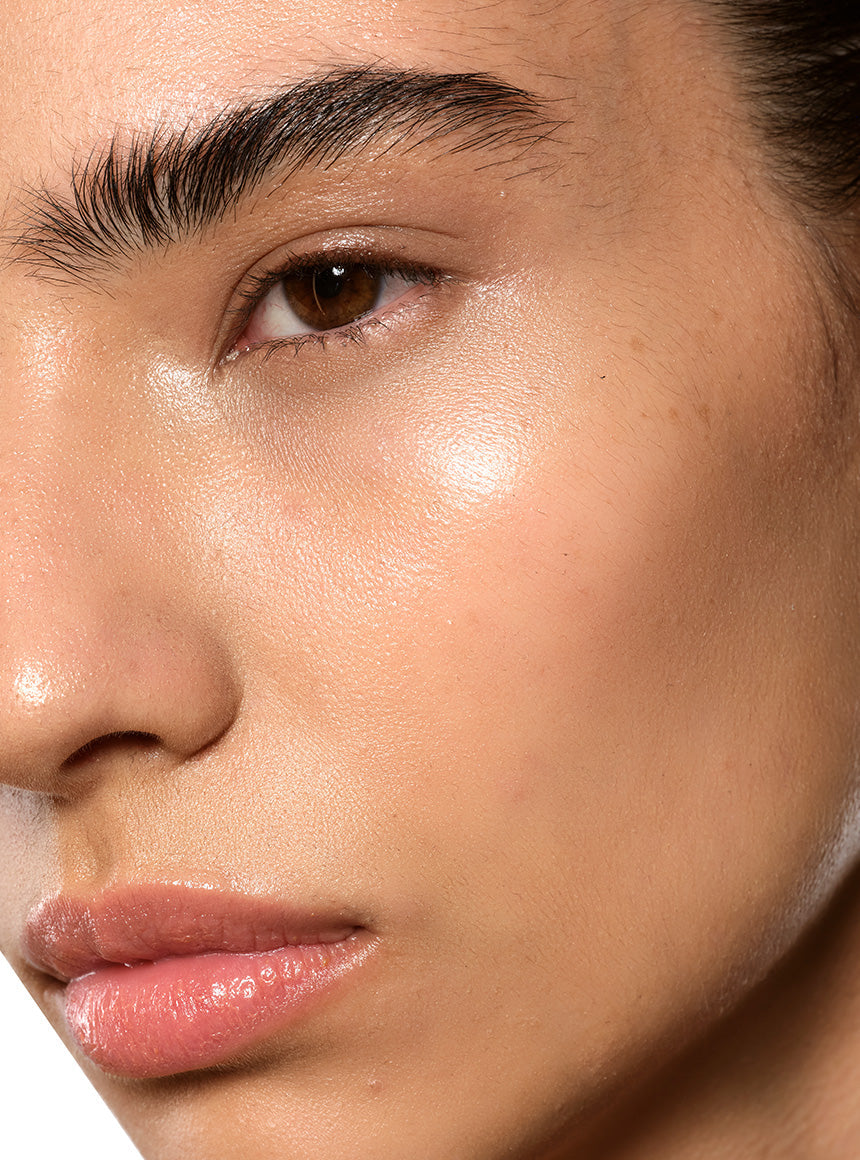





How to Calm Reactive Skin Without Guesswork
Reactive skin rarely needs more effort. It usually needs less friction, less stimulation and far more precision. If you are searching for how to calm reactive skin, the first shift is to stop treating every flush, sting or sudden breakout as a separate problem. In many cases, the skin is signalling barrier strain, inflammation or an intolerance to a product, treatment or routine that has become too aggressive.
That distinction matters. Skin that feels hot after cleansing, turns red after active serums or reacts unpredictably to products that once felt fine is not necessarily “sensitive” in a fixed sense. It may be temporarily destabilised. And destabilised skin responds best to a controlled, clinically minded reset rather than trend-led experimentation.
What reactive skin is actually telling you
Reactive skin is a pattern, not a diagnosis. It may present as redness, burning, itching, rough texture, tightness, blotchiness or breakouts that appear after introducing a new product. For some, it sits alongside rosacea, eczema, acne or peri-menopausal skin changes. For others, it appears after overuse of acids, retinoids, scrubs or in-clinic treatments layered too closely together.
The common thread is a lowered tolerance threshold. Once the barrier is compromised, ingredients that would normally be well tolerated can start to sting. Heat, wind, central heating, fragrance and even hard water can become more noticeable triggers. That is why reactive skin often feels confusing. The issue is not always one “bad” product. It is often cumulative stress.
This is also where expensive skincare can work against you if the routine is not properly edited. High-performance formulas are valuable when skin is ready for them. On reactive skin, too many active steps can create the opposite of the result you want.
How to calm reactive skin: start with subtraction
The fastest route to calmer skin is usually to remove variables. For 10 to 14 days, strip your routine back to the essentials: a gentle cleanser, a barrier-supportive moisturiser and a broad-spectrum SPF. If your skin is acutely inflamed, even cleansing in the morning may be unnecessary. A rinse with lukewarm water can be enough.
This is not under-treating the skin. It is creating the conditions for recovery. During this phase, pause exfoliating acids, retinoids, benzoyl peroxide, strong vitamin C, peels, scrubs and anything heavily fragranced. If you have recently added multiple products at once, stop all non-essential extras. The goal is not to guess which one caused the reaction while continuing to provoke the skin.
Texture matters here. Reactive skin tends to do better with formulas that cushion rather than tingle, and with moisturisers designed to reinforce the barrier using ceramides, cholesterol, fatty acids, glycerin or squalane. Richer is not always better, but insufficient moisturisation can prolong irritation.
Cleansing should feel uneventful
A good cleanser for reactive skin should remove sunscreen, excess oil and debris without leaving the face feeling tight or squeaky. That “ultra-clean” sensation is often early barrier damage dressed up as freshness. Cream, lotion or non-foaming gel cleansers are usually better choices than highly foaming formulas, particularly if your skin already feels warm or dry.
Water temperature matters more than many people realise. Hot water increases vasodilation and can intensify redness. Use lukewarm water and keep cleansing brief. If you wear heavier make-up or water-resistant SPF, a gentle first cleanse may be useful, but avoid rubbing with flannels, cleansing brushes or textured pads until the skin is stable.
Moisturising is treatment, not an optional final step
When skin is reactive, moisturiser stops being cosmetic. It becomes part of the repair strategy. A well-formulated moisturiser helps reduce transepidermal water loss, supports recovery and makes the skin less likely to overreact to the environment.
Look for formulas centred on barrier lipids and humectants rather than strong anti-ageing or resurfacing claims. If stinging occurs even with simple moisturisers, apply to slightly damp skin and use small amounts at first. Sometimes the irritation is not the moisturiser itself but the exposed, compromised skin beneath it. If the burning is intense or persistent, stop and reassess.
Occlusive balms can help in targeted areas such as around the nose or on dry, wind-chapped patches, but all-over use can be too heavy for those prone to congestion. This is where personalisation matters. Skin can be both reactive and blemish-prone, and the routine has to respect both realities.
SPF is non-negotiable, but formulation matters
UV exposure worsens inflammation, pigmentation and post-inflammatory marks, particularly in skin already in a reactive state. Daily SPF is essential, yet it is also one of the categories most likely to trigger complaints if the texture or filters do not suit the individual.
For some, mineral-led formulas are better tolerated. For others, elegant hybrid or chemical sunscreens are more wearable and therefore more realistic for daily use. The best option is the one your skin can tolerate consistently. If every sunscreen seems to sting, that is often a sign the barrier still needs repair rather than proof that SPF is the problem.
Ingredients that can help - and those that often need pausing
When reactivity is active, calming ingredients earn their place. Niacinamide can be excellent for barrier support and redness, but not every skin tolerates high percentages. Panthenol, allantoin, oat derivatives, madecassoside, ectoin and ceramides are often useful. Azelaic acid can also support redness and blemishes, though it needs introducing carefully because some skins experience an initial tingle.
On the other side, pause ingredients known for higher irritation potential until the skin is consistently calm. That includes stronger AHAs, BHAs used too frequently, retinoids, potent L-ascorbic acid serums and aggressive exfoliating masks. None of these are “bad” ingredients. They are simply poorly timed when the skin is already overwhelmed.
This is where a luxury, clinically curated routine should feel disciplined rather than maximalist. Premium skincare is not about using the most products. It is about selecting the right ones, in the right order, at the right moment for your skin.
Reintroduce actives slowly and strategically
Once stinging has settled, redness is reduced and the skin feels comfortable for at least a week, you can consider reintroducing actives. Do this one product at a time. Give each new step at least five to seven days before making another change.
Start with the active most relevant to your primary concern. If pigmentation is your focus, you might prioritise a gentle brightening step. If texture and ageing are the concern, a carefully chosen retinoid may come later. Frequency matters as much as strength. Two nights a week is often more effective long term than nightly use that pushes the skin back into inflammation.
This measured approach is especially important if you have rosacea-prone skin, melasma, acne with barrier disruption or deeper skin tones vulnerable to post-inflammatory hyperpigmentation. In these cases, irritation itself can become a major setback.
Lifestyle triggers are often part of the picture
Skincare alone cannot fully calm reactive skin if the trigger sits outside the bathroom cabinet. Heat, alcohol, spicy foods, stress, poor sleep, over-cleansing after exercise and cold weather exposure can all contribute. That does not mean you need to live restrictively, but pattern recognition helps.
If your skin flares after hot showers, hard workouts, red wine or long-haul travel, factor that in. A richer moisturiser before flying, a gentler cleanse after the gym or avoiding exfoliants the night before a known trigger can make a visible difference. Precision usually beats intensity.
When reactive skin needs professional input
Persistent burning, widespread rash-like irritation, visible capillaries, swelling, peeling or sudden intolerance to nearly everything deserves expert assessment. So does skin that is red and acne-like but not improving with standard blemish products. Rosacea, perioral dermatitis, allergic contact dermatitis and impaired barrier conditions can look deceptively similar at first.
This is the point where guessing becomes expensive. A professionally guided routine can save months of trial and error, especially if you have invested in active-led skincare and are not seeing the results you expect. At The M-ethod Aesthetics, that clinical lens is exactly what separates a beautifully merchandised routine from one that genuinely restores skin health.
The routine that usually works best
For most reactive skin, the winning formula is not exciting. It is elegant, restrained and consistent. Cleanse gently. Moisturise with intent. Protect daily with SPF. Pause what is inflaming the skin. Reintroduce high-performance actives only when the barrier is ready.
Calmer skin rarely comes from chasing the next miracle product. It comes from respecting what the skin can handle today, so it can tolerate more tomorrow.
Give your skin that discipline, and it will usually reward you with something more valuable than a quick fix - stability.