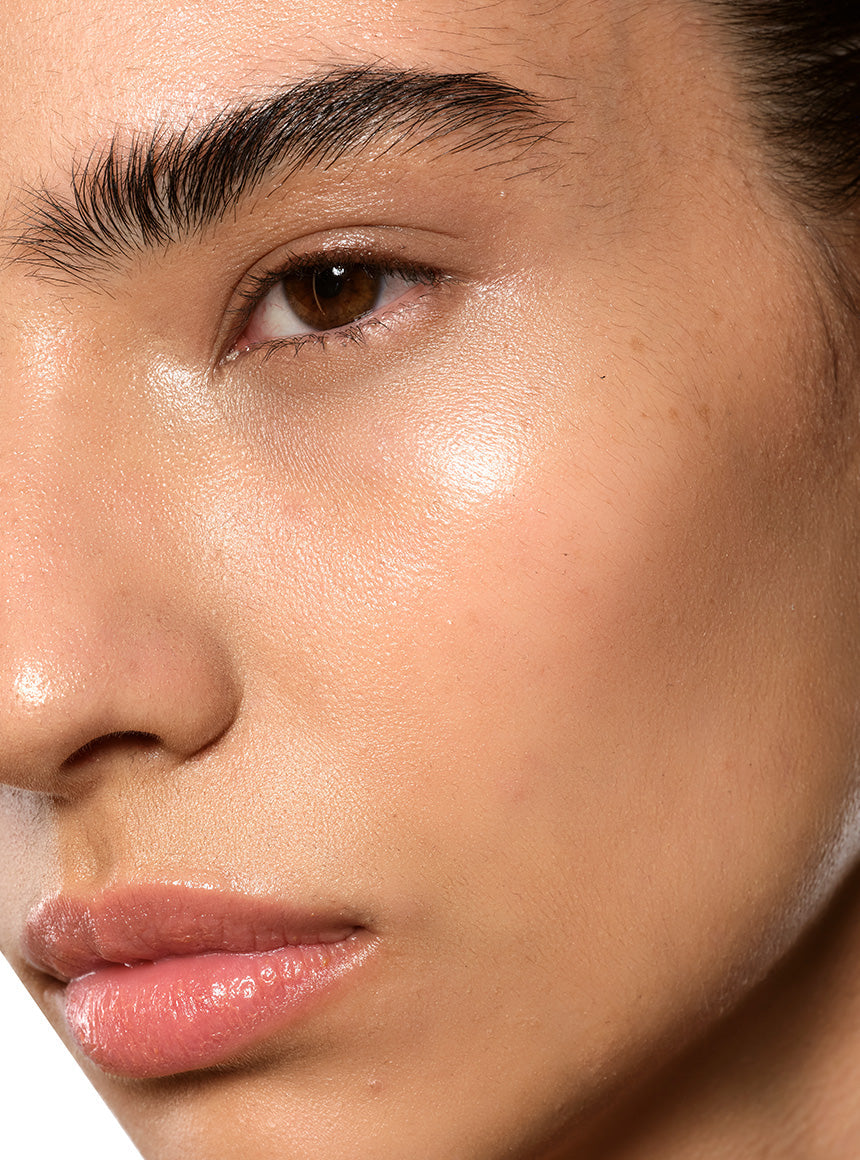




記事: HIFU Results Timeline: What to Expect, Week by Week
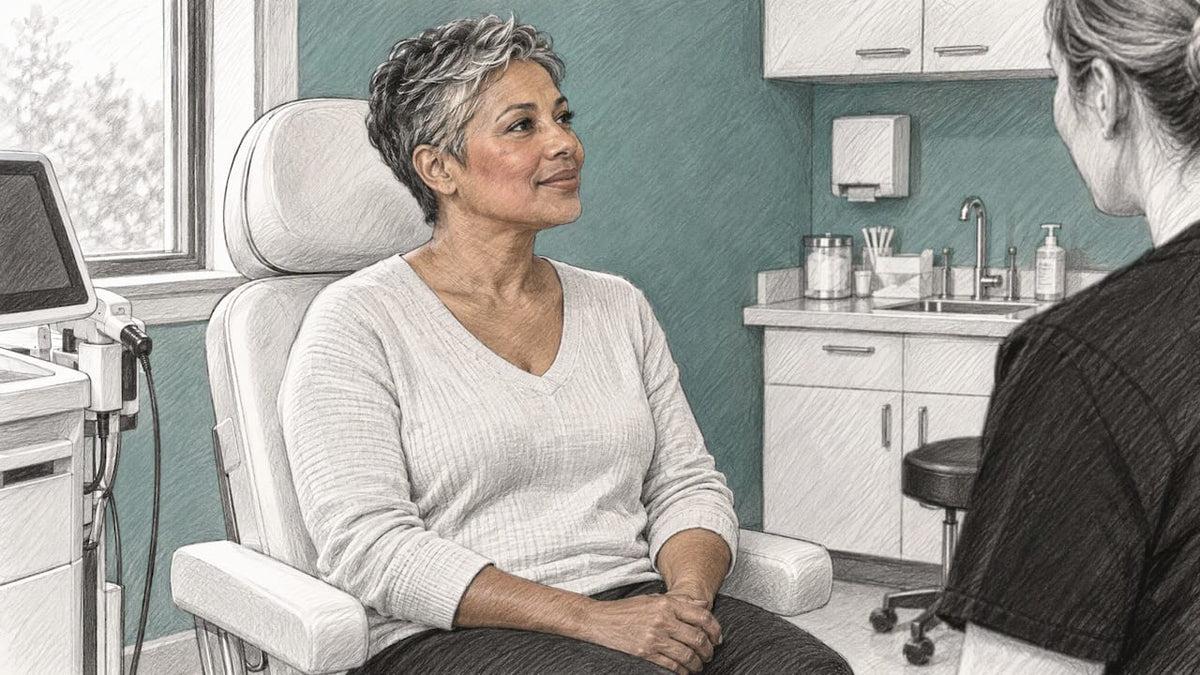
HIFU Results Timeline: What to Expect, Week by Week
HIFU results arrive in two waves. You may notice a slight early tightening in the first days or weeks. The visible lift and smoother texture then build over about 2 to 3 months, while some sources put the full effect at 3 to 6 months. That slow build is why the timing of your treatment, and who performs it, matters as much as the device. At The M-ethod Skin, our HIFU treatment is delivered by Dr. Mandy Mak, a UK-trained doctor, in London and Athens.
TL;DR
- Early effects, such as a little tightness or lift, can show in the first days to weeks. The main result comes later.
- Visible improvement in tightness and texture is most apparent about 2 to 3 months after treatment, and may keep developing up to 3 to 6 months.
- Results can last up to 18 months in published research, and good skin care helps maintain them.
- One session is usually enough for many people, though some need three or more.
- Mild redness, swelling or tenderness usually settles within days to two weeks.
Table of Contents
- Why HIFU results take weeks to appear
- The HIFU results timeline
- What HIFU before and after photos can and cannot show
- How many sessions, and how long results last
- Supporting your results
- Safety: who should be assessed first
- Our perspective
- Plan your HIFU treatment with us
- FAQ
- Sources
Why HIFU results take weeks to appear
HIFU stands for high-intensity focused ultrasound. It sends focused ultrasound energy below the skin surface to deep layers, without cutting the skin. A 2026 review explains that the energy heats small zones of tissue to roughly 60 to 85°C. That controlled heat causes an immediate contraction of existing collagen, which accounts for any early lift.
The lasting change is biological and slower. The same review describes fibroblasts (the cells that make collagen) being activated and new collagen forming, a process that peaks at about 2 to 3 months. This is why a photo taken a week after treatment can look underwhelming, and why a photo at three months looks better.

The HIFU results timeline
Individual skin differs, so treat these as typical ranges rather than promises.
| Stage | What you may notice |
|---|---|
| Day of treatment | Some redness, warmth or tenderness. A subtle early tightening is possible. |
| Days 1 to 14 | Swelling or redness settling. In one study, mild effects resolved within 2 weeks. |
| Weeks 2 to 6 | Skin may feel firmer. Changes are gradual and often subtle. |
| Weeks 8 to 12 | Tightness and texture are most apparent as new collagen peaks. |
| Months 3 to 6 | Cleveland Clinic says most people see the full effect 3 to 6 months after the procedure. |
| Up to 12 to 18 months | Results gradually fade as ageing continues. Published research reports benefit lasting up to 18 months. |
The first days
Immediately afterwards, expect the skin to look slightly flushed. Some people feel muscle tenderness along the jaw or cheeks. In a 2026 study of micro-focused ultrasound, muscle pain affected 18 of 20 patients, with a median duration of 6 days. Our guide to jawline ache after HIFU explains what is normal and what to mention to your clinician.
Weeks 2 to 6
This is the stretch where people most often worry that nothing is happening. Collagen remodelling is under way but not yet visible. Avoid judging the result against a mirror in harsh light. Take standardised photos instead: same lighting, same angle, no make-up.
Weeks 8 to 12
Medical News Today reports that ultrasound skin tightening usually produces results in 2 to 3 months. In a 20-patient study with standardised before-and-after photographs, improvement was significant at 3 months and maintained through 6 months. The jawline and the area around the eyes showed some of the largest score changes.
Months 3 to 6
For many people the picture is settled by now. The 6-month follow-up of a 50-patient study showed significant wrinkle reduction, better texture and correction of facial sagging, with no major adverse effects. Another trial found measurable gains in skin elasticity at 10 and 16 weeks after three treatments at two-week intervals.
What HIFU before and after photos can and cannot show
Before and after images are useful when they follow the same rules: identical lighting, angle and expression, and a stated gap between treatment and photo. Ask what that gap was. A photo at four weeks shows early change. A photo at three months shows the collagen response.
Research gives a realistic frame. In a 12-person study, the eyebrow peak angle rose by about 2 degrees and tissue lifted about 0.8 mm at day 90. HIFU is a refinement, a gentle lift and tightening, not a surgical facelift. A meta-analysis of 17 studies rated objective improvement as moderate, which matches what we describe to patients: a moderate rejuvenation effect built on good candidacy and technique.
How many sessions, and how long results last
Cleveland Clinic states that one treatment is usually sufficient, though some people need three or more sessions to reach their goal. Sessions in published research typically run 45 to 75 minutes, although Cleveland Clinic cites longer in-office times for full-face protocols.

On duration, a 2026 review reports benefit up to 18 months, while Medical News Today notes that good skin care can help maintain results for up to a year. Many patients plan a maintenance session once the lift begins to soften, and your clinician can time it to your skin, age and goals.
What shapes your timeline
- Starting point: mild to moderate laxity tends to suit HIFU best.
- Treatment depth and coverage: the right transducer for each area matters.
- Practitioner skill: a systematic review identifies operator expertise as critical to both safety and outcome.
- Daily skin care: sun protection and collagen-supportive routines help maintain results.
- Ageing and lifestyle: collagen loss continues, so results gradually fade.
Supporting your results
Good aftercare keeps the early weeks comfortable. Our HIFU aftercare guide covers what to do and avoid. Daily sunscreen is the simplest habit, and a clinical-grade routine of serums and moisturisers can sustain results between sessions. You can browse our skincare range, or choose products with a clinician in a consultation.
If you track progress with other light-based home devices, the realistic pace of change is similar: gradual. This red light therapy before and after guide shows how a staged results timeline looks for a different treatment.
Safety: who should be assessed first
HIFU is generally well tolerated when performed properly. A 2025 review of 22 studies found that most complications were mild and transient, such as redness and swelling resolving in hours to days. Rarer problems such as nerve irritation or hyperpigmentation were linked to improper settings, limited expertise or insufficient assessment. The authors conclude that proper training, standardised protocols and individual evaluation significantly minimise risk.
A Japanese survey of adverse events stresses that anatomy matters: the clinician must avoid nerves, vessels and the eyes, because lens damage is irreversible. That is why a medical assessment before treatment is the right first step. Tell your clinician about implants, filler, active skin infection, pregnancy or any medical condition, and report unusual numbness, blistering or persistent pain promptly.
Our perspective
We tell patients that the most useful thing about HIFU is patience. The first fortnight is about comfort, the next two months are about collagen, and the real verdict arrives around the three-month mark. Judge it then, with consistent photographs.
What shapes that verdict is the assessment before treatment: which areas, which depth, and whether HIFU is the right tool or should be combined with polynucleotides, Profhilo or microneedling for skin quality. As a UK-trained doctor, Dr. Mandy Mak plans each treatment around your face, not a fixed protocol. For international patients, we can arrange treatment in London or Athens so your follow-up and your travel fit the timeline above.
Jess
Plan your HIFU treatment with us
The M-ethod Skin offers HIFU alongside Profhilo, microneedling and polynucleotides at our clinics in London and Athens. If you are travelling, or want guidance before you decide, start with an online skin consultation, or see the full clinic treatment list. For more detail on the procedure itself, read our HIFU guide.
FAQ
How long for HIFU results to show?
Some people notice mild early tightening within days to weeks. Most see clear improvement at about 2 to 3 months, and Cleveland Clinic puts the full effect at 3 to 6 months. Results keep developing because new collagen takes time to form.
How many HIFU treatments do I need?
One session is usually sufficient according to Cleveland Clinic, though some people need three or more to reach their goal. Your clinician can recommend a plan after assessing skin laxity and your goals.
How long do HIFU results last?
Published research reports benefit lasting up to 18 months, and good skin care helps maintain results for up to a year. Individual ageing, sun exposure and lifestyle affect how long the lift holds.
What side effects are normal after HIFU?
Mild redness, swelling, tenderness or muscle ache are common and usually settle within days to two weeks. Bruising is less common. Contact your clinician if you notice numbness, blistering or pain that does not improve.
Sources
- Cleveland Clinic: How Ultrasound Facials Can Tighten Skin
- Chacín et al. 2026: High-Intensity Focused Ultrasound Technology
- Medical News Today: HIFU facial
- Park et al. 2015: HIFU for facial rejuvenation
- Systematic Review of HIFU, Aesthetic Surgery Journal 2025
- Safety and efficacy of HIFU, Dermatologic Therapy 2022
- Lio et al. 2022: Quantified facial rejuvenation with HIFU
- Ayatollahi et al. 2020: Systematic review and meta-analysis
- Lou et al. 2026: Micro-focused ultrasound, Lasers in Medical Science
- Biskanaki et al. 2025: Complications and risks of HIFU
- Journal of Plastic and Reconstructive Surgery: HIFU adverse event survey