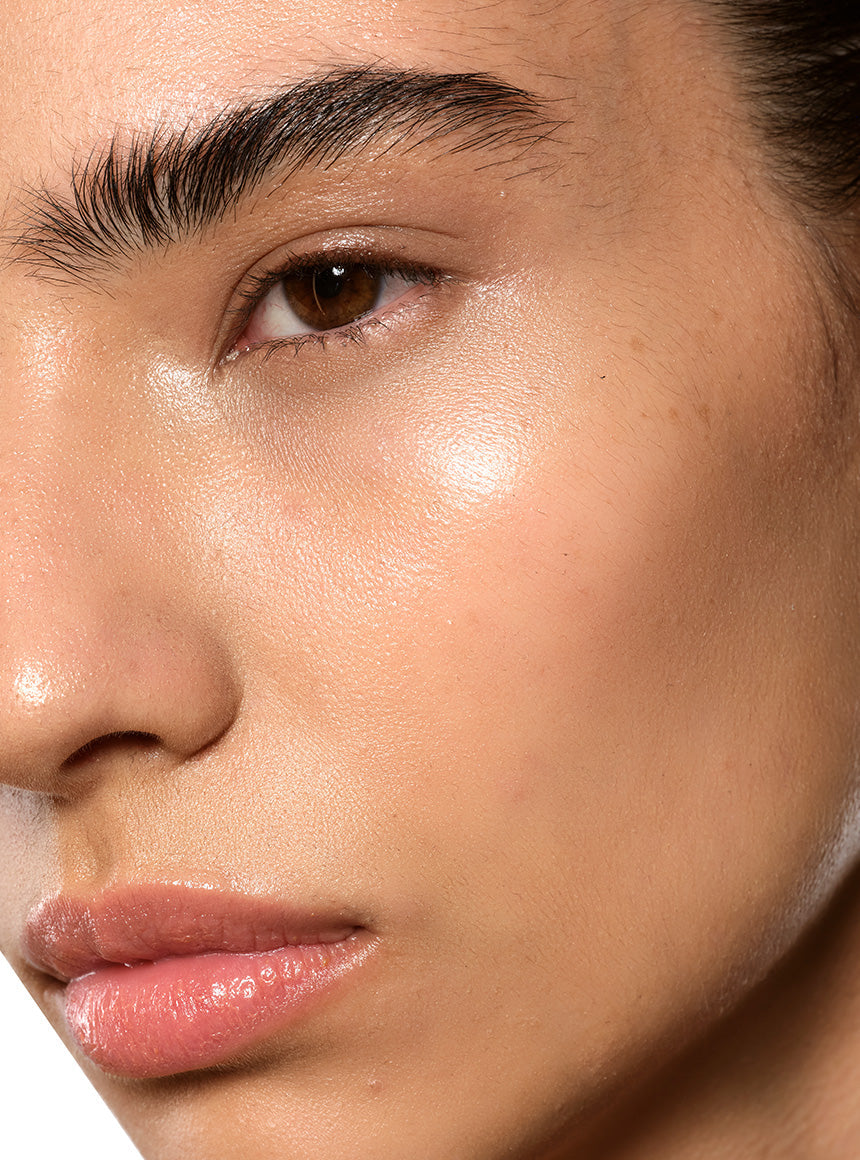





A Guide to At-Home Peels for Brighter Skin
A well-chosen peel can refine dullness, soften the look of blemish marks and bring a more even, luminous finish to the skin. But acids are not a shortcut to better skin. This guide to at-home peels is designed to help you make a clinical decision: selecting the right level of exfoliation for your concern, your tolerance and your skin’s current condition.
The most impressive results tend to come from consistency, not intensity. A carefully introduced at-home peel can complement a considered regimen beautifully. An overly aggressive one can compromise the barrier, trigger inflammation and, particularly in skin prone to pigmentation, leave marks that take far longer to correct than the original concern.
What an at-home peel can realistically do
At-home peels use exfoliating acids to loosen the bonds between dull, dead surface cells. This supports a smoother texture, brighter-looking skin and more even light reflection. Depending on the formula, they can also help reduce congestion, improve the appearance of enlarged pores and gradually soften the look of fine lines and post-inflammatory marks.
They do not replicate the depth or immediate transformation of a professionally administered chemical peel. That distinction matters. Clinical treatments are selected and applied by a qualified practitioner who can assess skin type, pigmentation risk, treatment history and recovery capacity. Home formulas should be viewed as controlled maintenance: effective enough to produce visible refinement, but designed for repeated use within a healthy skincare routine.
For melasma, persistent acne, rosacea, eczema or significant sun damage, the right approach may be a consultation-led plan rather than a stronger acid. More exfoliation is not always the answer. Often, pigment and redness improve more reliably when inflammation is reduced and daily photoprotection is non-negotiable.
The acids to know before choosing a peel
The word “peel” covers very different formulas. Concentration matters, but it is not the only measure of potency. The acid type, pH, delivery system, contact time and the condition of your skin all influence the outcome.
AHAs for brightness and surface texture
Alpha hydroxy acids are water-soluble exfoliants that work primarily at the skin’s surface. Glycolic acid has a small molecular size and can be particularly effective for rough texture, dullness and visible signs of photoageing, though it may feel more active on sensitive skin. Lactic acid is generally a more forgiving choice, offering exfoliation alongside a more hydrated, supple finish. Mandelic acid is larger in molecular size and is often favoured for blemish-prone or pigment-prone skin that requires a measured approach.
AHAs can be excellent for dry, lacklustre complexions and uneven texture. If your skin stings easily, flushes frequently or feels tight after cleansing, begin with a lower-strength lactic or mandelic option, used less often than the label’s maximum recommendation.
BHAs for congestion and breakouts
Salicylic acid is a beta hydroxy acid and oil-soluble, allowing it to work within the pore lining. This makes it particularly useful for blackheads, recurrent congestion and inflammatory breakouts. It can also help manage the oiliness that makes pores appear more prominent.
A salicylic peel may not give the immediate polished glow associated with an AHA, but it can be the more strategic choice for acne-prone skin. Avoid combining it with multiple other exfoliants in the same routine simply because your skin feels congested. That can create irritation that resembles, and worsens, a breakout.
PHAs and enzyme formulas for sensitive skin
Polyhydroxy acids, including gluconolactone and lactobionic acid, have larger molecular structures and tend to exfoliate more gently. Enzyme treatments use fruit-derived enzymes to lift surface debris rather than relying solely on acids. Both can be intelligent options for first-time peel users, dehydrated skin or those maintaining results between more advanced treatments.
Gentle does not mean ineffective. It means the formula may better respect a barrier that is already doing demanding work: defending against environmental exposure, supporting hydration and keeping inflammatory signals in check.
How to choose the right at-home peel
Start with your primary concern, then assess your skin’s tolerance honestly. If your complexion is rough and dull but generally resilient, an AHA-based peel may be appropriate. If congestion and blemishes are the priority, consider salicylic acid. If you are navigating uneven tone, particularly after spots or inflammation, a lower-intensity mandelic, lactic or PHA formula may be more suitable than an aggressive glycolic treatment.
Your current regimen is equally relevant. Skin using prescription retinoids, retinol, retinal, benzoyl peroxide, exfoliating cleansers or multiple brightening actives may already be close to its tolerance threshold. In that scenario, adding a peel can be productive only if the rest of the routine is adjusted to make room for it.
Deeper skin tones deserve particular care in this decision. Any irritation can stimulate post-inflammatory hyperpigmentation, so the goal is controlled improvement, not visible peeling. A calm complexion with gradual progress is the premium result. If you have a history of marks following spots, rashes or treatments, choose gentle formulations and seek personalised advice before moving to higher strengths.
Prepare your skin before the first application
Patch testing is a sensible starting point, especially with a new active formula. Apply a small amount as directed to a discreet area and observe the skin over the next 24 to 48 hours. A slight, brief tingle may be expected with some acids. Persistent burning, swelling, itching or a rash is not.
For several days before your first peel, simplify your routine. Use a gentle cleanser, moisturiser and broad-spectrum SPF in the morning. Pause other leave-on exfoliating acids and avoid facial waxing, scrubs and hair-removal creams. If you use a retinoid, consider leaving it out for a few nights before and after the peel, unless your clinician has advised otherwise.
Never apply an at-home peel to skin that is sunburnt, visibly irritated, cracked, actively peeling or recovering from a procedure. The same applies if you have an active cold sore in the treatment area or a known sensitivity to an ingredient in the formula.
How to use an at-home peel without overdoing it
Apply your peel in the evening, on clean and thoroughly dry skin. Water can increase the penetration of certain acids, so drying your face first gives you more control. Follow the product’s directions precisely, including contact time. Leaving a rinse-off peel on longer will not deliver a better result. It only increases the risk of irritation.
After rinsing, or once a leave-on formula has settled as directed, use a simple barrier-supporting moisturiser. Think hydrating humectants, skin-identical lipids and soothing ingredients rather than a crowded sequence of actives. Skip retinoids, vitamin C in acidic formulations, benzoyl peroxide and additional exfoliants that evening.
Begin once weekly. If your skin remains comfortable - no persistent tightness, tenderness, flaking or increased redness - you may eventually use the product at its recommended frequency. This may be two or three times weekly for a gentle formula, but frequency is individual. A high-performance routine is one your skin can sustain.
The following morning, use broad-spectrum SPF 30 or higher generously, and reapply when exposed to daylight. Exfoliated skin is more vulnerable to UV-driven pigmentation, and even the most sophisticated brightening routine cannot compensate for inconsistent sun protection.
Recognising the difference between adjustment and damage
Some transient tingling, slight dryness or a little surface flaking can occur as skin adjusts. Burning that continues after rinsing, pronounced redness, swelling, shiny tight skin, cracking or darkening marks are signals to stop. Return to a basic cleanser, moisturiser and SPF routine until the skin is fully calm.
Do not attempt to “push through” a compromised barrier. This is particularly crucial if you are treating pigmentation, rosacea or acne. Barrier disruption can amplify each of these concerns, making the skin more reactive and less predictable. If symptoms are severe, persistent or blistering, seek medical advice promptly.
Building a regimen that supports peel results
An at-home peel works best when it is not carrying the entire burden of your skincare goals. Cleanse without stripping. Use antioxidant support in the morning if your skin tolerates it. Introduce retinoids on separate evenings for long-term texture and collagen support, rather than layering them with peel nights. Finish every day with diligent sun protection.
For visible discolouration, thoughtful pigment-focused ingredients and strict UV protection often matter more than escalating peel strength. For acne, an effective plan may combine salicylic acid with a retinoid, calming hydration and professional guidance. The right combination depends on the skin in front of you, not a universal schedule.
If you are unsure where to begin, an expert consultation can prevent the familiar cycle of over-exfoliation, irritation and corrective shopping. The M-ethod Aesthetics approaches advanced skincare as a regimen, selecting clinically proven formulas around your skin’s tolerance and objectives. Choose a peel that leaves your complexion calm, clear and comfortable enough to reveal its radiance over time.