




Best acne skincare products: dermatologist picks for 2026
For acne-prone skin in the UK, the most effective shortlist covers eight categories: a gentle cleanser (CeraVe Face Wash Acne Treatment or Skinfix Barrier+), a benzoyl peroxide treatment (Acnecide), a BHA exfoliant (The Ordinary Salicylic Acid or Naturium BHA Liquid Exfoliant), a retinoid (Differin Acne Treatment Gel, adapalene 0.1%), a barrier-friendly moisturiser (Peach Slices or Ren Clarimatte), a daily SPF (Heliocare 360° Oil Free Gel SPF), and a clinic-grade option for moderate or persistent acne (The M-ethod Acne Kit and PCA Skin Acne Gel Advanced Treatment). Every pick below is available in the UK, either over the counter, via pharmacy, or through Them-ethod’s online clinic.
The core principle: keep the routine simple. One active, a non-comedogenic moisturiser, and SPF will outperform a shelf full of competing ingredients layered at once.
Quick picks by category:
- Cleanser (sensitive/barrier-focused): Skinfix Barrier+ Ceramide + Ectoin Gentle Gel Cleanser or CeraVe Face Wash Acne Treatment
- Cleanser (oily/inflammatory): Acnecide Face Wash Gel
- BHA exfoliant: The Ordinary Salicylic Acid Anhydrous Solution or Naturium BHA Liquid Exfoliant
- Retinoid (OTC): Differin Acne Treatment Gel (adapalene)
- Moisturiser: Peach Slices Acne Oil-Free Moisturizer or Ren Clean Skincare Clarimatte T-Zone Balancing Gel Cream
- SPF: Heliocare 360° Oil Free Gel SPF or EltaMD UV Daily Facial Sunscreen SPF
- Spot treatment: Skin Laundry Pimple Patch or Paula’s Choice Clear Extra Strength Daily Skin Clearing Treatment
- Clinic-grade / prescription pathway: The M-ethod Acne Kit, PCA Skin Acne Gel Advanced Treatment (available via Them-ethod)
Pro Tip: If you are new to actives, start with adapalene 0.1% (Differin) on alternate nights only. Add benzoyl peroxide in the morning, not the same evening, to avoid over-drying.
Table of Contents
- How do these acne products compare?
- What does a safe AM/PM acne routine look like?
- Which acne-fighting ingredients actually have evidence behind them?
- How do you introduce acne actives without damaging your skin barrier?
- How we chose these products: clinical criteria and UK availability
- When should you see a GP or dermatologist in the UK?
- Key takeaways
- The case for starting with a clinic-backed option
- Them-ethod’s clinic-backed acne support
- Further reading and authoritative sources
How do these acne products compare?
The table below covers every mandated product across the dimensions that matter most for UK buyers: what it treats, what is in it, where to buy it, and whether it suits a compromised barrier.
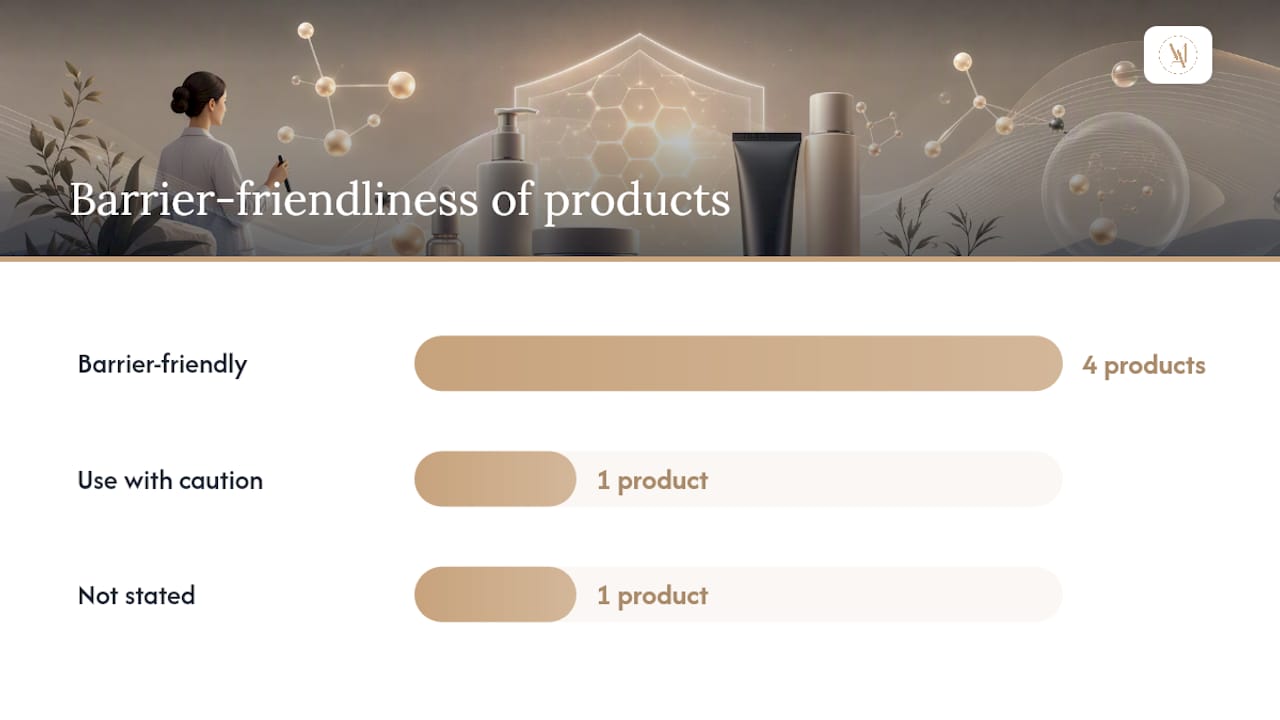
| Product | Best for | Product type | Active ingredient | Price band / UK channel | OTC / medical-grade / Rx | Barrier-friendly? |
|---|---|---|---|---|---|---|
| The M-ethod Acne Kit | Moderate or treatment-resistant acne | Clinic kit | Multiple actives (clinic-curated) | Premium / Them-ethod online | Medical-grade / prescription pathway | Yes (clinician-guided) |
| PCA Skin Acne Gel Advanced Treatment | Moderate acne; clinic follow-up | Leave-on treatment | Professional-grade actives | Premium / Them-ethod online | Medical-grade | Yes (clinic protocol) |
| Acnecide Face Wash Gel | Inflammatory acne, oily skin | Cleanser | Benzoyl peroxide (typical concentration) | £ / Boots, pharmacies | OTC | Use with caution on dry/sensitive skin |
| CeraVe Face Wash Acne Treatment | Daily cleansing, oily/acne-prone skin | Cleanser | Salicylic acid + ceramides | £ / Boots, Superdrug, Amazon | OTC | Yes |
| Skinfix Barrier+ Ceramide + Ectoin Gentle Gel Cleanser | Sensitive, acne-prone skin needing barrier repair | Cleanser | Ceramides, ectoin | ££ / Sephora, online | OTC | Yes |
| The Ordinary Salicylic Acid Anhydrous Solution | Comedonal acne (blackheads/whiteheads) | Leave-on serum | Salicylic acid 2% | £ / DECIEM, Boots, Sephora | OTC | Moderate |
| Naturium BHA Liquid Exfoliant | Blackheads, oily/congested skin | Leave-on exfoliant | Salicylic acid 2% | £ / Cult Beauty, online | OTC | Moderate |
| Hero Cosmetics Pore Release Blackhead Clearing Solution | Comedonal congestion (spot use) | Spot treatment | BHA blend | ££ / online | OTC | Moderate |
| Paula’s Choice Clear Extra Strength Daily Skin Clearing Treatment | Persistent breakouts, congested pores | Leave-on treatment | Benzoyl peroxide / BHA | ££ / Paula’s Choice UK, Sephora | OTC | Moderate |
| Differin Acne Treatment Gel (adapalene) | Comedonal and inflammatory acne prevention | Retinoid gel | Adapalene 0.1% | £ / Boots, pharmacies | OTC | Moderate (introduce slowly) |
| The Ordinary Retinol in Squalane | Experienced retinoid users, texture | Retinoid serum | Retinol 1% | £ / DECIEM, Boots | OTC | Use with caution |
| Murad Clarifying Water Gel | Oily skin with intermittent spots | Moisturiser/gel | Salicylic acid + willow bark | ££ / John Lewis, Murad UK | OTC | Yes |
| Ren Clean Skincare Clarimatte T-Zone Balancing Gel Cream | Oily T-zone with breakouts | Moisturiser | Willow bark, zinc | ££ / John Lewis, Sephora | OTC | Yes |
| Peach Slices Acne Oil-Free Moisturizer | Oily acne-prone skin needing hydration | Moisturiser | Niacinamide, hyaluronic acid | £ / online | OTC | Yes |
| Heliocare 360° Oil Free Gel SPF | Acne-prone skin on photosensitising actives | Sunscreen | Mineral + chemical filters | ££ / pharmacies, online | OTC | Yes |
| EltaMD UV Daily Facial Sunscreen SPF | Clinician-recommended daily SPF | Sunscreen | Zinc oxide + niacinamide | ££ / online, Sephora | OTC | Yes |
| Starface World Clear As Day SPF 46 Invisible Sunscreen Gel | Oily skin; matte SPF finish | Sunscreen | Chemical filters | ££ / online | OTC | Yes |
| Colorescience Total Protection Face Shield Matte SPF 50 | Daily SPF with makeup-friendly matte finish | Sunscreen | Mineral filters | £££ / online | OTC | Yes |
| Supergoop! Triple Prep Weightless Multitasking Moisturizer SPF 40 | Combined moisturiser + SPF (fewer steps) | Moisturiser + SPF | Chemical filters | ££ / Sephora, online | OTC | Yes |
| Zo Skin Health Complexion Clarifying Serum | Stubborn pigment and acne under clinician supervision | Leave-on serum | Exfoliating actives | £££ / clinic / online | Medical-grade | Clinician-guided |
| Ro Custom Rx Treatment | Remote prescription optimisation | Prescription service | Customised actives | Varies / online (US-based; check UK availability) | Prescription | Clinician-guided |
| Skin Laundry Pimple Patch | Surface blemishes, picking prevention | Spot patch | Hydrocolloid | £ / online | OTC | Yes |
| Silk’n LED Face Mask 100 | Adjunctive therapy for mild inflammatory acne | LED device | Blue/red light | £££ / online | Device (OTC) | Yes |
| Murad Clarifying Water Gel | Oily skin with intermittent breakouts | Moisturiser | Salicylic acid | ££ / John Lewis | OTC | Yes |
A few notes worth flagging. The Ordinary Retinol in Squalane is potent for its price point, but 1% retinol is a high concentration for anyone not already tolerating a retinoid. Differin (adapalene 0.1%) is the more appropriate starting retinoid for most people. Ro Custom Rx Treatment is a US-based telemedicine service; UK readers should confirm current availability before ordering. The Silk’n LED Face Mask 100 is a useful adjunct for mild inflammatory acne, though the evidence base for at-home LED devices is less robust than for topical actives.
What does a safe AM/PM acne routine look like?
Dermatologists consistently advise building around one core active rather than layering several at once. The routines below follow that principle, with a drugstore-only option and a clinic-grade upgrade.
Mild acne: OTC-only routine
AM
- Cleanse with CeraVe Face Wash Acne Treatment (salicylic acid formula).
- Apply The Ordinary Salicylic Acid Anhydrous Solution to congested areas only (not daily if skin is dry).
- Moisturise with Peach Slices Acne Oil-Free Moisturizer.
- Apply Heliocare 360° Oil Free Gel SPF as the final step.
PM
- Cleanse again with CeraVe Face Wash Acne Treatment.
- Apply Differin Acne Treatment Gel (adapalene) to the whole face, every other night initially.
- Seal with a thin layer of Peach Slices Acne Oil-Free Moisturizer.
Moderate acne: clinic-grade upgrade
AM
- Cleanse with Skinfix Barrier+ Ceramide + Ectoin Gentle Gel Cleanser.
- Apply Acnecide Face Wash Gel as a leave-on spot treatment to active lesions (or use Paula’s Choice Clear Extra Strength Daily Skin Clearing Treatment).
- Moisturise with Ren Clean Skincare Clarimatte T-Zone Balancing Gel Cream.
- Finish with Heliocare 360° Oil Free Gel SPF.
PM
- Cleanse with Skinfix Barrier+ Ceramide + Ectoin Gentle Gel Cleanser.
- Apply PCA Skin Acne Gel Advanced Treatment (available via Them-ethod) to active areas.
- Follow with Differin Acne Treatment Gel on alternate nights, separated from the PCA treatment by 20 minutes.
- Moisturise with Murad Clarifying Water Gel or Peach Slices.
Sequencing rules to remember:
- Never apply benzoyl peroxide and adapalene at the same time of day; BP can oxidise adapalene and reduce its efficacy.
- BHA exfoliants (salicylic acid) and retinoids should not be used on the same evening, especially during the first month.
- Apply SPF after moisturiser, never before, and never skip it when using retinoids or BHAs.
Pro Tip: Apply a thin layer of your regular moisturiser before Differin on the first few weeks of use. This “buffering” technique reduces flaking and stinging without meaningfully reducing the retinoid’s efficacy, and it dramatically improves how long people stick with the treatment.
Which acne-fighting ingredients actually have evidence behind them?
Understanding what is in a product is the fastest way to cut through marketing noise. The table below summarises the evidence-backed actives, their recommended UK concentrations, and what each one targets.
| Ingredient | What it treats | Recommended concentration (UK OTC) | Key usage note |
|---|---|---|---|
| Benzoyl peroxide | Inflammatory acne (kills C. acnes bacteria) | — | 2.5% is as effective as 10% with significantly less irritation; use AM |
| Adapalene (retinoid) | Comedonal and inflammatory acne, pore normalisation | 0.1% | OTC in the UK; introduce every other night; avoid in pregnancy |
| Salicylic acid (BHA) | Comedonal acne, blackheads, congested pores | — | Leave-on at 2% is the benchmark; dissolves sebum plugs inside pores |
| Niacinamide | Sebum regulation, inflammation, post-inflammatory marks | ~4% | Evidence comparable to topical antibiotics in some studies; barrier-friendly |
| Azelaic acid | Inflammatory acne, post-inflammatory hyperpigmentation | 10–20% (20% prescription) available, 10% OTC | Safe in pregnancy; gentle enough for sensitive skin |
| AHAs (glycolic/lactic acid) | Surface texture, post-inflammatory marks | 5– | Increases photosensitivity; use PM only; not for active inflamed lesions |
| Retinol | Texture, mild comedonal acne | 0.1% (start low) | Slower-acting than adapalene; The Ordinary Retinol 1% is high-strength |
| Zinc oxide (SPF) | UV protection, mild anti-inflammatory | SPF 30+ | Non-comedogenic; preferred in mineral sunscreens for acne-prone skin |
Compatibility notes:
- Benzoyl peroxide + retinoids: use at different times of day (BP in AM, retinoid in PM).
- AHAs/BHAs + retinoids: avoid on the same evening; alternate nights if using both.
- Niacinamide pairs well with almost everything and can be used AM or PM.
- Azelaic acid can be layered with niacinamide; avoid combining with strong AHAs on the same application.
Pregnancy and breastfeeding: avoid retinoids (including adapalene and retinol) and high-strength salicylic acid. Azelaic acid and topical benzoyl peroxide at lower strengths are generally considered safer, but always confirm with a GP or dermatologist before using any active during pregnancy.
How do you introduce acne actives without damaging your skin barrier?
Barrier damage is the most common reason people abandon effective treatments. Redness, tight skin, and increased breakouts are often signs of over-exfoliation or too-rapid escalation, not product failure.
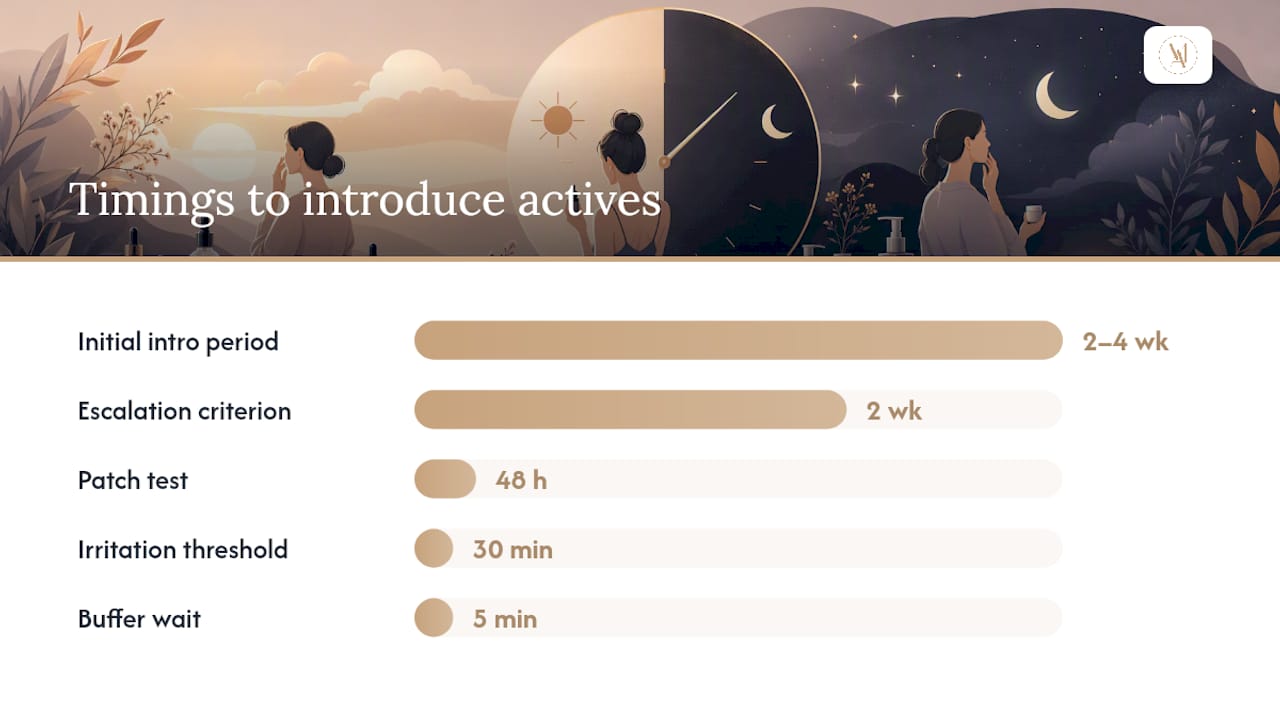
- Patch test first. Apply a small amount of the new product to the inner forearm for 48 hours before using it on the face. If there is no reaction, proceed.
- Start every other night. For retinoids and BHA leave-ons, use every other night for the first two to four weeks. Your skin’s tolerance will build faster than you expect.
- One new active at a time. Introducing two new actives in the same week makes it impossible to identify which one caused a reaction.
- Moisturise daily, even on oily skin. Skipping moisturiser triggers compensatory sebum production, which worsens breakouts. Use a lightweight, non-comedogenic formula with ceramides or hyaluronic acid.
- Apply SPF every morning without exception. Retinoids and BHAs increase photosensitivity; UV exposure also worsens post-inflammatory hyperpigmentation. A non-comedogenic, zinc-based formula such as Heliocare 360° Oil Free Gel SPF or EltaMD UV Daily Facial Sunscreen SPF is the standard recommendation for acne-prone skin.
- Escalate slowly. Move from every-other-night to nightly use only once your skin shows no signs of irritation for two consecutive weeks.
Signs you are overdoing it: persistent stinging that does not settle within 30 minutes of application, visible peeling beyond mild flaking, blistering, or a sudden increase in inflammatory lesions. If any of these appear, stop the active, restore barrier function with a gentle cleanser and ceramide moisturiser, and wait until the skin has fully settled before reintroducing at a lower frequency.
For sensitive skin, a sensitive skin care checklist can help you identify which steps to prioritise before adding any active.
Pro Tip: The buffering technique works for any retinoid, not just Differin. Apply your ceramide moisturiser, wait five minutes, then apply the retinoid on top. The moisturiser acts as a partial barrier, reducing the concentration that reaches the skin surface and cutting irritation noticeably in the first few weeks.
How we chose these products: clinical criteria and UK availability
Every product on this list was assessed against four criteria: published clinical evidence for the active ingredient at the stated concentration, UK availability (pharmacy, major retailer, or verified online clinic), suitability for the skin types described, and compatibility with a simple, barrier-protective routine.
Clinician input shaped the selection throughout. Them-ethod’s clinical team, which provides virtual skin consultations and stocks professional-grade products including PCA Skin Acne Gel Advanced Treatment, reviewed the shortlist for clinical appropriateness. Products were excluded if they lacked ingredient transparency, were unavailable to UK buyers, or carried a risk profile disproportionate to their benefit at OTC concentrations.
The evidence weighting prioritised randomised controlled trial data and published dermatology guidance over brand claims. For ingredients such as adapalene and benzoyl peroxide, clinical evidence is well-established. For devices such as the Silk’n LED Face Mask 100, the evidence base is more limited, and the product is listed as an adjunct rather than a primary treatment.
“For people who have not responded to OTC options, clinic-grade products such as PCA Skin Acne Gel Advanced Treatment offer a meaningful step up. They are formulated at professional concentrations and are best used within a supervised protocol rather than as a standalone purchase.” — Them-ethod clinical team
Prescription-only options (oral antibiotics, spironolactone, prescription-strength retinoids) are not reviewed here as retail products. They require a clinician assessment and are mentioned only to help readers understand when to seek professional care.
This article is general information, not medical advice. For persistent, severe, or rapidly worsening acne, consult a GP or qualified dermatologist.
When should you see a GP or dermatologist in the UK?
OTC products manage mild to moderate acne effectively for most people. There are situations, however, where self-care is not enough and professional assessment is the right next step.
Red flags that warrant a GP or dermatologist appointment:
- Nodular or cystic acne (deep, painful lumps that do not come to a head)
- Visible scarring developing within weeks of breakouts starting
- Acne spreading rapidly to the chest, back, or jawline in a short period
- Signs of infection: warmth, spreading redness, or pus beyond a single lesion
- Acne that has not responded to two consistent months of OTC treatment
- Systemic symptoms alongside breakouts (fever, joint pain, fatigue)
Next steps for UK readers:
- Book a GP appointment and ask specifically about a dermatology referral if OTC options have failed.
- NHS dermatology referrals are available but waiting times vary; a private dermatology consultation is an option for faster access.
- Them-ethod offers virtual skin consultations with experienced clinicians who can assess your skin, recommend a personalised protocol, and where appropriate, initiate a prescription pathway.
Prescription options commonly used in clinic include topical and oral antibiotics (short-term use), adapalene in higher-strength formulations, combined adapalene and benzoyl peroxide (such as Epiduo), spironolactone for hormonal acne in women, and isotretinoin for severe cases under specialist supervision. These are not available OTC and should only be used under clinician guidance.
Key takeaways
The most effective acne skincare routine pairs one evidence-backed active (adapalene, benzoyl peroxide, or salicylic acid) with a non-comedogenic moisturiser and daily SPF 30+, introduced gradually to protect the skin barrier.
| Point | Details |
|---|---|
| Start with one active | Choose adapalene 0.1% (Differin), benzoyl peroxide — (Acnecide), or salicylic acid 2% (The Ordinary) as your single core treatment. |
| Introduce slowly | Begin every other night and build to nightly use only once your skin tolerates the active without irritation. |
| Moisturise and protect | Use a non-comedogenic moisturiser daily and apply SPF every morning, especially when using retinoids or BHAs. |
| Escalate to clinic-grade when needed | If OTC options fail after two months, PCA Skin Acne Gel Advanced Treatment and The M-ethod Acne Kit offer a supervised step up. |
| Seek professional care for severe acne | Nodules, cysts, or rapid scarring need a GP or dermatologist assessment, not more OTC products. |
The case for starting with a clinic-backed option
There is a version of the acne conversation that goes: try everything at the chemist first, and only see a clinician when things get bad. We think that framing is back to front, at least for anyone dealing with moderate or persistent acne.
The products that work best for acne, adapalene, prescription retinoids, professional-grade benzoyl peroxide combinations, are either already available OTC in the UK or accessible through a short clinical consultation. The barrier to getting a properly matched protocol is lower than most people assume. What tends to go wrong is not a lack of products but a lack of sequencing: people layer three or four actives simultaneously, damage their barrier, and then conclude that “nothing works for my skin.”
The honest truth about the Them-ethod inclusion here is that we stock PCA Skin Acne Gel Advanced Treatment and offer The M-ethod Acne Kit because we believe clinic-grade options genuinely outperform the average OTC shelf for moderate acne, not because they are our products. The evidence for adapalene and professional-grade benzoyl peroxide formulations is strong. The evidence for most “acne-clearing” serums with proprietary blends is not. We have tried to reflect that distinction throughout this article, including recommending drugstore options like Differin and Acnecide where they are genuinely the right fit.
If you are managing mild, occasional breakouts, the OTC picks here are excellent. If your acne is persistent, inflammatory, or leaving marks, a 20-minute virtual consultation will save you months of trial and error.
Them-ethod’s clinic-backed acne support
For readers who want more than a product shortlist, Them-ethod offers a direct route to clinician-guided acne care in the UK. Virtual skin consultations with experienced clinicians are available online, covering personalised product selection, active ingredient sequencing, and where appropriate, prescription pathways for treatments not available OTC.
The M-ethod Acne Kit brings together medical-grade actives and barrier-supporting products in a clinic-curated protocol. PCA Skin Acne Gel Advanced Treatment, a professional-strength formulation used in clinic protocols, is stocked directly and available to order with UK shipping. For readers who have already worked through the OTC options on this list without the results they need, these are the logical next steps.
Browse the medical-grade skincare guide for a fuller picture of what clinic-grade regimens involve, or book a virtual consultation directly at them-ethod.com to get a protocol built around your skin.
Further reading and authoritative sources
- Nonprescription acne treatment: Which products work best? — Mayo Clinic: The most widely cited clinical summary of OTC acne actives, covering benzoyl peroxide, salicylic acid, adapalene, and evidence for each.
- Best skincare routine for acne, according to dermatologists — Cosmopolitan: Dermatologist-sourced routine advice emphasising simplicity, moisturiser necessity, and single-active introduction.
- PCA Skin Acne Gel Advanced Treatment — Them-ethod: Product page for the clinic-stocked medical-grade treatment available through Them-ethod, with ingredient and usage information.
- How to choose a medical-grade cleanser — Them-ethod: Practical guidance on selecting professional cleansers that preserve the acid mantle while treating acne-prone skin.
- Simple ingredient skincare explained — Moose’s Tallow: A useful primer on the value of minimal ingredient lists and why simpler formulations often suit reactive skin better.

,%20a%20benzoyl%20peroxide%20treatment%20(Acnecid...)