


Why choose science-backed skincare for effective results
Navigating the overwhelming world of skincare products can feel impossible when marketing claims overshadow genuine effectiveness. Many products promise transformation but lack the clinical evidence to support their bold statements. Science-backed skincare cuts through this noise by relying on proven ingredients and rigorous research to deliver visible, lasting improvements. Understanding which actives genuinely work and why they target specific skin concerns empowers you to make informed choices. This guide explores the scientific foundations of effective skincare, from ingredient mechanisms to personalised approaches that maximise results for your unique skin needs.
Table of Contents
- Understanding The Science Behind Skincare Ingredients
- How Skin Ageing Happens And Why It Matters For Your Routine
- Advanced Delivery Systems And The Rise Of Personalised Skincare
- Applying Science-Backed Skincare In Your Daily Routine
- Explore Premium Science-Backed Skincare Products
- Frequently Asked Questions About Science-Backed Skincare
Key takeaways
| Point | Details |
|---|---|
| Proven ingredients deliver results | Centella asiatica, niacinamide, and hyaluronic acid have clinical evidence supporting their effectiveness for skin repair, ageing, and hydration. |
| Understanding ageing mechanisms matters | Intrinsic genetic factors and extrinsic UV damage drive visible skin changes, making targeted ingredient selection essential. |
| Advanced delivery enhances efficacy | Nanocarriers like liposomes improve ingredient penetration and stability, whilst AI-driven personalisation optimises treatment outcomes. |
| Practical application maximises benefits | Following a stepwise routine with clinically proven actives and gradual introduction minimises irritation whilst delivering visible improvements. |
Understanding the science behind skincare ingredients
Selecting skincare products based on scientific evidence rather than marketing hype ensures you invest in formulations that genuinely improve skin health and appearance. Key actives with robust clinical support target specific concerns through well-understood biological mechanisms. Centella asiatica supports wound repair and photoageing improvement through its active metabolites, including asiaticoside and madecassoside, which stimulate collagen synthesis and reduce inflammation. This botanical ingredient demonstrates excellent tolerability across skin types whilst delivering measurable anti-ageing benefits.
Niacinamide stands out as a versatile powerhouse that improves collagen synthesis, barrier function, and pigmentation through multiple pathways. Clinical studies show this form of vitamin B3 reduces fine lines by stimulating fibroblast activity, diminishes hyperpigmentation by inhibiting melanosome transfer, and strengthens the skin barrier by increasing ceramide production. Its anti-inflammatory properties make it suitable even for sensitive or rosacea-prone skin, offering broad-spectrum benefits without irritation.
Hyaluronic acid remains essential for maintaining skin hydration and structural integrity. This naturally occurring glycosaminoglycan enhances hydration and firmness whilst reducing fine lines by binding up to 1,000 times its weight in water. Different molecular weights penetrate various skin layers, with low-molecular-weight forms reaching deeper tissues whilst high-molecular-weight variants form a protective surface film. Understanding these scientific mechanisms helps you recognise genuine efficacy beyond superficial marketing claims.
Pro Tip: Look for products listing active ingredients with their concentrations on the label, as this transparency indicates formulations designed for clinical efficacy rather than just sensory appeal.
The synergistic effects of combining evidence-based actives often exceed individual ingredient benefits. Pairing antioxidants like vitamin C with sunscreen provides enhanced photoprotection, whilst combining retinoids with hydrating agents minimises irritation. Exploring clinical skincare trends 2026 reveals how science continues advancing formulation strategies for optimal results across diverse skin concerns.
- Centella asiatica metabolites stimulate collagen whilst reducing inflammation and supporting wound healing
- Niacinamide addresses multiple ageing pathways simultaneously, from pigmentation to barrier strengthening
- Hyaluronic acid provides multi-layer hydration depending on molecular weight distribution
- Scientific understanding of these mechanisms enables targeted product selection
How skin ageing happens and why it matters for your routine
Comprehending the biological processes driving skin ageing clarifies why specific ingredients effectively target visible changes. Intrinsic genetic factors and extrinsic UV damage cause wrinkles, pigmentation, and barrier loss through distinct yet overlapping mechanisms. Intrinsic ageing involves cellular senescence, telomere shortening, and gradual decline in fibroblast activity, leading to reduced collagen and elastin production. These genetically programmed changes manifest as fine lines, loss of firmness, and decreased skin thickness over decades.
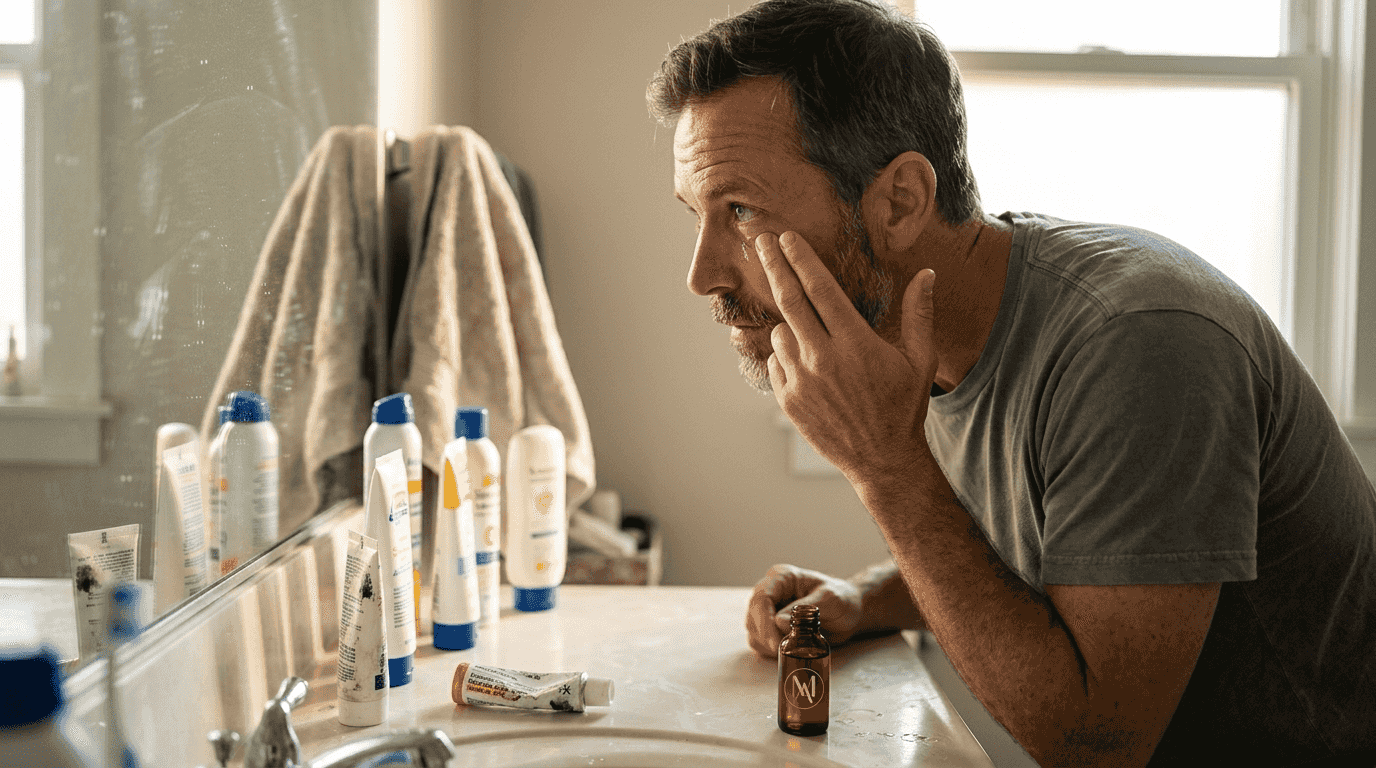
Extrinsic ageing accelerates visible deterioration through environmental insults, particularly ultraviolet radiation. Photoageing from prolonged UV exposure generates reactive oxygen species that damage cellular DNA, degrade collagen through matrix metalloproteinase activation, and trigger chronic inflammation. This process creates coarse wrinkles, irregular pigmentation, telangiectasias, and rough texture that distinguishes sun-exposed from protected skin areas. Understanding this distinction helps prioritise both corrective treatments and preventive measures.
The skin barrier’s structural integrity declines with age, compromising its protective function. Decreased epidermal thickness and collagen loss reduce the skin’s ability to retain moisture and defend against irritants, leading to increased sensitivity and inflammation. Lipid composition changes, particularly decreased ceramide levels, further impair barrier function. This deterioration explains why mature skin often becomes drier, more reactive, and slower to heal from minor injuries.
- Intrinsic ageing stems from genetic programming and cellular senescence, causing gradual collagen decline and reduced skin thickness
- Extrinsic factors, especially UV radiation, generate oxidative stress that damages DNA and accelerates visible ageing signs
- Barrier dysfunction from lipid depletion and structural changes increases sensitivity and compromises protective capacity
- Recognising these mechanisms enables selection of targeted actives that address specific ageing pathways
- Preventive strategies like broad-spectrum sun protection significantly slow extrinsic ageing progression
Targeting these distinct ageing mechanisms requires different ingredient approaches. Retinoids stimulate cellular turnover and collagen synthesis to address both intrinsic and extrinsic changes, whilst antioxidants neutralise free radicals from environmental damage. Barrier-supporting ingredients like ceramides and niacinamide restore protective function compromised by age-related lipid depletion. Staying informed through resources like skincare trends 2026 helps you adapt your routine as scientific understanding evolves and new solutions emerge.
Advanced delivery systems and the rise of personalised skincare
Innovative carrier technologies dramatically enhance how active ingredients penetrate skin layers and maintain stability. Nanocarriers like transfersomes and liposomes improve penetration and bioactive stability by encapsulating ingredients in lipid vesicles that fuse with the skin barrier. These delivery systems protect sensitive actives from degradation whilst facilitating deeper tissue penetration, significantly increasing bioavailability compared to conventional formulations. Transfersomes, being ultra-deformable, squeeze through intercellular spaces more effectively than rigid liposomes.
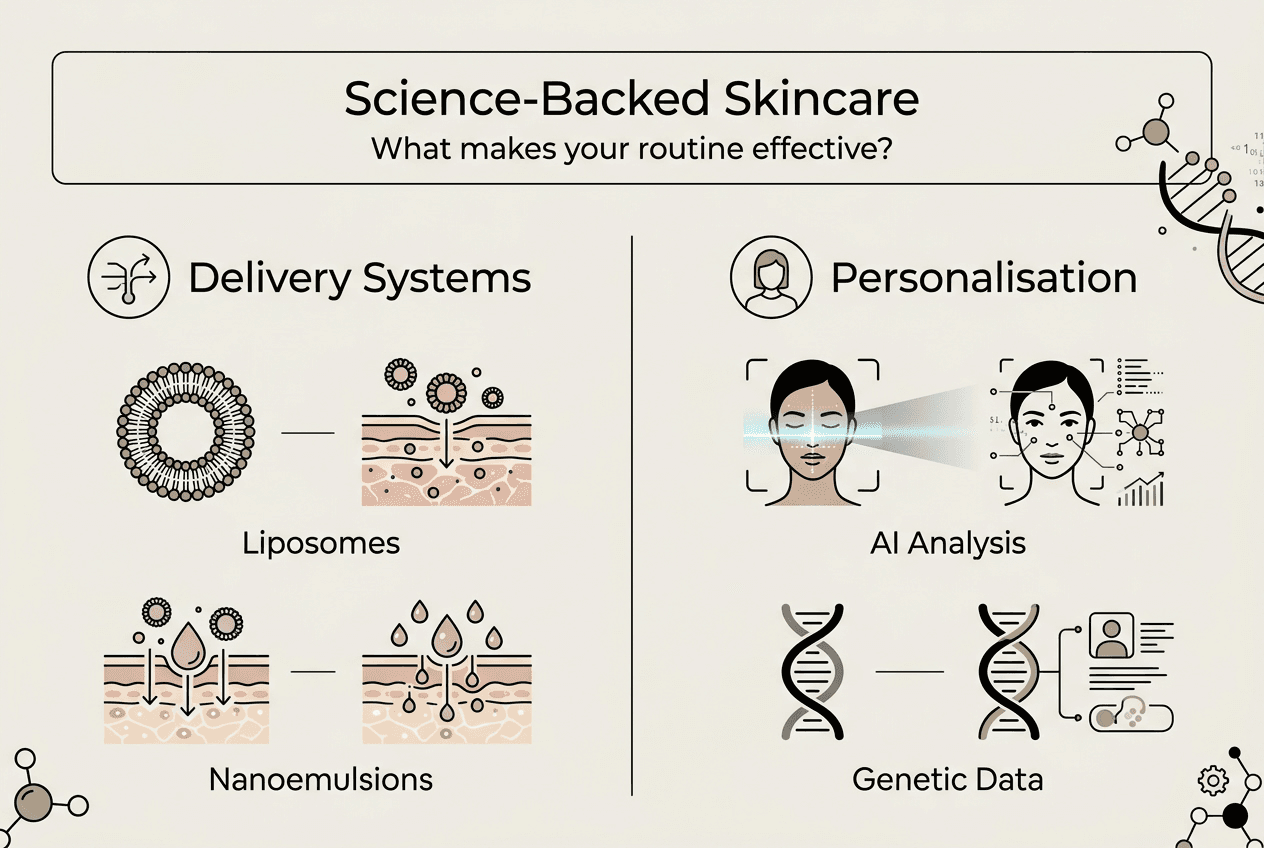
Nanoemulsions represent another sophisticated approach, creating tiny oil or water droplets stabilised by surfactants that enhance ingredient solubility and absorption. These systems improve the delivery of lipophilic actives like retinoids and fat-soluble vitamins, ensuring they reach target cells in therapeutically relevant concentrations. The reduced particle size increases surface area for absorption whilst minimising the greasy feel often associated with oil-based formulations, improving both efficacy and user experience.
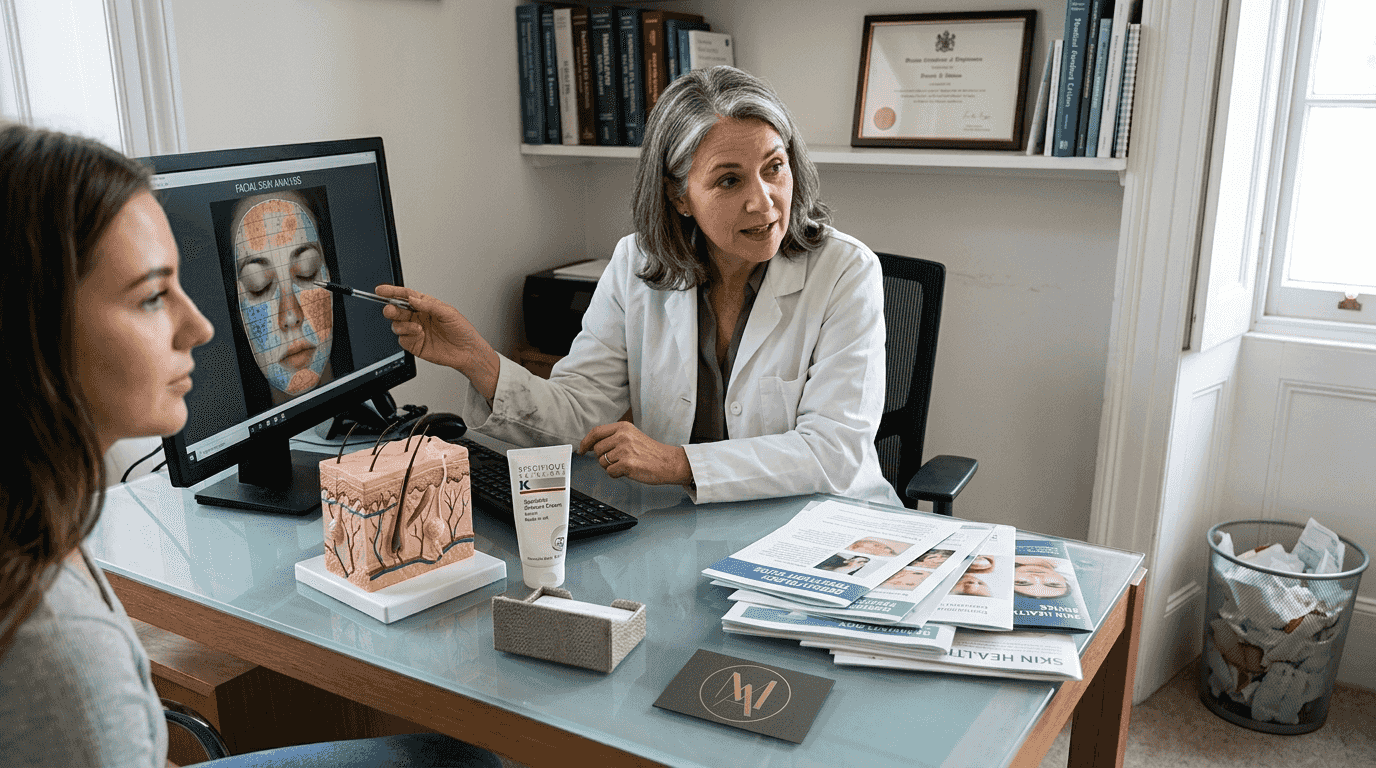
Personalised skincare powered by artificial intelligence and molecular profiling transforms the traditional one-size-fits-all approach. AI and omics integration enables personalisation tailored to genetic and skin profiles, analysing genomic data, proteomic markers, and environmental factors to recommend optimal ingredient combinations. This precision approach considers individual variations in skin metabolism, barrier function, and inflammatory responses that influence how different actives perform. Machine learning algorithms continuously refine recommendations based on treatment outcomes across diverse populations.
| Delivery System | Key Advantages | Considerations |
|---|---|---|
| Liposomes | Enhanced penetration, ingredient protection, biocompatibility | Higher cost, potential stability challenges |
| Transfersomes | Superior deformability, deeper tissue penetration | Complex manufacturing, formulation expertise required |
| Nanoemulsions | Improved solubility, pleasant texture, enhanced absorption | Surfactant sensitivity, formulation stability |
| Solid lipid nanoparticles | Controlled release, physical stability, occlusive benefits | Potential ingredient expulsion during storage |
Pro Tip: When exploring advanced formulations, patch test new products even if you have used similar ingredients before, as delivery systems can alter skin penetration and potentially increase sensitivity.
The convergence of biotechnology and dermatology enables targeted solutions addressing specific molecular pathways involved in skin ageing and disease. Peptides designed to mimic growth factors stimulate collagen production, whilst enzyme inhibitors block melanin synthesis for pigmentation control. Understanding these mechanisms helps you evaluate whether cutting-edge formulations offer genuine advantages over established actives. Resources like science-driven skincare trends 2025 explore how technology continues reshaping skincare efficacy.
- Nanocarriers protect sensitive actives whilst enhancing penetration through skin barriers
- Personalised approaches using AI analyse genetic and environmental factors for tailored recommendations
- Advanced delivery systems improve bioavailability beyond what conventional formulations achieve
- Precision skincare moves beyond generalised solutions to address individual biological variations
Supplementation strategies increasingly complement topical treatments for comprehensive skin health support. High potency supplement benefits include delivering nutrients that support collagen synthesis and antioxidant defences from within, creating synergistic effects with topical actives for enhanced overall results.
Applying science-backed skincare in your daily routine
Translating scientific knowledge into practical daily habits maximises the benefits of evidence-based ingredients whilst minimising potential irritation. Selecting products formulated with clinically proven actives forms the foundation of an effective routine. Retinoids stimulate collagen and cell turnover, improving texture and reducing wrinkles through enhanced cellular renewal and matrix remodelling. These vitamin A derivatives remain the gold standard for addressing photoageing, supported by decades of clinical research demonstrating their efficacy across diverse skin types.
Niacinamide’s versatility makes it suitable for morning and evening application. This ingredient reduces inflammation, strengthens barrier, and improves pigmentation through multiple mechanisms that complement other actives without causing irritation. Its compatibility with most ingredients, including retinoids and vitamin C, allows flexible incorporation into various routine structures. Hyaluronic acid serums applied to damp skin maximise hydration by drawing moisture into tissues, creating a plump, smooth appearance that minimises fine lines.
- Cleanse thoroughly to remove impurities without stripping natural lipids, using gentle surfactants suited to your skin type
- Apply treatment serums containing active ingredients like niacinamide, vitamin C, or peptides to address specific concerns
- Layer targeted treatments from thinnest to thickest consistency, allowing each to absorb before applying the next
- Moisturise to seal in actives and support barrier function with ceramides, fatty acids, and occlusive agents
- Protect with broad-spectrum SPF 30 or higher every morning, as UV exposure undermines corrective treatments
- Introduce potent actives like retinoids gradually, starting twice weekly and increasing frequency as tolerance builds
Pro Tip: Begin retinoid use with a low concentration like 0.25% retinol or 0.01% tretinoin applied every third night, gradually increasing frequency over 4 to 6 weeks to build tolerance and minimise irritation whilst achieving optimal results.
Avoiding ingredients lacking scientific support prevents wasted investment and potential adverse reactions. Whilst some botanical extracts offer genuine benefits, many trendy additives provide no measurable improvement beyond placebo effects. Prioritise formulations transparent about active concentrations and supported by peer-reviewed research rather than anecdotal testimonials. Products like intensive age refining treatment exemplify clinically formulated solutions with proven retinol concentrations designed for visible anti-ageing results.
- Choose products listing active ingredient concentrations for transparency about therapeutic dosing
- Apply actives to slightly damp skin to enhance penetration and distribution
- Wait 20 to 30 minutes after cleansing before applying retinoids to minimise irritation
- Use antioxidant serums in the morning for enhanced photoprotection when combined with sunscreen
- Store products in cool, dark locations to maintain active ingredient stability
Maximising absorption involves proper application techniques and timing. Gentle massage during serum application increases microcirculation without causing irritation, whilst layering products from lightest to heaviest ensures each penetrates effectively. Consistency matters more than product quantity, as regular use of evidence-based actives delivers cumulative benefits that become increasingly visible over months. Patience remains essential, as cellular turnover and collagen remodelling require sustained treatment periods to manifest noticeable improvements.
Explore premium science-backed skincare products
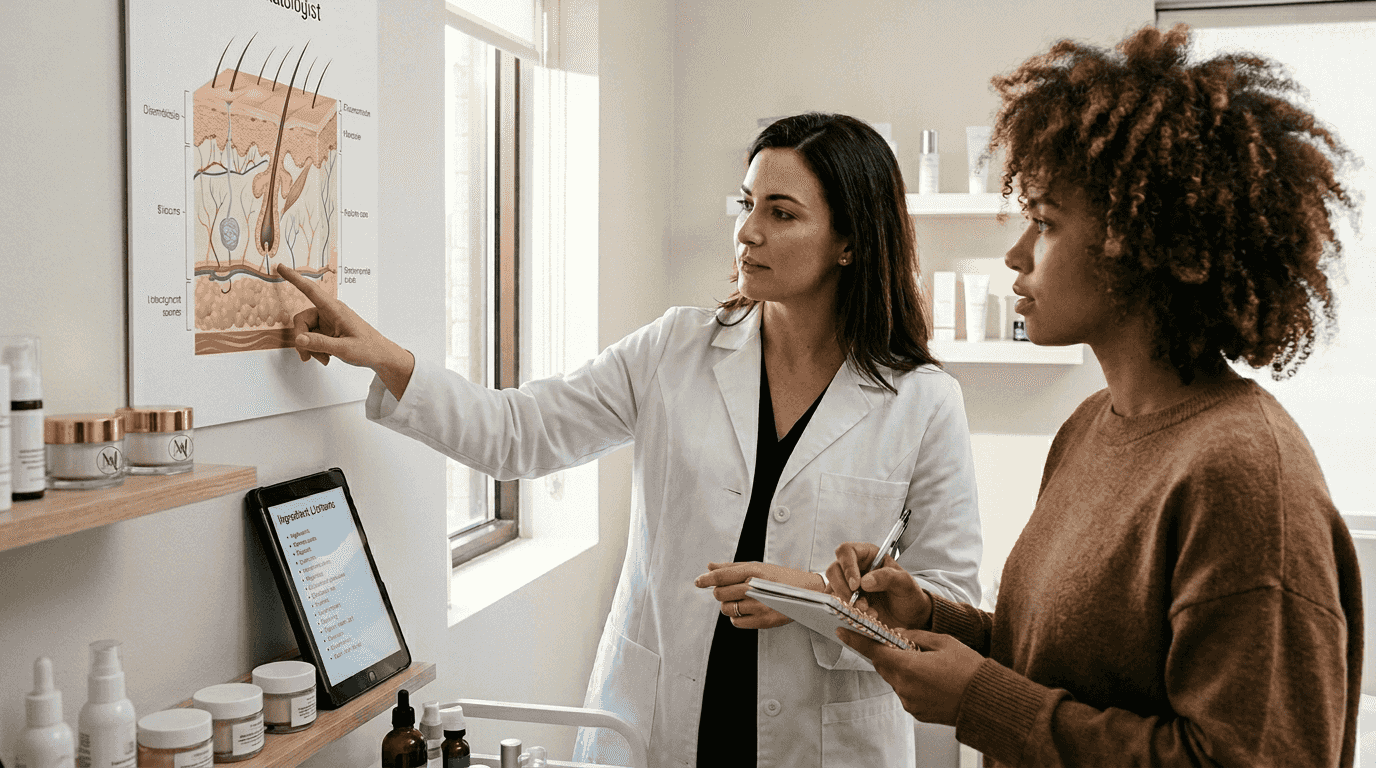
Discover clinically formulated solutions designed to deliver measurable results through proven active ingredients and advanced delivery systems. Premium formulations featuring retinoids, niacinamide, peptides, and botanical actives address diverse concerns from acne to photoageing with pharmaceutical-grade efficacy. Products like PCA Clearskin acne treatment serum combine salicylic acid with niacinamide for comprehensive acne management, whilst intensive eye therapy NEOSTRATA targets periorbital ageing through peptide technology and antioxidants. Gentle yet effective options like NEOSTRATA exfoliating wash provide daily exfoliation without irritation. Expert guidance through personalised consultations ensures you select treatments aligned with your specific skin biology and concerns, maximising results whilst minimising trial and error.
Frequently asked questions about science-backed skincare
What does ‘science-backed’ skincare mean?
Science-backed skincare refers to products formulated with ingredients proven effective through peer-reviewed clinical studies and rigorous testing. These formulations rely on documented mechanisms of action rather than marketing claims, ensuring actives deliver measurable improvements in skin health and appearance. The approach prioritises evidence over trends, focusing on ingredients with established safety profiles and reproducible results across diverse populations.
How can I identify effective skincare ingredients?
Look for products listing active ingredients with their concentrations, as transparency indicates formulations designed for clinical efficacy. Research key actives like retinoids, niacinamide, vitamin C, and peptides through reputable dermatology sources to understand their mechanisms and evidence base. Avoid products making exaggerated claims without supporting clinical data, and prioritise brands committed to third-party testing and ingredient stability. Consulting with skincare professionals helps interpret ingredient lists and select options suited to your specific concerns.
Are science-backed products suitable for sensitive skin?
Many evidence-based ingredients like niacinamide, Centella asiatica, and hyaluronic acid demonstrate excellent tolerability even for sensitive skin types. The key lies in proper formulation, appropriate concentrations, and gradual introduction of potent actives. Science-backed approaches often prove gentler than unregulated products containing irritating fragrances or essential oils lacking efficacy data. Starting with lower concentrations and patch testing new products minimises adverse reactions whilst allowing you to benefit from proven actives.
Can personalised skincare improve results?
Personalised approaches using genetic, proteomic, and environmental data significantly enhance treatment outcomes by addressing individual biological variations. Skin metabolism, barrier function, and inflammatory responses vary considerably between individuals, affecting how different actives perform. AI-driven analysis identifies optimal ingredient combinations and concentrations tailored to your unique profile, reducing trial and error whilst accelerating visible improvements. This precision approach represents the future of dermatology, moving beyond generalised recommendations to targeted solutions.
How long before I see benefits from using science-backed skincare?
Timelines vary depending on the concern addressed and active ingredients used. Hydrating ingredients like hyaluronic acid provide immediate plumping effects, whilst barrier-supporting actives show improvements within 2 to 4 weeks. Anti-ageing treatments requiring collagen remodelling, such as retinoids, typically demonstrate visible results after 8 to 12 weeks of consistent use. Pigmentation correction may require 12 to 16 weeks as melanin-containing cells gradually shed. Patience and consistency remain essential, as cumulative benefits increase over months of sustained treatment.