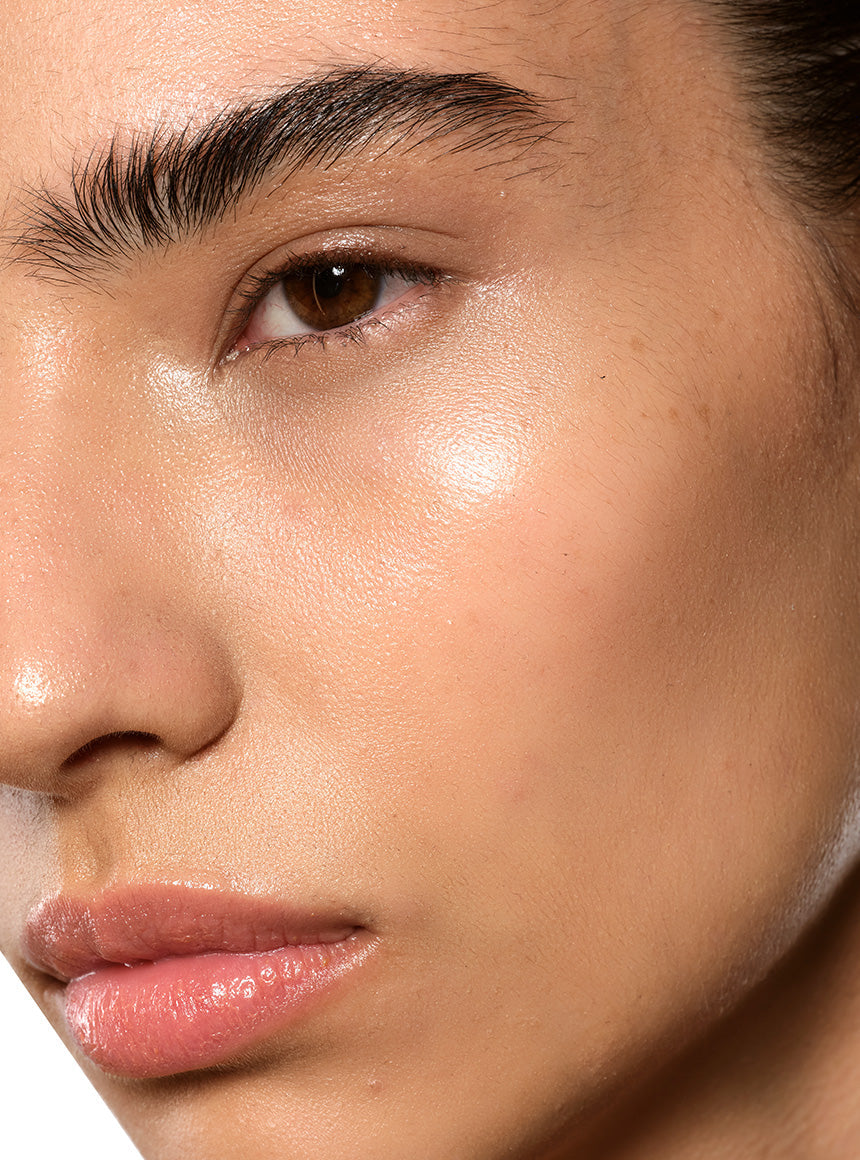




Άρθρο: Skincare myths debunked 2026: what you need to know

Skincare myths debunked 2026: what you need to know
TL;DR:
- Many skincare myths persist because they seem logical but are scientifically incorrect and can harm the skin. Moisturizing is essential for all skin types, including oily skin, to maintain healthy hydration and regulate oil production. Over-exfoliating and layering active ingredients can damage the skin barrier, and natural ingredients are not always safer than synthetic options.
Many widely accepted skincare beliefs are factually incorrect and can actively damage your skin. From the conviction that oily skin needs no moisturiser to the idea that expensive products always outperform budget ones, these common skincare misconceptions persist because they sound logical on the surface. Social media accelerates the spread of misunderstood skincare practices, making it harder to separate science from trend. This article addresses the top skincare myths circulating in 2026, corrects them with evidence-backed facts, and gives you practical guidance to build a routine that genuinely works for your skin.
1. Skincare myths debunked 2026: oily skin still needs moisturiser
All skin types, including oily skin, require moisturiser to maintain a healthy hydration balance. When you skip moisturiser, your skin compensates by producing excess sebum, which increases oiliness and can worsen breakouts. The goal is not to eliminate oil but to regulate it.
The right product makes all the difference here. Oil-free or gel-based moisturisers containing hyaluronic acid or niacinamide hydrate without clogging pores. Dermatologists consistently recommend lightweight, non-comedogenic formulas for oily and combination skin types.
- Choose gel or water-based moisturisers rather than rich creams
- Look for ingredients like hyaluronic acid, glycerin, or niacinamide
- Apply moisturiser morning and evening, even if your skin feels oily
- Avoid alcohol-heavy toners that strip the skin and trigger rebound oiliness
Pro Tip: If your skin feels tight after cleansing, that is a sign your barrier is dehydrated, not that it is clean. Apply a lightweight moisturiser within 60 seconds of washing your face to lock in residual moisture.
2. Acne is not caused by poor hygiene

Acne is caused by clogged hair follicles and inflammation, not by dirtiness. Over-scrubbing the skin in an attempt to “clean away” acne actually worsens the condition by stripping the skin barrier and triggering more inflammation. This is one of the most damaging skincare tips and myths still circulating widely.
Effective acne management relies on gentle cleansing, targeted actives like salicylic acid or benzoyl peroxide, and consistency. Harsh physical scrubs and over-washing disrupt the microbiome and leave skin more vulnerable to bacterial imbalance.
Eczema is another widely misunderstood skin condition. Eczema affects 1 in 5 children and 1 in 10 adults and is not contagious. That statistic matters because stigma around eczema often leads people to avoid contact with those who have it, which is both unfounded and harmful.
- Cleanse twice daily with a gentle, pH-balanced cleanser
- Use salicylic acid or benzoyl peroxide as targeted treatments, not all-over scrubs
- Avoid touching your face throughout the day to reduce bacterial transfer
- Consult a dermatologist if breakouts persist despite a consistent routine
3. Natural does not mean safe, and expensive does not mean better
Natural skincare ingredients can cause irritation or allergic reactions despite being perceived as gentler or safer. Essential oils, citrus extracts, and certain plant-based actives are among the most common contact allergens in skincare. The word “natural” on a label is a marketing term, not a safety guarantee.
Price is equally unreliable as a quality indicator. A £10 moisturiser containing ceramides and fatty acids will outperform a £100 cream built around fragrance and filler ingredients. What matters is the formulation, the concentration of active ingredients, and whether those ingredients suit your specific skin type.
| Product type | Potential benefit | Potential risk |
|---|---|---|
| Natural/botanical | Antioxidant-rich, often fragrant | Allergens, photosensitivity, variable potency |
| Synthetic/clinical | Stable, tested concentrations | May contain preservatives some skin types react to |
| Budget formulas | Cost-effective actives like niacinamide | Fewer clinical trials, variable quality control |
| Premium formulas | Advanced delivery systems, clinical backing | Price does not guarantee efficacy |
Pro Tip: Before committing to a new product, patch test it on your inner arm for 48 hours. This applies to natural and synthetic products equally.
4. Sunscreen is not optional on cloudy days or indoors
UV rays penetrate clouds and glass, which means your skin is exposed to UVA radiation even when you are sitting by a window or driving on an overcast day. Daily sunscreen use is the single most evidence-backed step for preventing premature skin ageing and reducing skin cancer risk, regardless of season or weather.
Myths about SPF numbers also persist. SPF 30 blocks approximately 97% of UVB rays, while SPF 50 blocks approximately 98%. The difference is marginal, but the amount you apply matters far more than the number on the bottle. Most people apply far less than the recommended amount, which significantly reduces the actual protection they receive.
- Apply a broad-spectrum SPF 30 or higher every morning as the final step in your routine
- Reapply every two hours if you are outdoors, sweating, or swimming
- Use a separate sunscreen rather than relying solely on SPF in foundation or moisturiser
- UVA rays cause collagen breakdown and pigmentation; UVB rays cause burning. You need protection from both.
5. Hyaluronic acid does not work the way most people think
Hyaluronic acid is one of the most overhyped ingredients in skincare, and its mechanism is widely misunderstood. Topical hyaluronic acid acts primarily as a surface hydrator and cannot penetrate deeply into the dermis in the way that marketing often implies. Its molecules are too large to pass through the skin barrier in most standard formulations.
The more counterintuitive fact is that hyaluronic acid can actually draw moisture out of the deeper layers of your skin in low-humidity environments if it is not sealed with an occlusive. Without an occlusive layer, HA can cause dryness rather than relieve it. Apply it to damp skin and follow immediately with a moisturiser or barrier cream to seal in the hydration it attracts.
This is a 2026 skincare fact that surprises many people who have been using hyaluronic acid serums for years without understanding why their skin still feels dry.
6. Over-exfoliation and active layering damage your skin barrier
Limit physical exfoliation to 1–3 times per week to avoid compromising the skin barrier. Over-exfoliation leads to sensitivity, redness, and worsens conditions like acne and rosacea. The skin barrier is not a problem to scrub away. It is the foundation of healthy skin.
Using too many active ingredients simultaneously without planned rest periods compounds this damage. Retinol, vitamin C, AHAs, and BHAs are all effective individually, but stacking them without downtime overwhelms the skin’s ability to recover. This is one of the most common misunderstood skincare practices driven by viral social media routines.
Many people prioritise trending actives over ceramides and fatty acids, which are the ingredients that actually repair and maintain the barrier. Ceramides restore the lipid matrix. Fatty acids reinforce the skin’s protective layer. Humectants like glycerin draw water into the skin. These are the foundations of a healthy routine, not optional extras.
| Barrier repair ingredient | Role in skin health |
|---|---|
| Ceramides | Restore lipid matrix and reduce water loss |
| Fatty acids | Reinforce the protective skin layer |
| Glycerin | Draws water into the skin (humectant) |
| Niacinamide | Reduces inflammation and supports barrier function |
Key takeaways
Correcting common skincare misconceptions requires replacing social media trends with evidence-backed ingredient knowledge and consistent, barrier-focused routines.
| Point | Details |
|---|---|
| Oily skin needs moisture | Skipping moisturiser triggers excess sebum; use a lightweight, oil-free formula daily. |
| Acne is not a hygiene issue | Clogged follicles and inflammation cause acne; over-scrubbing worsens the condition. |
| Natural is not always safe | Botanical ingredients can cause allergic reactions; always patch test new products. |
| Sunscreen is a daily non-negotiable | UV rays penetrate clouds and glass; apply SPF 30 or higher every morning. |
| Barrier care comes first | Ceramides, fatty acids, and glycerin outperform trendy actives for long-term skin health. |
What I have learned from seeing myth-driven skin damage in clinic
The most consistent pattern I see is people arriving with a compromised skin barrier caused not by neglect, but by doing too much. They have followed a ten-step routine built around retinol, acids, and vitamin C, and their skin is raw, reactive, and confused. The irony is that the more effort they put in, the worse the results became.
Viral social media advice frequently worsens skin conditions that require professional consultation to resolve. A dermatologist or trained clinician can identify whether your skin is sensitised, dehydrated, or dealing with a condition like rosacea that mimics other concerns. Treating the wrong problem with the wrong products is expensive and damaging.
My honest view is that the focus on trendy actives overshadows foundational barrier care that produces real, lasting results. Ceramides and a consistent SPF routine will do more for your skin over five years than any viral serum. The best skincare routine is the one built around your individual skin, not the one trending on social media this week.
If you have persistent concerns, a personalised consultation with a qualified clinician is the most reliable step you can take. Skin is individual. Treat it that way.
— Jess
Science-backed skincare at Them-ethod
At Them-ethod, we work with dermatologist-recommended products and clinicians who understand that healthy skin starts with barrier integrity, not trend-chasing. Our skin barrier repair range includes formulations built around ceramides, fatty acids, and clinically tested actives that address real skin concerns rather than marketing claims. Whether you are managing acne, pigmentation, or sensitivity, our virtual skin consultations connect you with top clinicians who build routines around your skin, not a one-size-fits-all approach. For further reading on what actually works in 2026, our skincare trends guide covers the science behind the year’s most credible advances. Visit Them-ethod to find products and expert guidance matched to your skin’s specific needs.
FAQ
Does oily skin really need moisturiser?
Yes. Skipping moisturiser causes the skin to overproduce sebum as a compensatory response, increasing oiliness. Use a lightweight, oil-free or gel formula daily.
What actually causes acne if not poor hygiene?
Acne results from clogged hair follicles and inflammation, not dirtiness. Over-washing and scrubbing worsen the condition by damaging the skin barrier.
Is hyaluronic acid always good for dry skin?
Not without a sealing step. Applied without an occlusive in a dry environment, hyaluronic acid can draw moisture from deeper skin layers and cause dryness rather than relieve it.
How often should you exfoliate?
Physical exfoliation should be limited to 1–3 times per week. More frequent exfoliation damages the skin barrier and can worsen acne, rosacea, and sensitivity.
Are natural skincare products safer than synthetic ones?
No. Natural ingredients including essential oils and citrus extracts are among the most common contact allergens in skincare. Safety depends on formulation and your individual skin, not the source of the ingredient.