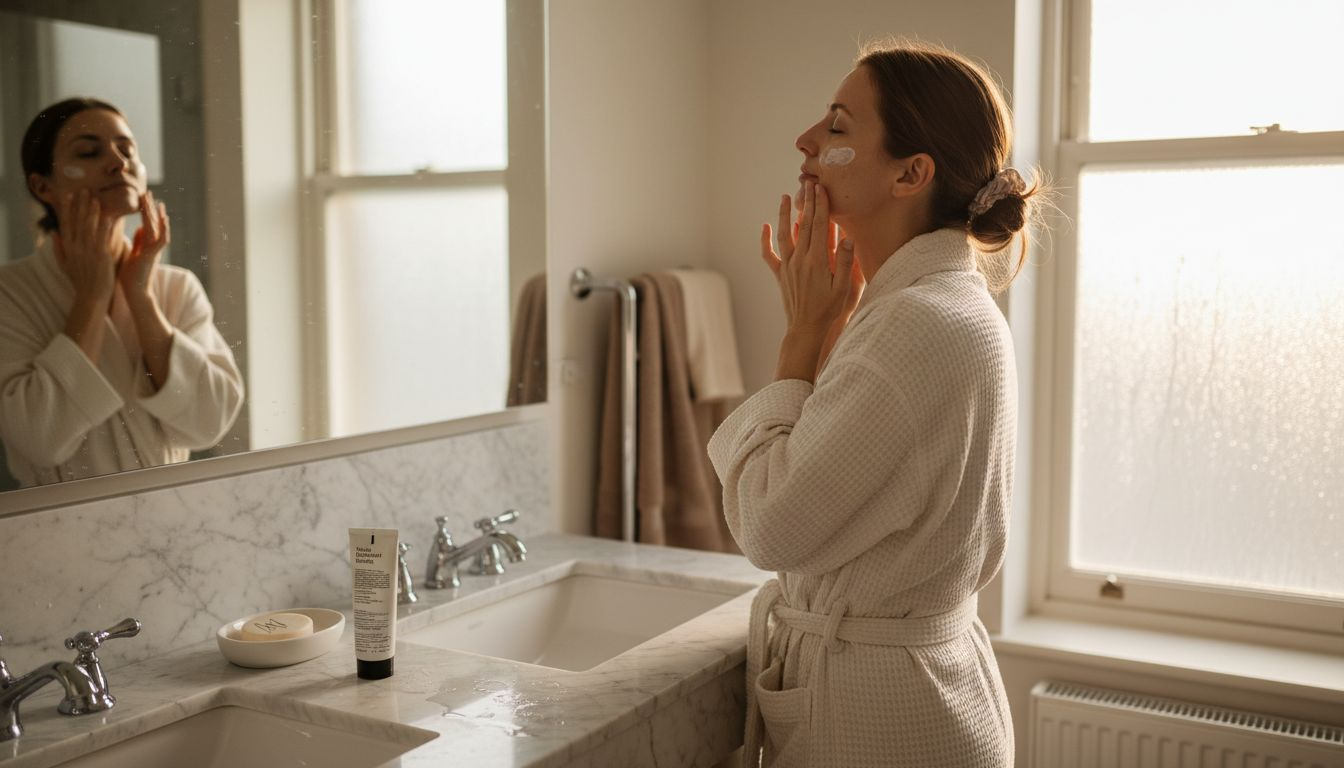

Άρθρο: Professional skincare regimen guide for aging, pigmentation & acne

Professional skincare regimen guide for aging, pigmentation & acne
You’ve invested in expensive serums and creams, yet your skin still shows stubborn signs of aging, pigmentation, or acne. The problem isn’t your commitment, it’s the lack of personalisation. Medical-grade professional regimens tailored to your specific concerns deliver dramatically superior results compared to generic routines. This guide reveals exactly how to implement clinically proven skincare protocols that actually work.
Table of Contents
- Prerequisites For Starting A Professional Skincare Regimen
- Step-By-Step Skincare Regimen For Aging Skin
- Step-By-Step Skincare Regimen For Pigmentation
- Step-By-Step Skincare Regimen For Acne
- Common Mistakes And Troubleshooting In Professional Regimens
- Expected Results And Outcome Benchmarks
- Safety Considerations And Alternative Approaches
- Discover Your Tailored Professional Skincare Solutions
- Frequently Asked Questions
Key takeaways
| Point | Details |
|---|---|
| Professional regimens deliver superior outcomes | Medical-grade personalised protocols targeting aging, pigmentation, and acne produce significantly better results than over-the-counter generic routines. |
| Assessment and sun protection are essential prerequisites | Proper dermatologist consultation and daily broad-spectrum SPF 30+ application form the foundation of any effective professional skincare regimen. |
| Step-by-step protocols exist for each concern | Specific morning and evening routines using medical-grade actives like retinoids, hydroquinone, and niacinamide address aging, pigmentation, and acne effectively. |
| Common mistakes reduce regimen effectiveness | Over-exfoliation, incorrect layering of incompatible actives, and inconsistent sun protection significantly compromise treatment results. |
| Visible improvements appear within 8 to 12 weeks | With consistent adherence to professional regimens, noticeable skin improvements typically manifest within approximately three months of treatment. |
Introduction to professional skincare regimens
Professional skincare operates at a fundamentally different level than over-the-counter products. Medical-grade formulations contain significantly higher concentrations of active ingredients, backed by clinical validation and regulatory approval. These products require careful application protocols and often professional supervision to maximise benefits whilst minimising irritation.
Personalised regimens tailored to individual skin concerns consistently outperform generic approaches. Your skin’s unique characteristics, concerns, and sensitivity levels demand bespoke solutions. A professional regimen for aging skin differs markedly from one designed for pigmentation or acne, though some overlap exists in foundational principles.
Key actives include retinoids for collagen production and cell renewal visible in 8 to 12 weeks, hydroquinone for melanin reduction, niacinamide for barrier support and inflammation control, and vitamin C for antioxidant protection. Understanding these ingredients allows informed decisions about your routine.
Medical-grade skincare differs from shop-bought alternatives in several ways:
- Higher active ingredient concentrations proven in clinical trials
- Pharmaceutical-grade manufacturing standards ensuring purity and stability
- Professional guidance required for safe and effective application
- Targeted formulations addressing specific skin pathologies
- Superior penetration technology delivering actives to deeper skin layers
The M-ethod approach emphasises medical supervision combined with premium formulations. This integration ensures you receive both expert guidance and clinically effective products tailored to your specific concerns.
Prerequisites for starting a professional skincare regimen
Before beginning any medical-grade routine, proper preparation ensures optimal results and minimises adverse reactions. Consultation with a qualified dermatologist or skincare specialist provides essential personalised assessment. They evaluate your skin type, identify concerns, and recommend appropriate actives and concentrations.
Basic tools and products form your regimen foundation:
- Gentle, non-stripping cleanser suitable for your skin type
- Quality moisturiser with barrier-supporting ingredients like ceramides
- Broad-spectrum SPF 30+ for daily sun protection
- Prescription or medical-grade actives recommended by your specialist
- Clean application tools including soft cloths and spatulas
Understanding ingredient labels proves crucial for avoiding sensitising components and recognising effective formulations. Learn to identify active ingredient concentrations, preservatives that may trigger reactions, and potential irritants like fragrance or essential oils. This knowledge empowers informed product selection.
Following a step-by-step skin routine systematically builds healthy skin foundations before introducing powerful actives. Rushing into strong formulations without proper preparation often causes irritation and discouragement.
Pro Tip: Keep a detailed skin diary tracking product introduction dates, application frequency, and any reactions or improvements. This record proves invaluable during follow-up consultations, helping your clinician adjust protocols for optimal outcomes.
Step-by-step skincare regimen for aging skin
Aging skin requires targeted intervention addressing collagen loss, fine lines, wrinkles, and loss of elasticity. A comprehensive morning and evening routine provides continuous support for cellular renewal and protection.
Morning routine:
- Cleanse gently with a cream or gel cleanser that doesn’t strip natural oils.
- Apply antioxidant serum containing stable vitamin C to neutralise free radicals and brighten skin.
- Follow with hydrating moisturiser containing peptides and hyaluronic acid for plumpness.
- Finish with broad-spectrum SPF 30+ to prevent further photodamage and aging acceleration.
Evening routine:
- Double cleanse if wearing makeup, starting with oil-based then water-based cleanser.
- Apply prescription tretinoin or R-Retinoate formulations to stimulate collagen production and accelerate cell turnover.
- Wait 20 minutes before applying barrier-repair moisturiser with ceramides and niacinamide.
- Add targeted eye cream addressing fine lines and dark circles.
Retinoids represent the gold standard for anti-aging through collagen stimulation, though they require gradual introduction. Begin with application twice weekly, increasing slowly to nightly use as tolerance builds. Always avoid the immediate eye area unless using a specific eye retinoid formulation.
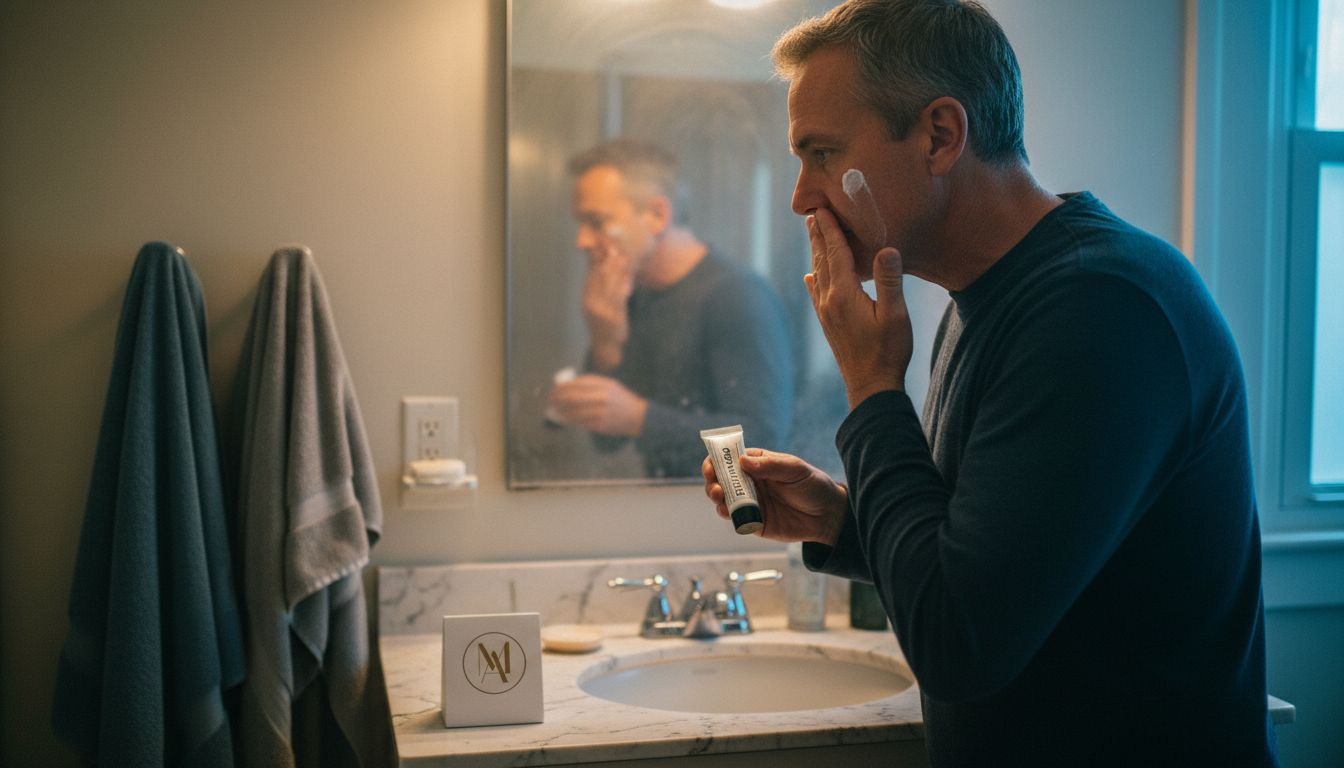
Exfoliation supports retinoid efficacy but requires restraint. Limit gentle acid exfoliation to two or three times weekly maximum. Over-exfoliating compromises your skin barrier, increasing sensitivity and reducing treatment effectiveness.
Step-by-step skincare regimen for pigmentation
Pigmentation disorders including melasma, post-inflammatory hyperpigmentation, and sun damage demand strict protocols combining active treatment with rigorous sun protection. Identifying your specific pigmentation type through professional assessment ensures appropriate intervention.
Comprehensive pigmentation protocol:
- Begin with thorough dermatologist evaluation identifying pigmentation depth and type.
- Start prescription tretinoin gradually, building tolerance before introducing hydroquinone.
- Apply hydroquinone 4% for maximum 12 weeks, then take a mandatory break to prevent ochronosis.
- Incorporate niacinamide serum mornings to inhibit melanin transfer and reduce inflammation.
- Add tranexamic acid serum targeting stubborn pigmentation resistant to other treatments.
- Exfoliate gently two to three times weekly using lactic or mandelic acid for surface pigment removal.
- Apply professional pigment solutions as directed by your clinician.
- Use broad-spectrum SPF 30+ every morning without exception, reapplying every two hours outdoors.
Sun protection proves absolutely critical for pigmentation treatment. Daily SPF 30+ reduces progression by over 50%, whilst inconsistent protection causes rapid relapse. Consider mineral sunscreens containing zinc oxide or titanium dioxide, which provide physical UV barriers without potential irritation from chemical filters.
Layering order matters significantly for pigmentation treatments. Apply thinnest to thickest consistency, allowing each product to absorb before adding the next. Wait at least five minutes between active applications to prevent interaction and ensure proper penetration.
Step-by-step skincare regimen for acne
Acne management combines antibacterial action, pore clearance, and inflammation reduction through medical-grade actives and professional procedures. Consistency and patience prove essential, as visible improvements require several weeks of diligent application.
Morning acne routine:
- Cleanse with salicylic acid or benzoyl peroxide wash targeting bacterial overgrowth.
- Apply lightweight niacinamide serum reducing inflammation and sebum production.
- Use oil-free, non-comedogenic moisturiser maintaining hydration without clogging pores.
- Finish with mattifying SPF 30+ formulated specifically for acne-prone skin.
Evening acne routine:
- Cleanse thoroughly removing makeup, sunscreen, and daily debris.
- Apply topical retinoid like adapalene or tretinoin promoting cell turnover and preventing comedones.
- Wait 20 minutes before applying PCA Clearskin serum targeting active breakouts.
- Use lightweight moisturiser preventing over-drying that triggers compensatory oil production.
Retinoids and benzoyl peroxide should never mix in the same routine step, as combining them reduces retinoid efficacy and increases irritation risk. If using both, apply benzoyl peroxide mornings and retinoids evenings for optimal results.
Professional chemical peels administered under clinical supervision provide adjunctive benefits for stubborn acne. Salicylic acid peels penetrate pores effectively, whilst mandelic acid suits sensitive skin better. These treatments accelerate clearance when combined with home regimens.
Pro Tip: Introduce retinoids at the lowest effective concentration, applying every third night initially. Gradually increase frequency over four to six weeks, allowing your skin to build tolerance and minimising purging severity.
Visible acne improvements with medical-grade treatments typically appear within 8 to 12 weeks of consistent application.
Common mistakes and troubleshooting in professional regimens
Even with quality products and professional guidance, execution errors significantly compromise results. Understanding these pitfalls helps you avoid setbacks and maintain progress.
Over-exfoliation represents the most common mistake. Daily acid application or aggressive scrubbing damages your skin barrier, causing increased sensitivity, inflammation, and delayed healing. Limit exfoliation to two or three times weekly maximum, using gentle formulations appropriate for your skin type.
Incorrect layering mixes incompatible actives, reducing efficacy or causing irritation. Benzoyl peroxide oxidises retinoids, rendering them ineffective. Vitamin C at low pH conflicts with niacinamide in older formulations. Research ingredient interactions or consult your clinician before combining new products.
Neglecting daily sun protection sabotages all treatment efforts. UV exposure triggers melanin production, worsening pigmentation and accelerating aging despite active treatment. Broad-spectrum SPF 30+ application every morning proves non-negotiable, regardless of weather or indoor plans.
Common mistakes include barrier damage from over-exfoliating, inconsistent sun protection causing pigmentation relapse, and improper layering reducing active efficacy. These errors delay results and potentially worsen skin concerns.
Additional troubleshooting considerations:
- Introducing multiple new actives simultaneously makes identifying irritation sources impossible
- Applying retinoids to damp skin increases penetration and irritation risk significantly
- Skipping moisturiser when using actives compounds dryness and sensitivity
- Expecting overnight results leads to premature product abandonment
“Patience and consistency determine professional regimen success more than product selection. Most visible improvements require at least eight weeks of diligent application before becoming apparent.”
If you experience persistent irritation, reduce active frequency rather than stopping entirely. Building your routine naturally allows gradual tolerance development whilst maintaining progress.
Expected results and outcome benchmarks
Realistic expectations prevent discouragement and premature treatment abandonment. Professional regimens deliver significant improvements, but timelines vary based on concern severity, product potency, and individual response.
Fine lines and wrinkles show visible reduction within 8 to 12 weeks of consistent retinoid use. Deeper wrinkles require longer treatment, often six months or more for substantial improvement. Skin texture and radiance improve earlier, often within four to six weeks.
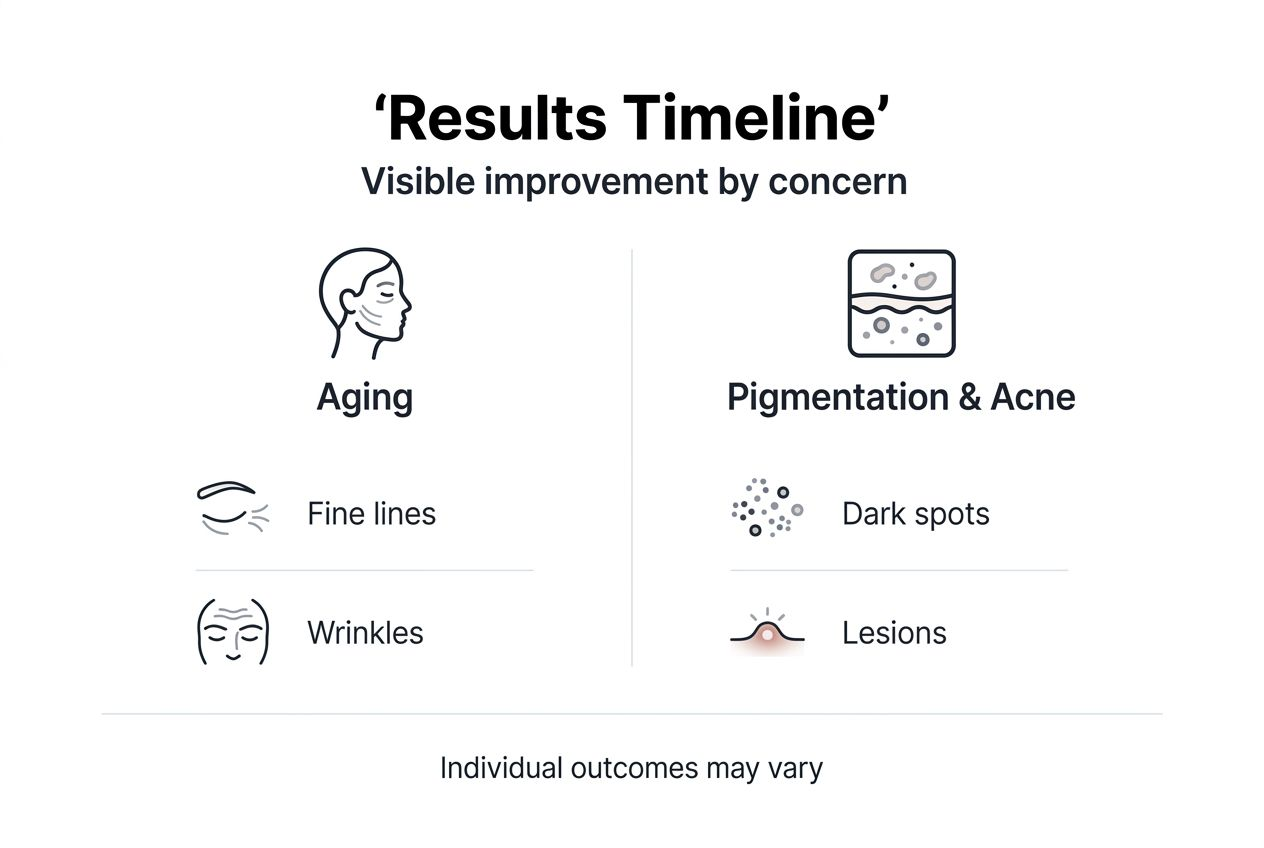
Pigmentation evenness typically improves after approximately three months of prescription hydroquinone combined with rigorous sun protection. Superficial pigmentation responds faster than deep dermal melanin. Maintenance therapy prevents recurrence after initial clearance.
Acne lesion reduction and inflammation decrease occur within 8 to 12 weeks of regular medical-grade treatment. Initial purging may worsen appearance temporarily before improvement begins. Post-inflammatory hyperpigmentation fades more slowly, requiring dedicated pigmentation protocols.
| Skin Concern | Initial Improvement | Significant Results | Maintenance Required |
|---|---|---|---|
| Fine lines and wrinkles | 4 to 6 weeks | 8 to 12 weeks | Ongoing retinoid use |
| Pigmentation disorders | 6 to 8 weeks | 12 to 16 weeks | Daily SPF, periodic treatments |
| Active acne lesions | 4 to 6 weeks | 8 to 12 weeks | Continued topical therapy |
| Skin texture and tone | 3 to 4 weeks | 8 to 10 weeks | Regular exfoliation, actives |
| Post-inflammatory marks | 8 to 10 weeks | 16 to 24 weeks | Pigmentation protocol, sun protection |
Ongoing maintenance proves essential for sustaining results. Discontinuing effective treatments often causes rapid regression, particularly for pigmentation and acne. Consider professional regimens lifelong commitments rather than temporary interventions.
Individual variation affects timelines significantly. Genetics, age, lifestyle factors, and concern severity all influence treatment response. Regular professional monitoring allows protocol adjustments optimising your specific results.
Safety considerations and alternative approaches
Medical-grade actives deliver powerful results but require careful management to prevent adverse effects. Understanding safety principles and knowing when to seek professional guidance ensures both efficacy and skin health.
Avoid combining multiple strong actives simultaneously when beginning your regimen. Introduce one new product at a time, waiting two weeks before adding another. This approach identifies irritation sources and prevents overwhelming your skin barrier.
Safety considerations include avoiding simultaneous use of benzoyl peroxide and retinoids to reduce dermatitis risk. Similarly, high-strength acids combined with retinoids often cause excessive irritation, particularly in sensitive individuals.
Key safety principles:
- Patch test new products on your inner forearm 48 hours before facial application
- Discontinue products immediately if severe burning, swelling, or blistering occurs
- Never apply prescription actives during pregnancy without explicit medical approval
- Protect treated skin meticulously from sun exposure using physical barriers and SPF
- Schedule regular dermatologist reviews monitoring for adverse effects
Sensitive skin requires modified protocols with gentler formulations and slower introduction schedules. Consider starting retinoids at 0.025% concentration rather than 0.05%, or using encapsulated formulations releasing actives gradually. Buffer irritating products by applying moisturiser first, then active treatments.
Alternative professional treatments enhance and accelerate skincare regimen results. HIFU provides non-surgical skin tightening complementing anti-aging topicals. Injectable polynucleotides and Profhilo boost hydration and collagen production. FDA-approved SkinPen microneedling improves product penetration whilst triggering collagen synthesis.
Professional chemical peels deliver concentrated exfoliation beyond home-use strengths, accelerating pigmentation and acne clearance. These treatments work synergistically with daily regimens, providing periodic intensive intervention between maintenance routines.
“Consult your dermatologist immediately if you experience persistent redness, severe peeling, or signs of allergic reaction. Early intervention prevents complications and allows timely protocol adjustments.”
Balancing efficacy with tolerability determines long-term success. Aggressive approaches causing chronic irritation prove less effective than gentler protocols maintained consistently over time.
Discover your tailored professional skincare solutions
Transforming your skin starts with the right medical-grade formulations personalised to your unique concerns. The M-ethod curates clinically proven, laboratory-tested products delivering visible results for aging, pigmentation, and acne.
Our R-Retinoate Day & Night treatment provides gentle yet effective retinoid benefits suitable for sensitive skin. Combine it with Daily Radiance Vitamin C SPF 30 for comprehensive aging defence. Those managing acne benefit from our PCA Clearskin serum, targeting breakouts whilst supporting barrier health. Begin your personalised skincare journey with expert support from our experienced clinicians.
Frequently asked questions
How often should I see a dermatologist when following a professional skincare regimen?
Consult a dermatologist before starting any medical-grade regimen to establish baseline assessment and appropriate protocols. Schedule follow-up appointments every three to six months depending on your skin’s response, regimen complexity, and concern severity. Contact your clinician immediately if you experience significant irritation, unexpected reactions, or worsening concerns between scheduled visits.
Can I combine prescription retinoids with other active ingredients safely?
Avoid applying benzoyl peroxide simultaneously with retinoids, as it oxidises and deactivates the retinoid whilst increasing irritation. Introduce retinoids gradually at the lowest effective concentration, spacing other actives like vitamin C or acids to morning routines. Always follow your dermatologist’s specific layering instructions, as individual formulations and concentrations affect compatibility significantly.
What results timeline should I expect for pigmentation with medical-grade products?
Visible pigment improvement typically appears after approximately three months of consistent treatment with prescription hydroquinone, retinoids, and diligent sun protection. Superficial pigmentation responds faster than deep dermal melanin, which may require six months or longer. Regular SPF 30+ application proves essential for maintaining results, as UV exposure rapidly triggers pigmentation recurrence even during active treatment.
Is over-exfoliating harmful to my skin?
Daily acid exfoliation severely damages your skin barrier, causing increased sensitivity, inflammation, chronic redness, and paradoxically worsening the concerns you’re treating. Limit exfoliation to two or three times weekly maximum using gentle formulations appropriate for your skin type. If using prescription retinoids, reduce additional exfoliation frequency further, as retinoids provide inherent exfoliating benefits through accelerated cell turnover.