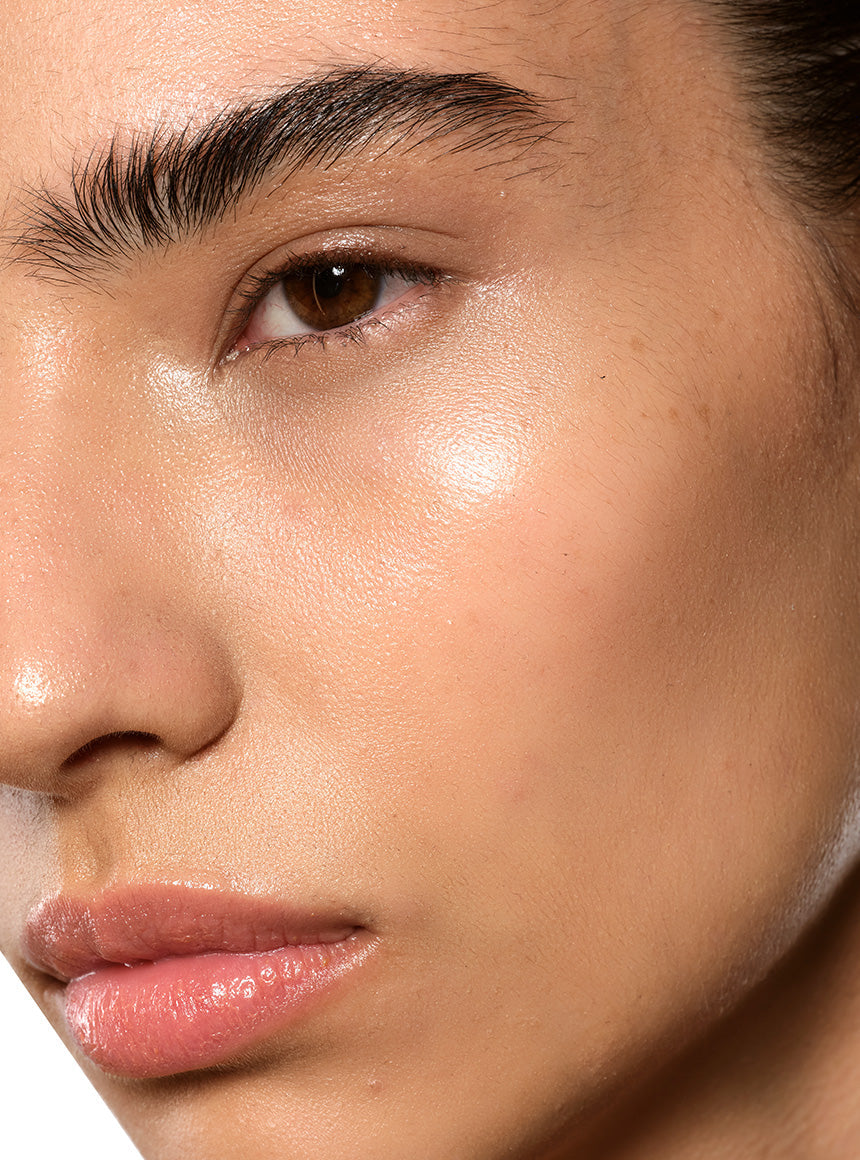




Άρθρο: Pregnancy Safe Pigmentation Skincare Guide

Pregnancy Safe Pigmentation Skincare Guide
Pigmentation has a habit of becoming far more visible during pregnancy, even in skin that previously felt stable. Melasma, post-inflammatory marks and general uneven tone can deepen quickly under the influence of hormones, heat and UV exposure. That is why pregnancy safe pigmentation skincare needs a more considered approach - one that protects the skin barrier, respects medical caution and still delivers visible improvement.
For many women, the frustration is not simply the appearance of pigment. It is the sudden loss of control. Ingredients you may have relied on before pregnancy are often no longer appropriate, and the market is full of vague claims, half-answers and products labelled “natural” as though that alone guarantees safety. It does not. Effective skincare in pregnancy should be both evidence-led and selective.
Why pigmentation often worsens in pregnancy
Pregnancy can increase melanocyte activity, which means the cells responsible for producing pigment become more reactive. This is why melasma, often called the mask of pregnancy, commonly appears across the cheeks, forehead, upper lip and chin. It can also make existing marks from acne or inflammation look darker and linger for longer.
Sun exposure remains a major trigger, but it is rarely the only one. Heat, visible light, irritation and an impaired skin barrier can all contribute. This matters because a strong pigmentation plan during pregnancy is not only about brightening ingredients. It is also about preventing unnecessary stimulation of pigment in the first place.
Pregnancy safe pigmentation skincare starts with what to avoid
If you are building a pregnancy safe pigmentation skincare routine, the first step is editing out ingredients with uncertain or unsuitable safety profiles during pregnancy. Retinoids are the clearest example. Prescription vitamin A derivatives and over-the-counter retinol are generally avoided during pregnancy due to safety concerns.
Hydroquinone is also usually not recommended. While it is a respected depigmenting agent in clinical practice, it has comparatively high systemic absorption, which makes it a poor fit for pregnancy.
High-strength peeling programmes also need caution. Even when an ingredient is not strictly prohibited, aggressive exfoliation can trigger irritation and rebound pigmentation, particularly in melasma-prone and deeper skin tones. During pregnancy, the threshold for sensitivity is often lower. Skin that tolerated active formulas beautifully six months ago may suddenly react.
This is where restraint becomes sophisticated rather than basic. A premium regimen is not defined by how many actives you layer. It is defined by how intelligently each step supports the skin.
Which ingredients are typically considered safer?
Several ingredients are commonly used in pregnancy-safe routines for discolouration, though any concerns should always be discussed with your GP, midwife or consultant. In topical skincare, azelaic acid is often one of the strongest options. It helps address uneven tone, supports breakout-prone skin and is generally well regarded during pregnancy. It is especially useful when pigmentation and acne overlap, which is not uncommon.
Niacinamide is another excellent choice. It supports barrier function, helps reduce the transfer of pigment within the skin and generally pairs well with sensitive complexions. It is not dramatic in the way hydroquinone or prescription retinoids can be, but it is reliable, elegant and easy to build into a long-term routine.
Vitamin C can also be valuable, particularly in well-formulated antioxidant serums designed for stability and skin tolerance. It helps defend against environmental triggers and can gradually improve visible brightness. Not every vitamin C serum is equally suitable, however. Some high-strength formulas can sting or aggravate already sensitised skin.
Tranexamic acid in topical form is increasingly used in pigmentation routines and may be considered by some clinicians, but this is a category where personalised medical guidance matters. The same applies to certain exfoliating acids. Lower-strength lactic acid or mandelic acid may have a place for some skin types, while others will do better keeping exfoliation to a minimum.
How to build a pregnancy safe pigmentation skincare routine
The best routines during pregnancy are usually disciplined rather than complicated. Start with a gentle cleanser that removes sunscreen, makeup and excess oil without leaving the skin tight. Over-cleansing can quietly worsen inflammation, and inflammation is rarely a friend to pigment-prone skin.
In the morning, an antioxidant or pigment-supporting serum can sit beneath moisturiser and sunscreen. Depending on your skin, that might mean niacinamide, vitamin C, azelaic acid or a carefully balanced combination. If your skin is feeling more reactive than usual, fewer steps often produce better results.
A moisturiser should do more than hydrate. It should reinforce the barrier with ingredients such as ceramides, glycerin, squalane or soothing humectants. This is particularly important if pregnancy has brought dryness, flushing or sensitivity.
Then comes the non-negotiable step: sunscreen. No pigmentation strategy is credible without it. Use a broad-spectrum SPF 50 every morning and apply enough to reach the labelled protection. For melasma-prone skin, tinted sunscreen can be especially helpful because iron oxides may offer added protection against visible light, which is a meaningful trigger for hyperpigmentation in many skin tones.
In the evening, cleanse thoroughly and repeat your treatment step if appropriate. This is where azelaic acid often earns its place. Follow with moisturiser and avoid the temptation to rotate multiple actives for the sake of speed. Pregnancy-related pigmentation is rarely improved by pushing the skin hard.
The trade-off: gentle care versus faster correction
This is the part many brands avoid saying plainly. Pregnancy-safe options are often slower. If you are used to prescription-strength correction or advanced brightening protocols, the results may feel more gradual during pregnancy. That can be frustrating, but it is not failure. It is responsible skin management during a temporary hormonal phase.
In many cases, the goal is control rather than complete clearance. If you can reduce worsening, keep the skin calm and maintain a healthy barrier, you are in a far better position to treat remaining pigment more intensively after pregnancy or once breastfeeding-related decisions have been discussed with your clinician.
That perspective matters. Chasing aggressive results at the wrong time can leave you with more irritation, more sensitivity and, in some cases, deeper discolouration.
Pregnancy safe pigmentation skincare for deeper skin tones
Pigmentation requires special care in deeper skin tones because inflammation can leave marks that persist for months. This includes irritation from harsh cleansers, strong acids, poorly chosen devices or overuse of actives. The skin may not always look visibly irritated at first, but it can still respond by producing more pigment.
For this reason, elegant formulation matters. The best routines for deeper skin tones during pregnancy often prioritise barrier stability, antioxidant support, pigment-regulating ingredients and meticulous sun protection. Results are still achievable, but they depend on consistency and precision.
This is also why one-size-fits-all advice is rarely good enough. A fair, dry complexion with diffuse melasma does not need the same formula selection as an oily, acne-prone deeper complexion dealing with both active blemishes and post-inflammatory hyperpigmentation.
What about in-clinic treatments?
Most patients are better served by postponing elective pigmentation procedures during pregnancy unless specifically advised otherwise by their medical professional. Chemical peels, laser treatments and energy-based devices all require a case-by-case assessment, and many practitioners prefer to defer them.
Even where a treatment is technically possible, pregnancy can make skin more unpredictable. You may be more reactive, more sensitive to heat and more prone to rebound pigment. In a high-performing skincare strategy, timing is part of treatment planning.
For that reason, home care becomes the foundation. A well-curated routine can preserve skin quality, reduce preventable worsening and help you transition smoothly into more advanced options later if needed.
When to seek expert guidance
If pigmentation is appearing quickly, looks patchy and symmetrical, or is affecting your confidence, professional guidance is worth it. So is any situation where you are unsure whether a product is appropriate during pregnancy. Guesswork is rarely a luxury skincare strategy.
An expert-led consultation can help distinguish melasma from post-inflammatory pigmentation, identify triggers in your existing routine and refine your regimen without overcomplicating it. For women investing in premium skincare, this is often the difference between buying more and choosing better.
At The M-ethod Aesthetics, that level of curation is central to how advanced skincare should be approached: not as trend-driven shopping, but as clinically informed selection tailored to your skin condition, tolerance and stage of life.
Pregnancy changes the rules, but it does not mean abandoning results altogether. With intelligent ingredient choices, rigorous SPF use and a steadier expectation of progress, you can protect your skin now and set it up beautifully for what comes next.