



Άρθρο: Clinical skincare trends 2026 for ageing, pigmentation, acne

Clinical skincare trends 2026 for ageing, pigmentation, acne
Choosing clinically proven skincare in 2026 requires filtering through innovation to identify evidence-based solutions that genuinely improve ageing, pigmentation, and acne concerns. This year marks a pivotal shift: barrier-first care, personalised treatments, and regenerative professional procedures replace aggressive quick fixes. You’ll discover which ingredients, devices, and clinical protocols deliver sustainable results whilst respecting skin tolerance and long-term health.
Table of Contents
- Selection Criteria For Clinical Skincare Trends In 2026
- Overview Of Emerging Clinical Trends
- Key Ingredients And Their Clinical Benefits
- Professional Clinical Treatments
- Barrier Repair And Maintenance Strategies
- Personalised And Data-Driven Skincare Approaches
- Summary Comparison And Situational Recommendations
- Discover Clinically Proven Skincare Solutions At The M-ethod Aesthetics
Key takeaways
| Point | Details |
|---|---|
| Evidence-based selection is paramount | Clinical efficacy, safety data, and personalisation define top trends in 2026. |
| Barrier repair underpins success | Healthy barrier function prevents chronic irritation, pigmentation rebound, and acne flares. |
| Professional treatments favour regeneration | Bio-microneedling, HIFU, and polynucleotides offer minimal downtime with superior outcomes. |
| Personalised protocols enhance results | Genetic, hormonal, and lifestyle factors guide bespoke ingredient and treatment choices. |
| Skin longevity replaces reactive correction | Focus shifts to cellular health, prevention, and sustainable ageing strategies. |
Selection criteria for clinical skincare trends in 2026
Evaluating clinical skincare trends demands rigorous benchmarks. In 2026, professionals prioritise interventions backed by peer-reviewed studies, published efficacy data, and reproducible clinical outcomes across diverse skin types. Strong scientific evidence separates genuine innovation from marketing hype.
Safety and tolerance matter profoundly, especially for sensitive or compromised barriers. Trends must minimise irritation, avoid chronic inflammation, and support skin integrity. The clinical skincare trend in 2026 favours prevention and skin longevity over reactive correction, focusing on cellular health rather than aggressive actives.
Personalisation has become standard. Genetic predispositions, ethnic background, hormonal status, and lifestyle factors now inform professional skincare regimens. This bespoke approach optimises ingredient selection and treatment protocols for individual skin function.
Effectiveness must balance with minimal downtime and irritation. Professionals favour multifunctional ingredients and devices that address multiple concerns simultaneously, reducing product overload. Innovation should enhance compliance, not complicate routines. Selection criteria emphasise practical integration into daily life whilst delivering measurable improvements in skin texture, tone, and firmness.
Pro Tip: Always verify ingredient concentrations and formulation stability. Many trending actives lose efficacy in poorly formulated products despite strong clinical evidence in isolation.
Overview of emerging clinical trends
The 2026 landscape prioritises skin longevity and healthy ageing over rapid correction. Skin longevity and cellular health define this paradigm shift, moving away from harsh interventions toward preservation of barrier function and mitochondrial vitality. This evolution reflects growing understanding that sustainable results require working with skin biology, not against it.
Barrier-first routines reduce chronic conditions. Compromised barriers trigger persistent redness, sensitivity, and pigmentation rebound. Strengthening lipid layers and supporting natural moisture retention prevent these cascades whilst improving tolerance to active ingredients. This foundational approach benefits all skin types, particularly those prone to acne and melasma.
Simplification dominates professional recommendations. Fewer, targeted products enhance compliance and reduce irritation risks. Skincare fatigue from complex 10-step routines has driven demand for efficient, evidence-based protocols. Streamlined regimens focus on key actives that deliver multiple benefits, eliminating redundancy.
Multifunctional hybrid products address overlapping concerns. Ingredients that simultaneously target pigmentation, inflammation, and collagen synthesis offer practical advantages. This trend aligns with barrier-first principles by reducing total product exposure whilst maintaining therapeutic efficacy. Professionals increasingly recommend 2026 skincare trends that integrate these multitasking formulations into morning and evening routines.
Pro Tip: Audit your current routine quarterly. Remove products that duplicate functions or fail to show visible improvements within 12 weeks of consistent use.
Key ingredients and their clinical benefits
NAD+ precursors enhance cellular energy production and DNA repair mechanisms. This coenzyme declines with age, reducing skin’s ability to recover from oxidative stress and UV damage. Supplementing NAD+ pathways supports mitochondrial function, improving firmness and reducing fine lines through enhanced cellular metabolism.
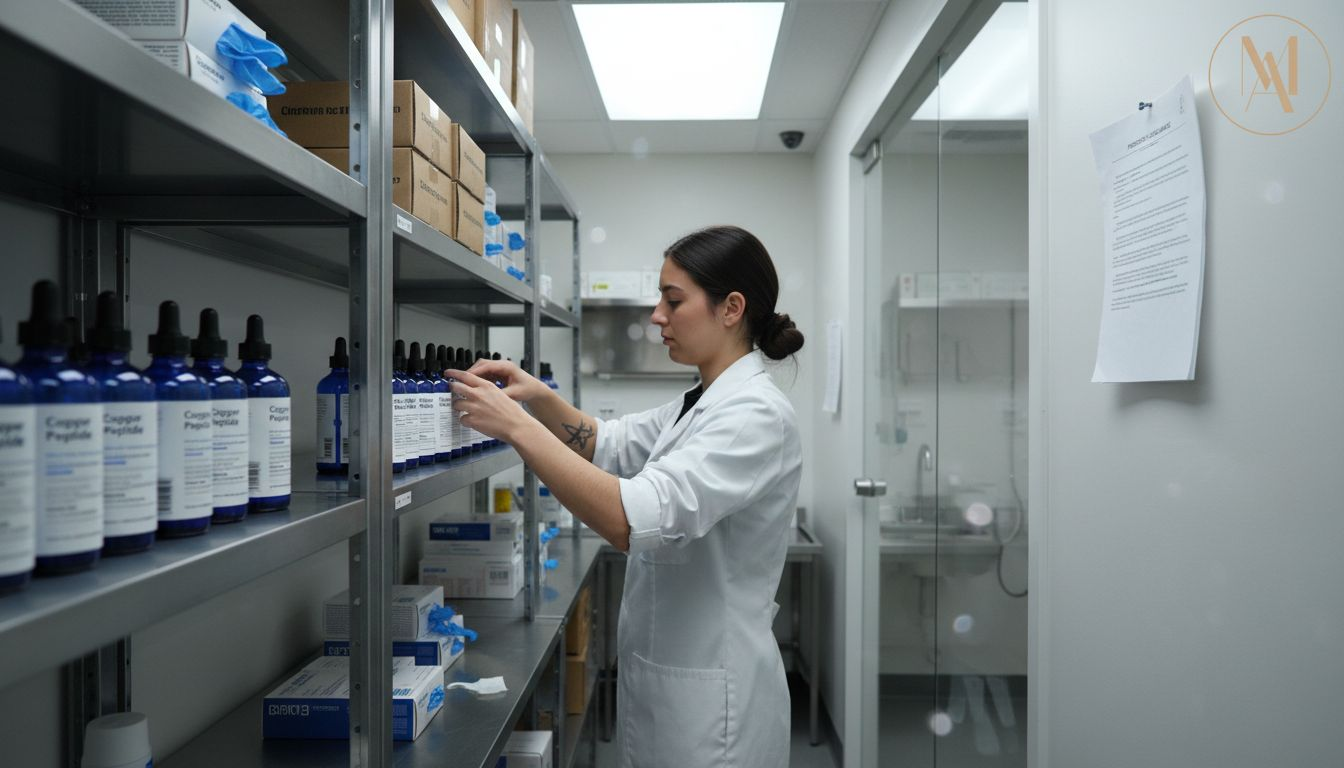
Copper tripeptide stimulates collagen and elastin synthesis whilst modulating inflammatory pathways. Clinical studies demonstrate improved wound healing, reduced scarring, and enhanced tissue remodelling. This peptide benefits ageing skin by promoting dermal density and supporting structural protein networks essential for firmness.
Azelaic acid controls acne and pigmentation through multiple mechanisms: normalising keratinisation, reducing microbial colonisation, and inhibiting tyrosinase activity. Its anti-inflammatory properties make it suitable for sensitive skin, rosacea, and post-inflammatory hyperpigmentation. Azelaic acid delivers results without the irritation associated with higher-concentration retinoids or hydroquinone.
Transexamic acid reduces pigmentation, particularly melasma, by inhibiting plasminogen activation and suppressing melanocyte tyrosinase activity. Topical formulations show efficacy comparable to hydroquinone in clinical trials, with superior safety profiles for long-term use. This ingredient addresses stubborn pigmentation resistant to conventional treatments.
Exosomes represent regenerative potential but require caution. Exosomes in injectable or in-office treatments demonstrate stronger clinical evidence than topical applications. These extracellular vesicles carry growth factors and signalling molecules, but penetration limitations and stability concerns temper enthusiasm for at-home use. Professional administration ensures appropriate delivery and controlled dosing.
Pro Tip: Introduce new actives individually, spacing additions by four weeks. This protocol isolates efficacy and identifies irritation triggers, preventing compounded barrier damage.
Professional clinical treatments
Bio-microneedling causes less trauma and faster recovery compared to traditional microneedling. This refined technique uses shorter needle depths and optimised oscillation patterns to stimulate collagen whilst minimising epidermal disruption. Both methods improve texture and pigmentation, but bio-microneedling suits sensitive skin and reduces post-procedure downtime.
HIFU offers nonsurgical facelift benefits through focused ultrasound energy. This technology targets specific dermal depths, triggering neocollagenesis without surface trauma. HIFU tightens lax skin, defines jawlines, and lifts brows with safety advantages over invasive procedures. Results develop gradually over 12-16 weeks as new collagen matures.
Injectables have evolved beyond simple volumisation. Polynucleotides promote tissue regeneration by delivering DNA fractions that enhance cellular repair and hydration. Advanced peptide formulations like Profhilo spread through tissue planes, stimulating collagen and improving skin quality. These bio-remodelling approaches address global skin health rather than isolated defects.
Professional emphasis returns to in-clinic treatments due to superior safety and reliability versus at-home devices. Controlled clinical environments ensure appropriate settings, sterile technique, and professional assessment. This shift protects against misuse and optimises outcomes.
Seasonal upkeep and preventative scheduling have become standard. Maintenance treatments every 8-12 weeks sustain collagen stimulation and pigmentation control. This proactive approach prevents age-related decline rather than attempting reversal after visible damage accumulates.
| Treatment | Primary benefit | Downtime | Best for |
|---|---|---|---|
| Bio-microneedling | Texture, pigmentation | 24-48 hours | Sensitive, acne-prone |
| HIFU | Lifting, tightening | Immediate return | Skin laxity, jawline |
| Polynucleotides | Regeneration, hydration | Minimal | Overall quality |
| Traditional microneedling | Deep scarring | 3-5 days | Severe texture issues |
Pro Tip: Schedule intensive treatments during cooler months when UV exposure naturally decreases, optimising healing and reducing pigmentation risks.
Barrier repair and maintenance strategies
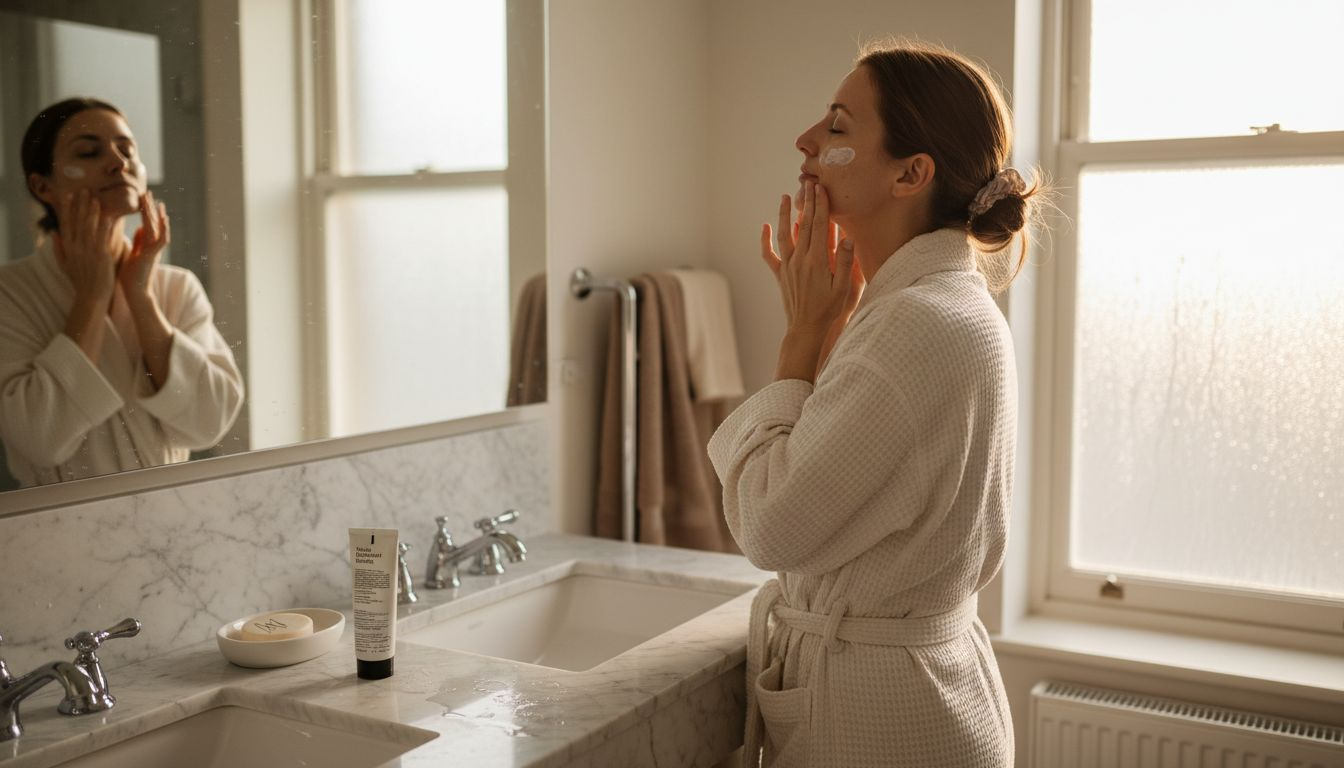
Simple daily routines support barrier healing. Gentle cleansing preserves lipid films whilst removing debris and oxidised sebum. Moisturisation with ceramides, cholesterol, and fatty acids replenishes intercellular lipids, restoring barrier competence. This foundational care prevents transepidermal water loss and inflammatory cascade activation.
Daily broad-spectrum tinted sunscreen proves essential for pigmentation control. Tinted sunscreens with iron oxides provide enhanced protection against visible light, critical for melasma-prone skin. Traditional UV filters alone inadequately address photoageing and pigmentation triggered by blue light and infrared radiation.
Careful pacing of actives prevents barrier disruption. Retinoids and exfoliants require gradual introduction, starting with low concentrations two to three times weekly. Overuse triggers inflammation, compromising barrier integrity and worsening pigmentation through post-inflammatory mechanisms. Strategic application maximises efficacy whilst maintaining tolerance.
Barrier-first skincare reduces risks of chronic redness, acne flares, and pigmentation rebound. Compromised barriers amplify sensitivity to environmental triggers, perpetuating inflammatory cycles. Prioritising structural integrity creates stable foundations for active ingredient efficacy.
Visible light protection matters profoundly for pigmentation-prone individuals. Iron oxide-tinted formulations scatter visible wavelengths that stimulate melanocytes independently of UV exposure. This protection proves particularly valuable for melasma, post-inflammatory hyperpigmentation, and ethnic skin types with higher melanin density. Reapplication every three hours during peak daylight hours ensures consistent defence.
Personalised and data-driven skincare approaches
Genetic and ethnic factors guide ingredient selection. Polymorphisms affecting collagen degradation, antioxidant capacity, and pigmentation pathways inform targeted interventions. Ethnic variations in barrier structure, sebum composition, and inflammatory responses require customised protocols that respect inherent skin characteristics rather than applying universal formulations.
Hormonal and nutritional status integrate into comprehensive protocols. Oestrogen decline affects collagen density and hydration. Insulin resistance accelerates glycation and inflammation. Micronutrient deficiencies impair wound healing and antioxidant defence. Addressing these systemic factors through professional skincare regimens enhances topical and procedural outcomes.
Data-driven longevity clinics tailor regimens beyond chronological age. Biological markers including telomere length, advanced glycation end-products, and oxidative stress biomarkers define functional skin age. This precision approach identifies individuals requiring aggressive intervention despite younger chronological age, or those maintaining youthful function who benefit from preventative maintenance alone.
Customisation focuses on functional health markers. Barrier integrity measurements, melanin index quantification, and elasticity assessments create objective baselines. Serial tracking demonstrates treatment efficacy and guides protocol adjustments. This evidence-based personalisation replaces subjective assessments with reproducible data, optimising dermatologist personalised skincare recommendations and improving patient satisfaction.
Summary comparison and situational recommendations
Comprehensive evaluation requires synthesising efficacy, safety, and practical factors. The following comparison consolidates key data to support informed decision-making across concern-specific scenarios.
| Intervention | Ageing efficacy | Pigmentation efficacy | Acne efficacy | Safety profile | Downtime |
|---|---|---|---|---|---|
| NAD+ precursors | High | Moderate | Moderate | Excellent | None |
| Copper peptide | High | Moderate | Low | Excellent | None |
| Azelaic acid | Moderate | High | High | Excellent | None |
| Tranexamic acid | Low | High | Low | Excellent | None |
| HIFU | High | Low | Low | Good | None |
| Bio-microneedling | Moderate | High | Moderate | Good | Minimal |
| Tinted SPF | Moderate | High | Low | Excellent | None |
For ageing concerns prioritising volume and firmness, combine NAD+ precursors and copper peptides with quarterly HIFU sessions. This protocol enhances mitochondrial function, stimulates collagen synthesis, and provides mechanical tightening. The skincare regimen comparison demonstrates synergistic benefits when layering cellular energetics with structural support.
Pigmentation control demands azelaic and tranexamic acids alongside daily tinted SPF. This combination inhibits melanogenesis through complementary mechanisms whilst protecting against UV and visible light triggers. Maintenance bio-microneedling every 8-10 weeks accelerates active ingredient penetration and promotes cellular turnover without barrier compromise.
Acne and sensitive skin benefit from gentle barrier repair emphasising ceramide-rich moisturisation and gradual azelaic acid introduction. Bio-microneedling addresses post-inflammatory scarring and texture whilst minimising inflammation risks. Avoid aggressive exfoliation and prioritise anti-inflammatory ingredients that support barrier competence.
Safety, personalisation, and evidence base remain paramount decision criteria. Verify clinical study quality, assess individual tolerance through patch testing, and integrate genetic or functional assessments when available. Sustainable results require patient-specific protocols that respect biological individuality rather than applying trend-driven templates universally.
Pro Tip: Document baseline photographs in consistent lighting and track progress monthly. Objective visual evidence prevents unrealistic expectations and identifies subtle improvements that motivate long-term adherence.
Discover clinically proven skincare solutions at The M-ethod Aesthetics
The M-ethod Aesthetics offers scientifically validated products and professional treatments aligned with 2026’s evidence-based trends. Our ClearSkin PCA acne serum delivers targeted acne control through barrier-respecting formulations. For periorbital ageing, NeoStrata intensive eye therapy combines peptides with retinoids for comprehensive rejuvenation.
Gentle exfoliation supports cellular turnover without compromising barrier integrity. The NeoStrata exfoliating wash provides daily refinement suitable for sensitive skin. Beyond products, we offer bio-microneedling, HIFU, and polynucleotide treatments in London and Athens, delivering professional-grade care with personalised protocols. Explore our curated selection to access dermatologist-recommended solutions that prioritise your skin’s long-term health and sustainable improvement.
FAQ
What are the best clinical skincare ingredients for pigmentation in 2026?
Azelaic acid and tranexamic acid remain top choices for pigmentation control through complementary tyrosinase inhibition and melanogenesis suppression. Daily tinted sunscreen with iron oxides is essential, providing protection against visible light that triggers melanocyte activity independently of UV exposure.
How do bio-microneedling treatments differ from traditional microneedling?
Bio-microneedling causes less skin trauma through shorter needle depths and optimised oscillation patterns, resulting in faster recovery. Both methods improve texture and pigmentation, but bio-microneedling proves gentler for sensitive skin whilst maintaining collagen-stimulating efficacy.
Why is barrier repair important in clinical skincare?
A strong barrier reduces risks of chronic redness, sensitivity, and inflammatory pigmentation rebound. Barrier health improves absorption and tolerance of active ingredients, creating stable foundations that enhance treatment efficacy whilst preventing adverse reactions.
How does personalised skincare in 2026 improve treatment outcomes?
Custom protocols match unique genetic predispositions, hormonal status, and lifestyle factors to individual skin function. Personalised care addresses root causes rather than applying universal solutions, enhancing long-term skin health, treatment satisfaction, and sustainable results.