



Can a sulfur face wash actually calm rosacea?
Yes, sulfur can genuinely help many people with rosacea by calming inflammation and reducing bumps, but it carries a real irritation and allergy risk for a meaningful subset of patients. Patch-test any new sulfur cleanser on your jawline first, introduce it slowly, and stop immediately if you see burning or spreading redness. If symptoms are severe or persistent, speak to a dermatologist before relying on an over-the-counter fix.
TL;DR:
- Sulfur’s effectiveness is highest for inflamed, bumpy rosacea with oily skin but offers limited benefits for flushing or visible blood vessels.
- Use a 2.5% to 5% colloidal sulfur cleanser with supportive ingredients, patch-test first, and introduce slowly to avoid irritation.
- Stronger prescription formulations contain 10% sodium sulfacetamide with 4-5% sulfur and require dermatologist oversight.
- It takes six to eight weeks of consistent use to see significant improvement, with early signs of pustule reduction possible within days.
- Those with dry, thin, or highly reactive skin should prioritize barrier support before trying sulfur, and professional guidance ensures proper routine.
Table of Contents
- How sulfur works on rosacea-prone skin
- Who should use a sulfur face wash and what strength
- Choosing and introducing a sulfur cleanser without triggering a flare
- What to expect: using sulfur and tracking real results
- What the clinical evidence and drug monographs actually say
- A clinician’s view on who really benefits from sulfur
- Getting a clinically supervised sulfur routine right
- Sources
How sulfur works on rosacea-prone skin
Sulfur has been used in dermatology for well over a century, and its staying power comes down to three overlapping actions rather than one single mechanism. Understanding them explains why it helps some rosacea presentations far more than others.
- Keratolytic action. Sulfur gently loosens the outer layer of dead skin cells, helping clear congested pores and smooth rough, scaling patches often seen alongside rosacea flares.
- Anti-inflammatory effects. It calms the redness and swelling behind papules and pustules, the small inflamed bumps that define papulopustular rosacea.
- Antimicrobial and anti-Demodex properties. Sulfur can reduce surface bacteria and may lower populations of Demodex mites, which are found in higher numbers on rosacea-affected skin, according to dermatologist guidance on sulfur formulations.
These mechanisms matter most for the bumpy, inflamed subtype of rosacea. If your main concern is persistent facial flushing or visible blood vessels rather than breakouts, sulfur’s keratolytic and antimicrobial effects will do less for you, and a different approach may serve you better.
Who should use a sulfur face wash and what strength
Not every rosacea presentation calls for the same formulation, and getting the concentration right often decides whether sulfur soothes your skin or aggravates it.
These tend to suit rosacea-prone skin better than higher-strength versions, since colloidal sulfur disperses more evenly and feels less abrasive during cleansing. The Rosacea Society’s Seal of Acceptance has been awarded to a 2.5% colloidal sulfur cleanser formulated with azelaic acid and soothing extracts, which gives you a useful tolerability benchmark when comparing products.
Prescription mixes commonly combine 10% sodium sulfacetamide with 4% to 5% sulfur for more stubborn or widespread symptoms. These stronger formulations need clinician oversight, both to confirm they suit your skin and to monitor for reactions.
You should avoid sulfur altogether if you have a known sulfonamide allergy, very dry or compromised skin, or broken/abraded areas on your face. Pregnant readers should check with their doctor before starting any new topical treatment, sulfur included.
Choosing and introducing a sulfur cleanser without triggering a flare
Picking the right product matters almost as much as using it correctly. Run through this checklist before you buy:
- Confirm the concentration (start low, around 2.5% to 5%, if you have never used sulfur before).
- Favour colloidal sulfur over powdered forms, since it tends to feel gentler on reactive skin.
- Look for supportive ingredients like panthenol, bisabolol, or niacinamide, which help offset dryness.
- Choose a fragrance-free formula wherever possible.
- Check for the Rosacea Society Seal of Acceptance as a tolerability signal.
Once you have a product, introduce it gradually rather than diving straight into daily use:
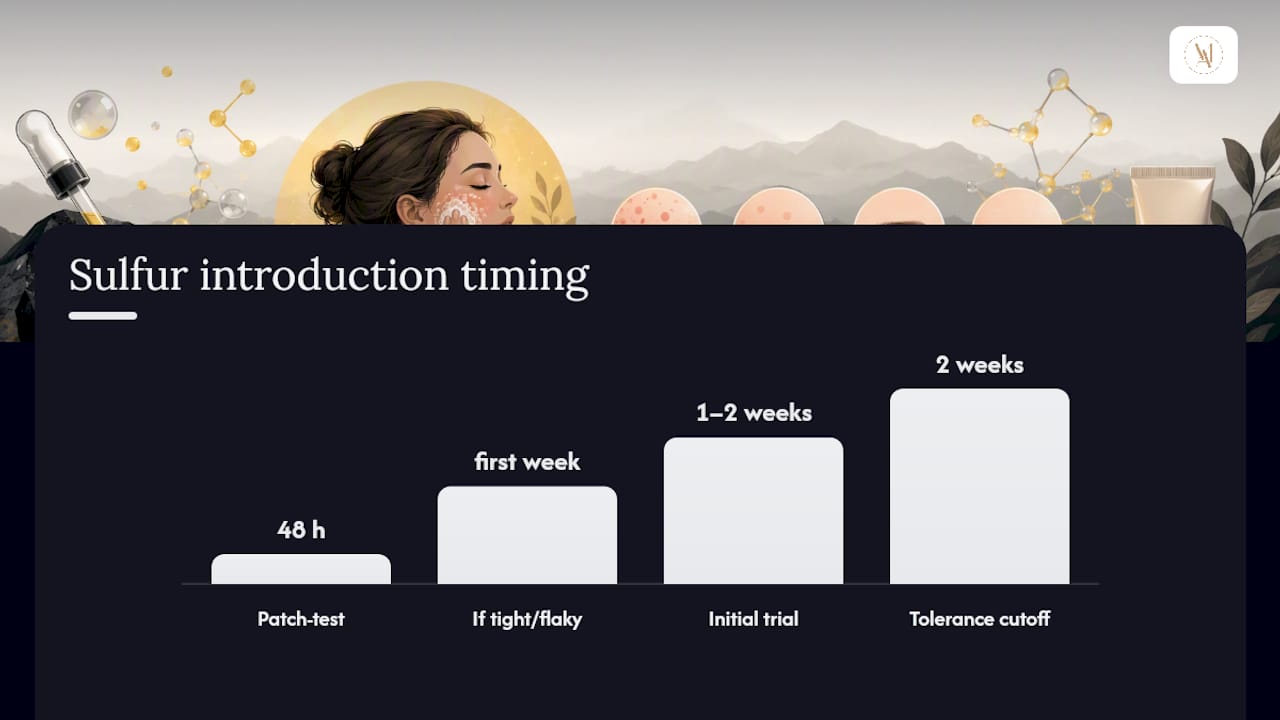
- Patch-test on your jawline or behind your ear for 48 hours before applying it to your face.
- Use it once daily for one to two weeks, watching closely for tightness, stinging, or new redness.
- Increase to twice daily only if your skin tolerates the first fortnight without irritation.
- Avoid layering sulfur with retinoids, benzoyl peroxide, or strong AHA/BHA acids, since combining actives multiplies irritation risk.
- Always follow with a barrier-supporting moisturiser and sunscreen, particularly in the morning.
Pro Tip: If your skin feels tight or flaky within the first week, cut back to every other day rather than stopping entirely. Rosacea-prone skin often adjusts to sulfur gradually, and a slower introduction beats abandoning a treatment that might otherwise work.
If irritation persists past two weeks despite a cautious introduction, that is your cue to switch to a gentler OTC formula or speak to a dermatologist about a prescription alternative.
What to expect: using sulfur and tracking real results
The mechanics of using a sulfur wash are simple, but consistency is what separates the people who see improvement from those who give up too soon.
- Wet your face with lukewarm water.
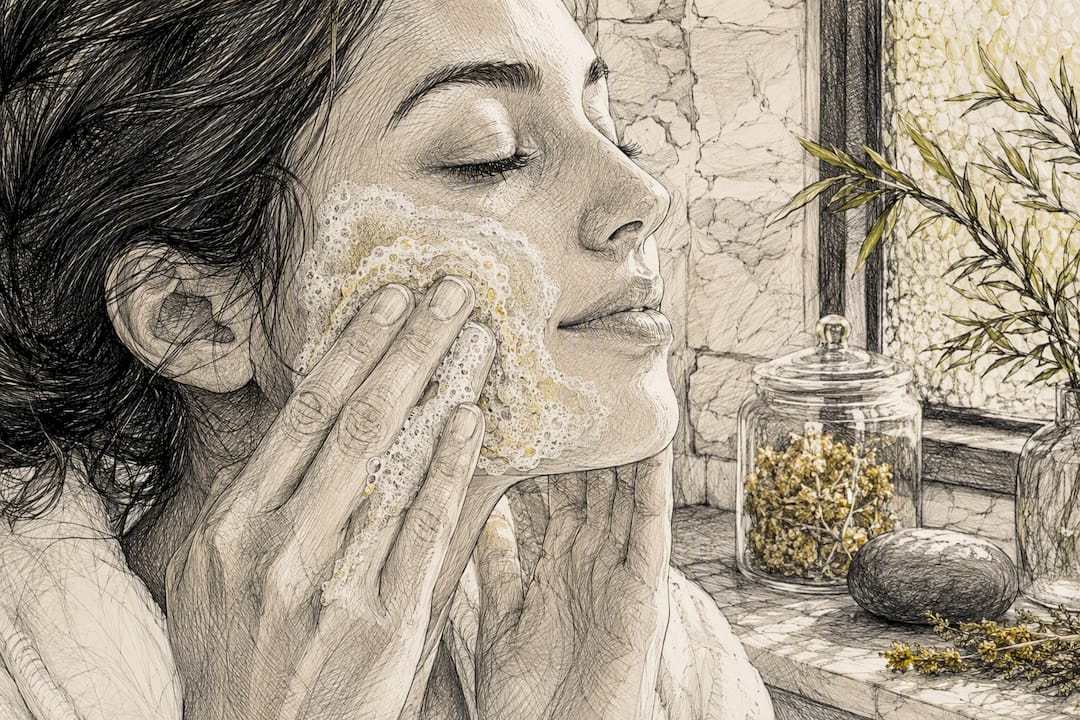
- Apply a small amount of cleanser and lather gently for 30 to 60 seconds.
- Rinse thoroughly and pat your skin dry rather than rubbing.
- Follow immediately with a hydrating, barrier-support moisturiser and sunscreen.
Some people notice minor improvement in pustules within days. Clinically meaningful change, the kind that shows up as calmer, less inflamed skin overall, more commonly appears around six to eight weeks of consistent use, a timeline echoed in Healthline’s review of sulfur treatments for rosacea.
Watch for warning signs that mean you should stop immediately: severe burning, blistering, widespread redness, or facial swelling. These are not “give it more time” symptoms. Contact a dermatologist the same day if they appear.
What the clinical evidence and drug monographs actually say
The most useful evidence comes from a small but well-designed comparison rather than sweeping claims.
A 2023 clinical study following a Japanese cohort found sulfur cream performed comparably to metronidazole cream over eight weeks of treatment, but the sulfur group experienced a noticeably higher rate of contact dermatitis.
That trade-off, comparable efficacy against a higher irritation rate, sums up the honest case for sulfur: it works for many people, but it is not the gentlest option on the shelf. Prescription formulations combining 10% sodium sulfacetamide with 4% to 5% sulfur can improve redness and inflammation over roughly eight weeks, though the same irritation pattern shows up in clinical use.
Cleveland Clinic’s drug monograph on sulfacetamide and sulfur cleansers confirms these formulations are an established, medically recognised option for acne rosacea, while flagging sulfonamide hypersensitivity as a contraindication clinicians take seriously. When shopping for an OTC alternative, the Rosacea Society’s Seal of Acceptance remains a practical shortcut for identifying cleansers formulated with tolerability in mind.
A clinician’s view on who really benefits from sulfur
In virtual consultations, we see a consistent pattern: patients with bumpy, inflamed rosacea and oilier skin tend to tolerate and benefit from sulfur far more than those with predominantly dry, thin, or highly reactive skin. For that second group, barrier support usually needs to come first, sometimes alongside a gentler alternative such as azelaic acid, before sulfur becomes an option worth revisiting.
The practical fix we recommend most often is simple: cut frequency at the first sign of irritation, layer in a proper barrier-support moisturiser, and reassess after two weeks rather than pushing through discomfort.
— Jess
Getting a clinically supervised sulfur routine right
Choosing between an OTC sulfur wash and a prescription-strength formula is not always obvious from a shelf label, and that is precisely where a professional opinion earns its keep. Them-ethod stocks clinic-grade, dermatologist-recommended options like PCA Clearskin, formulated for acne-prone and reactive skin types where sulfur-based ingredients need to be balanced against barrier support.
If your rosacea symptoms are severe, your diagnosis feels uncertain, or you have reacted badly to an active ingredient before, a virtual consultation is worth booking before you commit to any new product. Them-ethod’s clinicians can review your skin history, confirm whether sulfur suits your subtype, and recommend a tailored routine that pairs treatment with proper barrier care. Visit Them-ethod to explore Clearskin or arrange a consultation before your next flare takes hold.
This article is general information, not a substitute for advice from a qualified doctor. Consult a qualified healthcare professional about your own circumstances before acting on anything here.
Sources
- Sulfur treatments for rosacea: Do they really work? – Healthline
- Real‑world evidence for the treatment of rosacea with sulfur or metronidazole preparation – PMC
- Sulfacetamide; Sulfur topical skin cleanser or emulsion – Cleveland Clinic