



Real benefits of medical-grade skincare for targeted results
TL;DR:
- Medical-grade skincare lacks official regulation and should be evaluated based on evidence and ingredients.
- Genuine medical products feature high concentrations, advanced delivery systems, and peer-reviewed clinical trials.
- Personalized dermatologist guidance ensures safe use and optimizes results for specific skin concerns.
The term ‘medical-grade skincare’ appears on everything from luxury serums to high-street moisturisers, yet the definition remains surprisingly murky. Many products claim clinical credibility, but only a fraction are backed by robust, peer-reviewed evidence. If you are navigating persistent acne, stubborn pigmentation, or visible ageing and wondering whether medical-grade products genuinely outperform your current routine, you deserve a clear answer. This article breaks down what truly separates evidence-driven skincare from clever marketing, what clinical results actually look like, and how a personalised, dermatologist-guided regimen can make a measurable difference to your skin.
Table of Contents
- What defines medical-grade skincare?
- Potency, penetration, and clinical results
- Personalised regimens for lasting impact
- Risks and limitations: Know before you invest
- A fresh perspective: Evidence beats hype in skincare
- Explore your personalised medical-grade skincare options
- Frequently asked questions
Key Takeaways
| Point | Details |
|---|---|
| Evidence-led definition | True medical-grade skincare is backed by clinical trials and dermatologist curation, not marketing claims. |
| Stronger results | Prescription-strength formulas deliver greater improvements for acne, ageing, and pigment than ordinary products. |
| Need for personalisation | Dermatologist-designed regimens provide safer, more effective outcomes tailored to your skin concerns. |
| Safety first | Higher potency increases risk of irritation and misuse, making professional guidance essential. |
What defines medical-grade skincare?
The phrase ‘medical-grade’ sounds reassuring, but it carries no official regulatory definition. There is no FDA regulation for the term, which means any brand can apply it freely. That reality makes it essential to look beyond the label and evaluate products on their actual merits.
True medical-grade skincare is generally characterised by three core criteria:
- Prescription-strength or clinically validated ingredients: Active compounds such as tretinoin, hydroquinone, and azelaic acid are present at concentrations that have been tested in clinical settings, not just cosmetically effective doses.
- Dermatologist curation and oversight: Reputable medical-grade ranges are developed in collaboration with clinicians and are typically dispensed through professional channels, ensuring appropriate use.
- Published clinical evidence: Genuine efficacy is supported by RCT-backed ingredients and peer-reviewed studies, not simply internal brand testing or anecdotal testimonials.
Understanding medical-grade skincare explained in full helps you ask the right questions when evaluating a product. Does the brand publish its trial data? Is the formulation transparent about active concentrations? Was the product developed with dermatologist input?
The marketing caveat is real and worth taking seriously. Prestige packaging and clinical-sounding language do not equal clinical results. A product labelled ‘dermatologist-tested’ may have been reviewed by a single clinician without any controlled trial. ‘Clinically proven’ can refer to a study of just twelve participants. These distinctions matter enormously when you are investing in your skin.
Pro Tip: When assessing a product, search for its key active ingredient followed by ‘randomised controlled trial’ in a medical database. If peer-reviewed evidence exists, you are on solid ground. If only brand-sponsored summaries appear, proceed with caution.
The most credible medical-grade products combine ingredient transparency, published randomised controlled trials, and professional dispensing. Anything short of that is marketing borrowing the language of medicine.
Potency, penetration, and clinical results
Once you understand the criteria, the performance gap between genuine medical-grade products and over-the-counter alternatives becomes much clearer. The difference is not just about ingredient names. It is about concentration, formulation stability, and delivery systems that allow actives to reach the skin layers where they actually work.
Here is how clinical-strength skincare translates into measurable outcomes:
- Greater active concentration: Prescription-strength retinoids, for example, work at concentrations that over-the-counter retinol products simply cannot match, producing faster and more reliable results for photoageing and acne.
- Superior penetration technology: Medical-grade formulations often use encapsulation or liposomal delivery to protect actives and ensure they reach the dermis rather than sitting on the surface.
- Clinically measurable outcomes: Products are often backed by robust RCT evidence for conditions including acne, photoageing, and melasma, with tretinoin consistently demonstrating significant improvement across all three.
- Hydration and barrier restoration: Clinical studies have recorded hydration improvements of up to 72.5% with specific medical-grade formulations, a figure no standard moisturiser reliably achieves.
“The gap between a well-formulated medical-grade product and a high-street alternative is not cosmetic. It is structural, measurable, and clinically documented.”
For acne specifically, combination regimens using prescription-strength actives have shown up to 68% treatment success in six-month open-label studies. That is a meaningful result for anyone who has cycled through multiple over-the-counter products without resolution.
For targeted skincare benefits such as hyperpigmentation and melasma, the evidence is equally compelling. Ingredients like tranexamic acid, kojic acid, and prescription-strength hydroquinone have demonstrated statistically significant reductions in pigmentation in peer-reviewed trials. The key is that these actives are present at effective doses, stabilised correctly, and applied within a regimen designed for the specific concern.
Potency matters. But potency without the right formulation and professional guidance is where results can become unpredictable, which is why the next section is just as important.
Personalised regimens for lasting impact
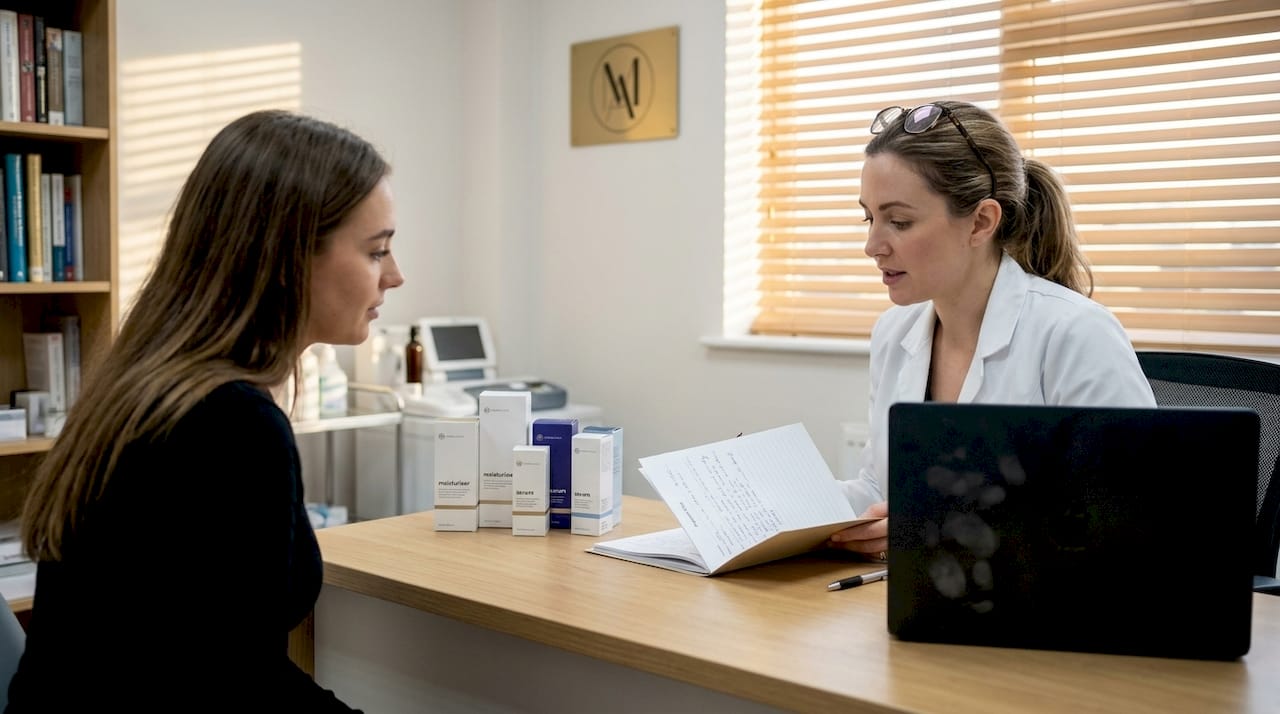
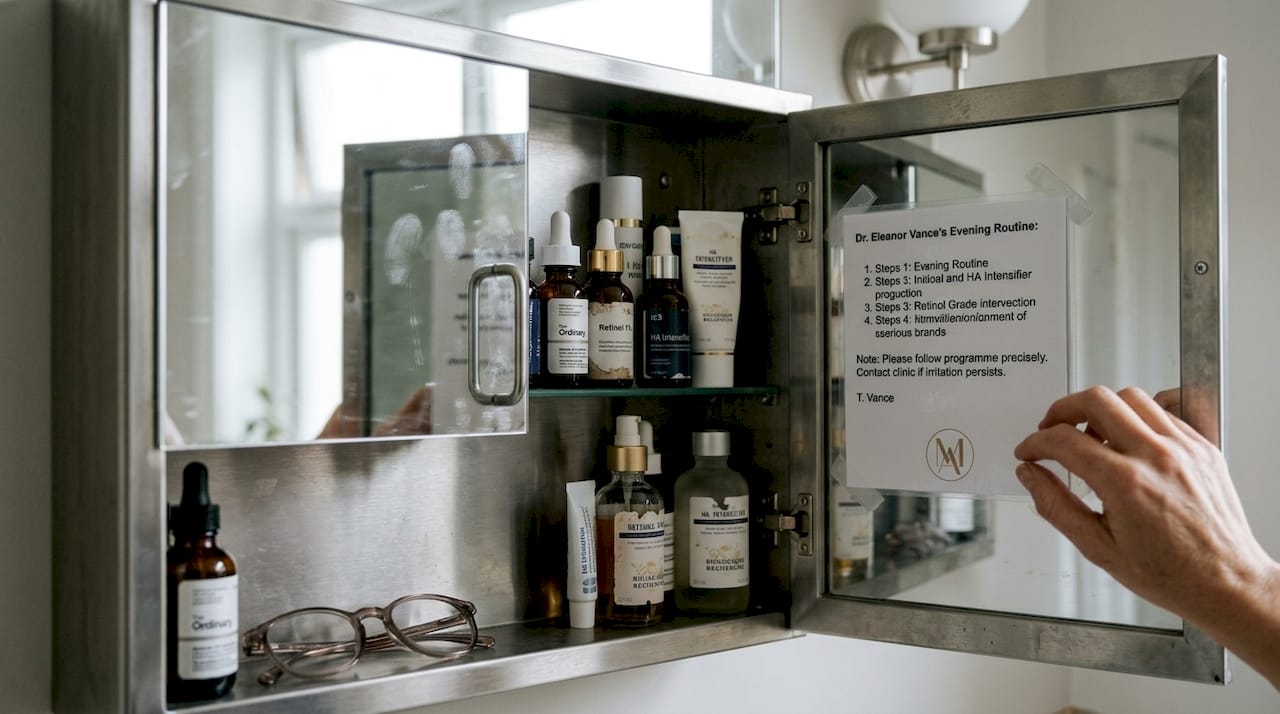
The most sophisticated ingredient in the world will underperform if it is used incorrectly, combined with incompatible products, or applied without regard for your skin’s individual needs. This is where dermatologist-guided, personalised regimens genuinely change outcomes.
Personalised regimens from dermatologists optimise results for concerns including acne, rosacea, and hyperpigmentation, and they also enhance the outcomes of in-clinic procedures. A well-designed home regimen before and after a treatment such as SkinPen microneedling or a chemical peel can significantly improve healing and longevity of results.
The table below illustrates how a personalised medical-grade regimen is typically structured across common skin concerns:
| Skin concern | Key actives used | Primary benefit | Typical timeframe |
|---|---|---|---|
| Acne | Tretinoin, adapalene, benzoyl peroxide | Reduces lesions, prevents scarring | 8 to 12 weeks |
| Hyperpigmentation | Hydroquinone, tranexamic acid, kojic acid | Fades pigment, evens tone | 12 to 16 weeks |
| Photoageing | Tretinoin, vitamin C, peptides | Stimulates collagen, reduces lines | 12 to 24 weeks |
| Rosacea | Azelaic acid, niacinamide, barrier repair | Reduces redness, strengthens barrier | 8 to 16 weeks |
| Post-procedure repair | Growth factors, ceramides, hyaluronic acid | Supports healing, restores hydration | 2 to 6 weeks |
Beyond the specific actives, a personalised regimen also accounts for:
- Skin barrier status: Compromised barriers require a repair-first approach before introducing strong actives.
- Lifestyle and environment: Sun exposure, diet, and stress all influence how skin responds to treatment.
- Tolerance building: Introducing prescription-strength actives gradually prevents unnecessary irritation and improves long-term adherence.
Exploring dermatologist routines for clear skin and skincare for pigment and acne provides further detail on how these regimens are structured in practice. The common thread is professional oversight at every stage, ensuring that products work together rather than against each other.
Risks and limitations: Know before you invest
Medical-grade skincare is not without its caveats, and understanding the risks is just as important as appreciating the benefits. Higher potency means a higher potential for adverse reactions if products are misused or selected without professional input.
The most common risks include:
- Irritation and sensitivity: Strong actives like tretinoin and glycolic acid can cause redness, peeling, and sensitivity, particularly during the initial adjustment period.
- Barrier disruption: Overuse of exfoliating acids or retinoids without adequate barrier support can compromise the skin’s protective function, leading to increased transepidermal water loss.
- Photosensitivity: Many prescription-strength actives increase sensitivity to UV radiation, making daily broad-spectrum SPF non-negotiable.
The regulatory issue is equally important. As noted earlier, higher potency risks irritation in sensitive skin and requires professional guidance to avoid misuse. Because ‘medical-grade’ is not a regulated term, some products marketed under this banner contain irritating concentrations without the clinical evidence to justify them.
| Factor | With professional guidance | Without professional guidance |
|---|---|---|
| Ingredient selection | Matched to skin type and concern | Risk of inappropriate actives |
| Concentration | Titrated for tolerance | Potential over-exposure |
| Regimen compatibility | Products chosen to complement | Risk of ingredient conflicts |
| Monitoring | Progress reviewed and adjusted | No safety net for adverse reactions |
Over-the-counter steroid misuse is another genuine concern. Mild topical steroids are available without prescription in the UK, and some individuals use them unsupervised for prolonged periods to manage redness or eczema. This can lead to steroid-induced rosacea, skin thinning, and rebound flares. Clinical guidance is not a formality. It is a safeguard.
Pro Tip: Before starting any prescription-strength active, book a virtual consultation with a qualified clinician. A brief professional assessment can prevent months of trial and error and protect your skin barrier in the process.
For a clear-eyed look at what medical-grade claims debunked actually means in practice, it is worth reading beyond brand communications and consulting independently published resources.
A fresh perspective: Evidence beats hype in skincare
We have seen the skincare industry evolve rapidly, and with it, the language used to sell products has become increasingly clinical. The word ‘medical-grade’ now appears on products that would not pass muster in a dermatology clinic. This is not cynicism. It is a pattern we observe consistently.
Our view is straightforward: efficacy depends on professional oversight and specific formulations, not the label. For mild concerns such as minor dryness or occasional breakouts, a well-chosen over-the-counter routine is often entirely sufficient. There is no need to reach for prescription-strength actives if your skin is responding well to gentler options.
However, for persistent acne, significant pigmentation, accelerated ageing, or post-procedure recovery, the evidence clearly supports when medical-grade is needed. The difference is not a marketing construct in those cases. It is clinically documented and professionally managed.
The most empowered skincare decision you can make is one grounded in evidence, guided by a qualified clinician, and tailored to your actual skin rather than a generalised concern category.
Explore your personalised medical-grade skincare options
If you are ready to move beyond guesswork and invest in skincare that is genuinely matched to your concerns, we are here to help. At The M-ethod Skin, we curate only clinically validated, dermatologist-recommended products and offer virtual consultations with expert clinicians who design regimens around your individual needs. You can read real patient testimonials from clients who have experienced measurable results with our personalised approach. Whether you are addressing acne, pigmentation, ageing, or post-procedure recovery, our team provides the professional oversight that makes the difference. Discover personalised skincare options and take the first step towards a regimen that is built on evidence, not aspiration.
Frequently asked questions
Is medical-grade skincare actually more effective than over-the-counter products?
Medical-grade products can deliver greater potency and results, particularly for stubborn concerns, but efficacy is determined by clinical evidence and professional guidance rather than the label alone.
Can medical-grade skincare help with acne and hyperpigmentation?
Yes. Products containing proven actives like tretinoin and dermatologist-designed regimens have demonstrated up to 68% treatment success in clinical studies for acne, with similarly strong results for pigmentation and melasma.
Are there risks with using medical-grade skincare?
Higher potency increases the potential for irritation and barrier disruption, so professional guidance is recommended to ensure safe selection and appropriate use for your skin type.
How do I know if a product is genuinely medical-grade?
Look for published randomised controlled trials, dermatologist curation, and full ingredient transparency. Because there is no FDA regulation for the term, marketing claims alone are not a reliable indicator of quality.