



Obagi Blue Peel Aftercare: Day-by-Day Recovery Guide
After an Obagi Blue Peel Radiance, keep your skin calm, moisturised and out of direct sun. Cleanse gently, do not pick or exfoliate, wear broad-spectrum sunscreen, and hold off on retinoids and acids until your clinician says you can restart. Flaking usually peaks around days 2 to 5, and most skin settles by about day 7. Below, we walk through each stage of recovery, the products to avoid, and the signs that mean you should call your clinician.
One point first. Your own provider’s written instructions always come first. They know your skin, your history and the exact protocol used. This guide explains the general pattern so you understand what is normal and why each rule exists.
TL;DR
- Cleanse gently, moisturise often, and use a sunscreen of SPF 30 or higher every day, plus shade and a hat.
- Do not pick, scrub or peel the flaking skin. Let it come away naturally.
- Avoid AHAs, BHAs, retinoids, retinol and fragranced products for the first few days, usually 5 to 7, until your clinician approves restarting them.
- Expect flaking to start around day 2, be most visible on days 2 to 5, and mostly settle by about day 7.
- Call your clinician for blistering, crusting, oozing, severe pain, a cold-sore flare, or peeling that has not settled after 7 days.
Table of Contents
- What the Blue Peel Radiance does to your skin
- What to expect: a day-by-day timeline
- The first 24 hours
- Cleansing and moisturising
- Sun protection
- What to avoid, and for how long
- A simple week-one routine
- When to contact your clinician
- How often can you repeat a Blue Peel?
- Our perspective
- Support from us
- FAQ
- Sources
What the Blue Peel Radiance does to your skin
Blue Peel Radiance is a superficial peel. The consent form that clinics use for it describes it as a salicylic acid peel, designed to refresh the surface of the skin. Because it works on the outer layers, downtime is usually light compared with deeper peels. Light does not mean none. Your skin has just had its surface loosened, and it needs a few days to rebuild a comfortable barrier.
That is why aftercare matters. Most of what you do in the first week is about two things: protecting skin that is temporarily more exposed, and avoiding anything that adds more exfoliation on top of the peel. If you want a broader look at peel types and downtime, our chemical peels guide covers the options, and our page on the OBAGI® Blue Peel Radiance explains what the treatment involves.
What to expect: a day-by-day timeline
Every skin responds differently, and your clinician may adjust this for your skin type. The timeline below follows the pattern described in the Blue Peel Radiance consent form and Obagi’s aftercare sheet.
| Stage | What you may notice | What to focus on |
|---|---|---|
| Day 0 (treatment day) | Mild redness, warmth, tightness or soreness | Gentle care, moisturiser, no sun, no touching |
| Day 1 | Tightness, possible redness or slight swelling | Follow your provider’s cleansing instructions, moisturise, sunscreen |
| Days 2 to 5 | Flaking begins, usually most visible in this window; dryness, itching | Do not pick, keep skin moisturised, protect from sun |
| Days 5 to 7 | Flaking fades, skin feels smoother | Ask about restarting your regular routine |
| After day 7 | Skin mostly settled | Contact your clinician if peeling persists |
The common reactions are redness, swelling, tightness, soreness, itching, dryness and peeling or flaking. Obagi’s own sheet says mild dryness, redness or flaking may last several days or more, and tells you not to pick, but to let the dead skin slough off naturally.
Which day is the hardest?
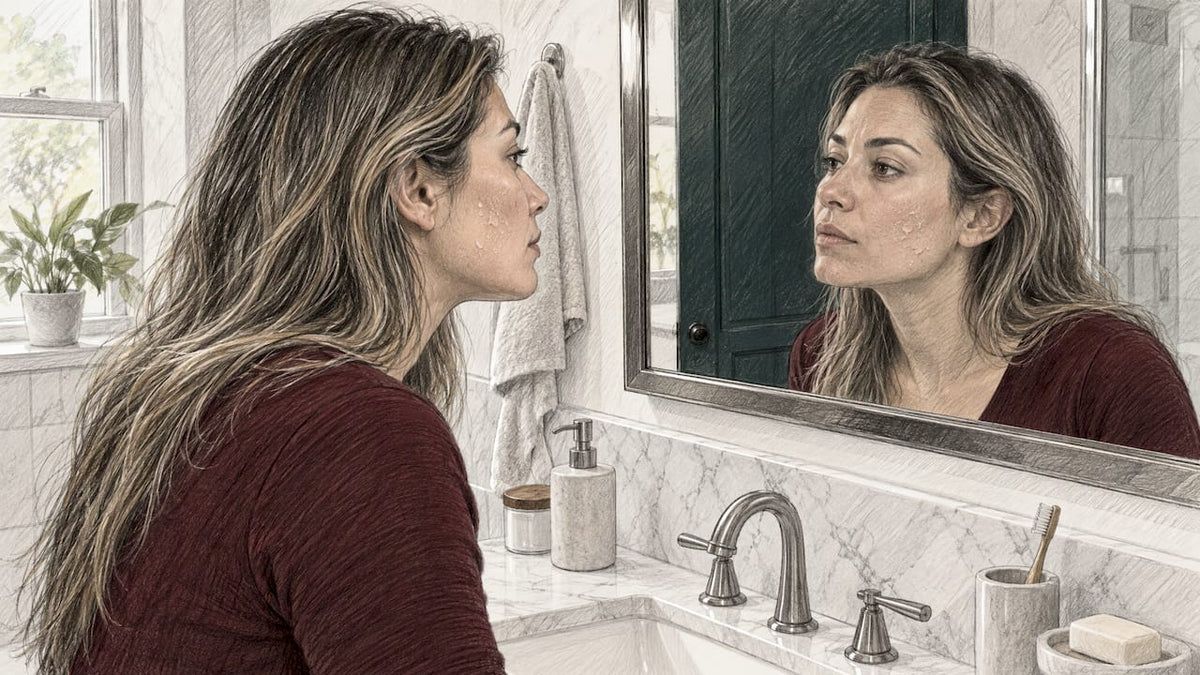
For most people, the most noticeable day is somewhere between day 2 and day 5, when flaking is at its peak. Flaking commonly begins around day 2, and by about day 7 most skin has settled, according to the consent form. If you have a social event, plan it for before the peel or after that first week, not in the middle of it.

The first 24 hours
The first day sets the tone for the rest of the recovery. Keep it simple.
- Follow the cleansing timing your provider gives you. Some protocols ask you to wait before the first cleanse. Do not improvise here.
- Use a gentle, non-fragranced cleanser and lukewarm water. Pat dry with a clean towel. Do not rub.
- Apply a simple moisturiser as often as your skin feels tight.
- Apply sunscreen if you go outdoors, and keep out of direct sun where you can.
- Keep your hands off your face. This includes testing whether skin is flaking yet.
Your skin may look a little pink and feel snug. That is expected. If you have any worrying symptoms, see the section on when to call your clinician below.
Cleansing and moisturising
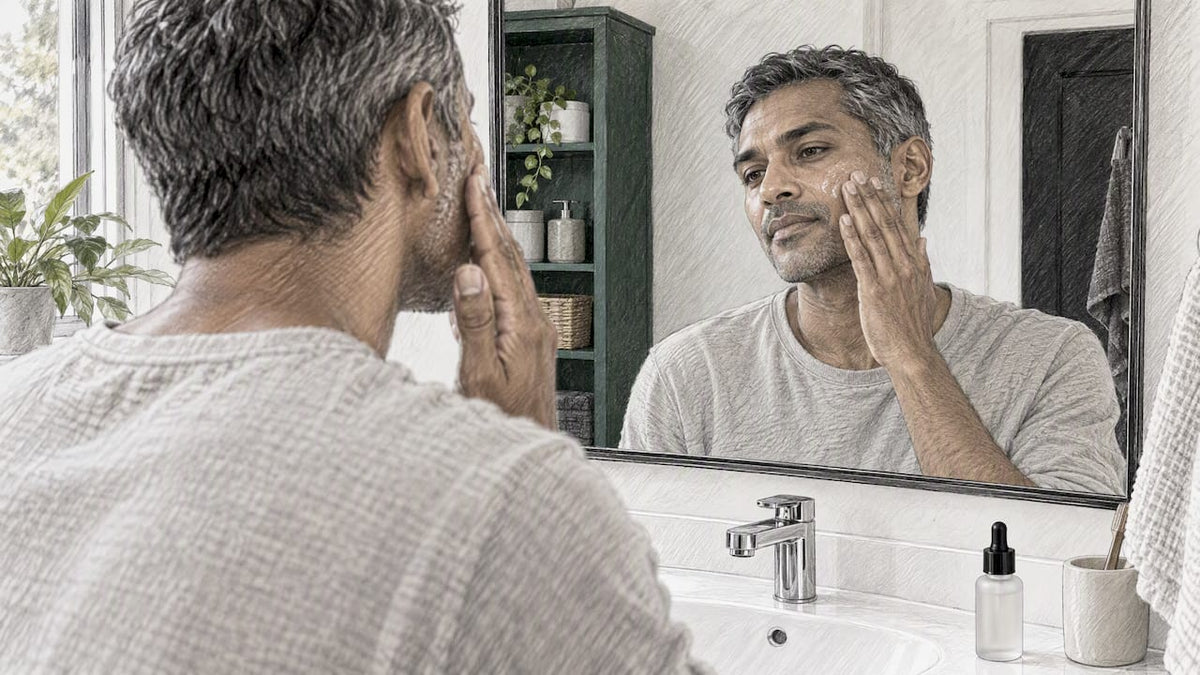
The goal is a clean, comfortable surface without any friction. Choose a mild, fragrance-free cleanser, wash with lukewarm rather than hot water, and use your fingertips only. Avoid cleansing brushes, washcloths and scrubs. Obagi’s guidance is to avoid fragranced products for the first few days, and a plain formula is the sensible default.
Moisturise gently and regularly. Dry, tight skin tempts you to pick at flakes, so keeping it supple makes the whole week easier. Use a light layer, press it in rather than rubbing, and reapply through the day as needed.
A word on the products you use. Do not build a recovery kit from social media recommendations. Use the aftercare products your provider has approved for your skin. If you are not sure what suits you, you can browse our moisturisers, cleansers and sunscreens or ask us in a consultation.

Sun protection
Sun protection is the single non-negotiable of peel aftercare. Newly peeled skin is more vulnerable, and sun exposure can undermine the result you came for. Obagi’s aftercare sheet calls for SPF 30 or higher sunscreen and avoiding direct sun after a Blue Peel Radiance.
In practice:
- Apply sunscreen every morning, including cloudy days and days you stay mostly indoors near windows.
- Reapply if you are outside for an extended time.
- Wear a wide-brimmed hat and seek shade in the first week.
- Avoid sunbathing and tanning beds. Obagi’s sheet is clear that you should avoid direct sun.
- Do not use a sunscreen that stings. Stop and ask your provider for an alternative.
What to avoid, and for how long
Aftercare is as much about what you leave out as what you add. These are the main rules.
Exfoliating and active ingredients
Avoid AHAs, BHAs, retinoids, retinol and exfoliating scrubs. The aftercare sheet advises leaving these out for a few days, with the regular regimen usually restarting after 5 to 7 days, once your physician agrees. That includes glycolic and lactic acid products, salicylic acid cleansers, tretinoin and over-the-counter retinol serums.
If you use a prescription retinoid, ask exactly when to restart it. Do not guess. When you do restart, our guide on preventing retinoid peeling explains how to bring it back without irritation. For a broader list of irritants, see our ingredients to avoid guide.
Picking and peeling
Do not pick, peel or pull the skin. Pulling a flake that is not ready can take off skin that is still healing and may leave marks. Let it shed on its own, keep it moisturised, and if a stubborn edge bothers you, ask your clinician rather than tugging at it.
Other treatments
Do not stack other resurfacing treatments on top of a fresh peel. Waxing, laser, microneedling and further peels should wait until your provider says your skin is ready. If you are planning a course of treatments, we can sequence them for you in clinic.
Makeup, exercise and heat
Your provider’s instructions decide this, and they vary by protocol. A common approach is to skip makeup and heavy sweating in the first days, then return to light makeup when skin feels comfortable. If anything stings, remove it gently and go back to your simple routine. Heat and sweat can irritate sensitive skin, so ease back into hot showers, saunas and intense workouts, and check your own provider’s timeline.
A simple week-one routine
Morning
- Rinse or cleanse gently with lukewarm water and a mild cleanser.
- Apply a gentle moisturiser.
- Apply SPF 30 or higher.
Evening
- Cleanse gently.
- Apply moisturiser, generously if skin is tight.
- No acids, no retinoids, no scrubs.
That is the whole routine. The less you add, the better your skin settles. After day 7, or whenever your clinician gives the go-ahead, you can reintroduce your regular products one at a time, so that if something irritates you, you know which one it was.
When to contact your clinician
Mild redness, tightness and flaking are expected. The following are not routine, and the consent form lists them as reasons to get in touch:
- Blistering
- Crusting or oozing
- Severe pain
- A cold-sore flare (tell your clinician early if you are prone to them)
- Peeling that has not settled after 7 days
Contact the clinic that treated you. If you cannot reach them and the symptoms are severe or worsening quickly, seek urgent medical care. Do not try to treat blistering or oozing skin yourself.
How often can you repeat a Blue Peel?
Obagi’s aftercare sheet says a course may involve one peel every 2 to 4 weeks, for a total of 4 to 6 peels. Whether that suits you depends on your skin, your goals and how you responded the first time, so ask your physician about the right plan for you.
Our perspective
Aftercare is where a peel is won or lost. We see the same pattern again and again: people are careful on treatment day, then add a new serum on day three because their skin feels dull, or pick one flake that looked ready.
Our approach is to treat aftercare as part of the treatment, not a leaflet handed over at the door. As a UK-based Obagi Ambassador Clinic, we build recovery around your skin: what you use now, whether you are on a prescription retinoid, and how much sun you are likely to get in the following weeks.
That is also why we like to be reachable. A quick message about a patch that looks different is far better than a week of worry or a guess. If you are overseas, an online consultation with our clinicians lets us review your routine and your concerns without a flight.
Keep it boring for a week: gentle cleanser, moisturiser, sunscreen. Your skin will do the rest.
Jess
Support from us
If you would like a clinician to look at your skin and plan your peel and aftercare, you can book an online skin consultation. We review your concerns, your current routine and any prescription products, and recommend what to use before and after treatment. For more on recovery, read our chemical peel aftercare steps, and if you are exploring in-clinic options in London or Athens, see our clinic treatments.
FAQ
What are the aftercare instructions for an Obagi Blue Peel Radiance?
Use SPF 30 or higher, avoid direct sun, and do not exfoliate or pick. Skip AHAs, BHAs, retinoids, retinol and fragranced products for a few days, and moisturise gently. Ask your physician before restarting your usual routine, which is usually after 5 to 7 days, per Obagi’s sheet.
What is the worst day after a chemical peel?
For the Blue Peel Radiance, flaking is usually most noticeable on days 2 to 5. Most skin has settled by about day 7. Keep to a gentle routine through that window and contact your clinician if peeling continues beyond a week.
Is flaking after a Blue Peel normal?
Yes. Dryness, redness, tightness, itching and flaking are all listed as common reactions. Let flakes shed naturally and do not pick them.
How often should I have a Blue Peel?
A course may involve one peel every 2 to 4 weeks, for 4 to 6 peels in total. Your physician will set the schedule that suits your skin.
When should I call my clinician?
Call for blistering, crusting, oozing, severe pain, a cold-sore flare, or peeling that has not settled after 7 days. If symptoms are severe and you cannot reach your clinic, seek urgent medical care.