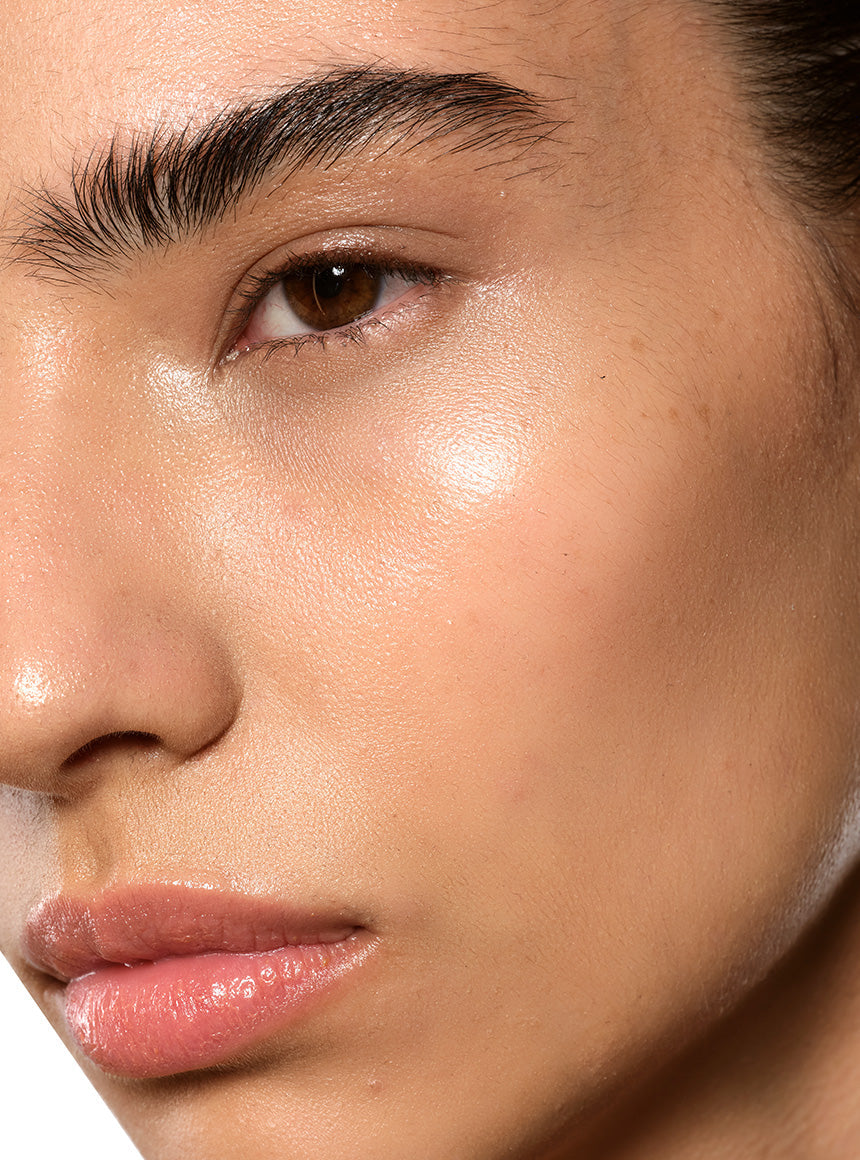





A Guide to Skincare After Aesthetic Treatments
Your treatment does not end when you leave the clinic. The first days afterwards are when skin is most vulnerable to irritation, dehydration and unwanted pigmentation. This guide to skincare after aesthetic treatments will help you protect your investment with a considered, clinically led approach - without overwhelming freshly treated skin with too much too soon.
Whether you have had microneedling, a chemical peel, laser resurfacing, injectables or a professional facial, recovery should be guided by the treatment performed, your skin history and your practitioner’s instructions. There is no single post-treatment regimen that suits every procedure. The principle, however, remains consistent: prioritise healing before performance.
Guide to Skincare After Aesthetic Treatments: The First 72 Hours
Immediately after an aesthetic treatment, your skin barrier may be temporarily compromised. This can present as warmth, redness, tightness, dryness, flaking or mild swelling. These responses are often expected, particularly after treatments designed to stimulate renewal. They are not an invitation to exfoliate, scrub or introduce a new active serum.
For the first 24 to 72 hours, simplicity is a luxury. Use a gentle, non-foaming cleanser only when needed, then apply a fragrance-free, barrier-supporting moisturiser. Look for formulas featuring ceramides, glycerin, squalane, hyaluronic acid or soothing lipids. These ingredients help reduce transepidermal water loss and support a more comfortable recovery without asking the skin to work harder.
Avoid hot water, facial brushes, washcloths and cleansing devices. Pat the skin dry with a clean, soft towel rather than rubbing. If your provider recommends a specific post-procedure product, use that instead of trying to recreate your usual routine from several products. A shorter regimen is usually the more intelligent one.
Sun protection is non-negotiable. Broad-spectrum SPF 50 should be applied generously once your practitioner confirms it is appropriate, then reapplied during daylight exposure. This matters for every complexion, but is especially critical for skin prone to melasma or post-inflammatory hyperpigmentation. Heat and ultraviolet exposure can prolong redness and deepen discolouration long after the initial treatment has settled.
Know What to Pause, Even if You Usually Tolerate It
High-performance skincare is highly effective when the barrier is intact. On freshly treated skin, even trusted favourites can sting, inflame or interrupt recovery. Pause retinoids, retinol alternatives with exfoliating properties, AHAs, BHAs, PHAs, scrubs, benzoyl peroxide, strong vitamin C formulas and at-home peels until your practitioner advises otherwise.
The right timing depends on the procedure. After a light hydrating facial, you may return to your routine quickly. After medium-depth peels, fractional laser or radiofrequency microneedling, active ingredients may need to wait for a week or longer. Visible peeling is not a sign to speed the process along. Do not pick, pull or exfoliate loose skin. Allow shedding to occur naturally to reduce the risk of marks and uneven pigment.
A note on vitamin C: it is a valuable antioxidant and brightening ingredient, but not all vitamin C formulations are equally suitable in recovery. L-ascorbic acid can be too stimulating in the earliest phase, while gentler antioxidant options may be reintroduced sooner under professional guidance. This is where formulation matters as much as ingredient recognition.
Procedure-Specific Aftercare Requires Precision
After chemical peels and resurfacing treatments
Expect a period of sensitivity, tightness and, depending on depth, visible flaking. Keep the skin moisturised, protected from the sun and free from exfoliating ingredients until all peeling has resolved and the skin no longer feels reactive. Avoid saunas, steam rooms, strenuous exercise and very hot showers for the period advised by your provider, as heat can intensify redness.
Do not confuse a treatment peel with permission to use an exfoliating cleanser at home. Your skin has already received its controlled stimulus. Recovery products should cushion and protect, not continue the exfoliation cycle.
After microneedling, laser or energy-based treatments
These treatments can temporarily increase sensitivity and, in some cases, create microscopic channels in the skin. Use only products approved by your clinician immediately afterwards. The wrong formula, particularly one containing fragrance, acids or potentially irritating botanicals, may cause an avoidable reaction.
Keep hands away from the face, change your pillowcase and avoid make-up until your practitioner has cleared it. For clients prone to pigmentation, disciplined photoprotection is central to the result. A treatment plan designed to improve tone can be undermined by unprotected daylight exposure during recovery.
After injectables
Injectables typically involve less surface-barrier disruption, but aftercare still matters. Follow your injector’s instructions about exercise, alcohol, facial massage, lying flat and pressure on the treated area. Avoid booking a strong facial, exfoliation treatment or facial massage too soon after treatment.
Your topical skincare may often resume sooner than after laser or peel procedures, but bruised or tender skin benefits from a calm, uncomplicated routine. If you notice increasing pain, marked warmth, unusual blanching, spreading redness or any symptom that concerns you, contact your treating practitioner promptly rather than attempting to manage it with skincare.
Build Back to Your Results-Driven Routine Slowly
Once tenderness, heat, flaking and reactivity have fully settled, reintroduce active products one at a time. Start with the product most relevant to your primary concern: a pigment-regulating serum for discolouration, a retinoid for textural ageing, or an acne treatment for congestion. Give the skin several nights to respond before adding another active.
This measured return is particularly valuable if you have rosacea, eczema, acne or deeper skin tones with a history of post-inflammatory hyperpigmentation. These skin types are not less suited to aesthetic treatments, but they do benefit from more precise aftercare and a lower threshold for seeking expert advice.
It can be tempting to layer every corrective serum in pursuit of faster results. In reality, inflammation is a common reason skin becomes less predictable. A well-chosen regimen of cleanser, recovery moisturiser, daily SPF and one targeted active will often outperform an elaborate routine that keeps the barrier under pressure.
Lifestyle Choices That Protect the Outcome
The quality of your recovery is shaped by more than the products on your bathroom shelf. For a short period after treatment, avoid direct sun, overheating, swimming pools, high-intensity exercise and anything that causes heavy sweating if this has been advised. Keep hair products away from the face and avoid applying make-up with unwashed brushes or sponges.
Hydration, restful sleep and a balanced diet support general skin function, though they do not replace evidence-based aftercare. If you smoke, consider this an especially useful moment to reduce or stop: smoking can impair healing and compromise collagen quality over time.
For treatment-led skincare, consistency matters more than intensity. Clinical results are sustained by respecting the recovery window, wearing high-level daily sun protection and choosing formulas matched to the skin you actually have - not the routine you wish you could tolerate.
When to Contact Your Practitioner
Mild redness, swelling and tenderness can be normal, but worsening symptoms deserve professional assessment. Contact your clinic if you experience severe pain, blistering, oozing, increasing swelling, a rash, signs of infection or pigment changes that appear to be progressing. Do not apply topical steroid creams, antibiotics or home remedies unless specifically directed by a qualified medical professional.
Aesthetic treatments and advanced skincare work best as a partnership. Your practitioner controls the in-clinic intervention; your home regimen protects the conditions that allow the result to develop beautifully. Give skin the calm, considered recovery it deserves, and let active skincare return only when the barrier is ready to benefit from it.