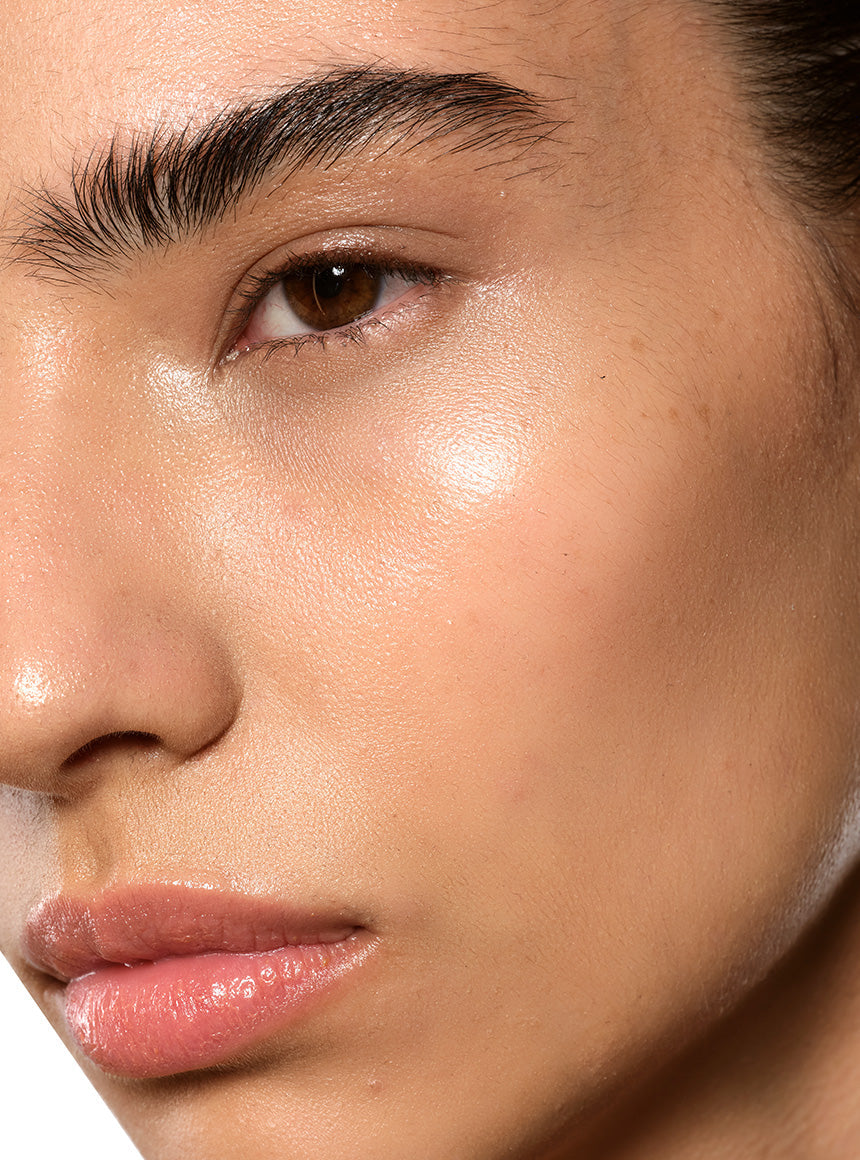





Medical Skincare for Peri Menopause
Perimenopause rarely announces itself with one clear sign. More often, skin that once felt predictable suddenly becomes dry on the cheeks, oily through the T-zone, reactive to products you have used for years, and unexpectedly prone to breakouts or pigmentation. That is exactly why medical skincare for peri menopause deserves a more precise approach than a generic anti-ageing routine.
This stage is not simply about getting older. It is about fluctuation. As oestrogen begins to shift, skin can produce less oil, lose water more easily, recover more slowly, and appear thinner, duller or less firm. Collagen declines accelerate, inflammation can become more visible, and conditions such as rosacea, melasma and adult acne may become harder to manage. The right regimen should not chase every symptom at once. It should restore function first, then build visible results.
Why peri-menopausal skin behaves differently
The skin changes of perimenopause are hormonal, but the presentation is not identical for everyone. Some women notice marked dryness and sensitivity almost overnight. Others develop persistent congestion along the jawline, uneven tone, or a crepey texture around the eyes and mouth. If you are also navigating stress, poor sleep and cumulative UV exposure, the picture becomes even more complex.
Oestrogen supports collagen, hydration and barrier integrity. As levels fluctuate, the skin barrier may weaken, making transepidermal water loss more likely. At the same time, slower cell turnover can leave skin looking dull and uneven. For some, testosterone remains relatively more dominant, which helps explain the return of blemishes in skin that is no longer resilient enough to tolerate aggressive acne products.
This is where medical-grade skincare earns its place. The goal is not more steps. It is higher-quality formulation, clinically proven ingredients, and a regimen built around what the skin is now capable of tolerating.
What medical skincare for peri menopause should prioritise
A premium regimen at this stage should focus on four areas: barrier repair, collagen support, pigment control and daily photoprotection. If one of these is missing, results are often compromised.
Barrier repair comes first because irritated, dehydrated skin will not respond well to stronger actives. Look for formulas that support the lipid matrix with ceramides, cholesterol, fatty acids, glycerin and hyaluronic acid. The texture matters too. Lightweight hydration may suit oilier peri-menopausal skin, but many women benefit from richer creams that reduce water loss and improve comfort without suffocating the skin.
Collagen support is the next priority. Retinoids remain one of the most valuable categories in medical skincare, but peri-menopausal skin often needs a better-calibrated introduction. If your previous retinol now stings or flakes, that does not mean vitamin A is off the table. It may mean you need a lower-strength encapsulated formula, fewer applications each week, or a retinal or prescription retinoid introduced under guidance.
Pigment control matters because hormonal fluctuation can intensify uneven tone, particularly in those prone to melasma or post-inflammatory hyperpigmentation. Ingredients such as vitamin C, tranexamic acid, azelaic acid, niacinamide and cysteamine can all play a role. The best choice depends on your skin tone, sensitivity level and whether redness or acne are part of the picture.
Daily SPF is non-negotiable. Without consistent broad-spectrum protection, collagen breakdown continues and pigmentation treatments work against a constant trigger. In peri-menopause, sunscreen also needs to be elegant enough to wear every day. A formula that pills, leaves a cast or feels heavy is rarely used consistently, no matter how advanced it is on paper.
Building a regimen without overwhelming the skin
One of the most common mistakes at this stage is reacting to every new skin concern with another active. Dryness prompts a richer cream, breakouts prompt a peel, laxity prompts a retinoid increase, pigmentation prompts an acid toner, and before long the barrier is compromised. Clinically sophisticated skincare is not about stacking the strongest ingredients. It is about sequencing them well.
A good morning routine is usually simple. Cleanse gently, apply an antioxidant or pigment-correcting serum, follow with a moisturiser if needed, then finish with broad-spectrum SPF. If the skin is particularly dry or sensitised, a rinse with water or a very mild cleanser may be enough in the morning.
Evening is where treatment work happens. Start with a non-stripping cleanse. Then alternate your corrective step depending on tolerance. One night may be dedicated to a retinoid, another to a barrier serum, another to azelaic acid or a pigment treatment. This rhythm often produces better long-term results than using everything every night.
For skin that feels rough, dull or congested, exfoliation still has value, but restraint is essential. Over-exfoliation is especially common in peri-menopause because the skin may look lacklustre while actually being fragile. Gentle lactic acid or polyhydroxy acids can be useful, but not necessarily more than once or twice weekly unless professionally advised.
The ingredients worth your attention
Not every trending ingredient deserves space in a peri-menopausal routine. A more selective edit tends to perform better.
Retinoids remain central for fine lines, uneven texture, acne and collagen decline. They are one of the few categories with meaningful long-term evidence, but success depends on formulation and pacing. In premium physician-dispensed skincare, delivery systems often make the difference between visible improvement and unnecessary irritation.
Growth factors and peptides can be excellent additions for skin showing laxity, thinning or slower recovery. They will not replace retinoids, but they can complement them, particularly if your skin needs a more elegant route to firmness and repair.
Vitamin C is valuable for radiance, antioxidant protection and pigment support, although not all formulas are equal. Some are highly effective but too active for sensitive skin. Others use more stable derivatives that trade some potency for greater tolerance. It depends on your skin goals and how much reactivity you are managing.
Azelaic acid deserves more attention in this category. It can help with redness, breakouts and pigmentation at once, which is particularly useful when peri-menopausal skin presents with several concerns simultaneously. Niacinamide is similarly versatile, supporting barrier function, reducing visible oiliness and helping brighten uneven tone.
If your skin has become persistently dry, do not overlook the basic architecture of your moisturiser. Humectants pull in water, but without emollients and occlusives, that hydration may not stay where it is needed. In other words, serum alone is rarely enough.
When in-clinic thinking matters, even at home
Peri-menopausal skin often benefits from a regimen designed with treatment logic rather than beauty-counter logic. That means understanding what to treat first, what to defer, and how to protect investment skin from avoidable irritation. This is especially true if you are managing melasma, rosacea, deeper skin tones with post-inflammatory hyperpigmentation, or a history of reactions.
Medical skincare for peri menopause works best when it is personalised. A woman with dehydration and diffuse redness needs a different strategy from someone with jawline acne and resistant pigmentation. Even within the same concern, skin tone changes the approach. Pigment pathways, irritation risk and treatment tolerance all need proper consideration.
That is why expert curation matters. A high-performance product is only as good as its place in the regimen. At The M-ethod Aesthetics, this is the difference between shopping for promises and investing in clinically credible skin transformation.
Signs your routine needs adjusting
If your usual products suddenly sting, if your skin feels tight by midday, if breakouts are appearing alongside flaking, or if pigmentation is worsening despite treatment, your routine likely needs recalibrating. Perimenopause changes the rules. Continuing with the exact products and frequencies that worked five years ago can keep skin in a cycle of inflammation.
This does not always mean a complete reset. Sometimes the answer is reducing exfoliation, switching to a more sophisticated moisturiser, or using your retinoid three nights a week instead of nightly. Sometimes it means acknowledging that over-the-counter formulas are no longer doing enough, and it is time for physician-dispensed options with stronger evidence and better delivery systems.
There is also a practical point here. Results in peri-menopause are rarely instant, even with excellent products. Barrier repair can improve comfort quickly, but firmer skin, clearer pigment and better texture take consistency. The brands and formulas worth investing in are the ones that respect skin biology rather than forcing a quick-fix response.
Peri-menopause is not a reason to lower your expectations of skincare. It is a reason to become more exacting. Choose formulas that are clinically proven, intelligently layered and suited to the skin you have now, not the skin you had a decade ago. With the right medical approach, this can be the point where your routine becomes less reactive, more strategic, and far more rewarding.